











Europe: Luxury as a Living Tradition
History, cultural depth, seamless access, and private residences of exceptional distinction
Europe holds an extraordinary concentration of history, architecture, cultural identity, and established luxury. Within relatively short distances, travelers can move between imperial capitals, Mediterranean coastlines, private islands, preserved countryside, and the most distinguished alpine settings. This geographic concentration gives an ultra-luxury villa stay a rare sense of range without compromising continuity, discretion, or comfort.
For high-net-worth travelers, Europe offers more than celebrated destinations. Its most compelling quality is the maturity of its luxury culture. Service is deeply established, architectural heritage is treated with precision, and privacy is delivered with quiet confidence. Whether the residence is a historic estate, a contemporary coastal villa, an alpine chalet, or a metropolitan private home, the experience is defined by refinement rather than display alone.
A Continent Where History Remains Present
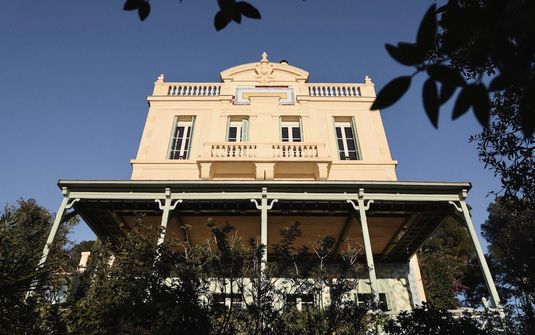
European luxury is inseparable from the settings in which it developed. Centuries of design, craftsmanship, patronage, and private ownership are visible in palaces, country houses, stone villas, waterfront estates, and carefully preserved urban residences. The result is an environment where heritage is not staged as decoration; it forms part of the character of the stay.
This depth is especially valuable to discerning guests who appreciate provenance. Original architectural details, established gardens, historic neighborhoods, and landscapes shaped over generations create a sense of permanence that newer destinations rarely reproduce. Modern amenities and white-glove service can be integrated without diminishing the authenticity of the property or its surroundings.
Luxury as a European Craft
In Europe, luxury is often expressed through expertise: proportion, materials, restoration, hospitality, and attention to detail. Opulence may be grand and ceremonial, restrained and architectural, or quietly embedded in the quality of the residence. What remains consistent is a high standard of execution.
Bespoke service, discreet staffing, private arrival arrangements, and exceptional amenities allow each residence to function as a fully considered environment. For guests accustomed to elevated hospitality, the most memorable quality is frequently the ease of the experience: everything is anticipated, yet little feels intrusive.
Exceptional Connectivity Without Compromising Privacy
Europe’s network of international gateways, regional airports, rail connections, and well-established private transportation makes it possible to combine highly distinct settings within a single itinerary. A metropolitan residence can be followed by an alpine retreat, island estate, or Mediterranean villa without the sense of crossing an entire continent.
This connectivity is particularly suited to private travel. Transfers can be coordinated around the residence, the group, and the desired pace, allowing guests to maintain continuity of service while moving between destinations. The advantage is not simply speed; it is the ability to experience cultural variety with the efficiency expected by a VIP clientele.
The Many Expressions of European Luxury
Imperial and Metropolitan Grandeur
Austria reflects a tradition of imperial scale, formal architecture, and alpine restraint. Its private residences often balance historic elegance with measured contemporary comfort, creating an atmosphere that feels ceremonial without becoming overstated.
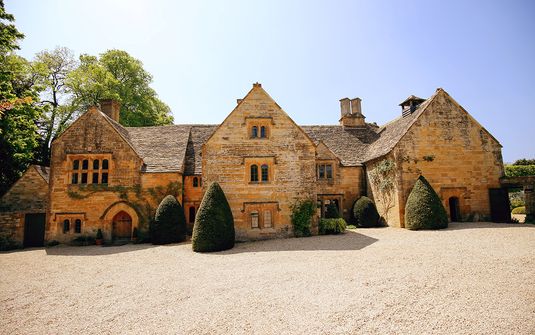
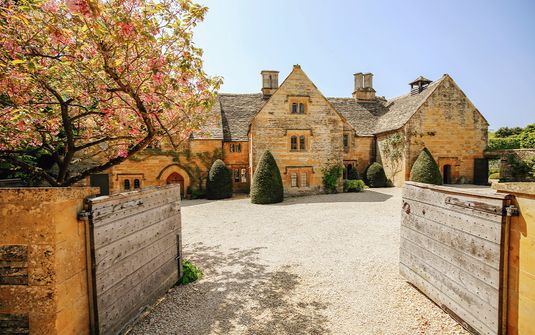
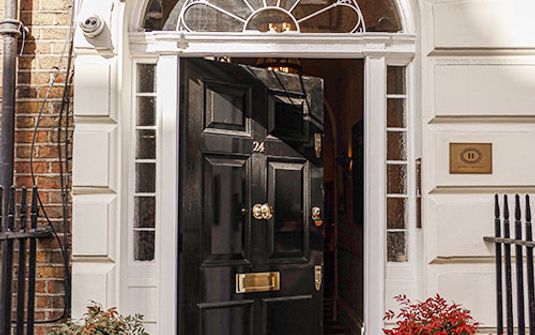
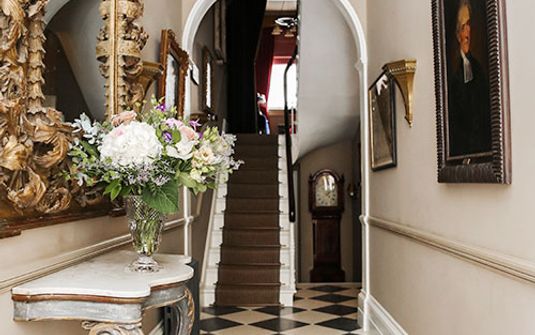
England offers a different form of distinction, shaped by private country estates, historic townhouses, landscaped grounds, and a long culture of discreet service. The appeal lies in privacy, lineage, and residences designed to support extended stays with understated confidence.
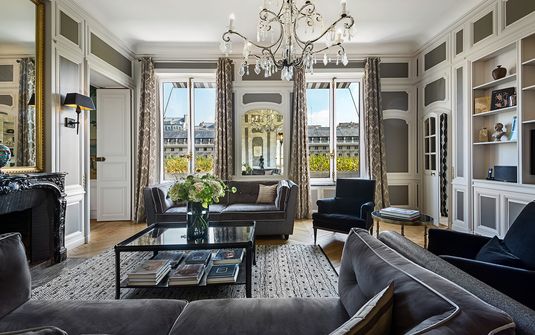
France brings metropolitan polish and architectural heritage into direct conversation. In Paris, private residences can provide a highly controlled urban experience defined by location, discretion, and access, while preserving the quiet of a personal address.
Italy extends this urban grandeur through destinations such as Milan, Rome, and Venice. Each presents a different relationship between private residence and city: contemporary precision, monumental history, or a setting defined by water, architecture, and exceptional rarity.
Spain offers equally distinctive metropolitan stays in Madrid and Barcelona, where private residences combine scale, architectural character, and the convenience of a major European capital or coastal city.
Mediterranean Prestige and Coastal Privacy
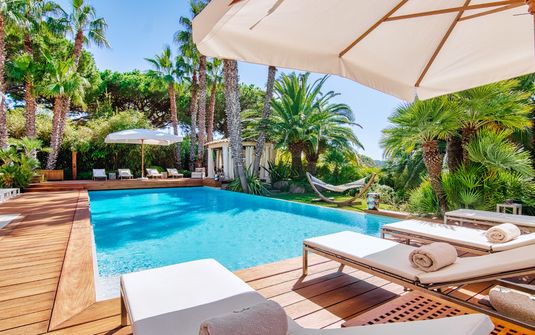
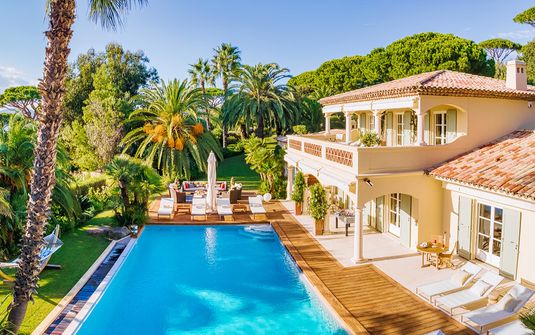
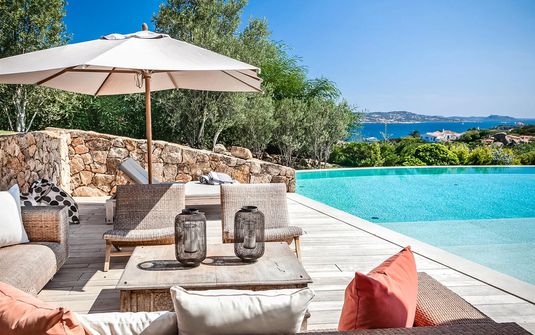
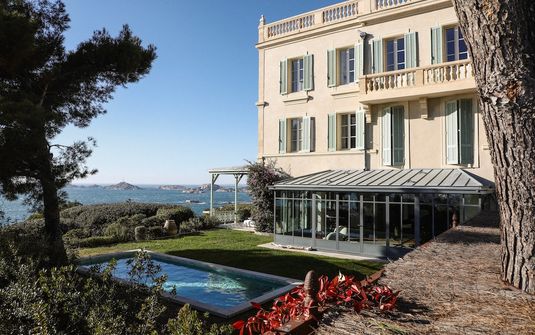
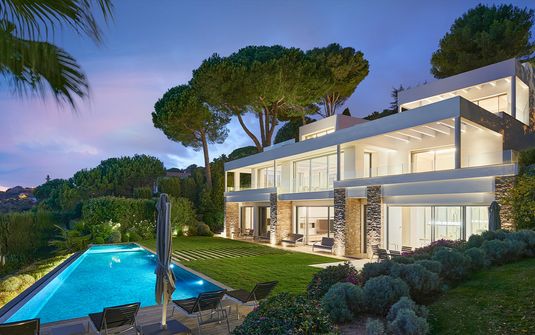
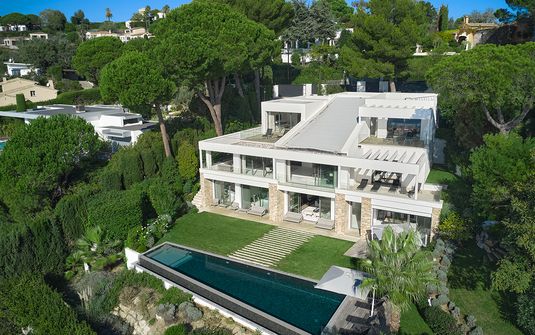
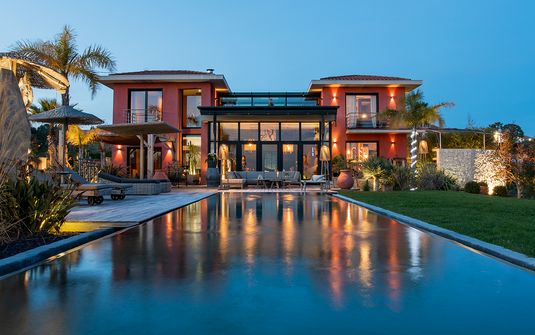
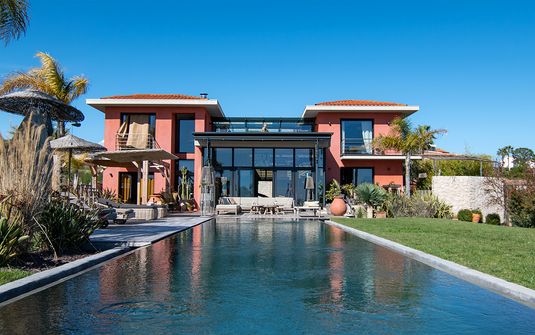
The French Riviera remains one of Europe’s clearest expressions of established coastal luxury. Elevated villas, private grounds, sea-facing terraces, and discreet service create an environment suited to guests who value both visibility and separation. Nearby Provence, Occitanie, and the West Mediterranean Coast offer more space, historic character, and a quieter relationship with the landscape.
Croatia introduces a more elemental Adriatic setting, where stone architecture, sheltered coastlines, and historic towns create a refined sense of place. Private villas can feel exceptionally secluded while remaining connected to a region shaped by maritime heritage and preserved architecture.
In Italy, the Amalfi Coast delivers dramatic elevation and vertical coastal architecture, while Puglia offers lower-slung estates, pale stone, and a more expansive sense of privacy. Both provide strong architectural identities rather than interchangeable seaside settings.
Southern Spain presents another interpretation of Mediterranean prestige. Marbella is associated with established private communities, substantial villas, and highly polished residential amenities designed for guests who expect seamless service and a controlled environment.
Portugal offers Atlantic-facing luxury with a sense of openness and composure. Its private residences often emphasize space, natural light, architectural clarity, and a more measured pace, appealing to travelers who prefer sophistication without unnecessary formality.
Island Estates and Maritime Exclusivity
Greece offers a collection of island settings with sharply different personalities. Mykonos is defined by sculptural white architecture and elevated privacy; Santorini by dramatic topography and rare outlooks; and Paros & Antiparos by a more discreet, residential expression of Cycladic luxury.
Corfu brings greener landscapes, historic estates, and a stronger sense of seclusion, while Crete provides greater scale, varied terrain, and private residences suited to extended stays and multigenerational groups.
France’s Corsica combines rugged topography with a distinctly private island atmosphere. The setting feels independent from the mainland, making it especially appealing to guests seeking natural drama, separation, and an estate-style stay.
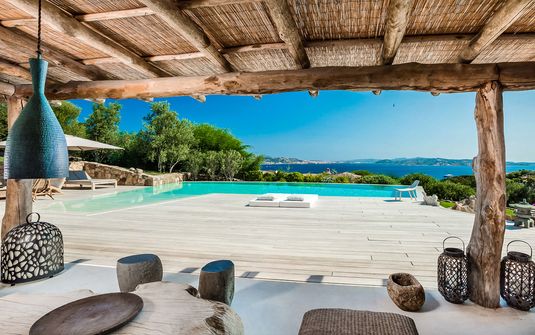
Italy’s islands offer two different forms of grandeur. Sardinia is associated with clear-water coastlines, low-density enclaves, and polished villa living, while Sicily combines monumental history, larger landscapes, and residences with a deeper architectural weight.
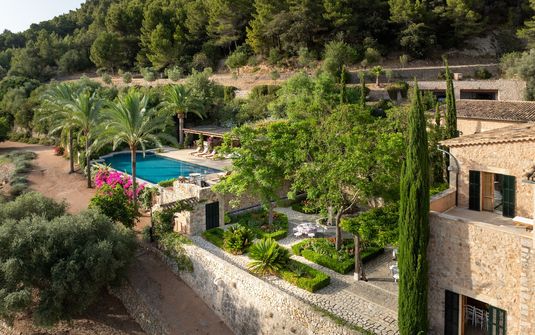
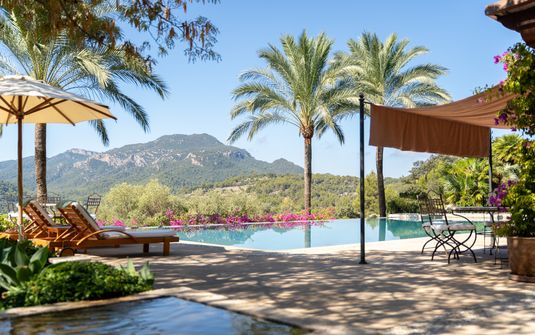
Spain’s Balearic destinations each provide a distinct private setting. Ibiza can be experienced through secluded modern estates away from its more visible reputation; Mallorca offers greater geographic variety and substantial country or coastal residences; and Menorca favors restraint, lower density, and quiet maritime privacy.
Countryside Estates and Historic Landscapes
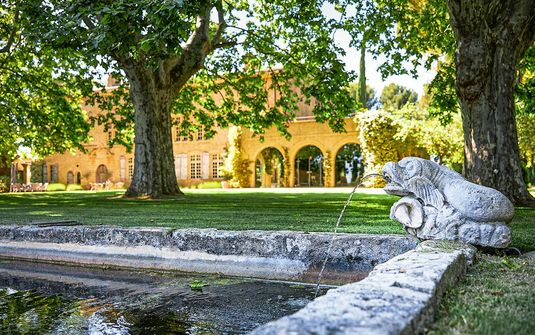
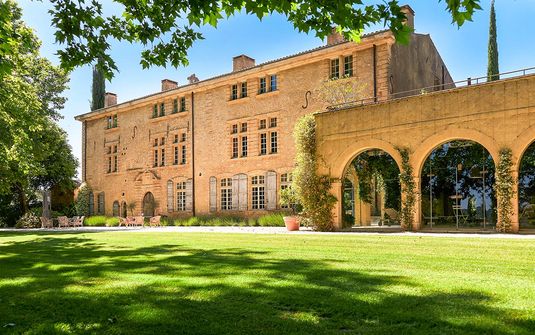
The French countryside offers some of Europe’s most established private-estate settings. Burgundy is defined by ordered landscapes and historic properties; the Loire Valley by formal estates and architectural grandeur; and Normandy by pastoral scale, coastal light, and residences with a quieter, more grounded elegance.
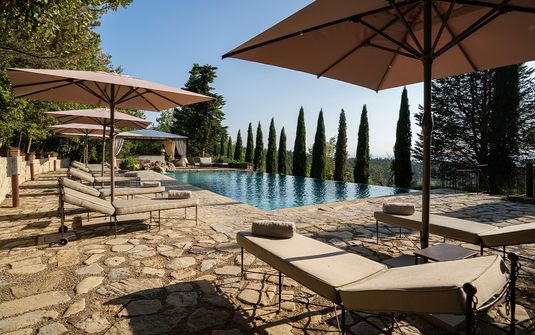
In central Italy, Tuscany remains a benchmark for private estate living, where restored residences, cultivated landscapes, and long views create a complete sense of ownership during the stay. Umbria is more secluded and inward-looking, while Marche offers a less expected combination of hills, historic towns, and Adriatic proximity.
These countryside settings are particularly well suited to guests seeking privacy at scale. Multiple living areas, formal grounds, guest accommodations, and highly personalized staffing can support family gatherings, extended stays, and private groups without sacrificing the character of the residence.
Alpine Precision and Private Mountain Living
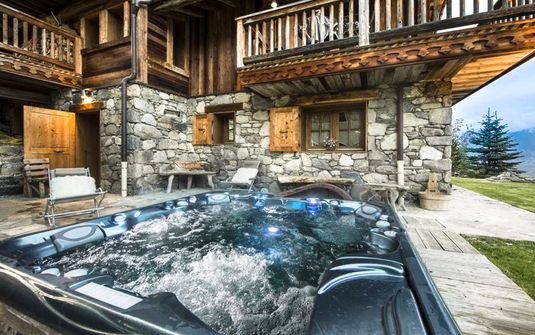
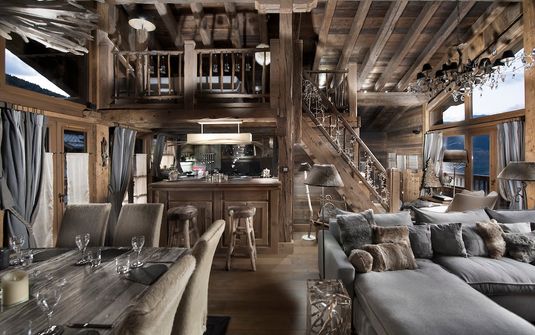
The French Alps bring a distinctive architectural discipline to luxury stays: substantial chalets, warm materials, panoramic glazing, and carefully planned private amenities designed around comfort, recovery, and uninterrupted mountain views.
Switzerland represents perhaps the most exacting expression of alpine service. In Verbier, expansive chalets combine contemporary luxury with a highly established private-residence culture. Zermatt offers a more singular setting, where the mountain landscape and controlled environment create an exceptional sense of separation.
Alpine residences are distinguished not simply by location, but by the way service and amenities are integrated into the property. Dedicated staff, private wellness spaces, secure storage, chauffeured transfers, and carefully managed arrivals allow the residence to operate with the efficiency of a private retreat rather than a conventional accommodation.
Private Residences for a Discerning Clientele
Europe’s luxury villa portfolio is unusually broad. Guests may choose a palatial city residence, a restored château, a private island villa, an alpine chalet, a coastal estate, or a historic countryside property. The selection is not only architectural; it determines the rhythm, degree of privacy, and cultural atmosphere of the stay.
For a VIP clientele, the strongest residences provide both distinction and control. Arrival can be discreet, staffing can be tailored, amenities can be configured around the group, and the property can become a self-contained environment. This ability to personalize the residence without diluting its heritage is one of Europe’s defining advantages.
White-Glove Service with European Discretion
The finest European stays are supported by service that feels precise, polished, and unobtrusive. Bespoke planning, private transportation, dedicated household teams, security coordination, and personalized in-residence arrangements can be managed around the preferences of each guest.
Discretion is central. High-level service is delivered without turning the residence into a public environment or interrupting its sense of privacy. For travelers accustomed to exceptional standards, this balance between attentiveness and restraint is often more valuable than visible excess.
Europe for the Ultra-Luxury Traveler
Europe offers a form of luxury that is difficult to reproduce elsewhere because it is built on concentration: of history, cultures, architecture, landscapes, and established service traditions. A single stay can be highly specific to one destination, while a broader itinerary can move seamlessly between entirely different worlds.
For high-net-worth individuals, the continent provides choice without compromise. The setting may be imperial, coastal, alpine, metropolitan, or rural, yet the defining qualities remain consistent: privacy, provenance, exceptional amenities, white-glove service, and residences selected for their ability to deliver a genuinely elevated experience.