




Tuscany: Private Villas and Estates with a Distinct Residential Heritage
Tuscany offers one of the most recognizable country-house landscapes in Italy, but its residential appeal extends far beyond a single image of a villa above rolling hills. Formal gardens, compact cities, agricultural estates and more open coastal country create several different settings for a private stay. The house can be a restored farmhouse, a substantial historical residence or a contemporary interpretation of an older building, with each offering a particular relationship between architecture, grounds and household life.
The region is most rewarding when those distinctions remain clear. A city residence and a detached estate do not provide the same atmosphere, just as a formal villa and a more gradual farmhouse plan support different patterns of occupation. The appropriate choice comes from the exact setting and the character of the building. A private home should offer a coherent domestic center, allowing the household to remain connected to Tuscany’s architecture and land without reducing the experience to a generalized rural aesthetic.
A Landscape Organized Through Buildings and Cultivation
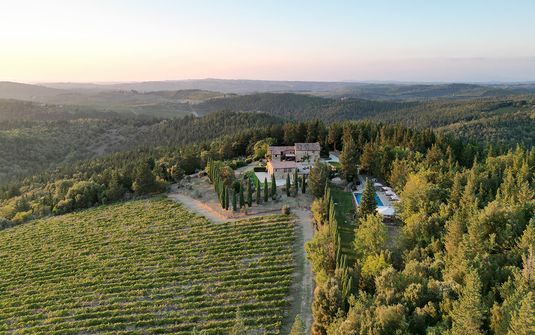
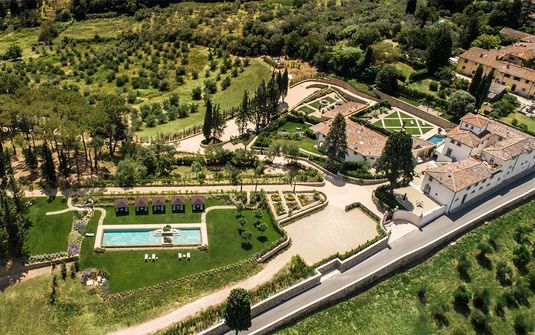
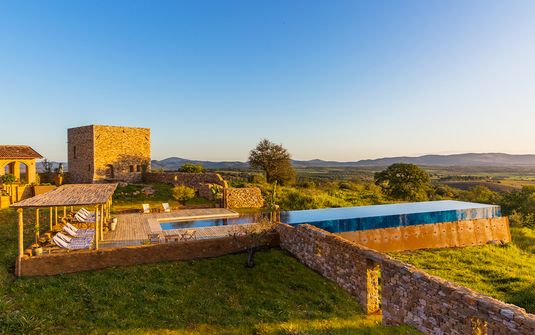
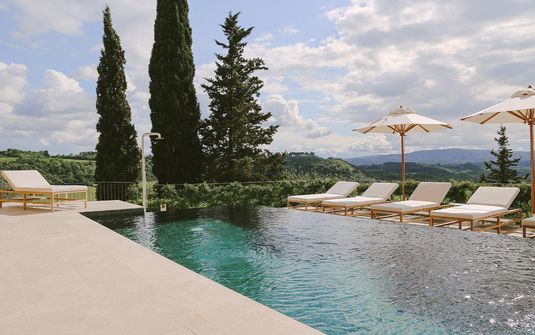
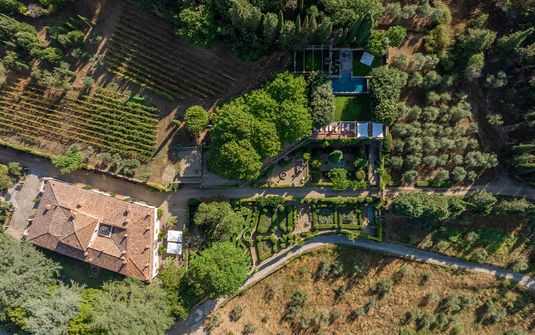
Much of the Tuscan countryside is read through successive layers: cultivated slopes, tree lines, an estate building and a settlement beyond. The placement of a house within that composition is fundamental. A ridge position may open several directions of view, while a more sheltered plot concentrates attention on gardens and the closer contours of the land. Neither needs to be more theatrical to feel distinguished. The strongest residence gives its outlook a clear foreground, preserving intimacy within a setting that can otherwise appear expansive.
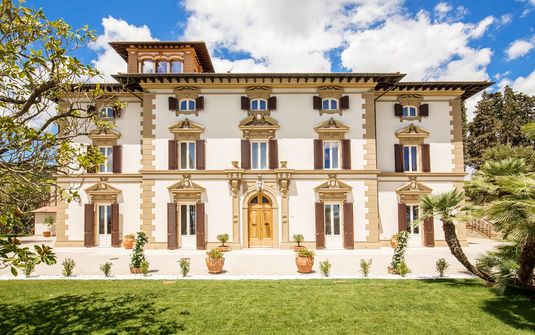
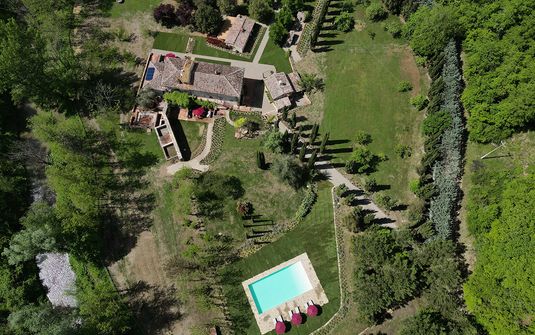
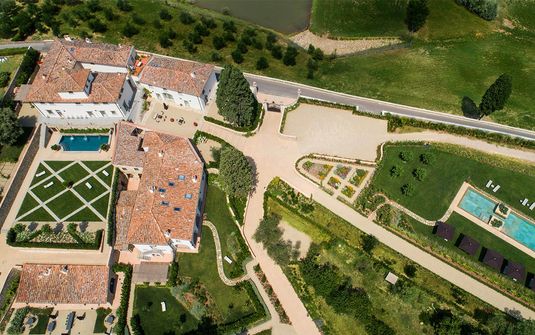
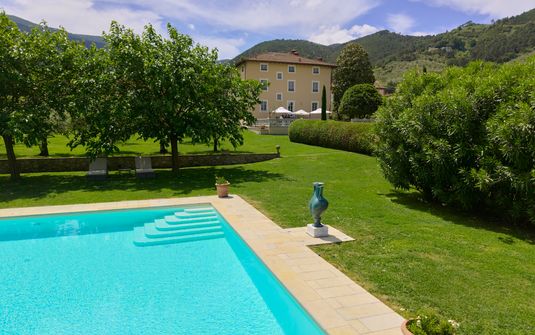
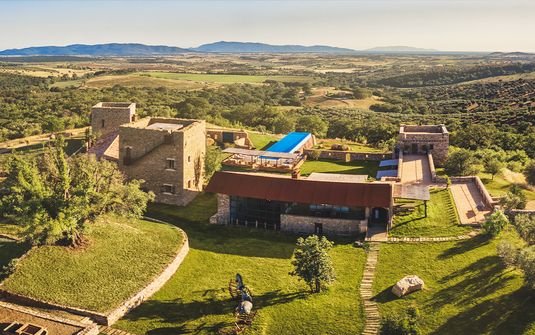
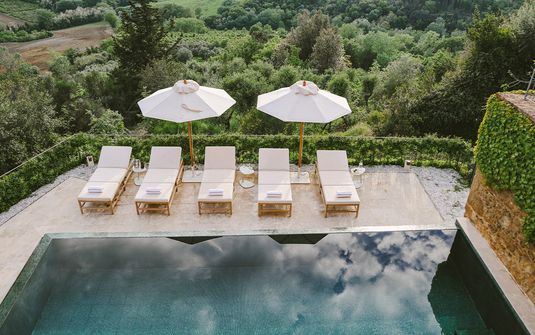
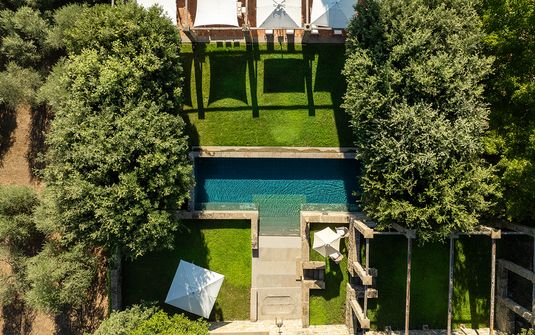
Architecture often supplies the organizing element near the property. A principal façade, a court or the arrangement of ancillary buildings establishes order before the landscape becomes less controlled beyond the gardens. Mature trees can connect those scales, giving the estate a sense of continuity that does not depend on elaborate exterior design. A well-composed property provides several different settings, allowing a formal terrace, a quieter planted area and more open grounds to have distinct roles within the household’s private environment.
Different Residential Identities Within Tuscany
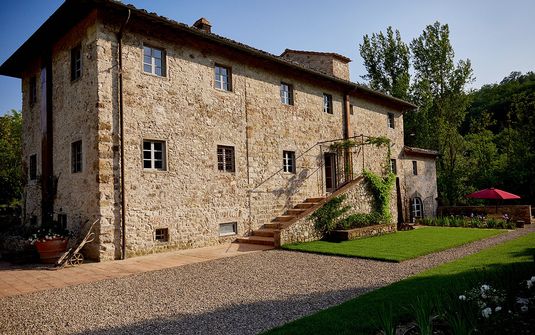
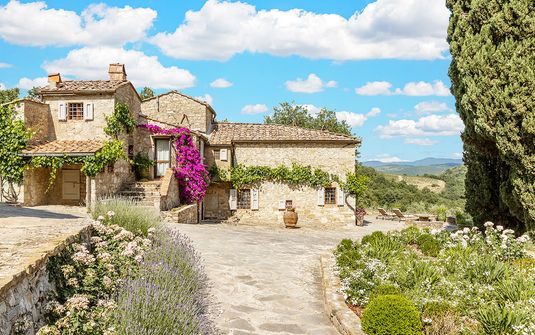
Chianti offers a particularly clear relationship between cultivated hills and substantial rural buildings. Stone farmhouses and estate residences can sit within a landscape of planted slopes, woodland and compact settlements, giving the house depth without requiring one monumental landmark. Its character is strongest when the property preserves that agricultural context, allowing courts, walls and original building volumes to remain part of a comfortable home rather than becoming decorative references detached from the surrounding land.
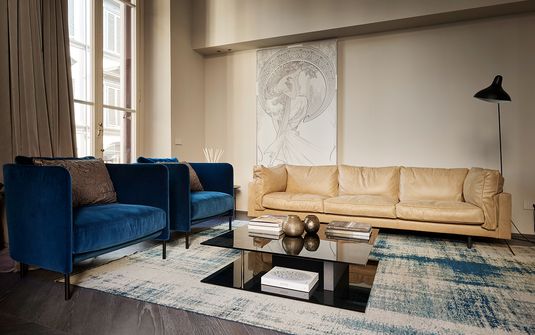
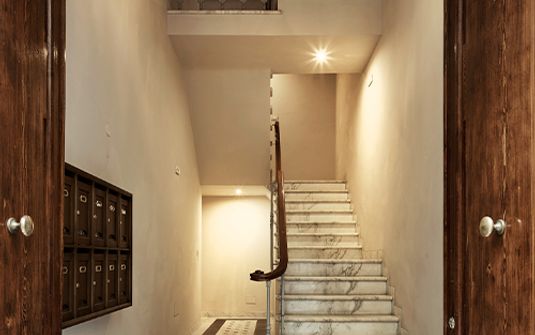
Florence introduces a more concentrated architectural inheritance, with private residences shaped by the scale of the city and its historical building traditions. An apartment within an older palazzo offers a different experience from a villa in the surrounding hills, even where both belong to the same collection. The distinction lies in outlook, arrival sequence and the relationship between rooms and grounds, allowing a household to choose a genuinely urban setting or a more garden-led address without treating either as interchangeable.
Grosseto brings the broader Maremma landscape into the regional picture. More open country, planted estates and the wider coastal context create a different visual register from the most enclosed hill settings. A residence may derive its atmosphere from the breadth of its grounds or from the protection of an established rural court. The individual property determines how that openness is balanced, giving the household a private center whose character is connected to this part of Tuscany rather than a repeated image borrowed from another area.
Lucca offers another relationship between substantial architecture and a cultivated residential landscape. A house within the urban fabric has a different scale from a villa whose gardens give it a more independent composition. In either setting, proportion and the sequence between entrance, communal rooms and private areas can establish an assured domestic atmosphere. A residence feels particularly convincing when its historical character remains legible while the plan provides the comfort and flexibility required by a household staying together over time.
The Siena Setting
Siena adds a distinctive combination of urban masonry traditions and surrounding country. A private address may relate closely to an established settlement or occupy its own planted grounds with a broader hill outlook. These alternatives are not simply different views from the same kind of home. They give the residence a different rhythm, from the enclosure of an older building to the more expansive sequence of an estate. The strongest property allows those local relationships to shape its architecture and domestic atmosphere.
Across these collections, privacy should be understood at the scale of the particular house. A long rural outlook does not automatically provide greater discretion than a protected court, while a substantial parcel of land can still contain exposed terraces or neighboring sightlines. The arrangement of rooms, boundaries and gardens determines how privately the property is occupied. Meaningful choice comes from preserving those differences, rather than assuming that every prestigious Tuscan name promises an identical estate experience.
Formal Villas and the Texture of the Farmhouse
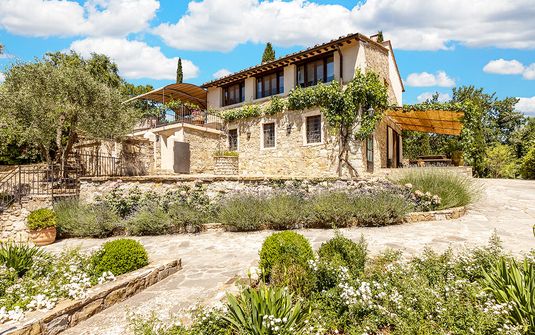
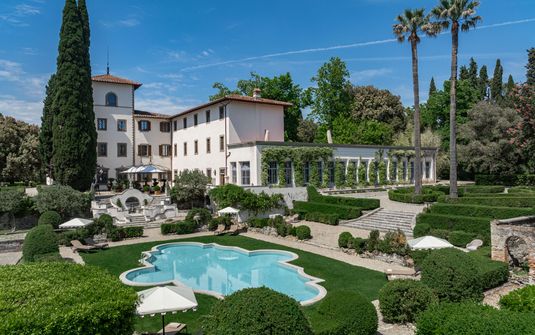
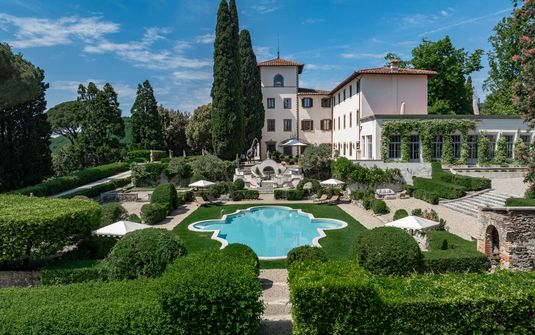
A formal Tuscan villa can express its distinction through an ordered façade, generous principal rooms and a deliberate relationship with its approach and garden. A farmhouse offers a different architectural history through gradual additions, substantial walls and ancillary volumes organized around practical exterior spaces. Both can be compelling private residences when restoration respects their underlying form. The home should retain its individuality, allowing historical proportions and materials to remain visible without requiring the household to inhabit an inconvenient or overly ceremonial interior.
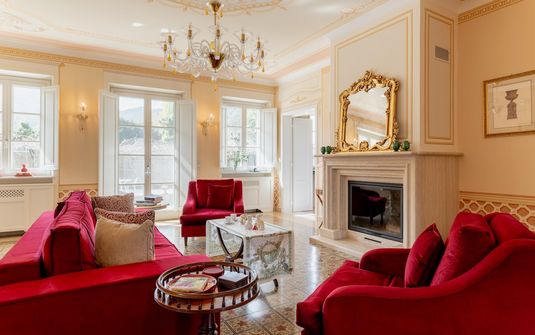
Contemporary furnishing can bring clarity to either setting. Carefully chosen pieces, tactile fabrics and restrained art placement allow original masonry, timber and openings to provide much of the character. A larger home benefits from rooms with different scales: the principal lounge establishes connection, while a library-like retreat or a quieter garden-facing interior supports another routine. Variety makes architectural substance livable, ensuring that the residence offers more than a sequence of impressive spaces with identical decorative treatment.
The Whole Household Considered
Suite arrangements should support both shared time and personal independence. Bedrooms within the main house create a closer domestic pattern, while guest buildings or separate wings can give couples and different generations more autonomy. The appropriate balance depends on the group, but the quality of private accommodation should remain consistent. A distinguished estate gives secondary suites considered proportions and outlooks, allowing every guest to feel settled rather than concentrating the property’s residential appeal in one exceptional principal room.
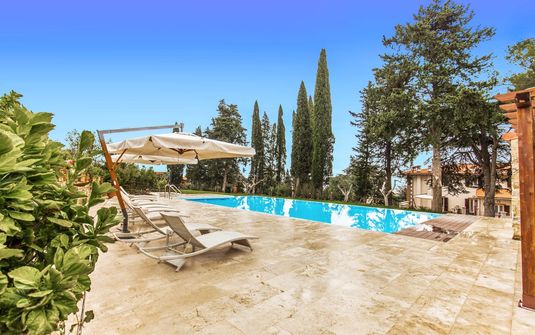
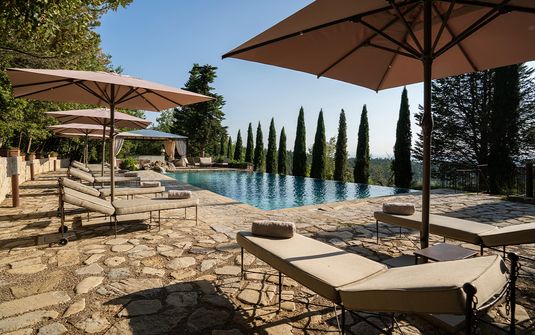
The grounds should offer a comparable range of atmosphere. A communal terrace close to the living rooms has a different role from a planted court or a smaller exterior setting beside private accommodation. Clear circulation between these areas helps the estate feel coherent rather than dispersed. Where household support forms part of the arrangement, practical ancillary spaces can preserve the calm of the main rooms. These quieter planning qualities often make the difference between a visually impressive property and a home that works naturally throughout a sustained stay.
A Personal Tuscan Residence
Tuscany’s luxury is most persuasive when it is expressed through the particular details of a house and its land. The depth of an old window, the scale of a courtyard and the view across a familiar garden can become defining parts of the household’s experience. Such qualities remain meaningful over time because they belong to the property itself. The residence provides an independent domestic center, allowing the region’s architectural and landscape identity to enter the stay without becoming an exaggerated theme.
A city address, a formal villa and a restored rural estate can each offer that experience when their privacy, proportions and setting are thoughtfully resolved. The enduring appeal is the coherence of the whole residence, with generous shared rooms supported by comfortable private retreats and grounds that belong naturally to the land around them. Tuscany then offers a refined stay with depth and individuality, giving the household a home whose character is unmistakable and whose atmosphere remains personal throughout.


