




Antigua and Barbuda: Two Island Landscapes for a Private Caribbean Stay
Antigua and Barbuda brings together two distinct island settings within the Caribbean. Antigua’s varied coastal ground, bays and higher southwestern landscape create a different spatial experience from Barbuda’s lower limestone terrain and long sandy shores. This distinction matters to a private stay because the residence responds to a particular place, rather than to one uniform national image. A house can feel closely enclosed by the curve of a bay, look outward from a more elevated site or establish its own garden-centred world within a broader coastal landscape.
The appeal of a private home lies in the personal relationship it creates between household and setting. A carefully arranged residence offers more than a principal sea view: its suites, shared rooms, grounds and exterior spaces allow guests to occupy the property in several different ways. The two islands provide different foundations for that experience, but the quality remains specific to the chosen address. Luxury is expressed through a coherent domestic setting, with rooms that feel comfortable in ordinary use and enough spatial variety to support both company and meaningful time apart.
Antigua: A Coast with Several Different Scales
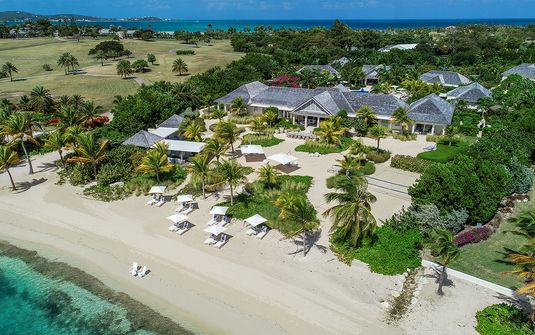
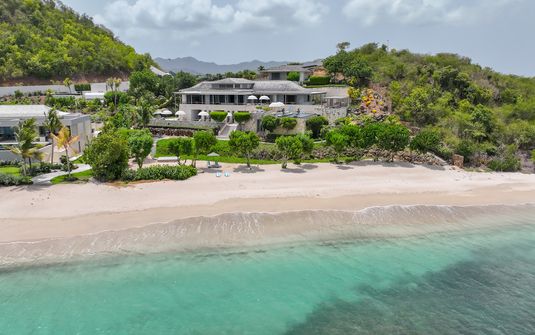
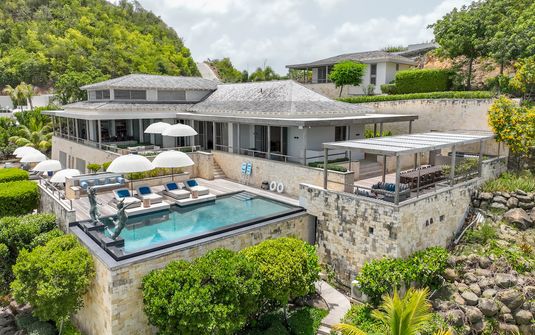
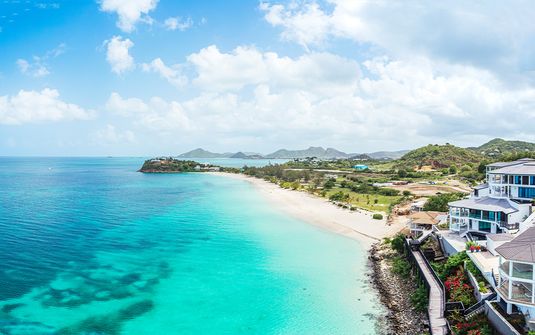
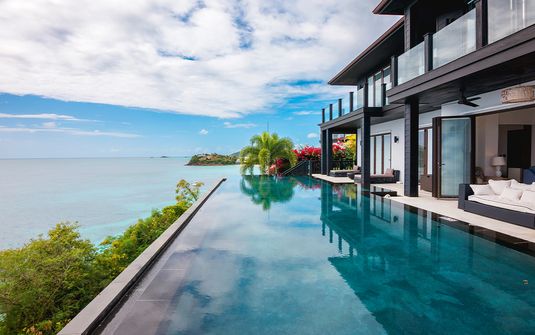
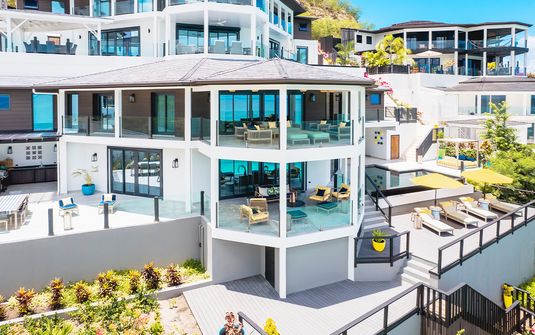
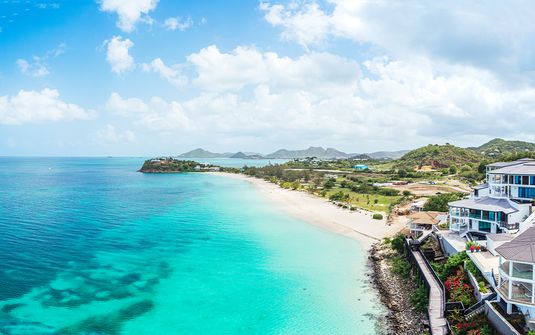
Antigua’s landscape includes older volcanic ground in the southwest and lower limestone terrain elsewhere, giving its coast a varied relationship to the land behind it. Some bays feel contained by surrounding ground, while other shorelines open more broadly toward the sea. These differences give private residences distinctive starting points. A hillside house may organise its rooms across several levels, while a lower coastal property can place its principal interior and terrace in a more continuous arrangement. Neither form is inherently more refined; the appeal comes from how clearly the house belongs to its actual site.
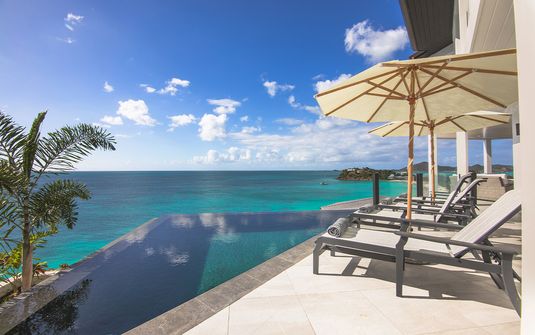
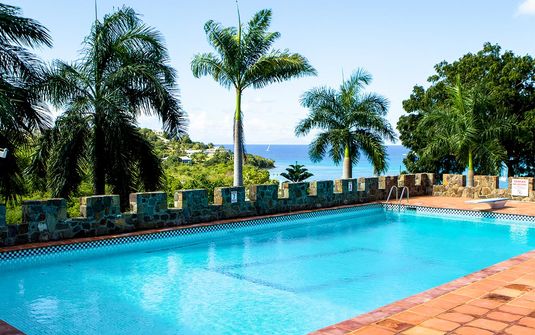
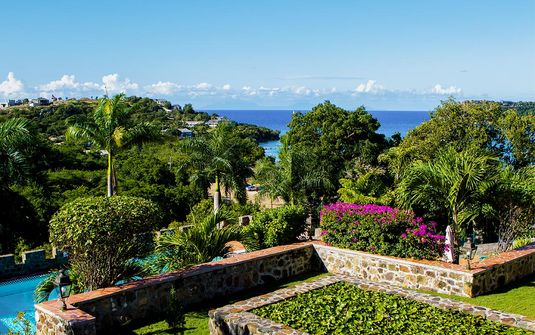
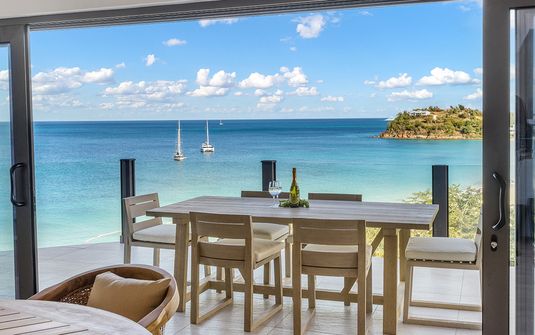
A bay-facing position can give the sea a recognisable foreground, with the curve of the shoreline providing shape within the view. Higher ground introduces another perspective, allowing coast, vegetation and the water beyond to appear as separate layers. The most rewarding residence makes these distinctions part of its architecture. Principal rooms can acknowledge the wider outlook while quieter accommodation faces a private court or garden, giving the house depth beyond one panoramic facade. The island remains present in several forms, with the near landscape carrying as much domestic importance as the distant horizon.
Barbuda: Limestone Ground and a Longer Coastal Horizon
Barbuda offers a more restrained topographical composition, with low limestone ground and broad sandy coasts creating a strong horizontal sense of space. Its pale and pink-tinged shoreline is part of a landscape in which the meeting of land and sea can feel unusually prominent. A private residence in this context relates to a different scale from an Antiguan hillside home. The building’s profile, its immediate grounds and the depth of its covered exterior rooms become especially influential, giving the household a comfortable domestic foreground within the wider openness of the island.
Codrington Lagoon adds another dimension to Barbuda’s coastal identity, introducing an inland water landscape alongside the open sea. The island’s character is therefore not reducible to beach frontage alone. A home can acknowledge its setting through a measured architectural profile, a sequence of planted courts or rooms that open selectively toward the wider surroundings. The most convincing private atmosphere comes from that balance between openness and enclosure, with the residence providing intimacy and comfort while allowing the scale of the island landscape to remain legible beyond its own boundary.
Architecture with a Clear Relationship to Place
Verandas, Pavilions and Contemporary Coastal Forms
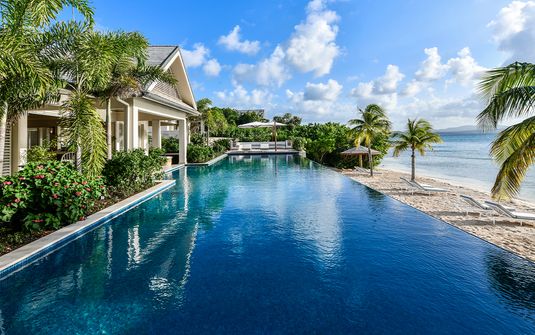
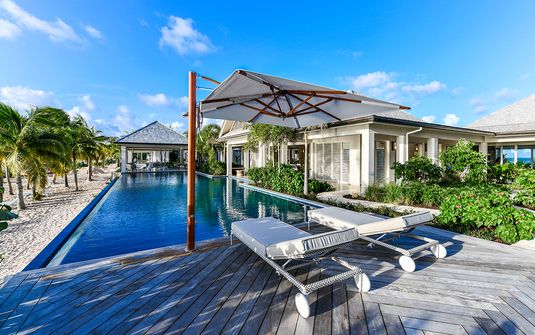
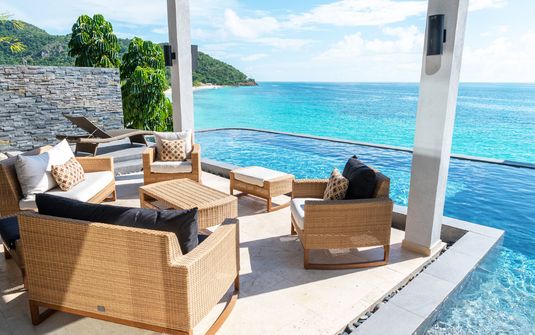
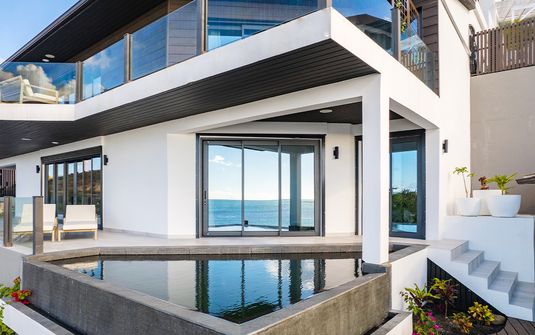
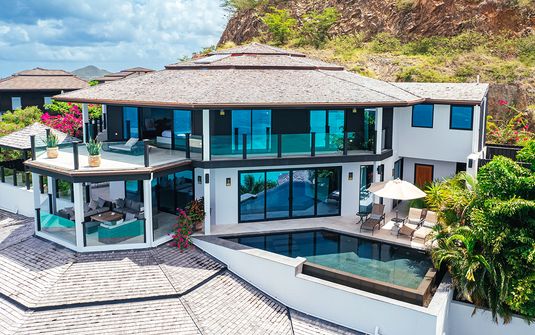
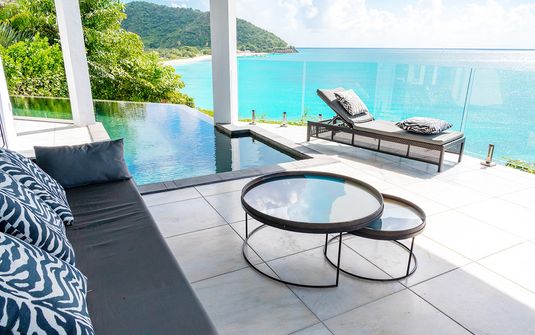
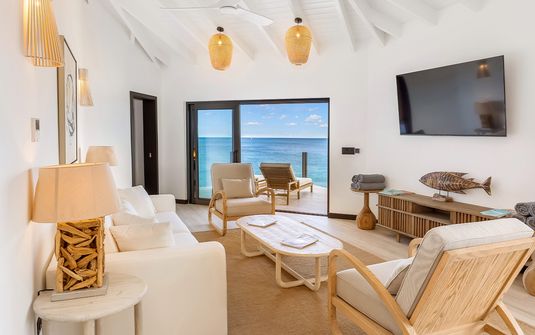
Caribbean-influenced houses can create a natural domestic rhythm through pitched roofs, verandas and smaller linked wings. Contemporary residences may use simpler volumes, broader glazing and a clearer horizontal relationship to the landscape. Both approaches can work well when their proportions suit the actual ground. A deep covered terrace can feel like a full room beside the main interior, while a private courtyard gives more enclosed accommodation an attractive setting of its own. The quality lies in how these spaces relate, with each threshold offering a considered transition rather than an abrupt opening from house to panorama.
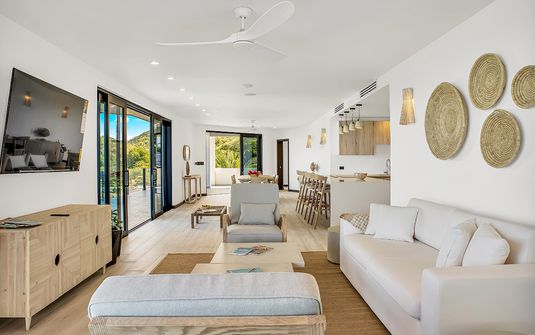
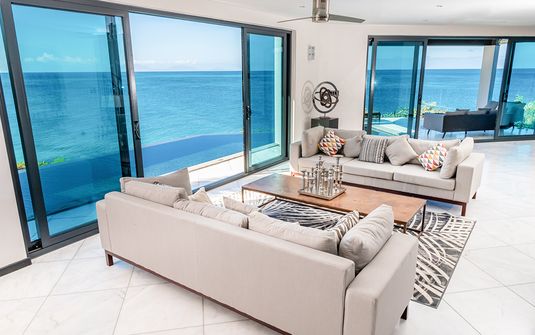
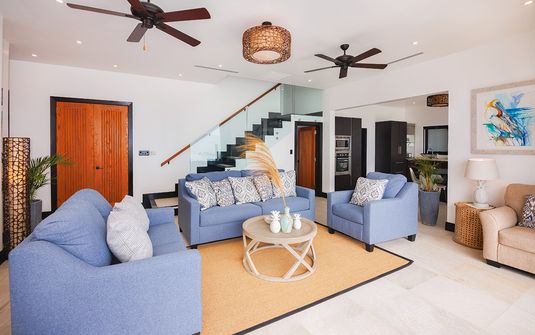
Material detail gives that architecture a more intimate scale. Timber joinery, textured masonry and natural fabrics can create warmth without overwhelming the coastal setting. A principal lounge may remain light and outward-looking, while a bedroom introduces a quieter atmosphere through its finishes and furnishings. The house becomes richer when these spaces have individual character rather than repeating one decorative treatment everywhere. A few recurring materials provide coherence, allowing the residence to feel composed while giving each room a distinct purpose and a particular relationship to the surrounding grounds.
Privacy within a Shared Household
For families or private groups, the arrangement of accommodation determines how comfortably different daily rhythms can coexist. Separate suites, quieter wings and independent guest rooms can provide meaningful retreat without weakening the sense of one shared home. The main lounge and terrace remain natural gathering points, while smaller settings offer alternatives for reading, conversation or focused work. A residence feels generous through this variety, with spaces that suit only a few guests as naturally as the whole household. The value is in the usefulness of the plan rather than the number of rooms alone.
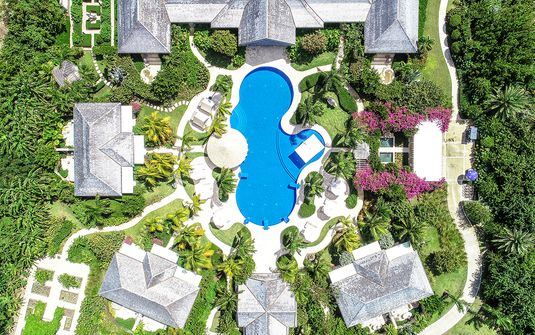
Privacy at the property boundary is equally specific to the site. A broad outlook or a spacious parcel does not by itself establish seclusion. The position of neighbouring buildings, the direction of bedroom windows and the treatment of exterior rooms all influence the atmosphere within the grounds. Planting can protect an intimate court while leaving a principal view open, and masonry can give a suite a more enclosed setting. These decisions create a private domestic world within the actual island context, allowing the residence to feel connected to place without making every interior equally exposed.
The Domestic Depth of a Longer Stay
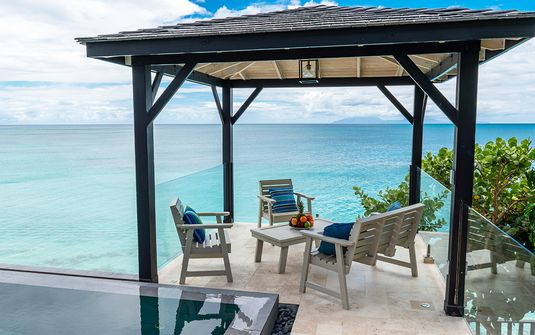
Over an extended stay, smaller qualities become increasingly important. Comfortable furniture, good lighting and attractive close views into the grounds sustain rooms whose appeal might otherwise depend entirely on the coast. A quiet interior seat, a bedroom with its own modest exterior corner or a planted passage between wings can become familiar parts of the household’s routine. These settings give the residence depth beyond its most impressive shared space, allowing guests to settle into the house and enjoy time together without needing to occupy the same room throughout the day.
Antigua and Barbuda offers two different landscapes within one national destination, with the character of a private stay rooted in the actual island, site and residence. Antigua’s varied ground and Barbuda’s lower coastal scale provide distinct architectural possibilities, but a rewarding home shares certain domestic qualities: coherent rooms, considered grounds and a clear balance between openness and enclosure. Luxury feels personal when those elements work together, giving the household a place with its own identity and enough comfort, privacy and spatial variety to make a longer Caribbean stay feel settled and individual.


