




St. Peter: Private Coastal Homes with a Distinct North-West Barbadian Character
St. Peter brings an established north-western residential setting to Barbados, with individual bays, mature grounds and several different forms of private home. Within the wider Caribbean, its appeal is more varied than one image of a large beachfront estate. A residence can sit close to the sand, occupy a garden-rich parcel or form part of a small coastal collection, with each arrangement giving the household a different domestic experience. The actual property determines how the setting feels from within, balancing the wider shoreline with rooms and exterior spaces that remain personal.
The parish has a recognisable local context beyond the boundary of the house. Coastal settings such as Gibbes and the wider residential landscape give each address a place within northern Barbados, while the architecture establishes its own degree of privacy. A home becomes rewarding when the principal outlook is supported by quieter interiors and an attractive close foreground. Gardens, courts and smaller exterior rooms allow the household to occupy the residence at several scales, creating enough variety to sustain a longer stay rather than relying entirely on one expansive terrace or view.
A Shoreline Experienced through Individual Bays
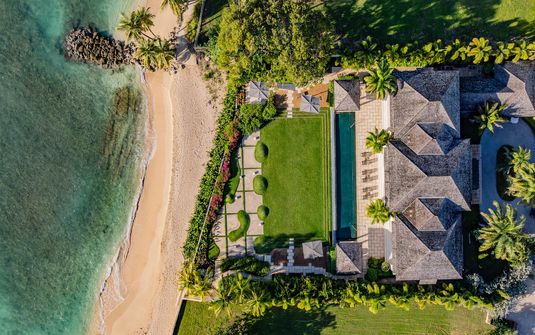
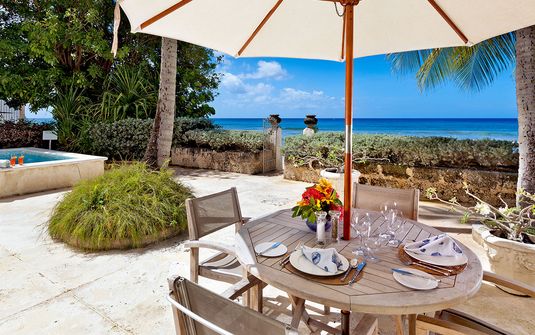
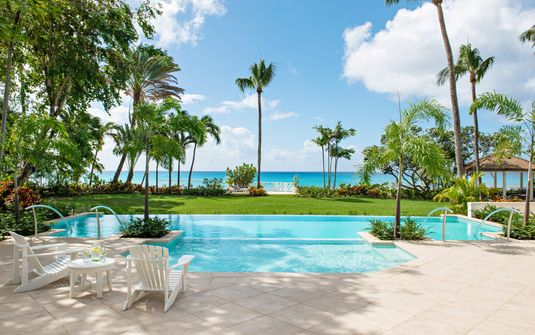
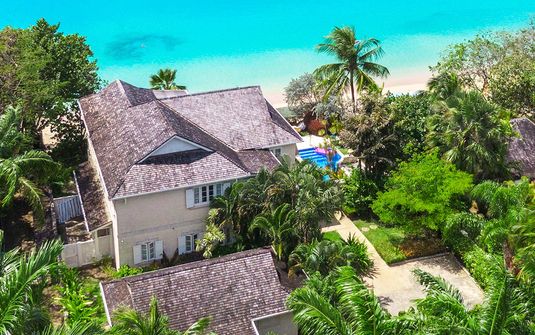
The shape of a bay can give a St. Peter residence a more intimate coastal composition than an uninterrupted horizon. A principal room may frame pale sand and nearby vegetation before the wider water, while a private suite offers a more selective aspect. These differences matter to the atmosphere of the stay. A house closer to the shore has another relationship to the landscape from one with deeper grounds, and the most convincing architecture makes that actual position clear. The residence feels grounded in its site because its rooms respond to the setting at several different levels.
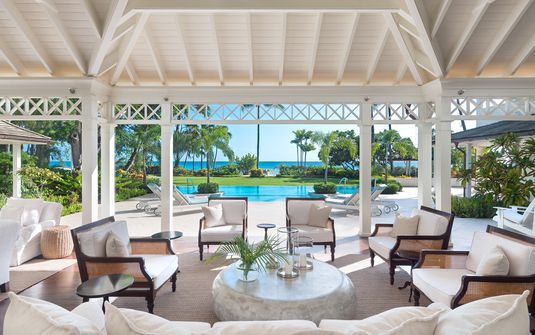
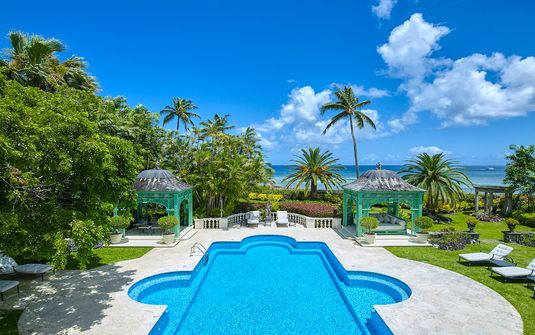
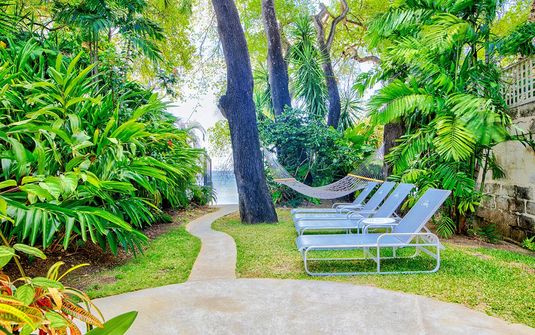
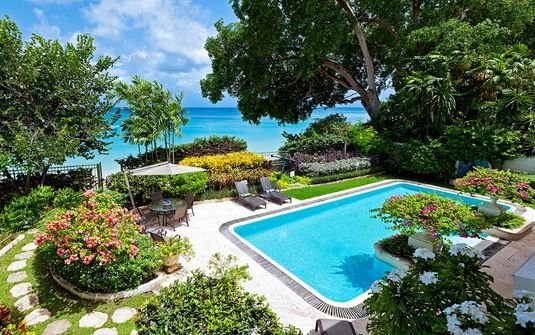
A coastal garden provides a useful transition between the building and the wider shore. Planting can create enclosure beside a bedroom, while a main terrace remains more open to the bay. Defined edges and covered exterior rooms introduce a domestic scale, giving guests attractive places to occupy rather than simply viewpoints outside the house. The result is a residence with depth, where smaller garden compositions and quieter interiors remain appealing alongside the broader outlook. The landscape enriches a complete home, with enough variation to support both shared time and individual retreat.
Emerald Beach: An Intimate Collection at Gibbes Bay
Individual Houses within Shared Grounds
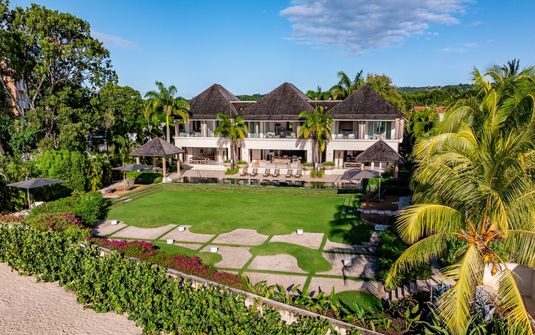
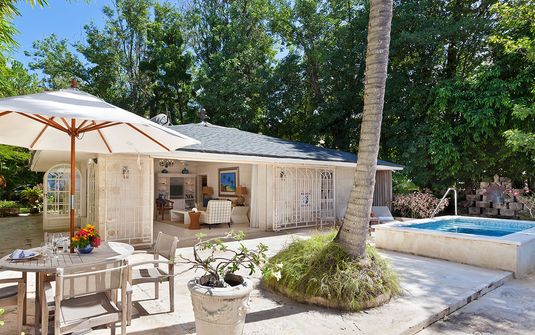
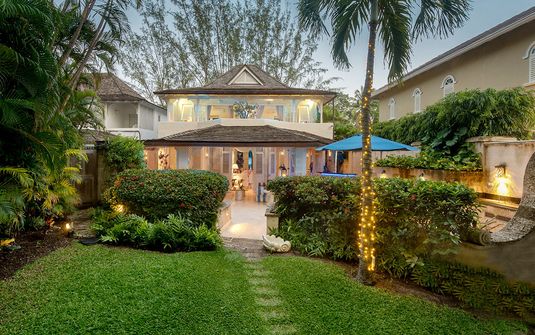
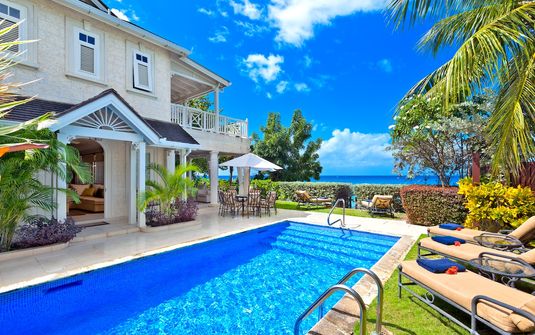
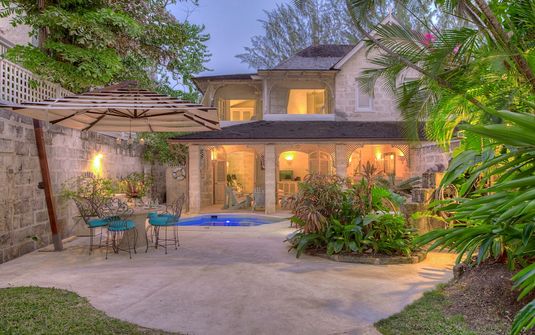
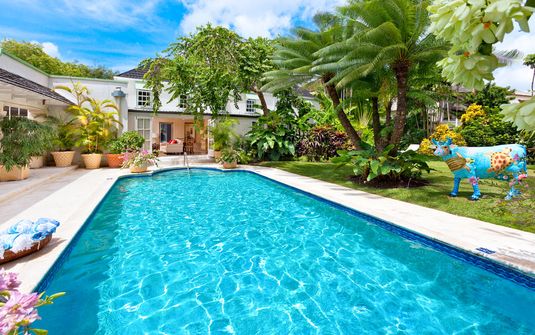
Emerald Beach provides a specific example of the more contained coastal format represented in St. Peter. Its small collection of villas occupies landscaped grounds beside Gibbes Bay, with the individual houses retaining their own domestic centres within the wider setting. The arrangement differs from a single extensive estate, giving the household a private residence within a recognisable collection. Bedrooms and patios provide different relationships to the coast, while the main living spaces create a shared centre. The appeal lies in the clarity and usefulness of the individual home as much as its close association with the shore.
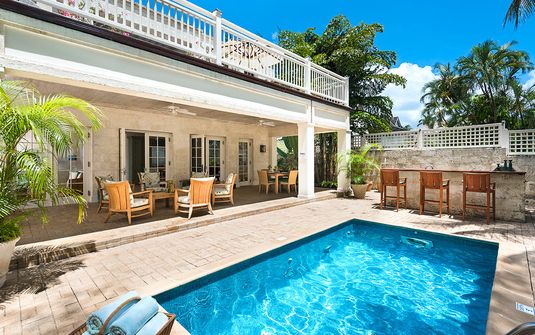
The collection’s shared saltwater pool is part of the broader residential setting, while the houses provide their own interior and exterior spaces. This distinction is important to the character of the stay: privacy is experienced within the particular residence rather than through the assumption that every amenity belongs exclusively to one household. A well-proportioned principal room, separate accommodation and comfortable private patios can create a complete domestic world within that format. The residence feels generous through the coherence of its rooms and the way they relate to the landscaped grounds around it.
A Larger Estate and the Role of the Garden
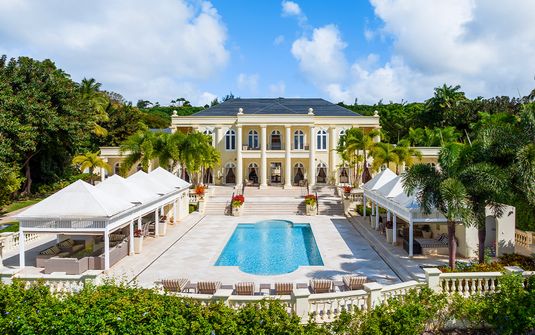
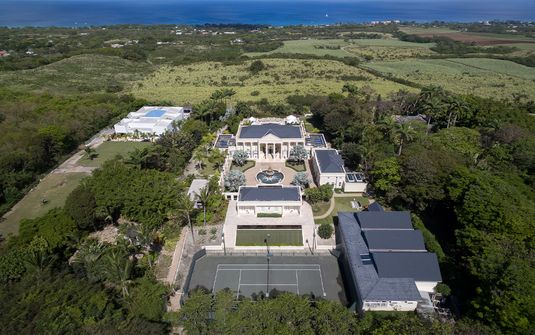
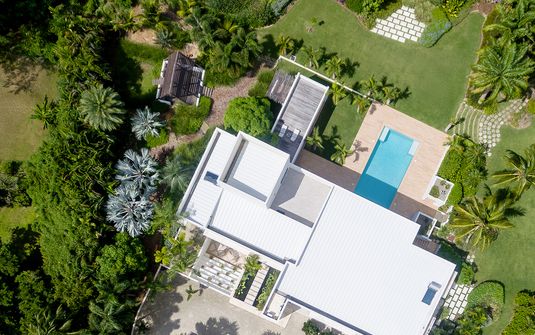
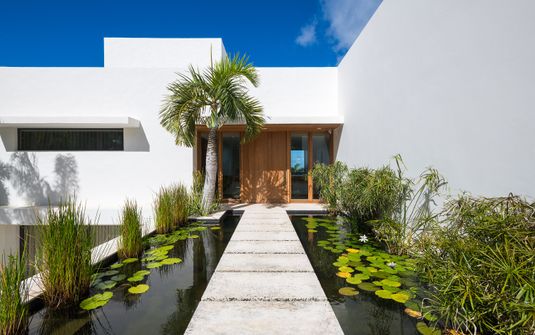
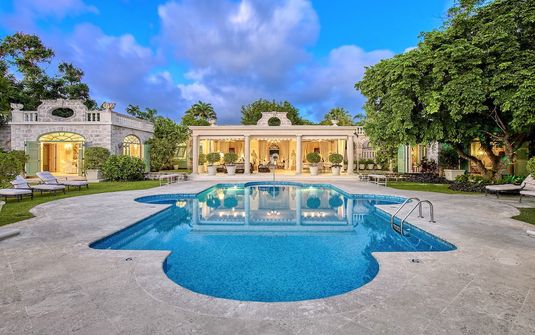
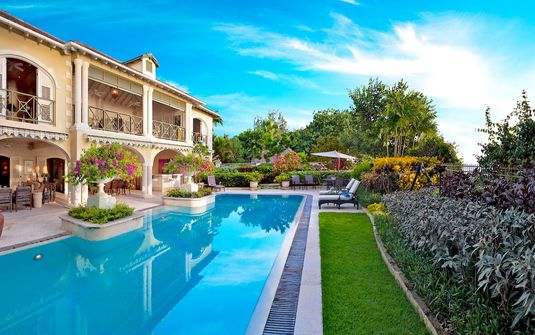
Greensleeves illustrates a more substantial architectural scale within the residential collection associated with the parish. Its seaside setting and extensive gardens give the house a broad private foreground, while a distinctive entrance rotunda connects the architecture to the wider outlook. The landscape design creates a sequence of spaces rather than leaving the grounds as an undifferentiated open area. This gives a larger property several domestic settings, allowing the household to occupy quieter corners as well as more expansive shared rooms. The estate’s character comes from the relationship between architecture and garden as much as from its size.
A residence with several garden settings can remain intimate when its spaces have clear purposes. A planted court provides one mood, a more open terrace another, and independent guest accommodation introduces a further degree of privacy. The connections between those elements determine whether the home feels coherent. A larger household can gather naturally in a principal room while retaining places apart, with the grounds making the spaces between interiors attractive in their own right. The estate becomes comfortable through this variety, allowing its scale to support everyday private life rather than simply creating an impressive exterior composition.
Interior Character beyond the Coastal View
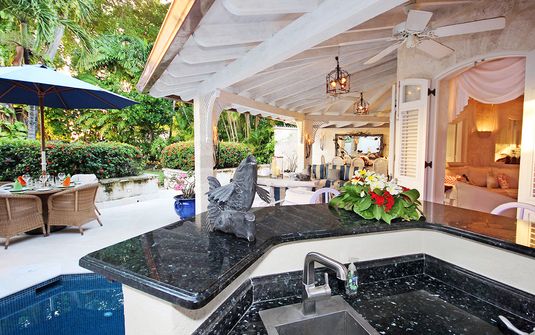
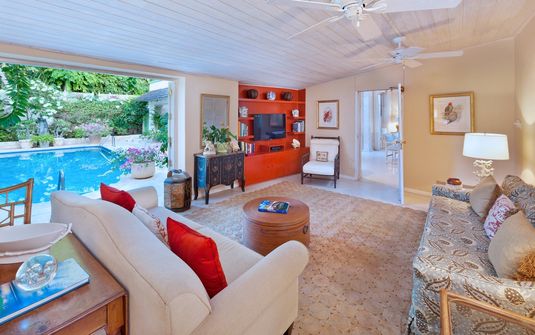
Materials and furnishings give the private rooms another layer of identity. Timber detailing, textured walls and comfortable seating can bring warmth to interiors whose wider setting is open and coastal. A bedroom may feel quieter and more enclosed than the main lounge, while a garden-facing room offers another visual centre within the residence. The home becomes richer when these spaces differ in mood without losing their relationship to one another. Recurring details create continuity, allowing the interiors to remain rewarding independently of the principal panorama and making the house appealing through ordinary use over time.
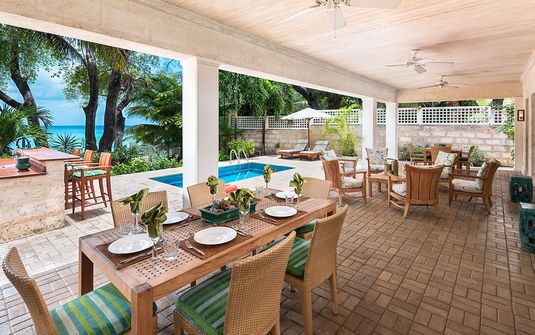
Exterior rooms deserve the same attention to comfort and proportion. A deep veranda can feel like a natural extension of the lounge, while a smaller terrace beside a suite gives guests a more personal setting. Their different scales make the residence easier to share, with places that suit a few people as naturally as the whole household. Furniture, planting and the depth of enclosure determine how useful these spaces become. The house feels generous because it offers several attractive ways to spend time together or apart within one clearly private domestic setting.
Discretion within an Established Coastal Parish
Privacy in St. Peter remains specific to the chosen home. The direction of neighbouring windows, the placement of terraces and the depth of the grounds influence how secluded a particular room or exterior space feels. Within the residence, separate suites and quieter circulation provide another degree of retreat. These resolved relationships matter more than a general description of the whole parish as isolated. A comfortable house acknowledges its actual surroundings while creating rooms and garden settings that feel distinct, allowing the household to enjoy the wider coastal context without every private space remaining exposed to shared life.
St. Peter offers several forms of private residential life within a recognisable north-western Barbadian landscape. A villa in a small coastal collection, an individual garden home and a larger seaside estate each provide a different foundation for a stay. The most rewarding residence brings its actual site, rooms and grounds into a coherent whole, balancing openness with enclosure and shared spaces with personal retreat. Luxury feels grounded in place when the home remains comfortable beyond its first impression, offering enough architectural character and domestic variety to sustain an extended island stay.


