


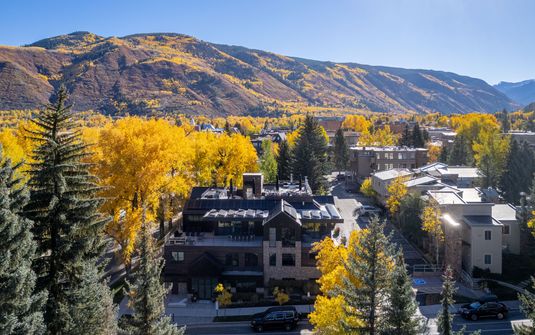


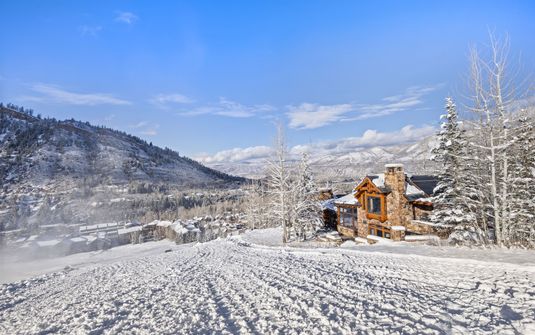
Aspen combines the intimate scale of an established mountain town with the breadth of the surrounding Elk Mountains. The Roaring Fork Valley gives the landscape a clear direction, while wooded slopes, open ground and substantial ridges create several different residential settings within the same destination. A private home can feel connected to the town's architectural texture or more closely enclosed by trees and mountain contours. The appeal lies in that variety. A thoughtful residence gives the landscape a personal scale, with generous shared rooms and quiet suites that allow the household to inhabit a particular place rather than experience the mountains only as a panoramic backdrop.
Within Colorado, Aspen offers a private-stay atmosphere shaped by both town and terrain. Its domestic architecture ranges from traditional forms with a recognizable mountain character to contemporary houses that frame the land with greater restraint. The individual site determines the experience. A garden-centered residence near the built fabric has a different rhythm from a house arranged across a wooded slope, and both can offer refinement when their plans are coherent and comfortable. The strongest stay comes from a home whose materials, private spaces and outlooks belong to its setting, giving the destination depth beyond a single generalized image of a mountain estate.
Luxury Private Homes in Aspen
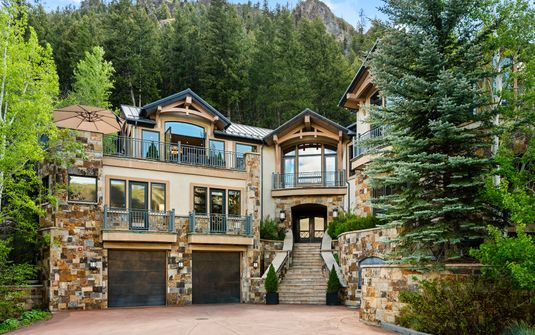
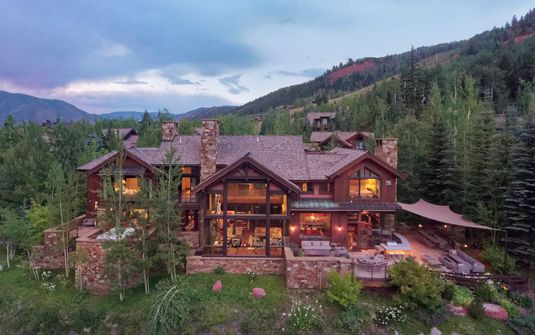
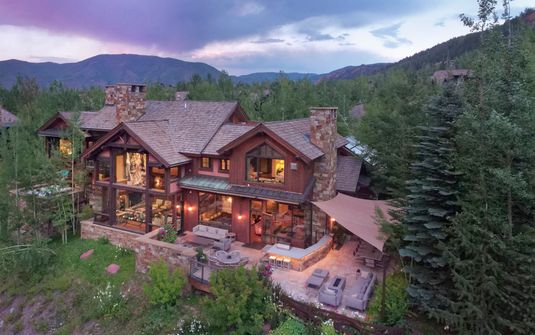
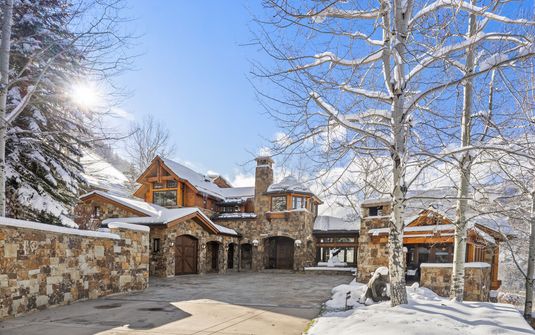
A mountain residence gains much of its character from the balance between enclosure and openness. Substantial timber, stone and clearly expressed roof forms give rooms a sense of shelter, while carefully placed openings keep the surrounding landscape present. The architecture feels most convincing when it has a comfortable human scale within its larger volumes. A generous salon needs intimate places to sit, and a broad view benefits from a substantial foreground. This balance gives the house authority without making it formal or impersonal, allowing guests to appreciate the mountains while remaining equally comfortable with the materials and proportions of the room itself.
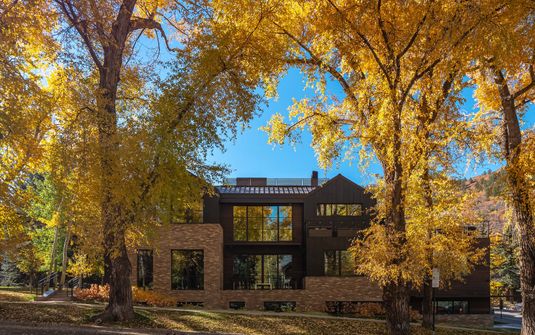
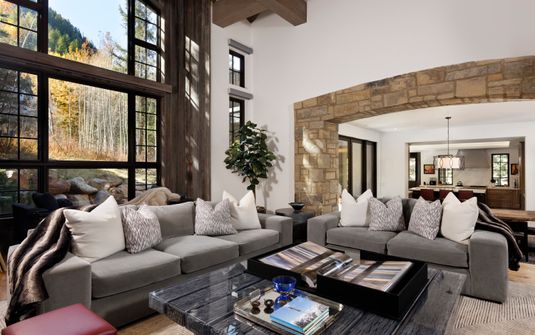
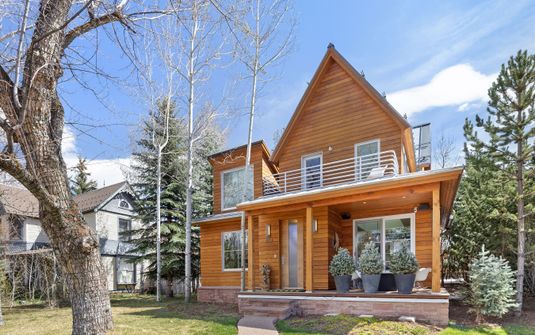
Contemporary Aspen homes can express that relationship through simple volumes and precise detailing. Broad glazing may reveal a ridge or forested slope, while solid walls provide a quiet frame for artwork, joinery and the more enclosed parts of the plan. Timber and textured stone bring warmth to the composition, preventing openness from becoming abstract. The house gains depth when different rooms have distinct relationships with the exterior. A shared level can feel expansive, while a suite looks toward a selective section of trees or a private court. The architecture offers several atmospheres within one coherent residence rather than repeating the same panorama everywhere.
More traditional houses can provide a richly layered interior experience. Varied roof heights, substantial hearths and timber-lined spaces create rooms with different scales, allowing a generous property to retain the intimacy of a private home. The quality lies in how these spaces connect. A quiet passage, a comfortable stair or a sheltered landing can make the transition between shared and private areas feel natural. The residence is most persuasive when its material richness is balanced by clear furnishings and legible circulation, giving the household a house that is easy to inhabit rather than a collection of decorative mountain references placed inside oversized rooms.
The Roaring Fork Valley as a Residential Landscape
The valley gives Aspen a sense of geographical depth. Open ground and the line of the surrounding slopes create a larger frame beyond the immediate property, allowing a residence to feel connected to the mountains even where its closest outlook is directed toward trees or garden. A broad room may hold the larger composition, while a smaller window selects a particular ridge or section of woodland. These different views enrich the house. Guests encounter the destination through several distinct architectural moments, with each room offering a specific balance of breadth and intimacy rather than relying on one repeated panoramic image to establish the property's character.
The Elk Mountains provide the setting's substantial background, but their scale is most engaging when the foreground has its own texture. Trees, planted edges and the immediate land around the house give the eye a human measure before it reaches the ridges. A thoughtful residence acknowledges these near details instead of treating them as obstacles to a distant view. A tree beside a terrace or a stone edge near a window can make the landscape feel closely connected to the interior. The property becomes rooted in a particular site, allowing the household to appreciate both the wider mountains and the quieter forms immediately around the home.
Aspen trees contribute a distinctive vertical rhythm and a lighter visual texture beside darker conifers and more substantial mountain forms. A room framed by trunks can have an intimate atmosphere even within a large residence, providing a counterpart to the broad shared salon. The forest does not need to be experienced only as a distant backdrop. It can become the principal subject of a private suite or a smaller sitting room, giving the house several different moods. This variety matters during a longer stay, allowing guests to choose between openness and enclosure while remaining within one comfortable and coherent private setting.
A Town with an Architectural Identity of Its Own
Aspen's established town fabric adds another layer to the residential experience. Traditional facades, rooflines and the scale of individual buildings provide a context that differs from a remote estate landscape. A private house can belong to that setting while creating a quiet world behind its frontage. A planted threshold or an inward-facing room can preserve discretion, and an upper opening may reconnect the interior with a broader mountain frame. The contrast gives the home depth. Guests inhabit a real place through architecture that selects how the surroundings are experienced, rather than a residence whose privacy depends on removing every sign of the town beyond its boundaries.
A house farther into a wooded or more open setting has a different relationship with the destination. Its plan may be shaped more directly by contours, trees and the orientation of the mountain view. Separate wings can create personal retreats, while a central shared room gives the household a clear point of connection. The experience is strongest when these elements remain legible and comfortable. Generosity should support domestic ease, not replace it. A well-composed property gives each room a reason to exist and makes the spaces between them engaging, allowing a substantial residence to feel personal at the scale of an individual guest as well as the full household.
The approach can establish this character gradually. A planted entrance, a substantial door and a quiet first room give arrival a human scale before the broadest outlook appears. A framed glimpse of mountains or trees can be more evocative than a panorama presented without transition, particularly when the surrounding materials have their own depth. These thresholds become familiar parts of the home during a stay. Their care reveals whether the property has been considered throughout, ensuring that passages, landings and entrance courts contribute as much to the residence's coherence as the principal salon and most expansive terrace.
Interiors with Mountain Substance and Personal Warmth
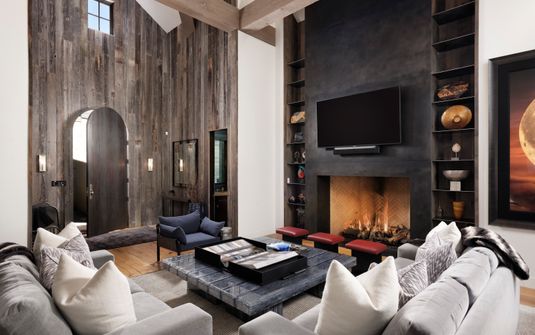
The interior palette can draw on the setting without becoming a literal mountain theme. Timber provides warmth, stone gives weight and textiles soften the larger architectural surfaces. Selected artwork and crafted furnishings introduce individuality when they have enough space around them, allowing the room's proportions to remain clear. A residence feels collected when its objects respond to the particular spaces in which they sit, rather than following one decorative formula throughout the house. This gives the stay lasting interest. Guests can appreciate a comfortable chair, the texture of a surface or the precision of joinery as part of a personal home whose quality extends beyond its mountain outlook.
The principal salon should support the household naturally, with seating grouped for conversation and clear routes toward the terrace or adjoining rooms. Solid walls provide another point of focus through artwork, books or the substance of the material itself, balancing the open side of the room. A smaller sitting area can offer a different scale, perhaps directed toward trees or more enclosed within the plan. These spaces make the property accommodating when fully occupied. Guests have choices within one residence, allowing shared and personal preferences to coexist without requiring the same room or the same degree of openness to serve every part of the stay.
Private suites benefit from a quieter atmosphere and a clear sense of completeness. Generous storage, a comfortable place to sit and well-positioned lighting support the daily experience of each guest, while a selective outlook gives the room a personal relationship with the site. A forest-facing suite can feel as considered as one with a broad mountain view when the quality of the room itself is consistent. This evenness matters in a shared house. Differences in position add character without creating a sharp hierarchy of comfort, ensuring that the residence's generosity is experienced privately as well as through its largest shared spaces.
Privacy and Exterior Rooms in the Mountain Setting
Discretion depends on the plan and the particular plot, even where the surrounding landscape feels expansive. A wooded boundary can provide enclosure, but the orientation of terraces and bedroom openings still requires care. On a sloping site, neighboring levels can influence how comfortably private spaces are used. Walls, offsets and planted edges can resolve those relationships without closing the house to its outlook. The internal arrangement is equally important. Guests should be able to reach their suites without crossing another person's retreat, allowing the household to move between sociability and privacy naturally and giving the residence a quiet sense of confidence when fully occupied.
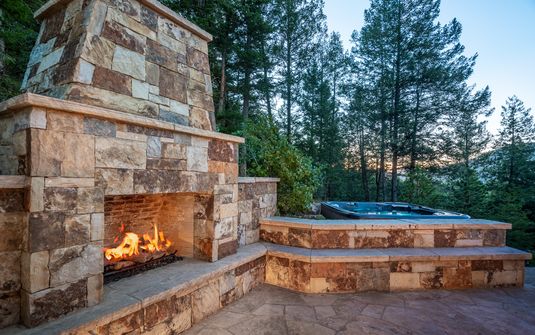
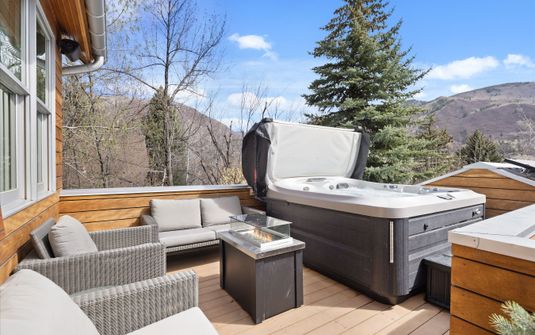
Terraces and quieter exterior spaces can offer distinct relationships with the mountains. A broad shared level may reveal the larger view, while a smaller forest-side area provides a more intimate atmosphere. Comfortable furnishings, a sheltered section and clear circulation give each space practical substance, making the exterior part of the home rather than an empty platform. Bathrooms complete the private experience through generous surfaces, intuitive lighting and restrained materials, with protected openings toward greenery where the plan allows. These details extend the residence's quality into the quieter and more repeated parts of a stay, ensuring that comfort is not concentrated only in the rooms with the broadest mountain panorama.
Aspen within the United States
Among the private-home settings of the United States, Aspen offers a distinctive meeting of established town and substantial mountain landscape. Its appeal comes from the ability of a residence to make both feel personal, whether through a planted court within the built fabric or a forest-framed room on rising ground. The individual house remains decisive. Its orientation, materials and private spaces shape how the destination is experienced from within, giving the stay a specific character rather than a uniform mountain-estate identity. A thoughtful home balances architectural depth with everyday ease, allowing the household to appreciate the setting while remaining entirely comfortable in the residence itself.
A Private Stay with Aspen’s Mountain Character
Aspen is most rewarding when the house brings its contrasting scales into a coherent domestic world. The mountains provide breadth, the trees offer intimacy and the town adds an established architectural context. Thoughtful rooms, well-defined terraces and private suites make those elements comfortable to inhabit, giving the household several atmospheres within one home. LaCure's perspective centers on that complete residential experience. The lasting appeal comes from a stay with individuality and substance, where the landscape remains unmistakably present but the materials, proportions and quiet personal spaces of the residence make it feel natural to settle.


