




The Bahamas: Private Homes across Distinct Atlantic Island Landscapes
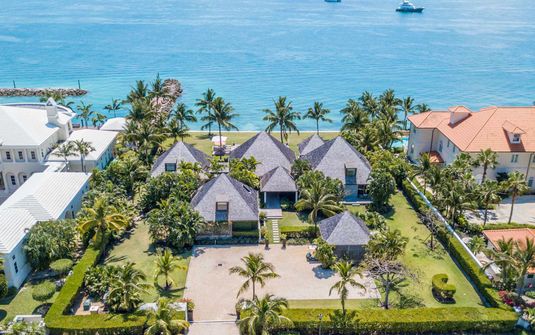
The Bahamas brings a distinctive Atlantic island geography to the wider Caribbean world, with a dispersed archipelago whose private residential settings vary considerably. Low islands, sandy cays, established towns and more formal coastal estates offer different foundations for a stay. The appeal is therefore not one uniform idea of seclusion. A house may feel closely connected to a small island community, occupy a more independent waterfront site or establish its own garden-centred world within a developed residential area. The actual island and residence give the experience its particular character.
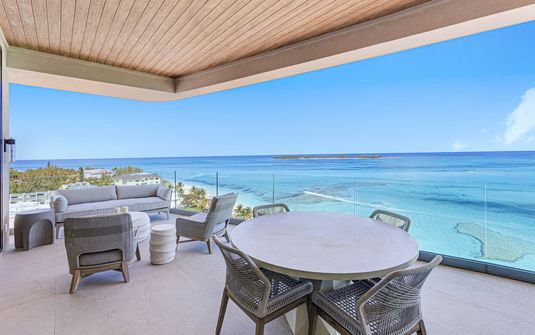
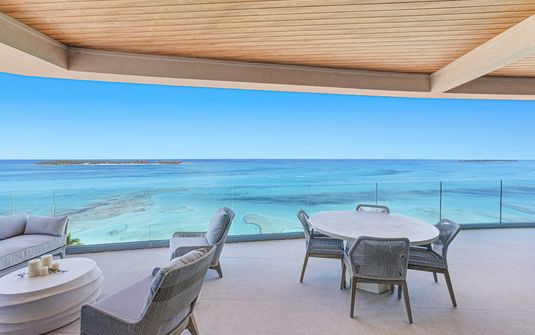
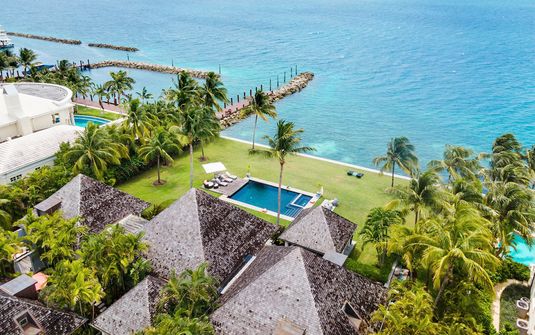
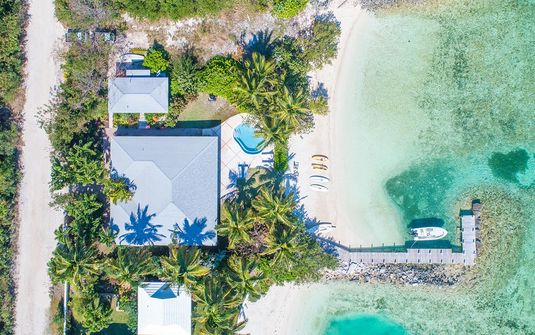
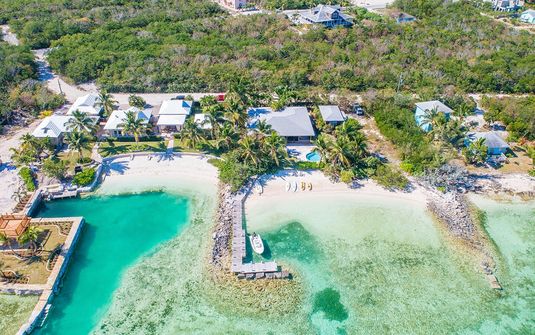
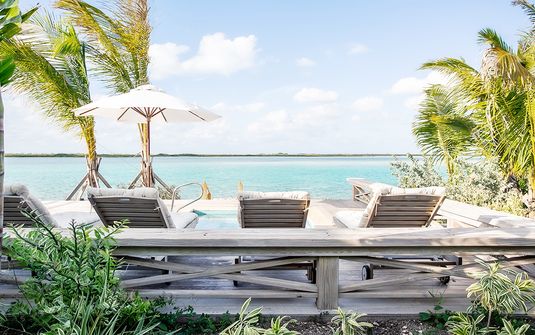
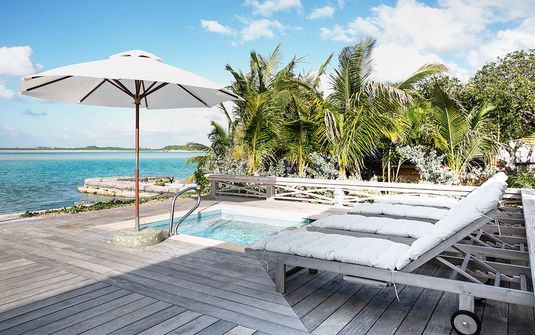
Water is a constant visual reference, but its relationship to the house changes from one setting to another. A shallow coastal foreground offers another composition from a wider ocean prospect, and a harbour-facing residence differs again from a home behind planted boundaries. These differences give Bahamian private living its depth. The architecture can open broadly toward the landscape while retaining rooms with their own intimate atmosphere, allowing a household to enjoy both the scale of the wider setting and the smaller domestic qualities that make an extended stay feel personal.
Island Settings with Different Residential Characters
Exuma
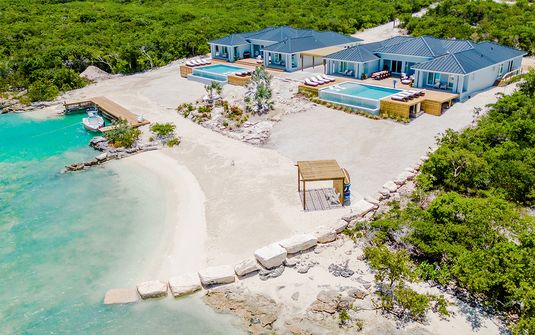
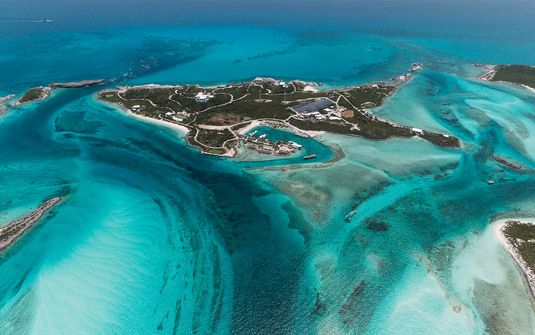
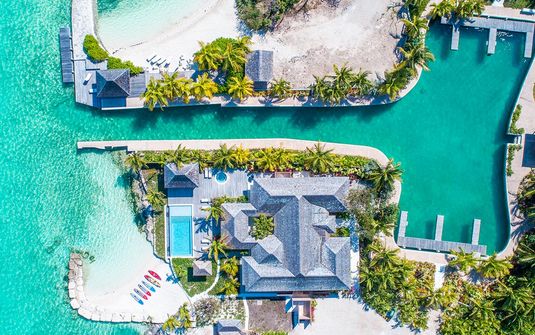
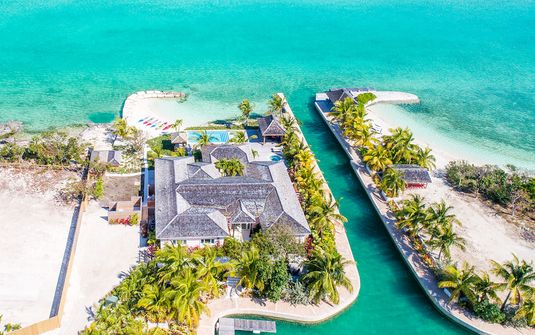
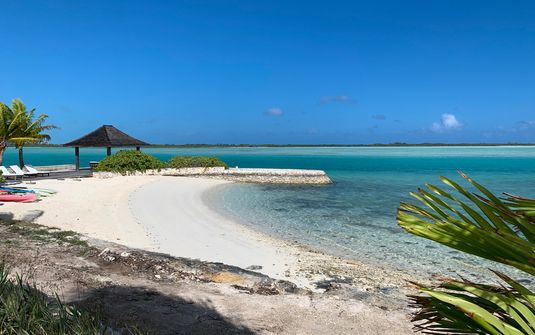
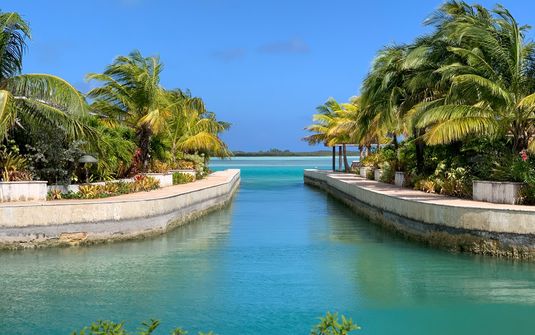
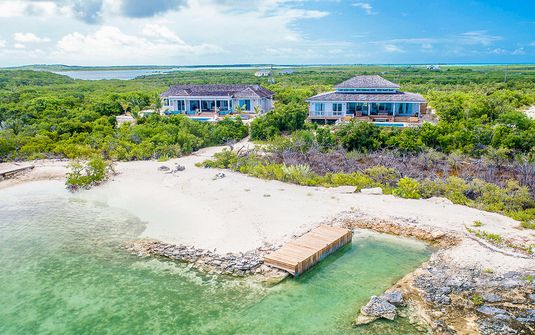
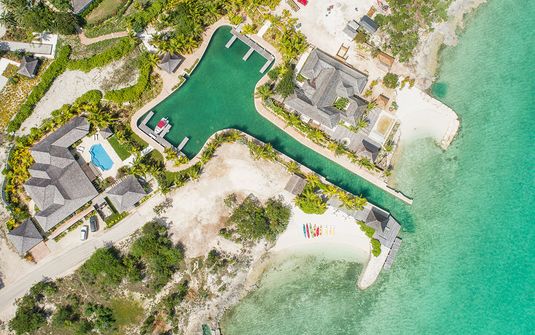
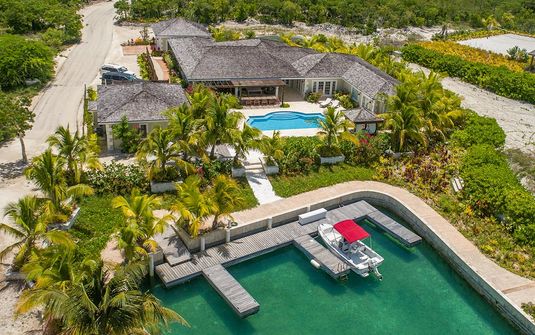
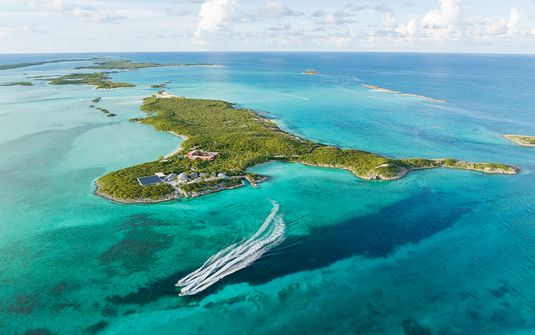
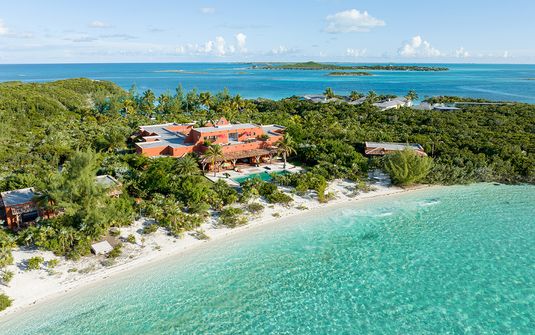
Exuma introduces an archipelago within the archipelago, with a chain of islands and cays giving the destination a particularly varied relationship between land and water. A private residence can face a close sandy shore, a more sheltered channel or a wider coastal outlook according to its position. This variety matters more than a general promise that every address is remote. The strongest sense of place comes from the actual site: the colour and scale of its foreground, the arrangement of its grounds and the way its principal rooms acknowledge the surrounding water while private suites retain their own character.
Grand Bahama Island
Grand Bahama Island offers a more substantial island setting, with established residential areas and a wider range of coastal and garden-centred homes. The appeal can be domestic and settled, with properties whose grounds provide a clear private foreground rather than relying entirely on an immediate shoreline. A larger household may find value in rooms arranged around several exterior spaces, allowing guests to be together or apart naturally. The character of the stay depends on the individual address, with orientation, boundaries and the relationship between shared rooms and private accommodation shaping how open or enclosed the residence feels.
Harbour Island
Harbour Island has a more intimate scale, combining the residential character of Dunmore Town with the pink-toned sandy coast on its Atlantic side. The island’s established architectural language gives a private home a recognisable context beyond its boundary, with cottages, verandas and individual garden settings contributing to a more settled atmosphere. A residence can draw on that character without becoming purely traditional in its interiors. The appeal lies in a home that feels personal and appropriate to its setting, with comfortable shared rooms and quieter accommodation that retain the intimacy associated with a smaller island address.
Nassau
Nassau brings an urban and architectural dimension to Bahamian private living. Set on New Providence, the capital has a visible colonial building tradition and a residential landscape that extends beyond its historic centre. A private house can therefore belong to a more inhabited setting while creating its own enclosed domestic world through gardens, courts and carefully oriented rooms. The attraction is a balance of local context and personal space. The residence feels connected to a recognisable city, yet its principal interiors and private grounds establish an atmosphere shaped by the household rather than by the wider urban scene.
Paradise Island
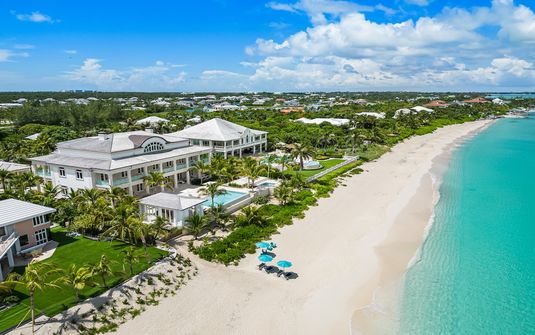
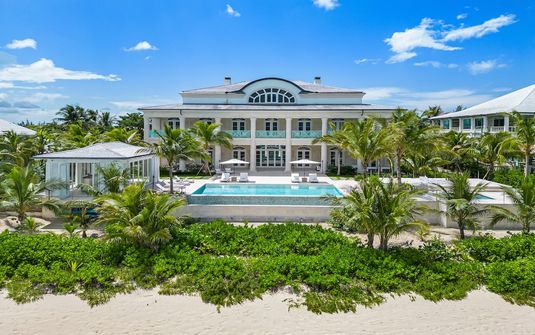
Paradise Island offers another residential expression within the Nassau area, with a more developed coastal setting and homes whose architecture can be substantial and composed. The individual property remains decisive: a broad terrace, a protected garden room or independent accommodation creates a different domestic experience within the same destination. A private residence should offer intimacy alongside its larger shared spaces, allowing the household to enjoy a coherent home rather than a sequence of impressive but interchangeable rooms. The setting provides a clear sense of destination, while the plan and grounds give the stay its personal character.
Architecture that Gives Water a Domestic Scale
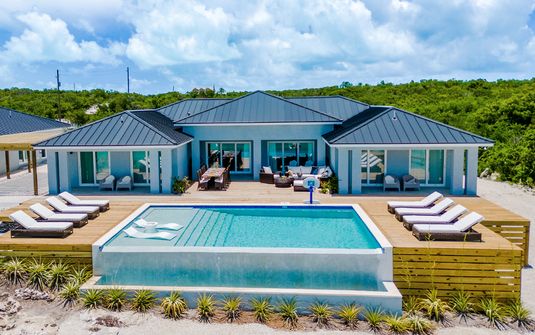
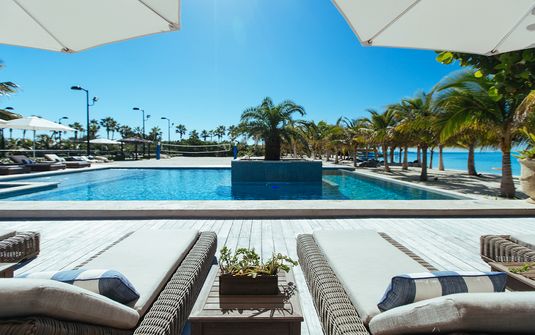
Bahamian houses can draw on verandas, pitched roofs and smaller linked wings, or use contemporary volumes and broader glazing to create a more direct relationship to the coast. Either approach feels convincing when it responds to the actual site. A covered exterior room gives a principal lounge a gradual transition toward the landscape, while a courtyard brings greenery close to more enclosed accommodation. These different thresholds make the residence richer to inhabit. The sea can remain a consistent reference without requiring every room to face outward or share the same degree of exposure.
Materials and interior detail add another scale of character. Timber joinery, textured walls and comfortable furnishings can give private rooms warmth, while principal shared spaces remain more expansive. A house benefits from variation rather than repeating one coastal palette everywhere. A bedroom may feel quieter and more enclosed, a garden-facing room more intimate and an upper suite more open to the wider view. Recurring details can connect those moods into one coherent home, allowing the interiors to remain rewarding independently of the residence’s most immediately striking outlook.
Privacy for a Shared Household
For families and private groups, a useful plan provides several ways to spend time together. A principal lounge and terrace can bring everyone into one shared setting, while quieter accommodation, a secondary sitting room or a modest exterior corner offers an alternative. These spaces allow different daily rhythms to coexist without making the residence feel fragmented. The house becomes generous through the variety and usefulness of its rooms, supporting a smaller gathering as comfortably as the complete household and giving guests meaningful privacy without requiring them to withdraw entirely from shared life.
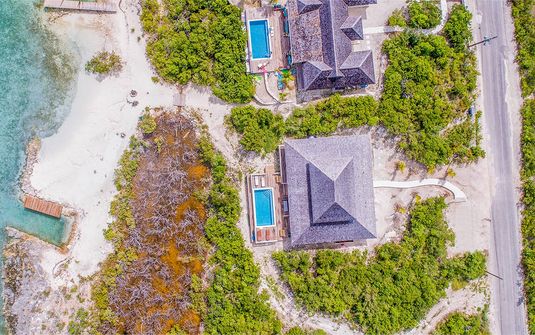
Privacy at the property boundary is equally specific to the address. The direction of neighbouring windows, the placement of terraces and the depth of planted grounds all influence the atmosphere within the residence. A broad sea view or a large parcel does not automatically make every space secluded. A thoughtful home resolves these conditions through its orientation and landscape, creating protected rooms and exterior settings while retaining an appropriate relationship to the surrounding community. Discretion becomes part of the architecture, allowing the house to feel connected to its island and clearly personal within its own boundary.
A Private Stay with an Individual Island Identity
The Bahamas offers several distinct residential worlds rather than one interchangeable island experience. Exuma’s dispersed coastal settings, Grand Bahama Island’s broader residential landscape, Harbour Island’s intimate architectural character and the different contexts of Nassau and Paradise Island each provide a particular foundation for a stay. A rewarding residence makes those conditions legible through its rooms, grounds and actual outlook. Luxury is expressed in the coherence of that whole, with enough domestic substance and private space to sustain a longer visit while keeping the identity of the chosen island consistently present.


