




Exuma: Private Houses among Pale Shores, Cays and Expansive Water
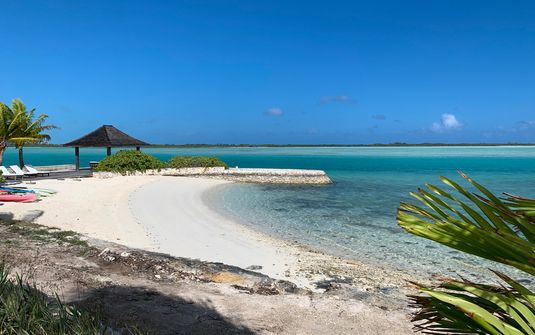
Exuma introduces a dispersed island landscape within the Bahamas, where larger inhabited shores and smaller cays create many different relationships between house and sea. Its visual identity is carried by pale sand, low coastal ground and water whose colour becomes a strong part of the setting. Within the wider Caribbean world, the appeal is not simply remoteness. A residence can belong to an established island community, occupy a more independent coastal parcel or form part of a private cay, with each position giving the household a distinct domestic experience.
The quality of an Exuma stay begins with understanding that individual setting. A house facing a close sandy cove offers a different atmosphere from one with a broader sea outlook, and an island estate introduces another scale of separation again. These conditions shape the architecture as well as the view. Principal rooms may open directly toward the water, while quieter suites relate to planting or more enclosed courts. The residence becomes personal through the balance of those spaces, allowing the surrounding landscape to remain present without making every room perform the same outward-facing role.
An Archipelago Rather than a Single Shoreline
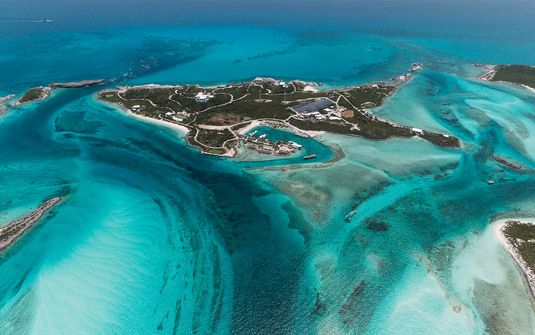
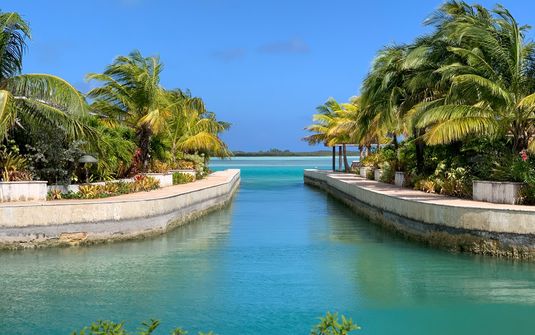
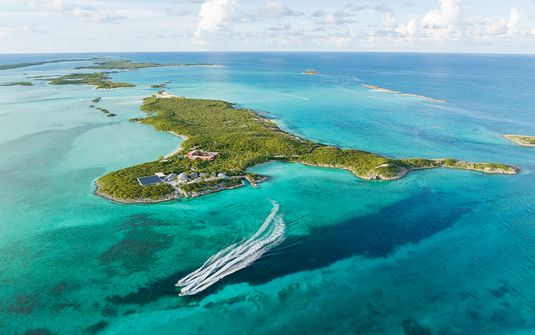
The Exuma chain gives the destination a distinctive sense of repetition and difference. Low islands and cays appear as individual landforms within a much broader field of water, with the near shoreline providing a more intimate foreground to the horizon. From a private residence, this can create a layered composition of garden, sand and neighbouring island forms rather than one uninterrupted expanse of sea. The actual outlook depends on position and orientation, making the individual site more important than a general description of the whole archipelago as a uniformly secluded setting.
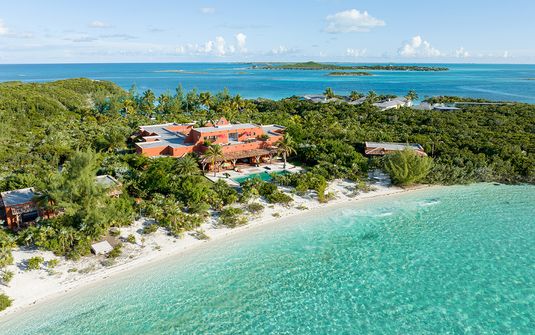
Scale is particularly influential in such a landscape. A low-profile house can retain a close relationship to the shore, while a more elevated room introduces a wider reading of the surrounding water. A planted court provides another degree of enclosure, giving the household an interior landscape away from the principal coastal facade. These different settings allow a residence to feel varied without needing excessive architectural complexity. The house acknowledges the openness of Exuma while creating smaller spaces whose comfort and character remain attractive in their own right throughout a longer stay.
A Private Cay with Several Residential Centres
Over Yonder Cay
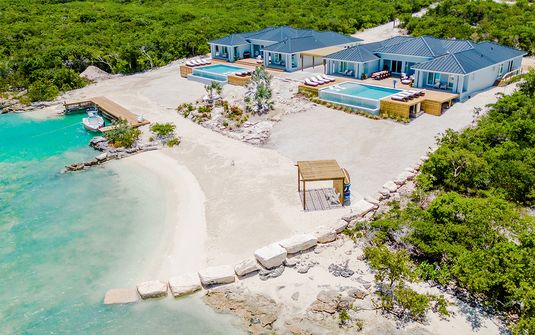
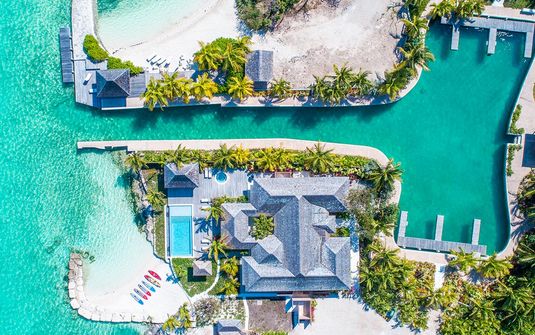
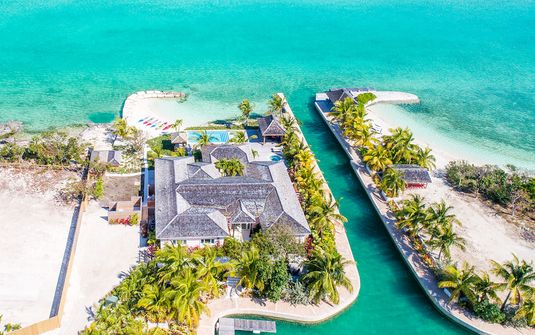
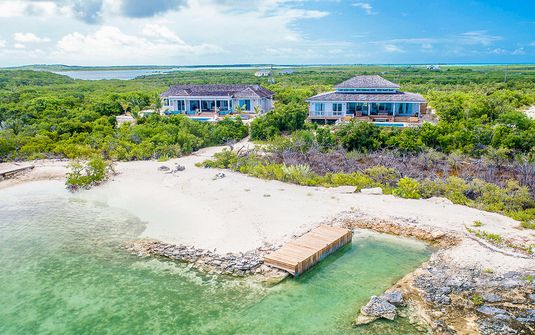
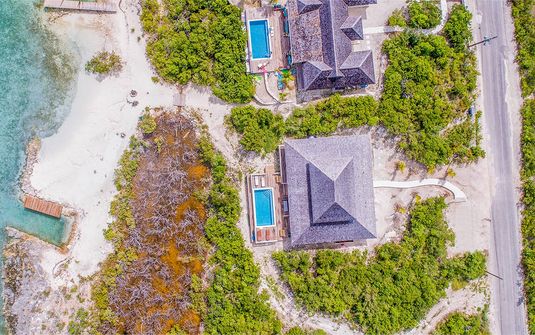
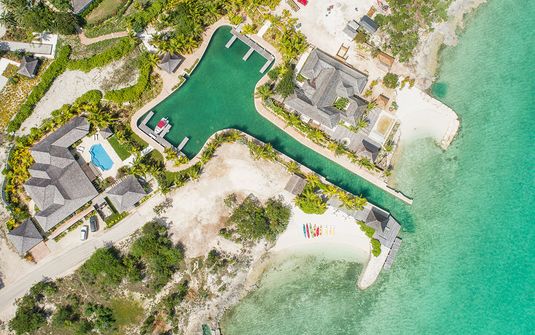
Over Yonder Cay illustrates a more expansive private-island form represented within the destination. Its four individually designed villas occupy different positions on the cay, each with its own relationship to the surrounding views and exterior spaces. This creates a different domestic scale from one large house on a single coastal parcel. The accommodation is distributed across several residential centres, allowing individual groups within a wider household to retain a degree of independence. The island provides continuity, while the separate houses give shared life a more varied and personal architectural structure.
The appeal of that arrangement lies in the distinct character of each residence rather than separation alone. A house needs its own comfortable principal room, attractive private accommodation and a clear relationship between interior and exterior spaces. The wider cay can offer a strong sense of place, but the quality of everyday living remains domestic: a useful terrace, a quieter suite and settings that feel inviting when occupied by only a few guests. A private island becomes rewarding when its houses remain complete homes, with individuality and comfort that extend beyond the scale of their surrounding landscape.
Individual Homes within the Wider Exuma Setting
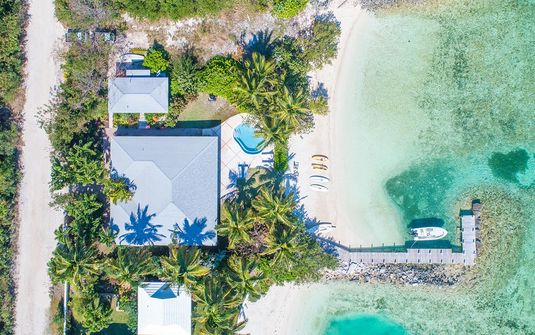
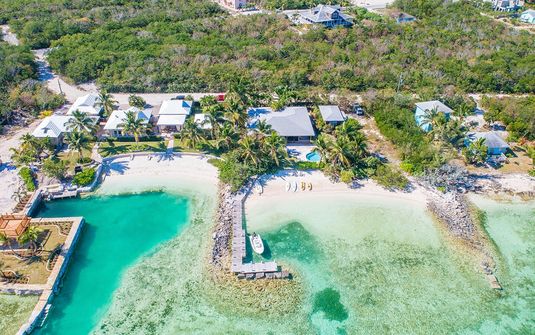
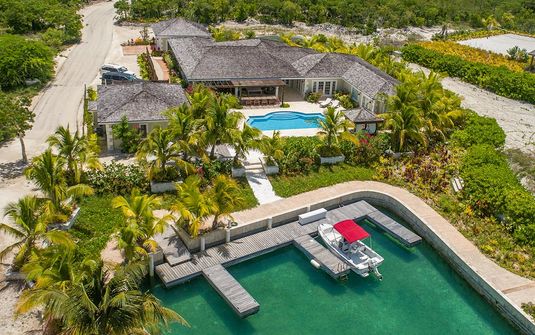
Exuma’s residential range also includes individual houses in more established island contexts. Names such as Aqua Sound, Casa Bella and Calypso Hill within the Little Bay collection demonstrate that the destination is not limited to an entire private-cay format. A smaller home can offer a closer domestic centre, with shared rooms and suites arranged within a more contained footprint. The attraction is personal rather than necessarily monumental, allowing the household to enjoy a recognisable coastal setting while retaining the intimacy of a house whose rooms and grounds are comfortably related to one another.
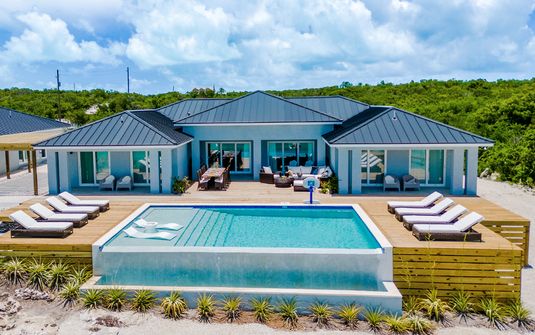
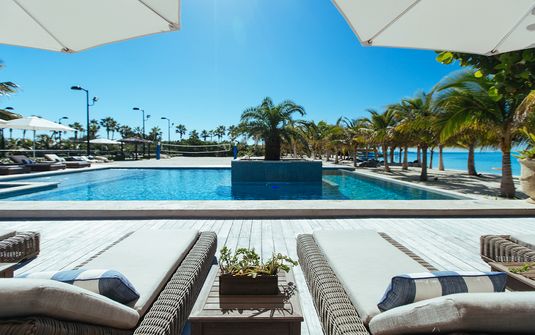
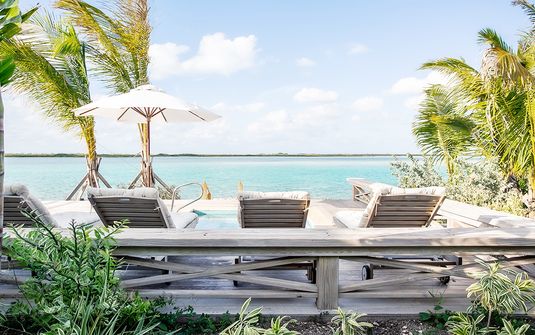
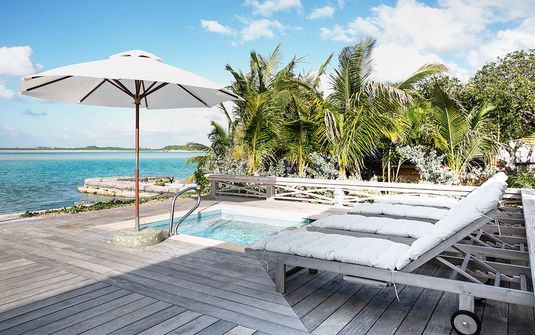
At this scale, the main room and its exterior connection become especially important. A covered terrace can act as a natural extension of the lounge, while a garden-facing bedroom offers a quieter counterpart to the principal coastal outlook. The home feels generous when these spaces have distinct uses, not simply when they are large. A coherent plan allows guests to spend time together without making every private room part of the main circulation, giving a smaller residence enough variety to support an extended stay as comfortably as a larger estate.
Architecture that Frames a Low Coastal Landscape
Exuma’s restrained topography places particular emphasis on the immediate composition of the property. Rooflines, garden boundaries and the position of exterior rooms can give a house depth where the wider ground remains low. Verandas and linked pavilions offer one response, while simpler contemporary volumes create another. Both can preserve the scale of the landscape when their proportions are measured. The architecture becomes more convincing through its thresholds, allowing a principal room to open toward the water while quieter accommodation retains a more enclosed and distinctly private relationship to the grounds.
Materials bring warmth and texture to that setting at close range. Timber detailing, stone surfaces and soft furnishings can give interiors an identity beyond the prevailing coastal colours. A bedroom may feel quieter and more intimate than the shared lounge, while a secondary sitting area provides another mood within the same home. These variations make the residence richer to inhabit over time. The sea remains a strong reference, but the interiors offer sufficient character to sustain the stay when attention turns inward toward reading, conversation or ordinary private life within the household.
Privacy at the Scale of the Actual Residence
Seclusion in Exuma should be understood through the individual property, whether it occupies a private cay or a parcel within a residential setting. Boundaries, orientation and the placement of suites determine how private a particular space feels. Within the home, separate accommodation and quieter rooms allow guests to follow different daily rhythms without losing the ease of gathering in the principal shared area. The usefulness of the plan matters as much as the breadth of the view, giving the household choices and making time together feel natural rather than dependent on one dominant terrace or room.
Exuma offers a distinctive combination of dispersed island geography and several forms of private residential life. A complete cay, a larger coastal estate or a more intimate individual home each provides a different relationship to the surrounding water. The most rewarding stay is grounded in that actual setting, with architecture that gives the landscape a clear role while preserving the warmth and variety of a private household. Luxury feels personal when the residence remains comfortable beyond its principal outlook, offering a coherent home whose rooms, grounds and private spaces reward a longer Bahamian stay.


