




Courchevel: Architectural Distinction in a High Alpine Setting
Courchevel brings a particularly polished residential sensibility to the French Alps. Its mountain addresses combine the substantial forms of chalet architecture with interiors conceived on an ambitious domestic scale. Beyond the familiar image of alpine prestige, the destination offers a more nuanced appeal: houses that use elevation, forest edges and long mountain perspectives to establish a private world, with the landscape giving depth to even the most carefully finished interior.
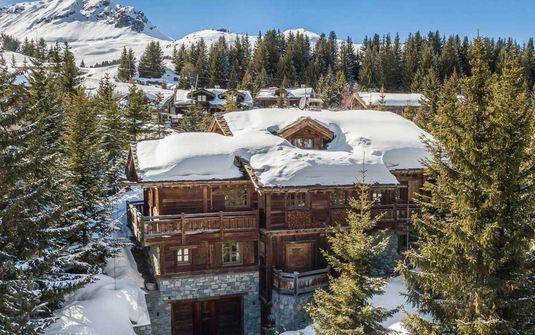
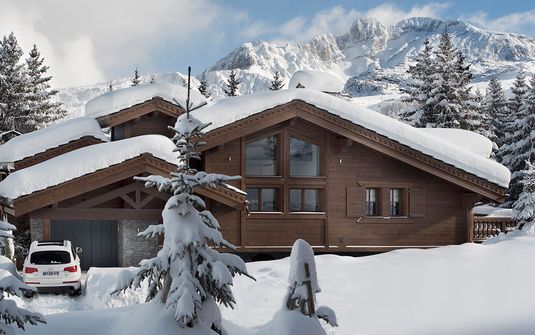
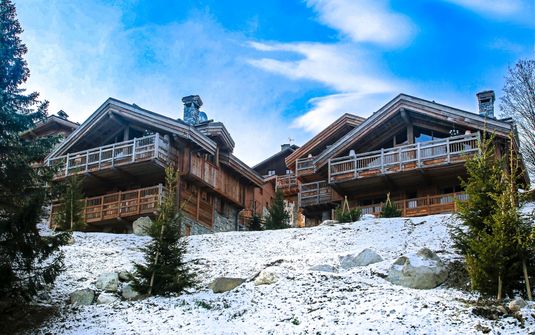
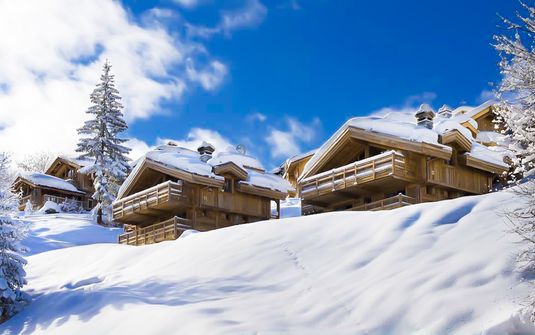
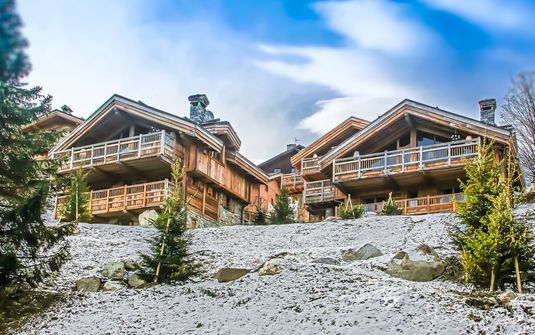
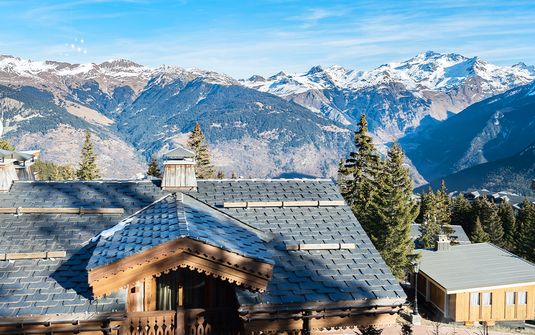
The setting belongs unmistakably to mountain France, yet individual residences can feel markedly different from one another. Some sit among mature trees, their roofs and balconies partly screened from neighboring buildings; others open towards a wider prospect across the slopes. Courchevel is therefore best understood through a particular address rather than through reputation alone. The atmosphere of a stay depends on how the house occupies its site and how confidently its rooms translate that position into a residential experience.
A Mountain Settlement with Several Residential Registers
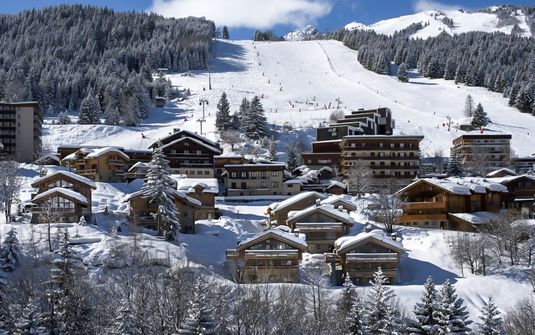
Changes in altitude and the pattern of the surrounding development create different senses of enclosure. A chalet close to an established cluster of buildings may feel connected to a recognizable mountain community, while a property along a quieter wooded margin can have a more inward-looking character. These contrasts are not simply distinctions of prestige. They influence the view from bedroom windows, the presence of neighboring roofs and the degree to which the exterior spaces belong visually to the household.
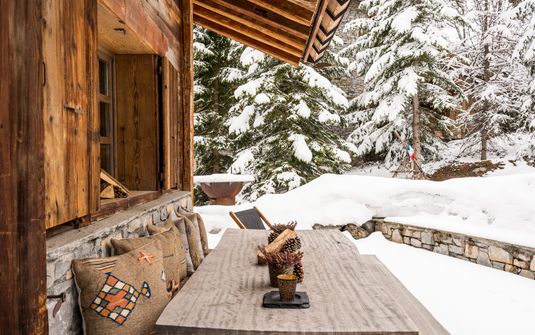
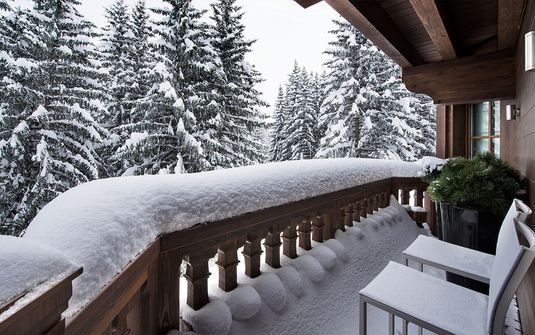
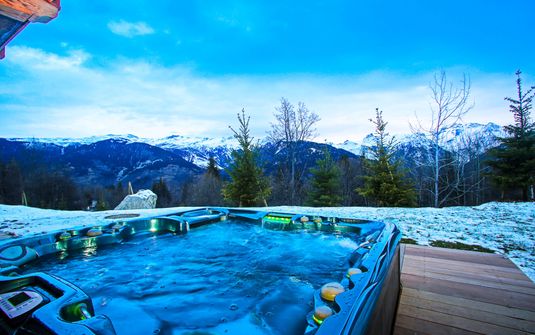
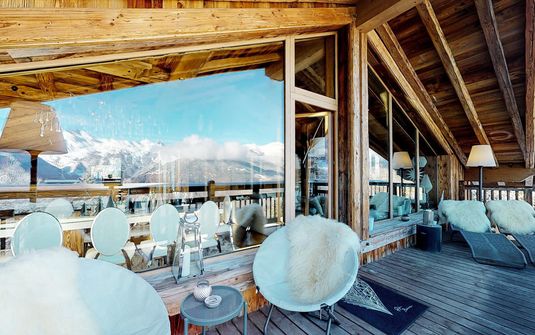
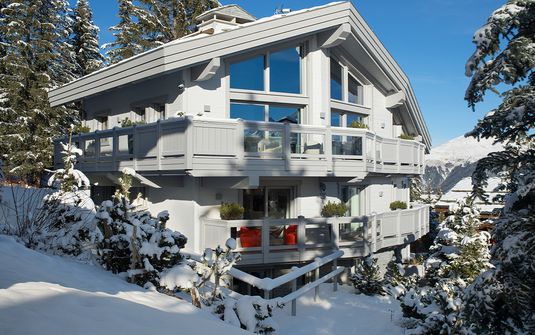
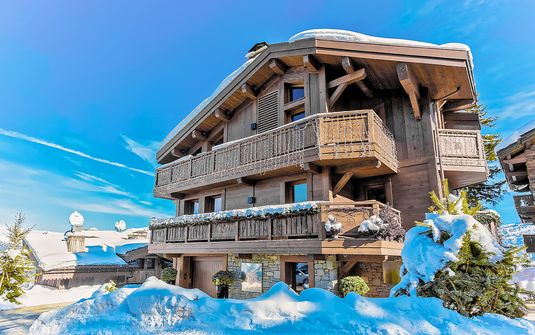
Trees introduce an important intermediate scale between house and mountain. Their trunks and canopies can soften large façades, filter views and give terraces a sense of protection. In more open settings, the architecture must establish that intimacy through its own form: deep balconies, sheltered exterior rooms and carefully arranged wings. Courchevel’s strongest residences use these conditions as design material, allowing the surroundings to influence the composition instead of treating the plot as a neutral platform for an oversized chalet.
The Composed Arrival
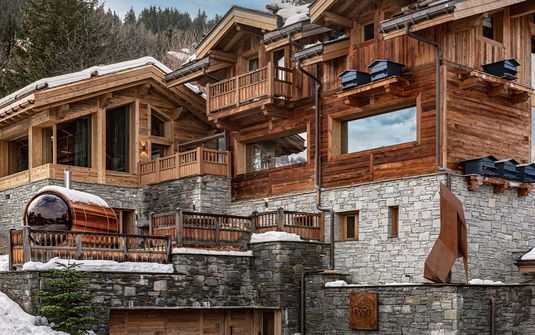
A private entrance sequence contributes greatly to the impression of a Courchevel home. The relationship between the approach, the lower storeys and the principal reception level can create a gradual reveal rather than an immediate display of every room. Where the house follows a sloping site, this sequence may be particularly expressive. What first appears as a restrained timber building can unfold into a residence with considerable depth, separate suite levels and a commanding upper living space.
This measured progression is most effective when it remains practical. An entrance hall needs a clear relationship with the rest of the house, and changes in level should reinforce the distinction between shared and private areas. Architectural drama alone does not make a residence feel effortless. The sense of luxury becomes more convincing when the building’s organization is legible, so that guests can understand its spaces intuitively and occupy them without the constant awareness of a complicated plan.
Interiors Beyond the Conventional Chalet Image
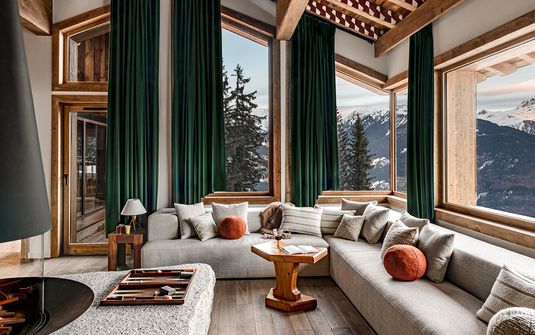
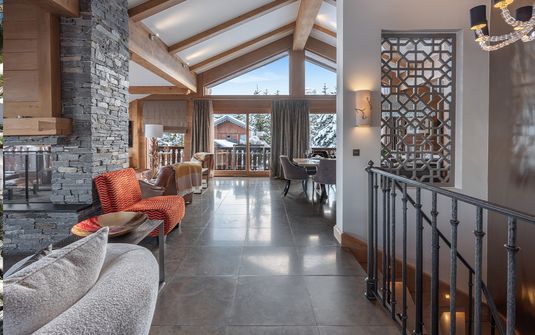
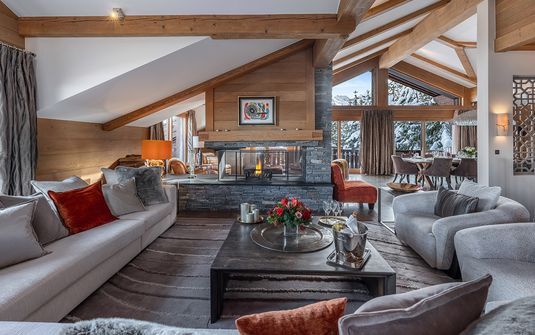
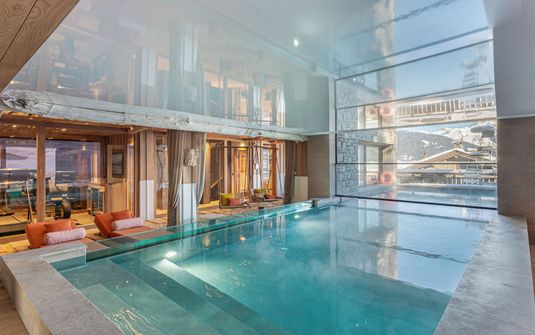
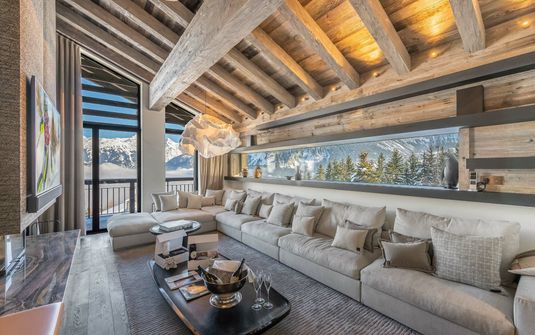
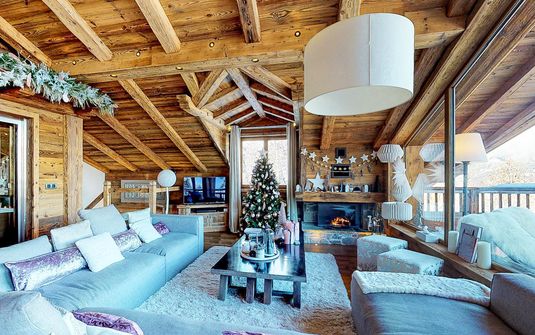
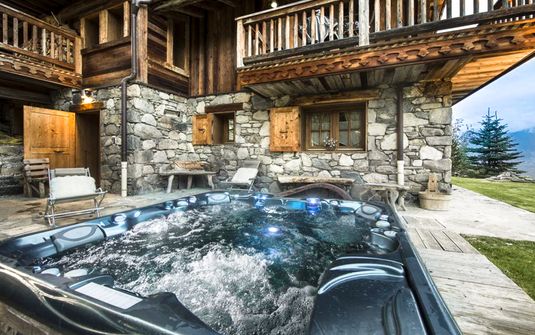
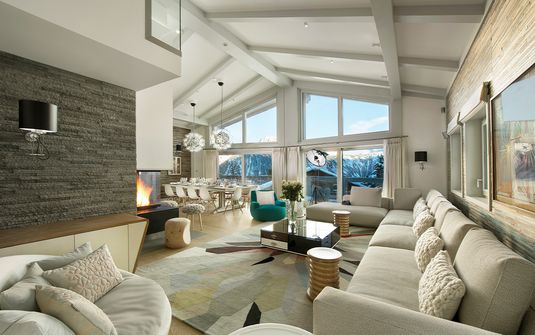
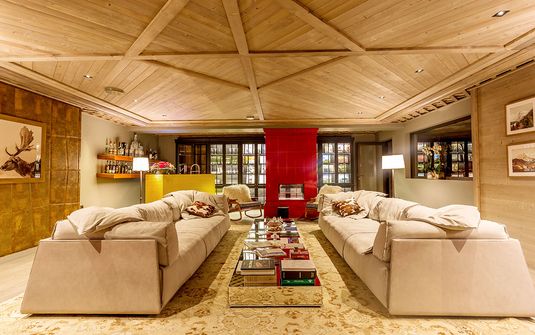
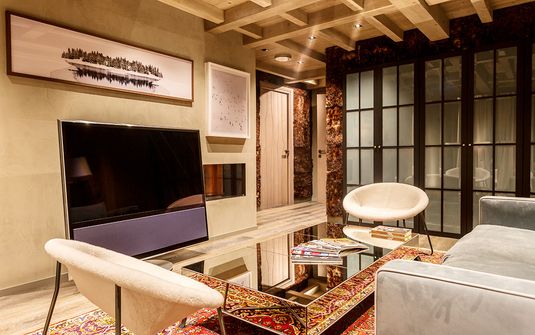
Courchevel’s residential interiors can interpret alpine materials with considerable sophistication. Timber may be expressed through broad structural members, fine joinery or a quieter wall finish, while stone can anchor a fireplace or give a lower level a sense of permanence. Contemporary furnishings and carefully placed artwork introduce contrast without needing to displace the chalet’s underlying identity. The objective is a coherent atmosphere in which craftsmanship remains evident but the rooms still feel relaxed enough for sustained private use.
Volume is handled most successfully through variation. A tall principal room can create a strong communal center, but lower-ceilinged spaces and more enclosed seating areas bring the scale back to the individual. Generous glazing can be balanced by substantial curtains, textured upholstery and the visual weight of natural materials. These relationships prevent a large chalet from feeling like a single uninterrupted display space and give different parts of the residence their own character.
Suites That Form a Complete Private Domain
A bedroom suite should feel like a place to inhabit, not merely an adjunct to the communal rooms. Its orientation, acoustic separation and relationship with an individual sitting area or balcony can provide a distinct experience within the house. In a substantial chalet, the distribution of suites across several levels offers the possibility of considerable independence. That arrangement is particularly valuable when the household includes several couples or generations with different preferences for proximity and solitude.
Discretion also comes from the spaces that do not immediately attract attention. Separate service circulation, well-positioned ancillary rooms and a thoughtful relationship between guest and support areas can keep the principal interiors calm. These qualities vary by property and should be considered as part of the residence’s overall design. They are not a promise attached automatically to the destination, but they help explain why two chalets of similar apparent scale may offer very different levels of residential ease.
An Alpine Stay with a Strong Interior Identity
Courchevel is especially persuasive when the house has enough personality to complement the mountain setting without competing with it. A distinctive material palette, a carefully resolved sequence of rooms and a sense of protection around the private suites can create an atmosphere that feels assured rather than conspicuous. The scenery supplies the broader scale, while the interior gives the household a place of its own. Neither element needs to dominate for the experience to feel exceptional.
For guests seeking a composed mountain residence, the destination offers a meaningful range of architectural interpretations. The most successful choice joins a precise location to a home whose proportions and organization suit the people staying together. Courchevel’s enduring appeal then becomes clear: an alpine address where substantial architecture, carefully established privacy and an unmistakable mountain backdrop can form a single, coherent setting for a deeply comfortable private stay.


