









Anguilla: Private Houses, Open Horizons and a Quiet Caribbean Character
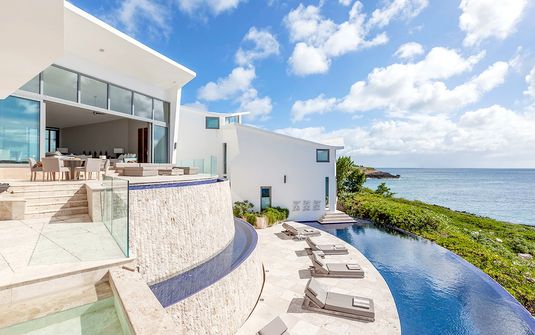
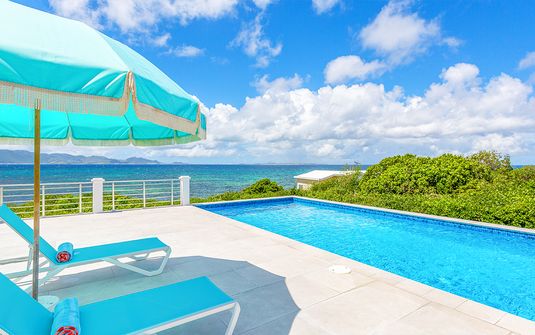
Anguilla brings a distinctive sense of space to the Caribbean. Its low limestone profile allows the sky and sea to remain unusually prominent, while beaches, rocky edges and scattered residential communities give the shoreline several different characters. The appeal of a private house here begins with that relationship to the landscape: a pale terrace against blue water, a courtyard sheltered behind a modest exterior, or a sequence of rooms that opens gradually toward the coast. Luxury feels most convincing when the residence belongs to this setting, with thoughtful proportions and privacy that comes from the arrangement of the site.
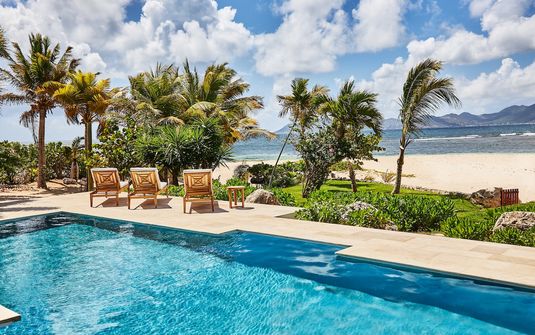
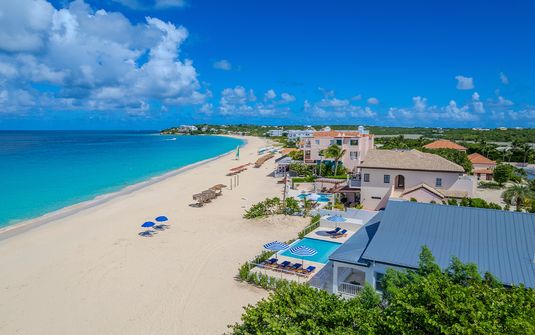
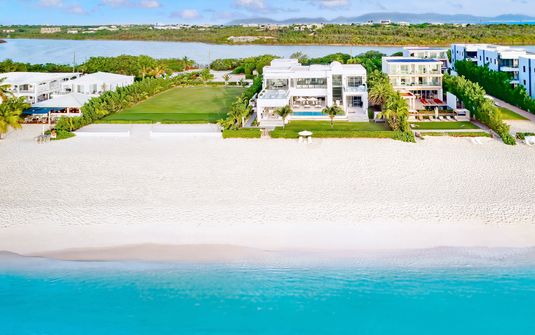
The island should not be understood as a single continuous beachfront neighbourhood. A house above a rocky bay offers a different experience from one beside a broad sweep of sand, and a residence set inland can have a more enclosed, garden-centred atmosphere. These differences shape how a household occupies its surroundings. Some guests value the immediate presence of the shoreline; others prefer a wider panorama and greater separation between the principal house and neighbouring buildings. Anguilla accommodates both, allowing the character of the property to take precedence over a uniform idea of an island villa.
A Landscape That Gives the House Its Form
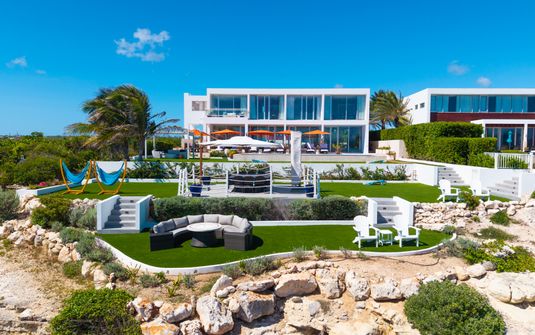
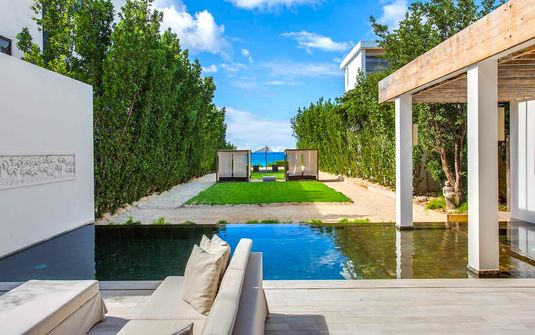
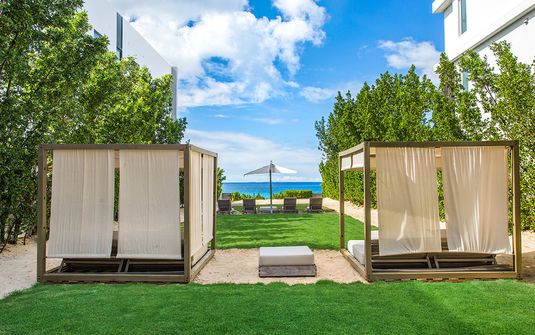
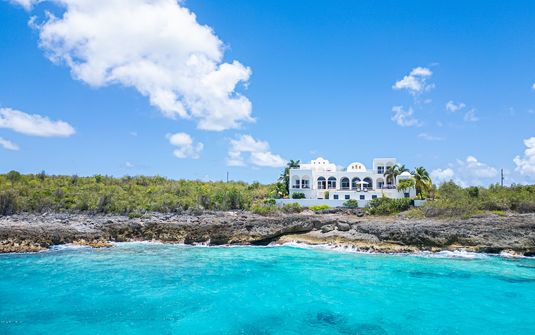
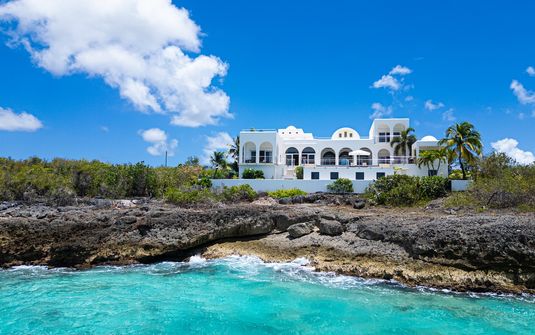
Low ground, exposed limestone and coastal vegetation create a restrained landscape rather than a mountainous backdrop. This makes the immediate design of a property particularly influential. Boundary walls, planted courtyards and the position of bedroom windows can establish intimacy where the wider terrain remains open. On a shore-facing site, the strongest visual composition may be a long horizontal roofline and a terrace that preserves the view. Further back, gardens and internal courts can provide the principal sense of enclosure. The pleasure lies in these transitions between openness and shelter, rather than in the promise that every part of the house commands the same outlook.
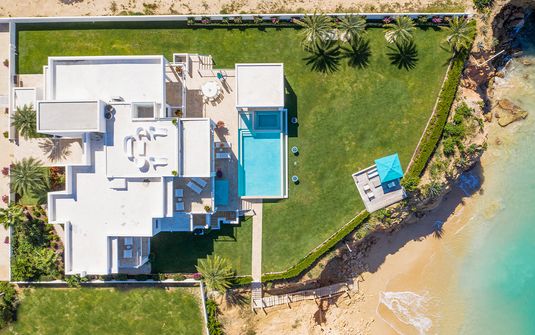
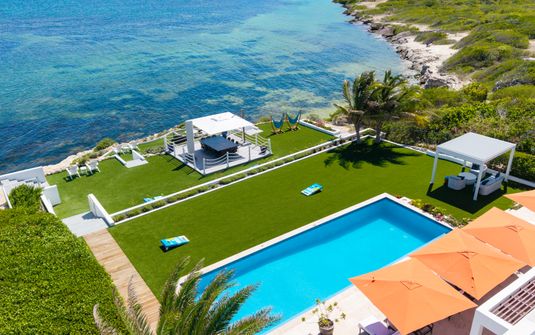
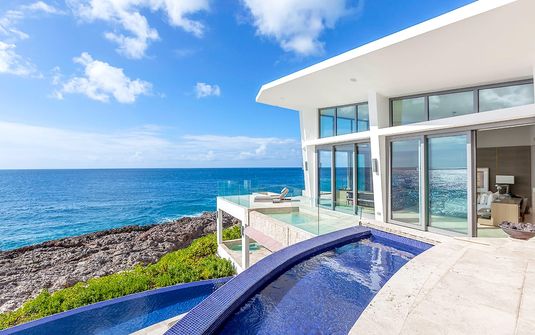
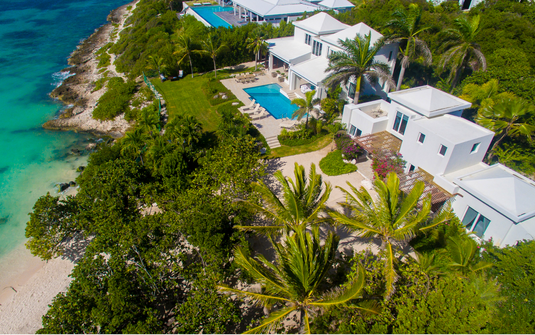
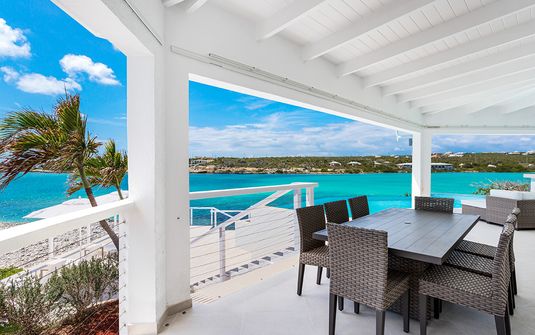
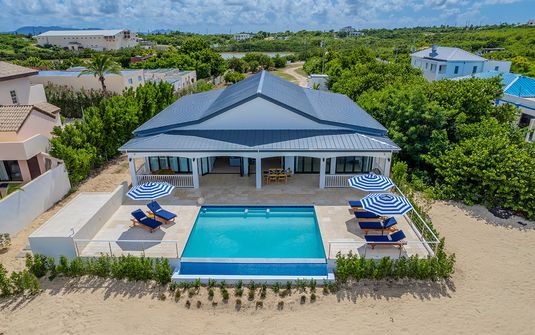
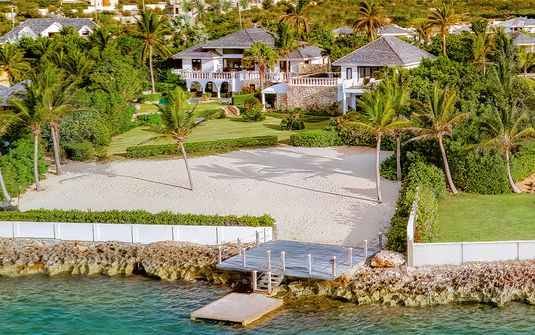
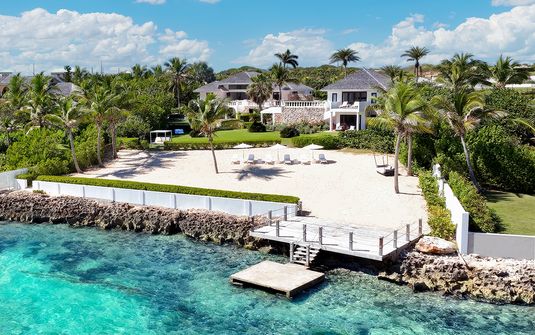
The distinction between a sandy bay and a rocky coastal edge also matters within the residence. A beach setting often draws the principal rooms outward in a broad, continuous arrangement, while a headland position may favour smaller terraces with differently framed views. Neither form implies a particular amenity or access arrangement. What gives each its identity is the way the ground, the boundary and the house meet. A well-judged plan allows the coast to remain present without exposing every private room, and gives sheltered interiors as much architectural care as the spaces facing the water.
Three Residential Regions
East End
East End presents a more dispersed residential landscape, with open ground and individual bays providing a sense of separation between different pockets of development. The area does not depend on a single architectural style: contemporary houses, established Caribbean forms and smaller residential compounds can all belong within its broader setting. The character of a stay is shaped by the individual parcel, whether the house faces a sheltered inlet or occupies ground with a wider coastal perspective. Generous setbacks and considered planting can be especially valuable here, allowing the residence to feel settled within the landscape while keeping its principal rooms closely connected to the view.
Mid Isle
Mid Isle introduces a varied relationship between residential ground, the island’s interior and the coast. Its appeal is less easily reduced to one beach or one type of house. Some properties derive their character from elevation and distant sea views; others establish a quieter domestic world through enclosed gardens and the separation of guest rooms from shared spaces. For a household spending substantial time together, that variety can matter more than an immediately dramatic frontage. A residence with a sheltered court, a comfortable interior sitting room and several outdoor settings offers different ways to inhabit the same property without relying on a single central terrace.
Within this region, South Hill provides an elevated residential context in which outlook and enclosure can be balanced carefully. Sloping sites may introduce several levels, with bedrooms, gardens and principal living rooms occupying different relationships to the horizon. The arrangement of those levels determines whether the house feels connected or fragmented. Broad internal thresholds and a clear relationship between the main rooms can preserve a sense of ease, while more private wings remain distinct. Here, an estate-like atmosphere comes from the coherence of house and grounds, rather than from frontage alone or an assumption that a larger building necessarily offers greater privacy.
West End
West End has an established place in Anguilla’s luxury residential landscape, with substantial coastal houses and mature properties creating a more developed architectural setting. Within that concentration, the differences between individual sites remain considerable. A villa can feel outward-looking and expansive, or turn inward around a protected garden and court. Walls, planted boundaries and the relationship between neighbouring terraces play an important role in the experience. The most persuasive expression of luxury is a residence that handles those conditions with confidence, giving the household attractive shared spaces while keeping bedroom interiors and quieter corners comfortably removed from the wider residential scene.
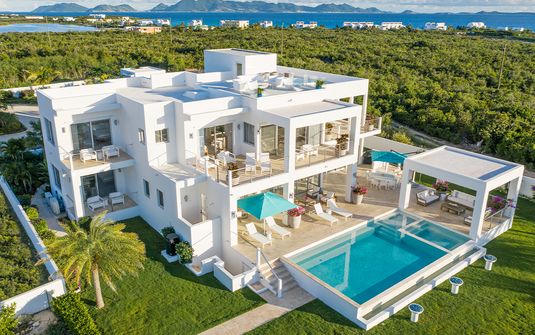
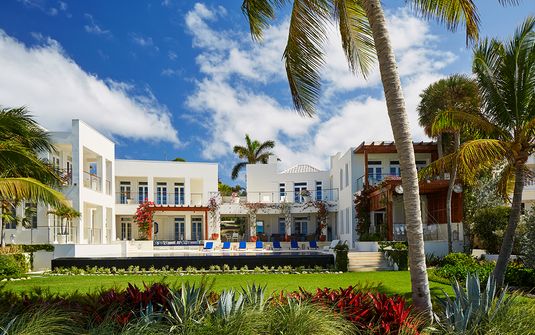
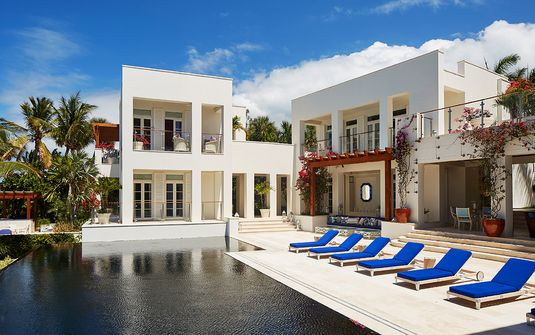
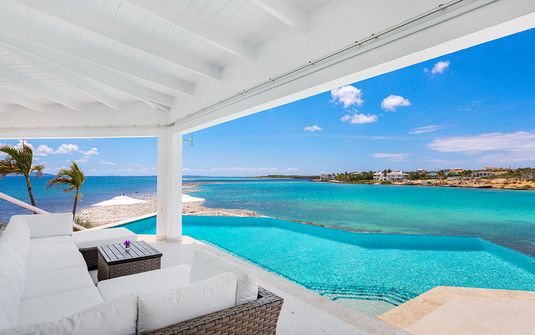
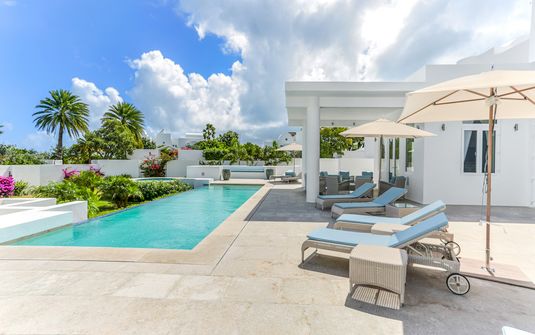
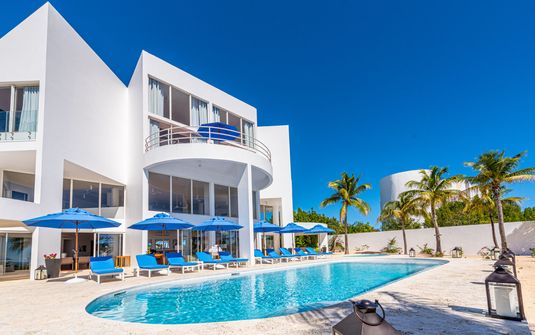
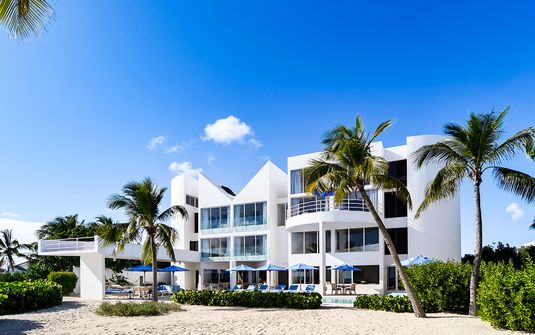
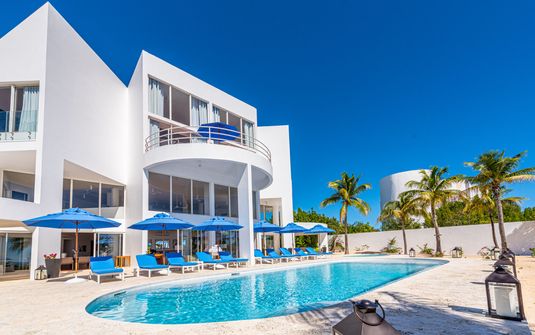
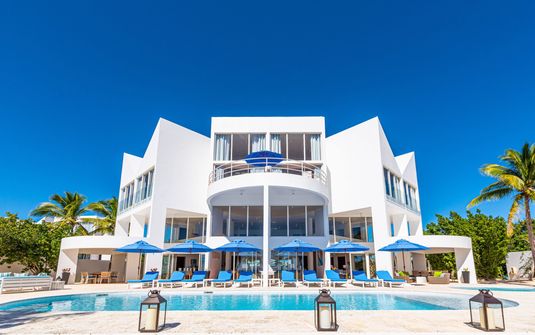
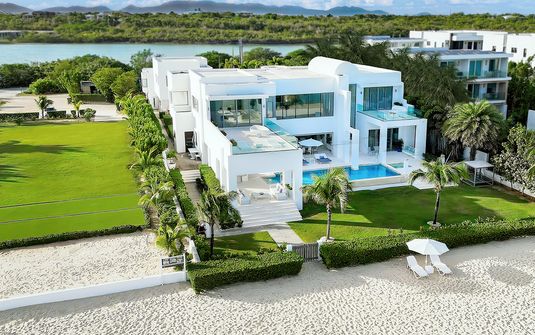
Shoal Bay West adds a particular coastal expression within the western region. Its bay setting gives the sea a close visual relationship to the house, encouraging plans in which principal rooms, covered terraces and the pool area form a coherent composition. The setting is most rewarding when the architecture allows several degrees of exposure: an open terrace facing the water, a deeper covered room behind it and a more enclosed interior beyond. This layered arrangement makes the house feel generous without requiring every space to perform the same role. The shoreline remains the visual reference, while the residence retains the intimacy of a private home.
Architecture with Restraint and Texture
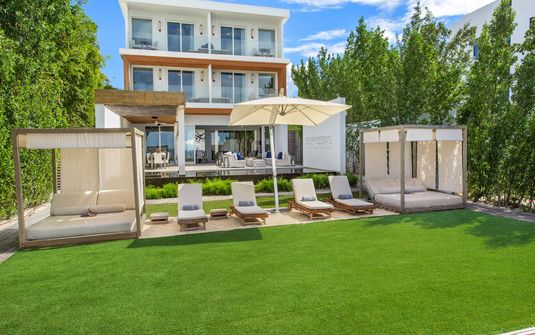
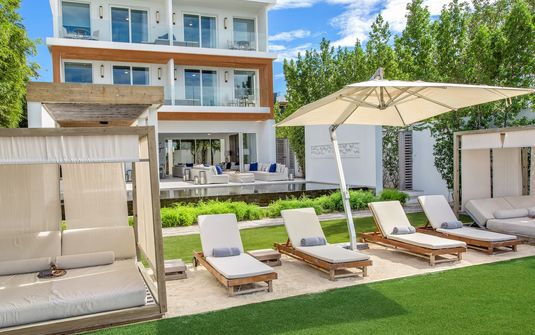
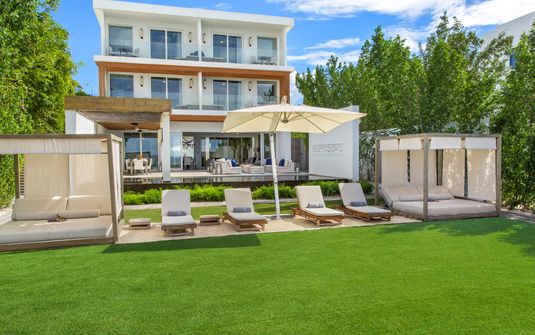
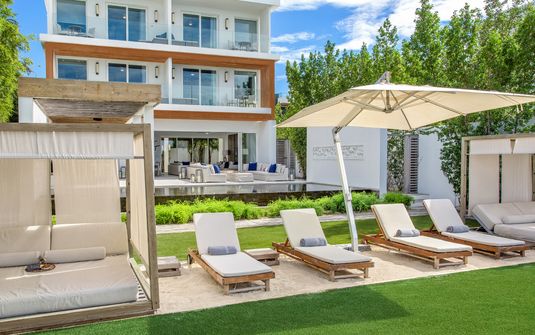
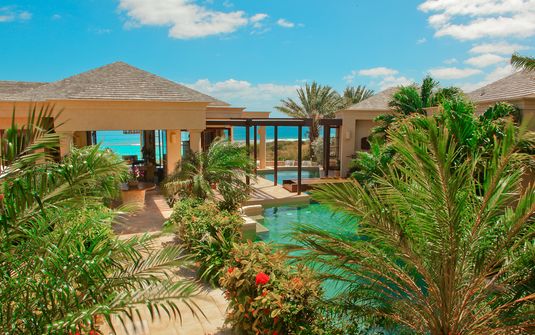
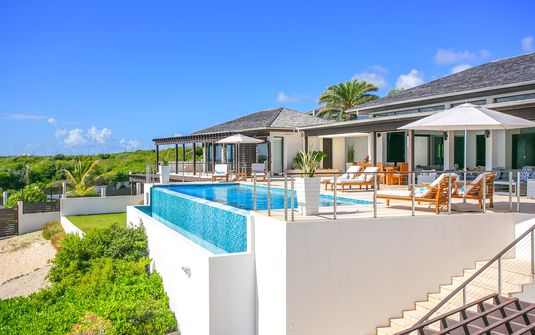
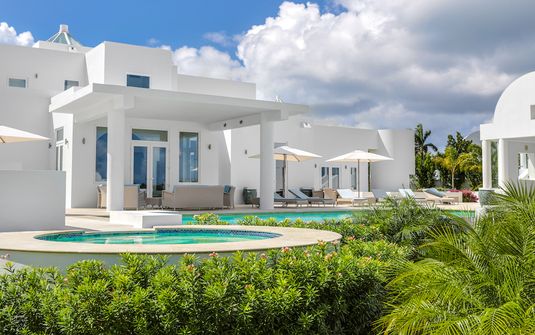
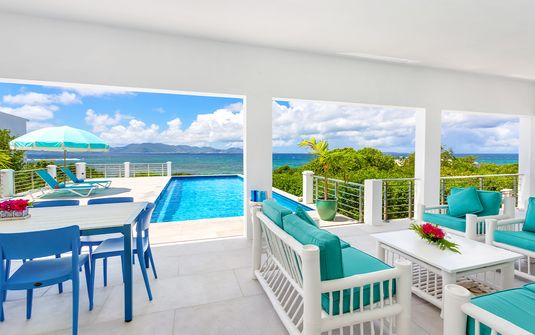
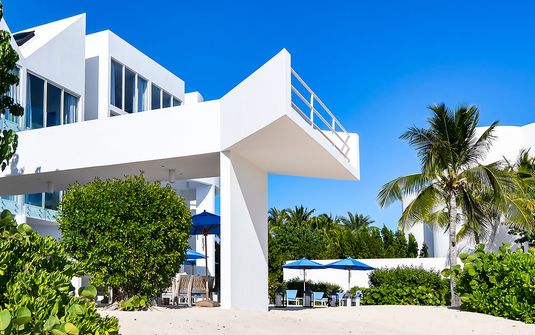
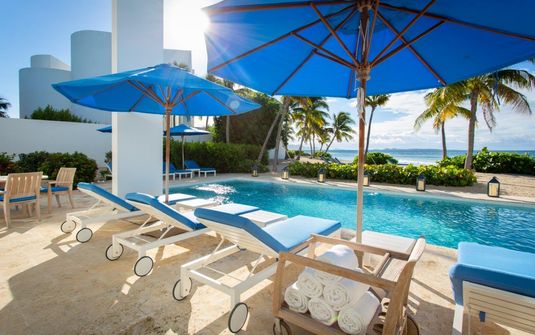
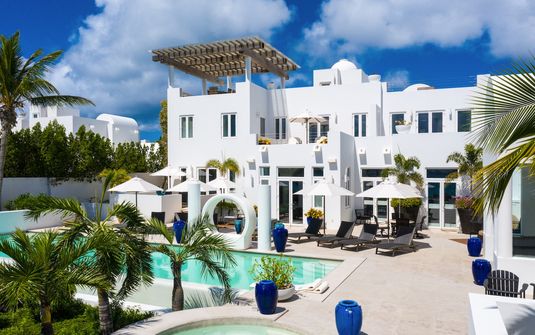
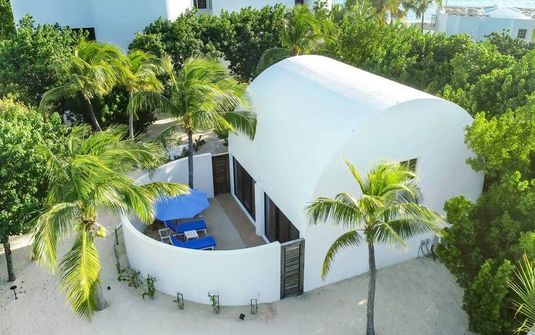
Pale masonry, textured plaster, timber detailing and deep roof overhangs can give an Anguillan house a measured relationship to its surroundings. Contemporary residences may use broad glazing and precise horizontal lines; more traditional forms often create a sequence of verandas, pitched roofs and sheltered rooms. These approaches need not compete. Their quality depends on proportion, the handling of light and the care given to the threshold between inside and outside. A terrace becomes a convincing extension of the house when its scale, furnishings and overhead enclosure receive the same attention as the main interior, rather than appearing as an open space added beyond the doors.
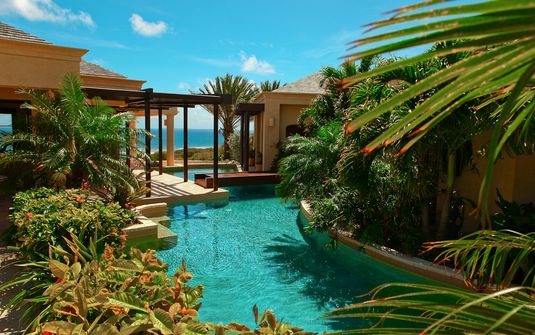
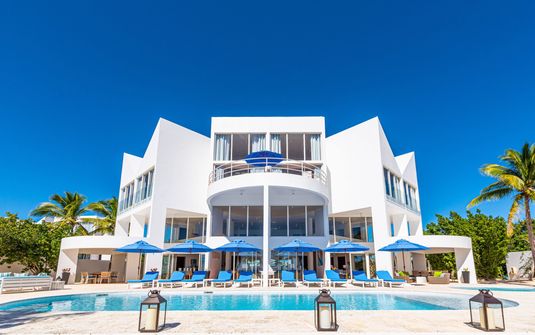
Interiors benefit from contrast as well as continuity. Natural stone underfoot can connect several rooms, while timber joinery, woven surfaces or a more richly coloured sitting room give individual spaces their own identity. A bedroom should feel like a resolved private interior, with a considered view and sufficient separation from the main gathering areas. In a multi-pavilion residence, the connecting spaces matter equally: a planted passage or covered threshold can make movement between wings feel part of the architecture. Such details bring depth to a stay because the house reveals a sequence of settings rather than repeating one large room with a view.
Privacy Within the Household
For families and private groups, the most useful privacy exists within the property as well as at its boundary. Separate bedroom wings can accommodate different daily rhythms, while a secondary sitting room gives guests a quieter alternative to the principal lounge. Detached suites may provide stronger separation, although the relationship to shared rooms remains important. A well-composed residence allows people to come together naturally without making constant togetherness unavoidable. The position of doors, the acoustic distance between rooms and the distinction between shared and private terraces all contribute to that experience, often more meaningfully than the total area of the building.
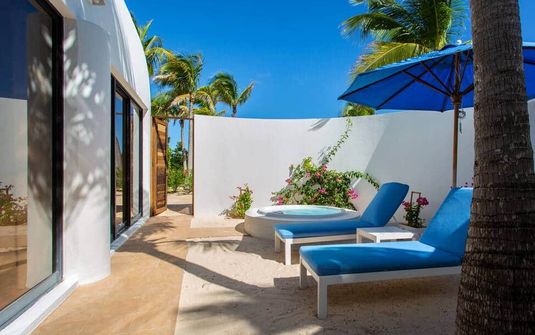
A longer stay makes these domestic qualities especially apparent. There is value in a comfortable room that remains appealing after the initial impact of the view, a private corner suited to reading or focused work, and an outdoor setting that feels intimate enough for only two people. Anguilla’s appeal is sustained by the combination of these small-scale comforts with its open coastal landscape. East End, Mid Isle and West End offer different contexts for that balance, but the defining experience remains personal: a house with its own character, sufficient space for the household and a clear, lasting relationship to the island around it.


