




Mid Isle: Anguilla’s Varied Landscape of Private Coastal and Residential Addresses
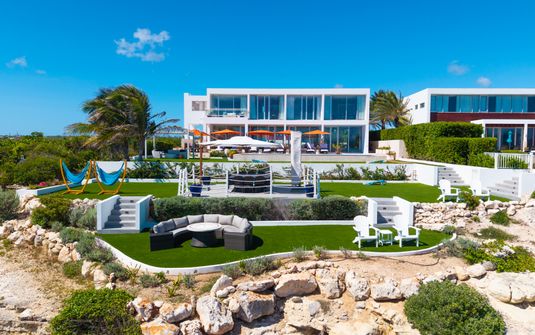
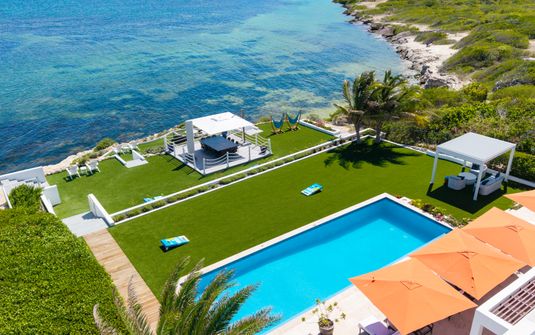
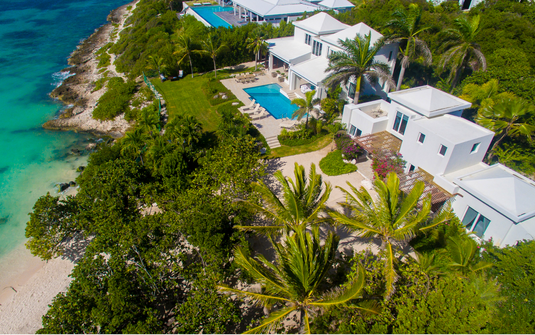
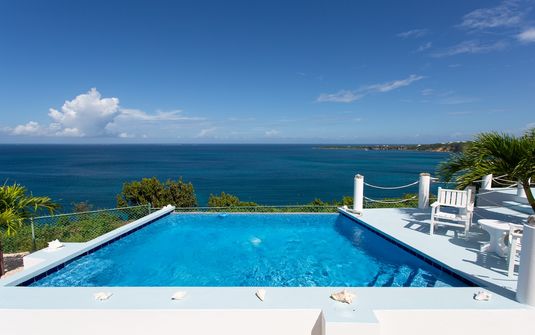
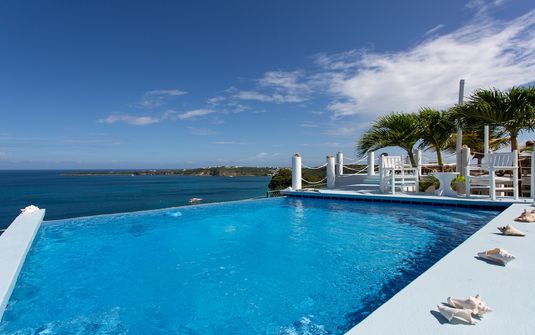
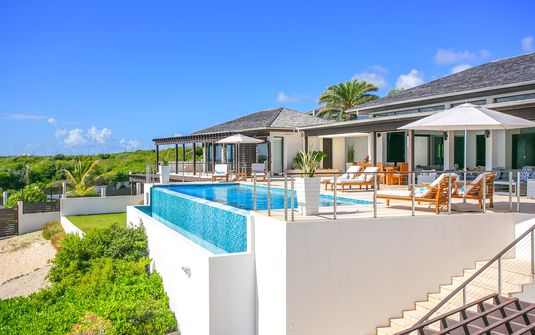
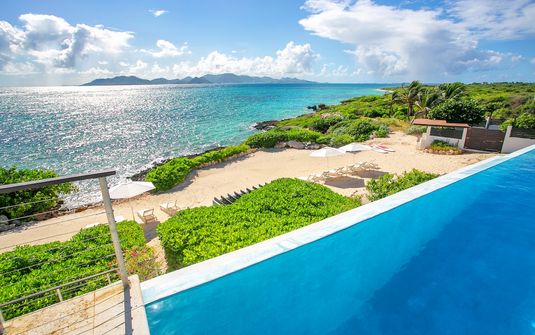
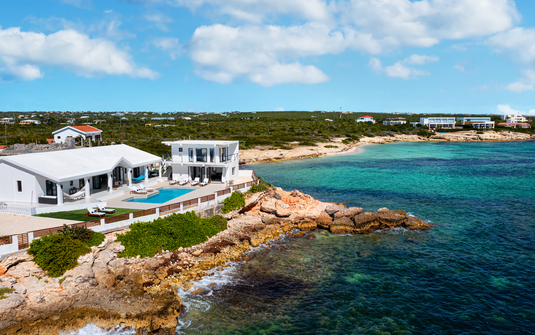
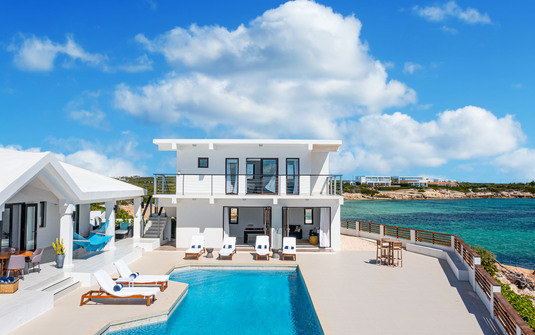
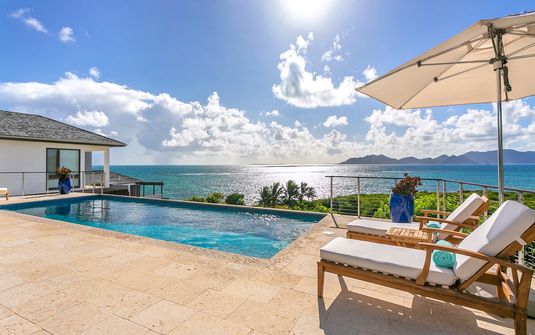
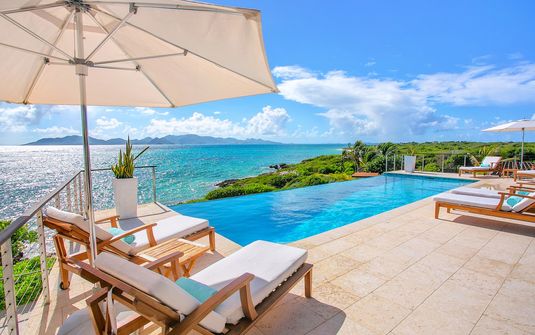
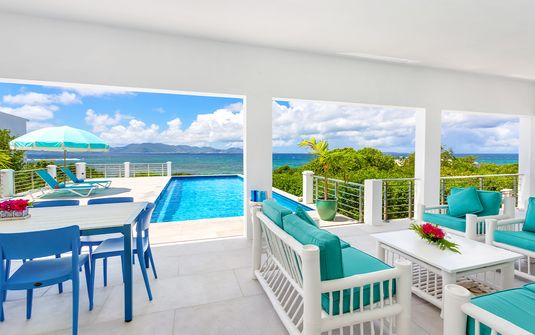
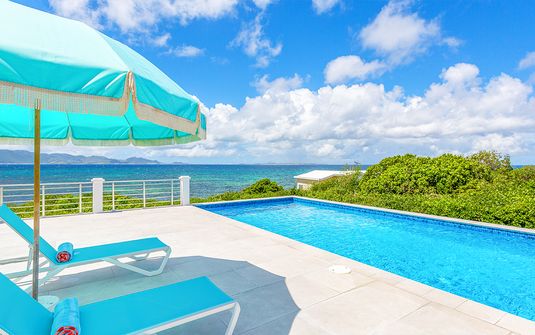
Mid Isle brings together several distinct expressions of Anguilla, from elevated residential ground to sheltered bays and established maritime communities. Its character lies in this variety rather than in a single continuous shoreline. A private house here may find its identity in a wide coastal panorama, an enclosed garden or a small bay whose scale feels closely related to the residence. That range gives the district an unusually flexible domestic character: the setting can be open and outward-looking, or more intimate and inward-facing, while remaining connected to the wider island landscape.
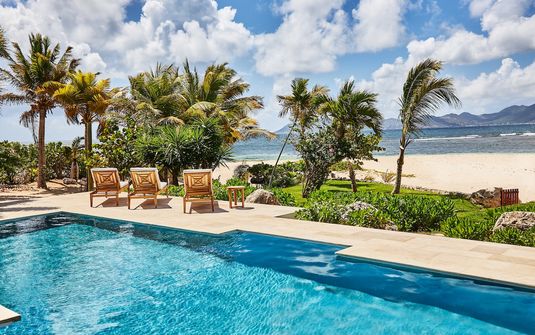
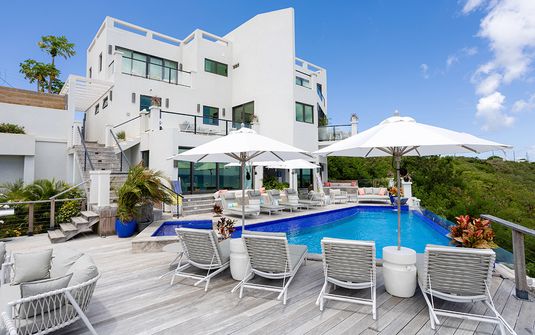
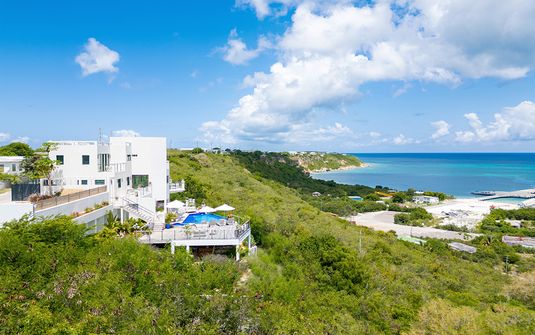
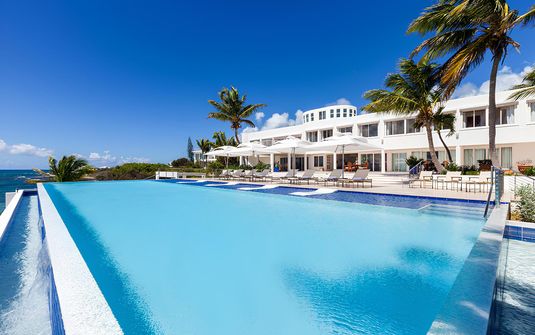
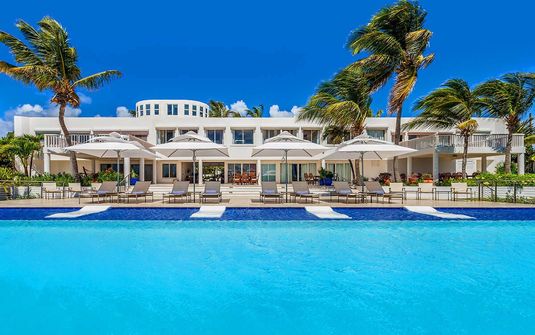
Within the Caribbean, Mid Isle offers a particularly individual approach to a private stay. The residence and its immediate surroundings matter more than a uniform destination image. A house above a bay creates a different atmosphere from one embedded within a residential neighbourhood, and a sheltered waterfront composition differs again from a property whose principal outlook crosses inland ground. These distinctions allow the household to choose an address with its own personality. The quality of the experience comes from how convincingly the architecture, grounds and private rooms belong to that particular site.
Residential Ground with its Own Character
Neighbourhoods and Elevated Perspectives
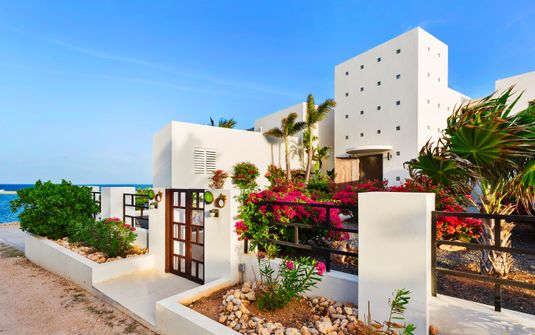
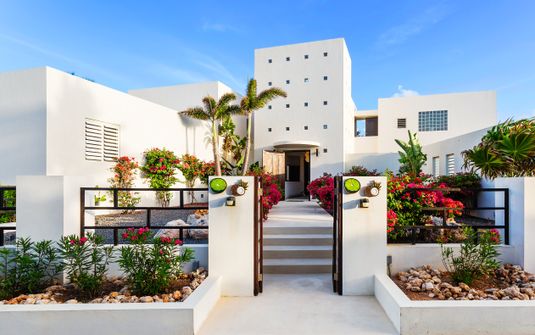
Back Street represents a more locally scaled residential expression within the district. Its appeal is rooted in the individual home and the sense of enclosure that a property can create through its grounds. A carefully composed entrance, a planted courtyard or a veranda facing a private garden can establish an atmosphere quite different from an exposed coastal frontage. For guests drawn to a settled domestic setting, this puts emphasis on the house itself: the comfort of its rooms, the distinction between shared and private spaces and the relationship it maintains with its immediate neighbourhood.
George Hill adds another established residential address to Mid Isle’s varied landscape. A house in this context can derive its character from the way it occupies the ground, balancing a broader outlook with more protected interior spaces. The strongest expression of luxury is measured rather than monumental, with a coherent sequence from entrance to principal rooms and a clear separation of quieter suites. The residence feels complete when its garden-facing interiors receive the same care as its more outward-looking spaces, giving the household several ways to inhabit the property throughout an extended stay.
North Hill and South Hill give the district two distinct residential names in which the relationship between ground and outlook can become central to a house’s identity. A sloping site can introduce separate garden levels, more enclosed lower rooms and principal spaces with a wider perspective. The important distinction is how those levels are connected. A residence remains comfortable when the household can gather naturally while private wings retain a degree of separation. Elevation provides an architectural opportunity, but the quality of the plan determines whether that opportunity becomes a convincing private home.
Southern Addresses and More Intimate Coastal Settings
Blowing Point, Cul de Sac and Lockrum
Blowing Point has an established maritime identity within Anguilla, giving its residential setting a recognisable connection to the southern coast. A private house can acknowledge that context while creating a more enclosed world within its own boundary. The placement of terraces and principal windows is particularly important at a destination with a wider public identity: the residence should feel related to its surroundings without relying on the whole area to provide seclusion. Thoughtful garden edges, sheltered exterior rooms and a clear distinction between private suites and shared spaces give the stay its own domestic character.
Cul de Sac offers another address within Mid Isle’s collection of individual residential enclaves. Its role in the district is best understood at the scale of the property, where a particular parcel and its outlook shape the atmosphere of the house. A residence can establish privacy through a planted court, a separate guest wing or a more protected side terrace, rather than depending solely on distance from neighbouring buildings. These choices make the setting personal. The most rewarding home provides a comfortable centre for the household while allowing quieter rooms to retain their own sense of retreat.
Lockrum introduces a further residential setting in which the individual house carries much of the experience. A larger shared terrace can coexist with smaller outdoor rooms, giving the property several degrees of enclosure and company. This range is especially valuable for families or couples staying together, because different daily rhythms need not compete for one central space. The architectural quality lies in how easily those settings relate to one another. A coherent home feels generous through the variety and usefulness of its rooms, with private corners that remain as considered as the principal gathering area.
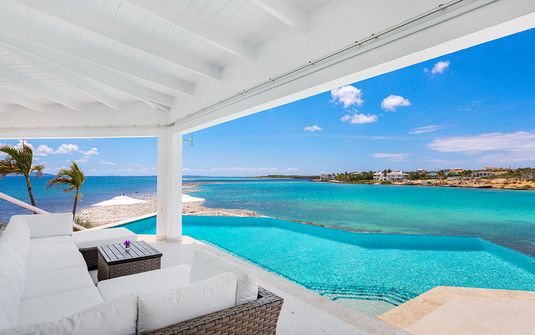
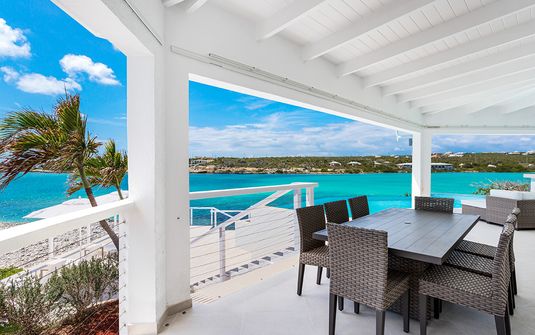
Elsie Bay brings a more intimate bay address into the district. Here, a residence can make the nearby coastal setting part of a smaller, more closely framed composition. A terrace need not be expansive to feel persuasive if its relationship to the house and outlook is well resolved. The transition between interior and exterior becomes particularly important: a covered room, a deep threshold or a planted edge can create several ways to enjoy the same aspect. This gives the house a richer domestic sequence than a single open platform directed entirely toward the water.
Northern Bays and Differing Degrees of Enclosure
Crocus Bay, Limestone Bay and Little Bay
Crocus Bay offers a recognisable coastal setting whose broader bay form can give a residence a strong visual reference. A house above the shore may read the coast as a curve within the landscape, while a closer position makes the immediate relationship between terrace and water more prominent. These are distinct experiences rather than interchangeable ways to occupy the same address. The most coherent property allows the setting to shape its plan, giving principal rooms an attractive outlook while preserving quieter interiors that do not need to share the same panoramic emphasis.
Limestone Bay introduces a more contained coastal identity, with the bay providing a close foreground to the wider sea. A residence in such a setting can establish a sense of intimacy through the way it frames the shoreline, keeping its architectural scale related to the landscape around it. More enclosed garden rooms can offer a counterpoint to the principal outlook, while textured masonry and timber detailing bring warmth to simpler forms. The appeal lies in that balance between a distinct coastal address and a house that remains comfortable at the smaller scale of everyday private life.
Little Bay has an especially intimate identity within Anguilla’s northern coastal landscape. Its contained scale gives the destination a different atmosphere from the island’s long, open sandy bays. A private residence associated with this setting is most rewarding when it allows the landscape to retain that sense of enclosure rather than overwhelming it with architectural excess. Selective views, quieter exterior rooms and an interior sequence that reveals the setting gradually can create a more personal experience. The house gains character by responding to the place, with shared spaces and private suites forming one measured domestic composition.
Sheltered Water and Maritime Character
Little Harbour and Sandy Ground add two different maritime settings to Mid Isle’s range. Their names belong to recognisable coastal communities, yet an individual residence still needs to establish its own balance between outlook and privacy. Garden boundaries, the orientation of bedrooms and the depth of covered exterior rooms all contribute to that distinction. The household can remain visually connected to a bay while enjoying spaces that feel protected and personal. A thoughtful home gives the water a clear presence without making it the sole subject of every interior or every moment of the stay.
A Coherent Home within a Varied District
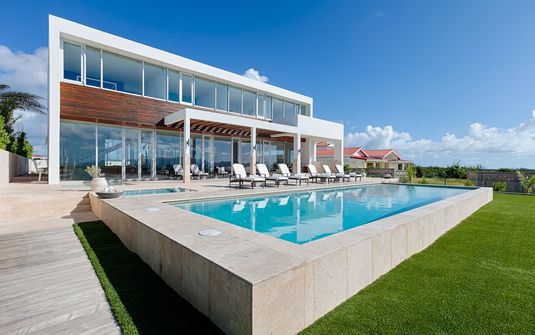
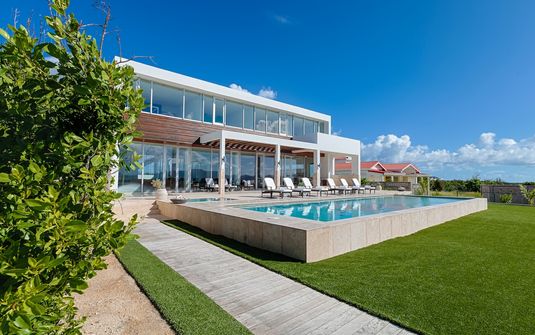
Across Mid Isle, the most convincing private architecture uses the particular site as its starting point. Contemporary volumes, traditional verandas or separate pavilions can all work well when their proportions suit the ground and their private rooms are carefully placed. A few recurring materials can connect the residence without making every space identical: stone in shared rooms, timber in more intimate interiors and planted courts between wings create a natural rhythm. The result is a home whose quality remains apparent after the initial impression, with enough variety to support both shared time and meaningful privacy.
Mid Isle’s enduring appeal is the choice it offers within one broadly connected island context. Its residential neighbourhoods, elevated ground and individual bays provide different foundations for a private stay, allowing the address to reflect the household’s own priorities. A carefully composed residence brings those preferences into focus through its rooms, grounds and relationship to the surrounding landscape. Luxury is expressed in the coherence of that whole, with an individual sense of place and the domestic ease that allows guests to settle into the house rather than merely admire its setting.


