




The French Alps: Private Chalets in a Landscape of Exceptional Scale
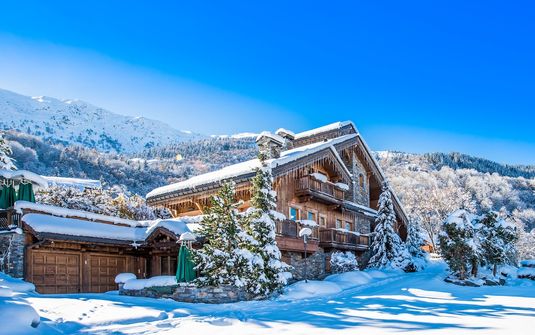
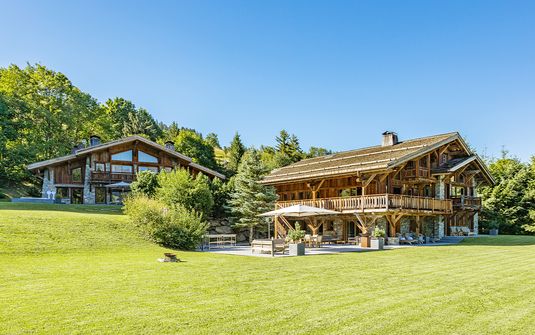
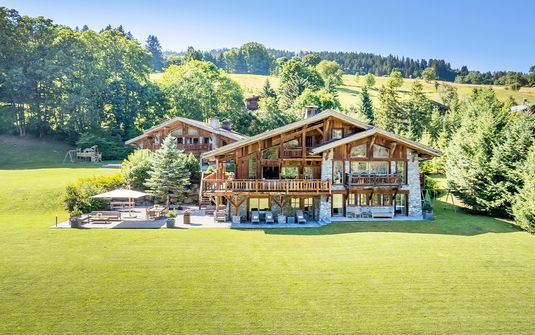
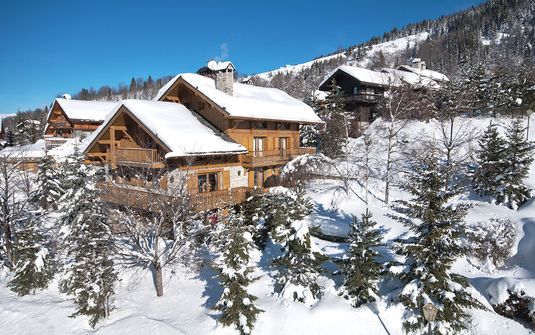
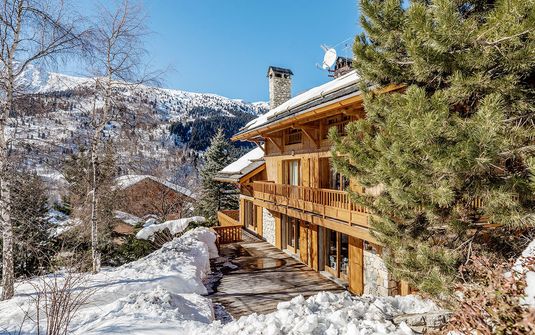
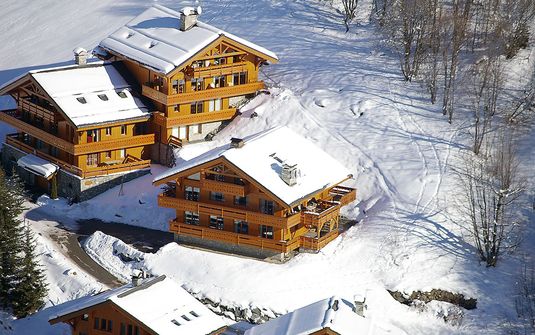
The Alps give France a residential landscape unlike any of its other regions. High ridgelines, deeply cut valleys and villages gathered along mountain slopes create a setting in which the position of a house is inseparable from its character. A private chalet can feel expansive without being ostentatious, drawing its sense of occasion from the terrain outside, the warmth of its materials and the contrast between monumental scenery and an intimate domestic interior.
This is not a uniform destination. Some addresses face a broad valley, while others sit among established village streets or occupy a quieter wooded slope. The distinction affects the outlook, the scale of neighboring buildings and the degree of enclosure around exterior spaces. Choosing an alpine residence therefore begins with a particular relationship to the mountains, rather than with a generalized idea of chalet luxury or a list of features detached from their setting.
Five Distinct Expressions of Alpine Residence
Chamonix is defined by the visual force of the Mont Blanc massif and a valley that retains a strong relationship with its surrounding peaks. The setting feels broad, inhabited and dramatic at the same time. Courchevel offers a different residential language, with chalet architecture expressed through carefully composed mountain addresses and a particularly developed tradition of substantial private homes. Their contrasts demonstrate how differently the same alpine region can frame a stay.
Megeve places village character and pastoral surroundings close to the center of its appeal. Its timber buildings, stone details and neighboring meadows give private residences a softer architectural context. In Meribel, chalet forms and wooded slopes create another kind of continuity, with pitched roofs and natural materials establishing a recognizable relationship between individual houses and the wider settlement. These settings suit guests who value the texture of an alpine community as well as the distant panorama.
Height, Stone and the Shape of the Valley
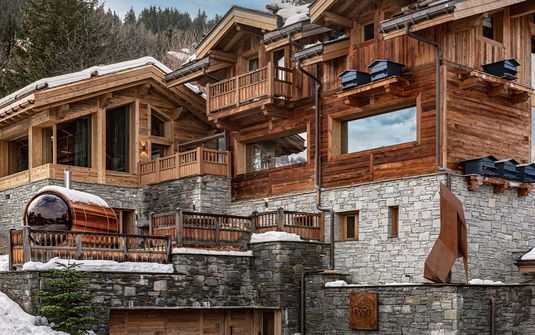
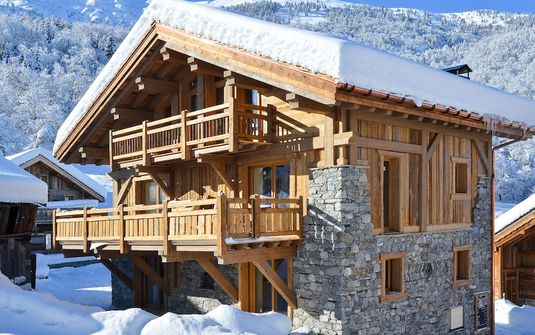
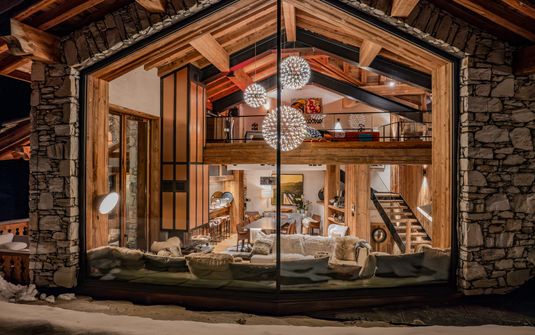
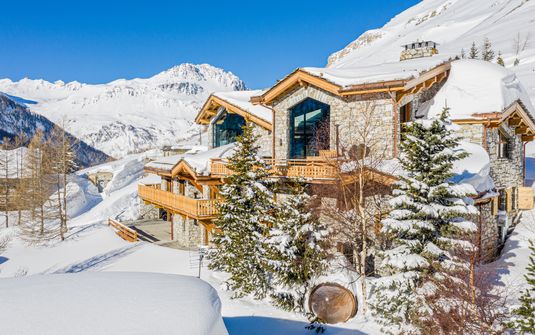
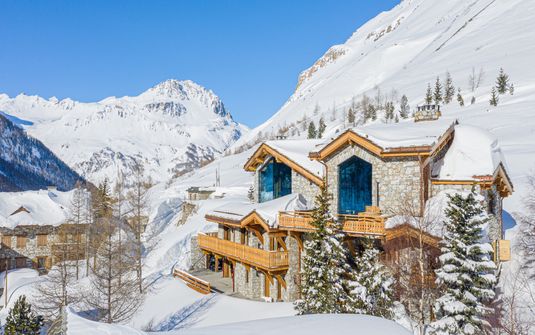
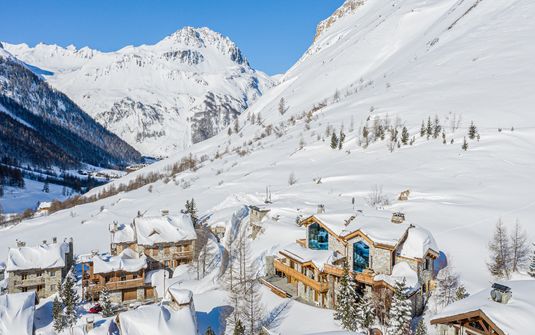
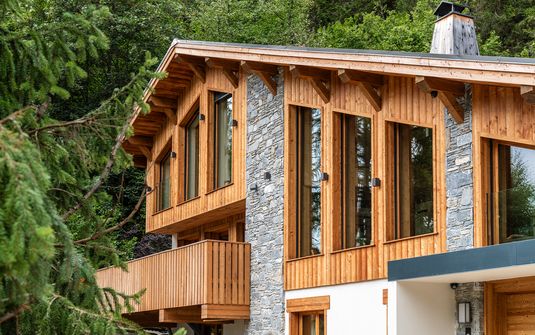
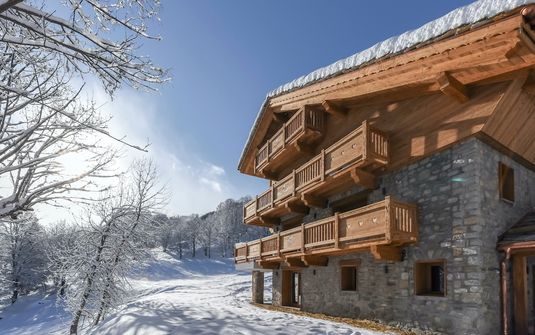
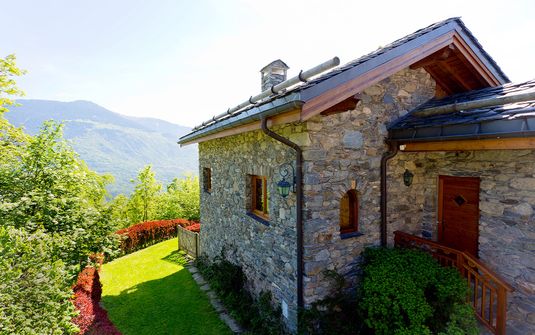
Val d'Isere brings a more emphatically high-mountain character to the regional collection. Stone façades, timber elements and the enclosing terrain can make a residence feel closely connected to the landscape’s geological weight. Across the Alps, apparent proximity on a map does not imply a similar residential atmosphere. The breadth of the valley, the orientation of a slope and the surrounding building pattern give each address an individual sense of exposure, shelter and belonging.
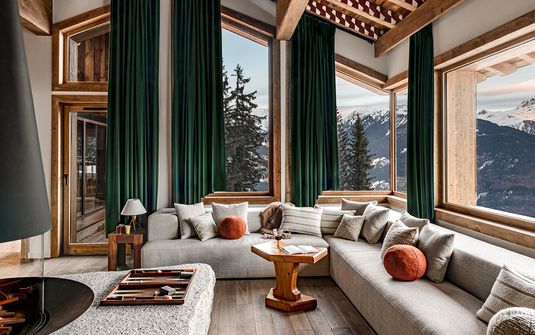
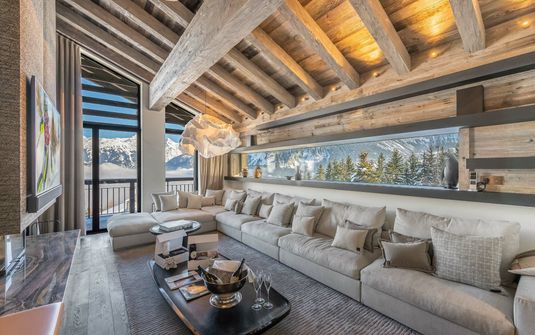
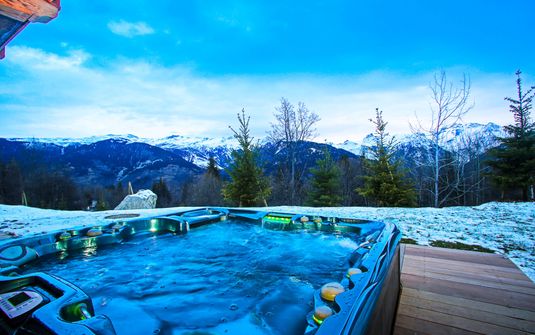
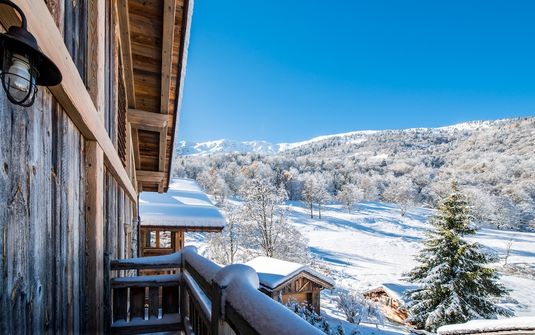
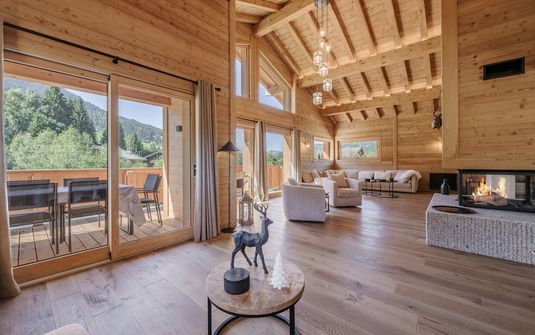
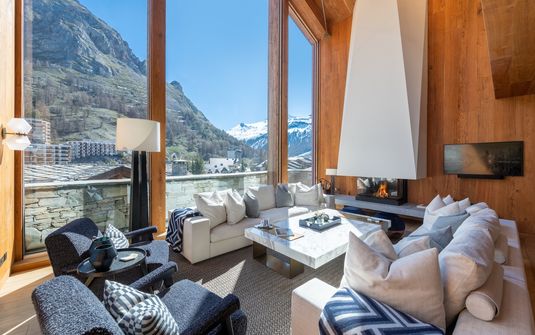
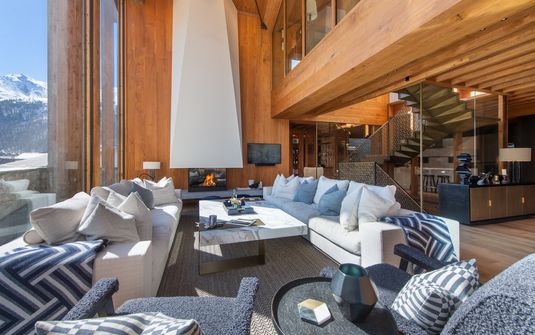
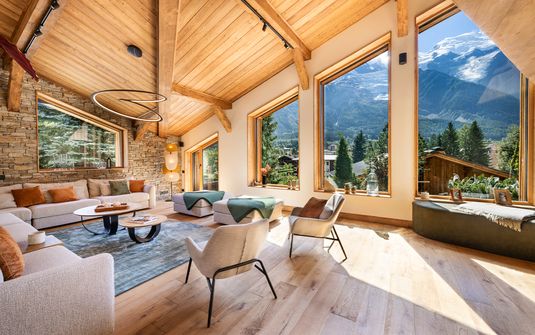
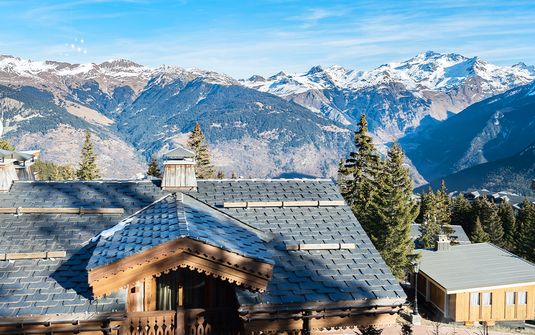
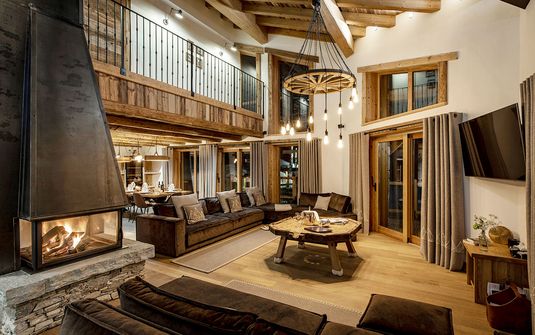
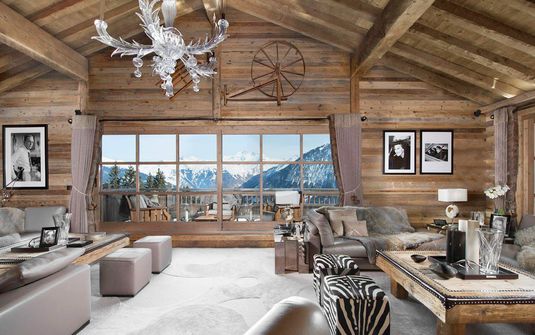
Views deserve to be understood from within the house, not only from the terrace. A carefully framed peak seen across a quiet bedroom can have as much presence as a sweeping panorama from the principal living room. Multiple outlooks introduce variation, while large areas of glazing can turn a main reception space into a continuous encounter with the mountains. The most accomplished design allows the scenery to remain powerful without making the interior feel secondary or visually restless.
Architecture That Holds Its Own Against the Landscape
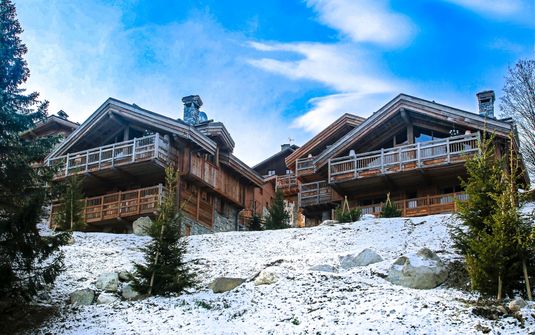
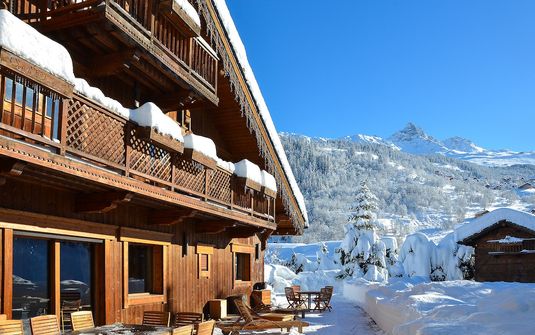
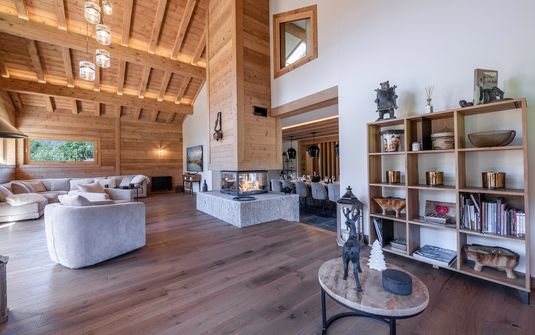
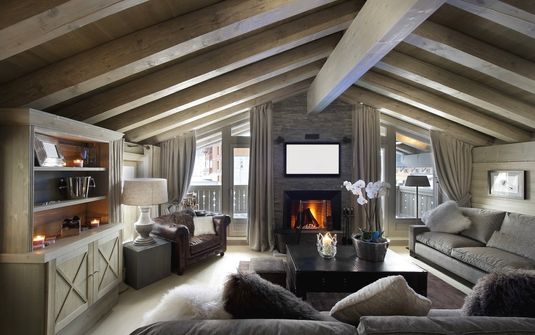
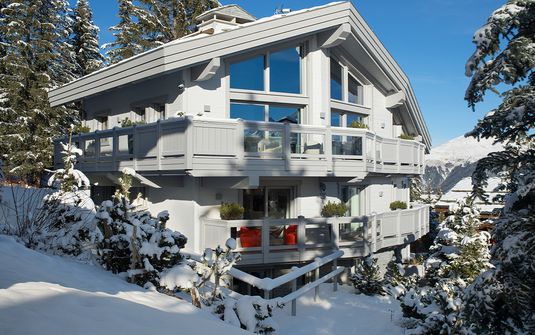
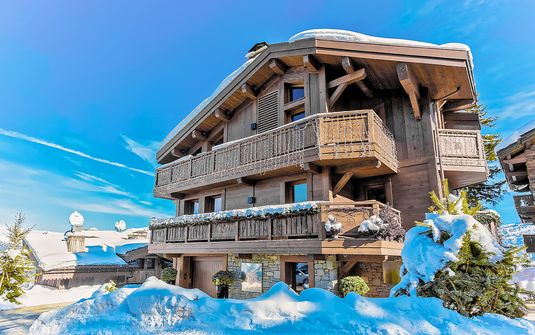
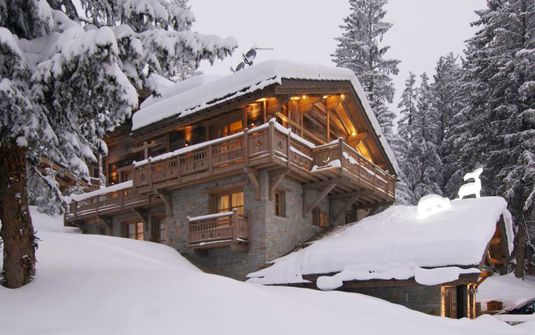
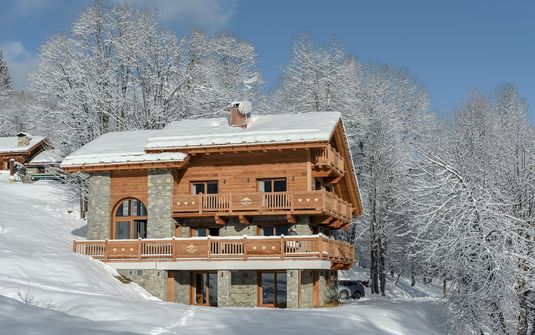
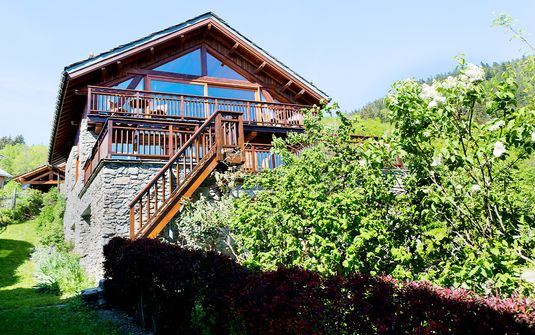
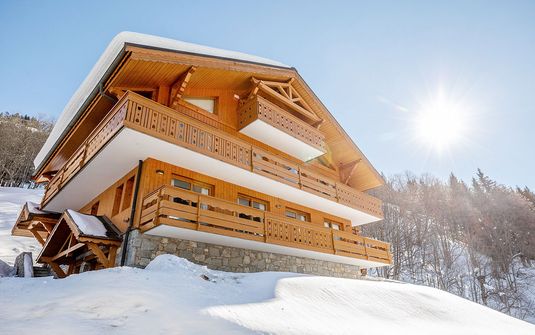
The alpine chalet’s familiar vocabulary is grounded in substantial roofs, timber construction and a protective relationship with the slope. Contemporary interpretations can retain these elements while introducing generous volumes, restrained stonework and more fluid interior connections. The finest result is neither a rustic imitation nor an urban house placed among mountains. It is a residence whose proportions, textures and sheltered spaces make sense in the particular alpine setting it occupies.
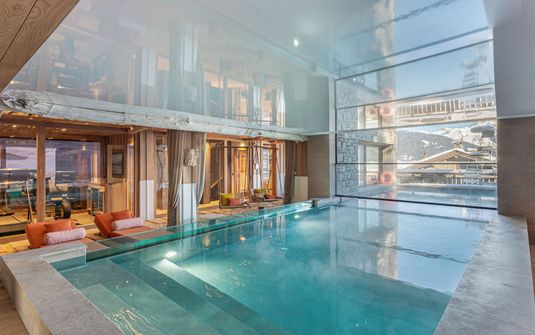
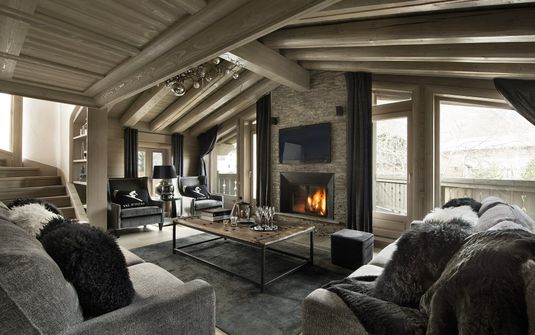
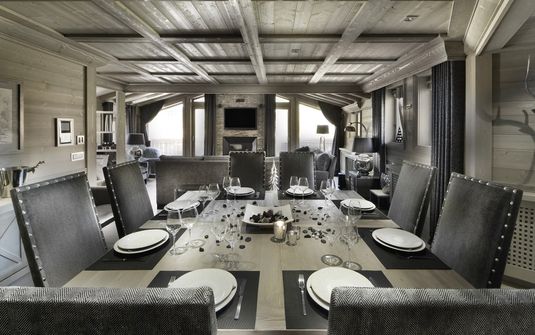
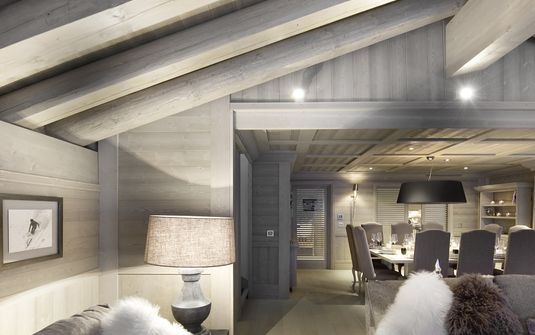
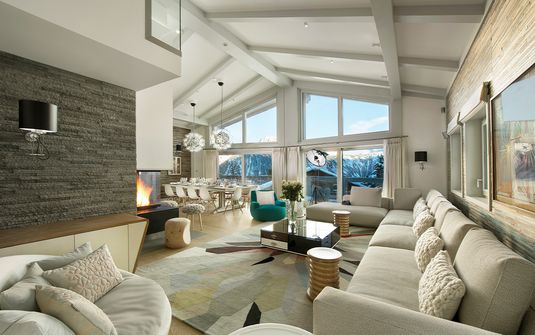
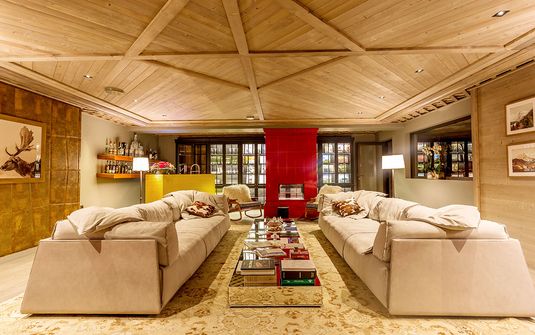
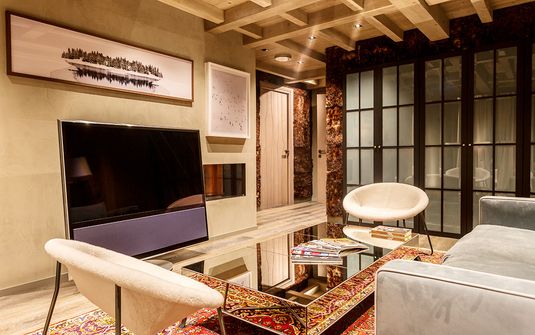
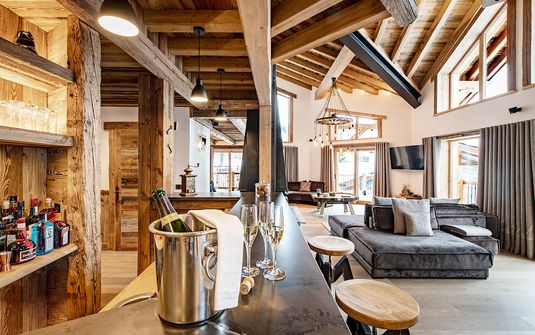
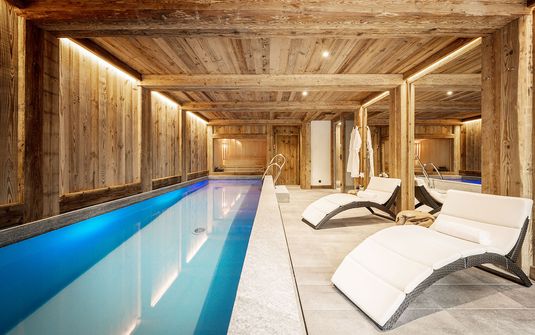
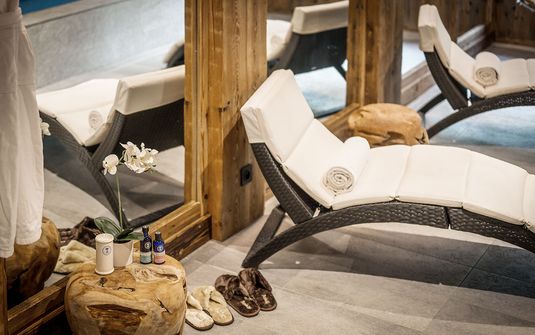
Interior character often emerges through contrasts: smooth stone beside aged wood, a high-ceilinged communal room beside a more intimate reading space, or a broad glazed wall opening from a deeply furnished interior. These distinctions give a large chalet variety and warmth. They also prevent the experience from depending entirely on the principal reception room, allowing different members of the household to find spaces that suit their own rhythm without losing the cohesion of the group.
Privacy Within a Mountain Address
A secluded impression depends on more than distance from a village center. Neighboring chalets may sit above or below the property, and terraces can have very different levels of visual exposure depending on the slope. Thoughtful orientation, established trees and a well-placed entrance can create discretion even within a settled area. A more isolated location offers another experience, but the quality of privacy should always be judged from the spaces occupied by the household rather than from the address alone.
The organization of the bedrooms is equally significant. Separate suite levels or wings can allow couples, children and accompanying household members to maintain independence. A well-balanced plan does not place every guest in the same relationship to the communal rooms, nor should the appeal of one exceptional suite obscure the comfort of the others. Alpine residences are particularly rewarding when their internal arrangement combines generous shared volumes with a convincing sense of retreat.
An Extended Stay with a Residential Center
A private chalet provides a stable domestic center within a landscape of considerable visual intensity. The return to familiar rooms, the changing perspective through the windows and the quiet of a separate bedroom wing create continuity throughout the stay. Where household support is available, it should reinforce that ease without becoming the dominant character of the residence. The atmosphere remains personal because the home is organized around the people occupying it, not around a shared institutional routine.
The French Alps are most compelling when a residence and its location are considered together. A village chalet, a wooded hillside house and a high-valley retreat each express a different interpretation of mountain life. Their common distinction lies in the meeting of architectural shelter and extraordinary natural scale. For discerning guests, that relationship provides the foundation of a sophisticated private stay, with enough regional variety to make the choice of setting genuinely consequential.


