




Méribel: Timber, Woodland and the Quiet Scale of a Chalet
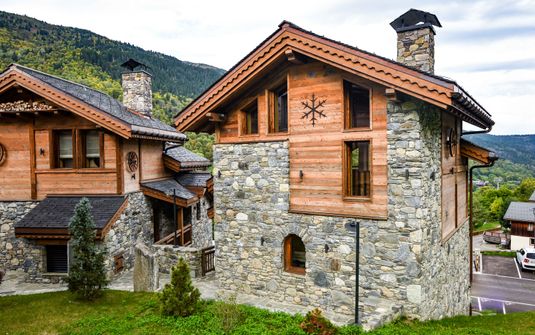
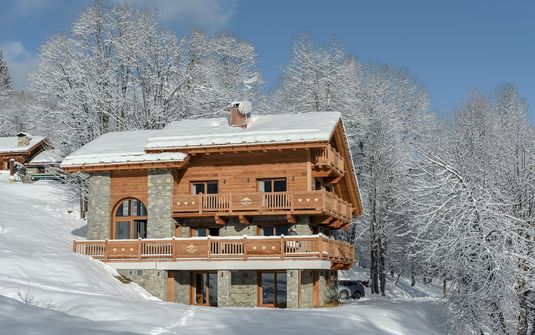
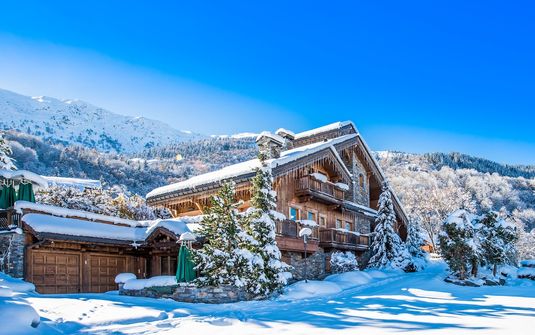
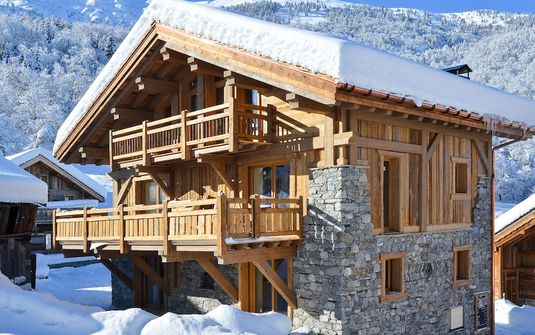
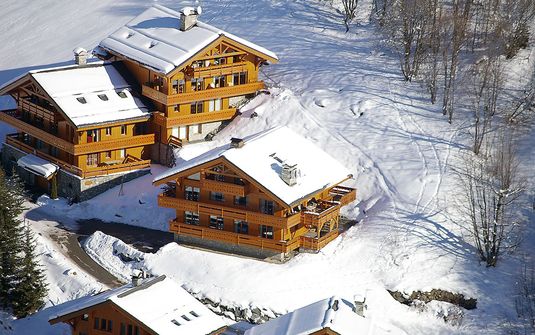
Méribel’s identity is closely tied to its architecture. Timber façades, pitched roofs and buildings gathered along wooded slopes establish a visual continuity that is unusually legible within the French Alps. A private residence belongs to this wider composition even when its interior is thoroughly contemporary. The result can be a mountain home with a clear external character and a much more individual world beyond the entrance.
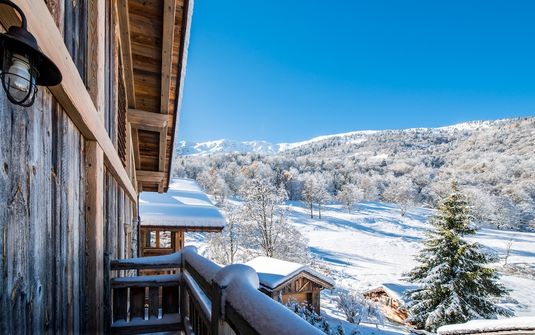
The destination occupies the Les Allues valley in mountain France, where the relationship between forest, settlement and higher ground gives the scenery several distinct layers. Rather than confronting the household with one unbroken mountain wall, an outlook may include nearby trees, the roofs of other chalets and more distant slopes. This depth creates a setting that can feel protected and expansive at the same time, particularly where the house has been positioned to preserve both privacy and perspective.
A Recognizable Architectural Landscape
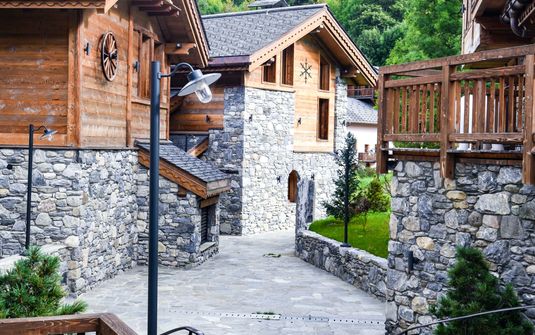
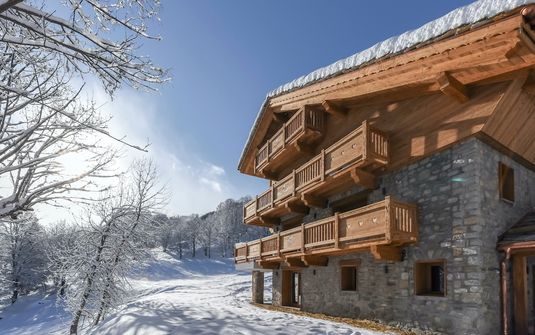
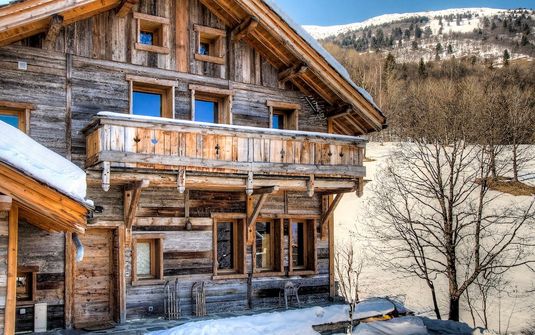
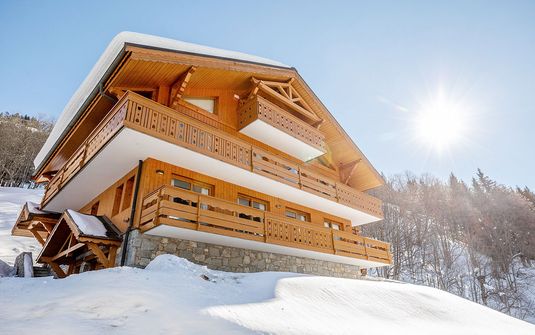
The consistency of chalet forms gives Méribel a strong sense of residential belonging. Rooflines step with the terrain, balconies introduce horizontal detail, and timber surfaces soften the scale of larger buildings. This coherence does not mean that every home is identical. Differences in age, craftsmanship and interior planning remain important, but they are expressed within a vocabulary that keeps the built environment visually connected to the mountain landscape rather than allowing individual façades to compete for attention.
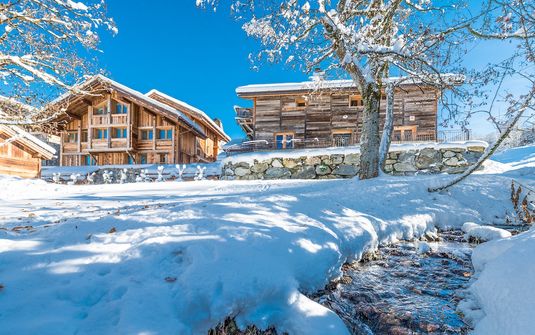
Seen from inside a residence, that architectural continuity can become part of the outlook itself. A neighboring roof framed by trees need not diminish the mountain setting; it may give the scene a more inhabited and intimate character. More open plots offer another register, with greater separation between buildings and longer views. Méribel accommodates both, and the distinction lies in whether the household prefers to feel embedded within the chalet settlement or more withdrawn towards its quieter edges.
The Presence of the Forest
Woodland changes the atmosphere around a house in subtle ways. It can filter sightlines, break up the visual mass of neighboring buildings and give an exterior terrace a sense of enclosure. At close range, trunks, branches and the texture of the ground introduce detail that a distant panorama cannot provide. A chalet beside mature trees may therefore possess considerable character even when its broadest view is more restrained than that of a house on an exposed slope.
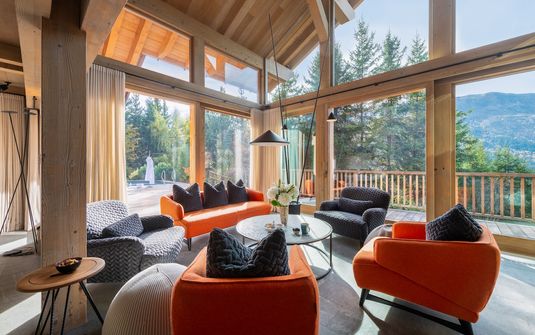
The design of the openings determines how that setting enters the interior. A wide window can place a living room within the woodland scene, while a smaller opening creates a more deliberate frame. Upper balconies may reveal a broader prospect above the immediate planting. These changes in perspective can give separate rooms different identities, allowing the house to unfold through a series of outlooks instead of repeating the same view throughout every level.
Natural Materials, Carefully Interpreted
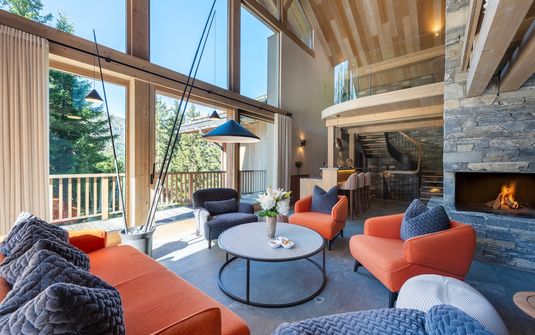
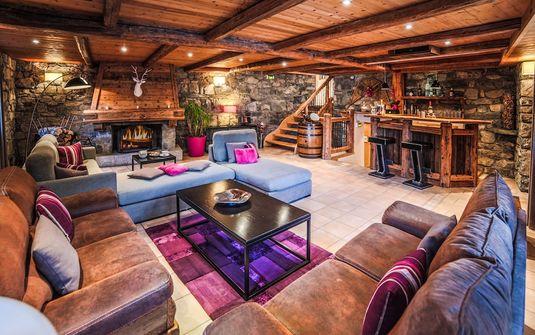
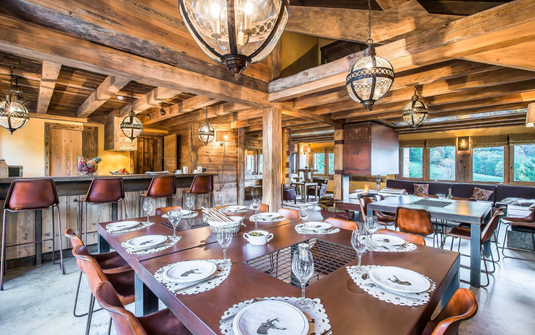
A convincing Méribel interior gives timber more than a decorative role. The material can establish the structure of a room, define the ceiling plane or bring warmth to a quieter wall surface. Stone introduces a complementary sense of weight, while restrained contemporary furniture keeps the composition from becoming overly nostalgic. The appeal lies in the precision of these relationships: the grain of a broad beam, the depth of a fireplace surround and the proportion of a comfortable seating area.
Light is equally important to the experience of those materials. A darker timber room can feel enveloping when its windows are well placed, whereas a more open interior may use pale surfaces to carry brightness further into the plan. Neither requires a uniform treatment across the whole house. A residence becomes more interesting when the principal lounge, a smaller retreat and the bedroom suites each have an atmosphere appropriate to their scale and position.
The Rhythm of a Shared Private House
Méribel’s chalet residences can offer a particularly appealing form of shared domestic life. The main living area acts as a point of connection, while the distribution of bedrooms across the building allows the household to separate naturally. The effectiveness of that arrangement depends on the individual plan. Equal attention to secondary suites, clear circulation and comfortable spaces beyond the principal lounge helps a larger home feel balanced rather than concentrated around one privileged room or level.
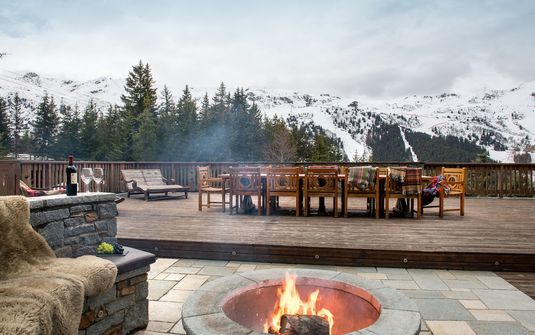
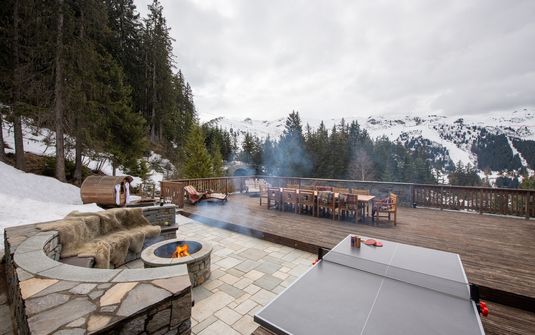
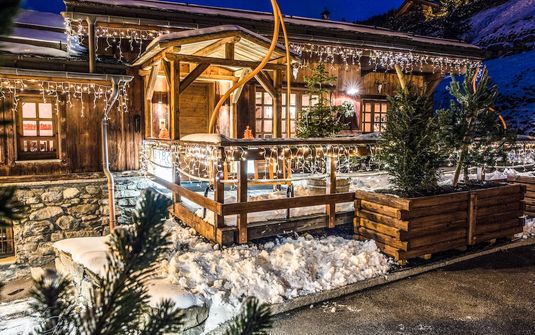
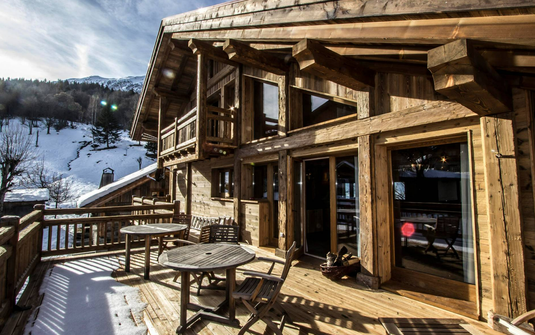
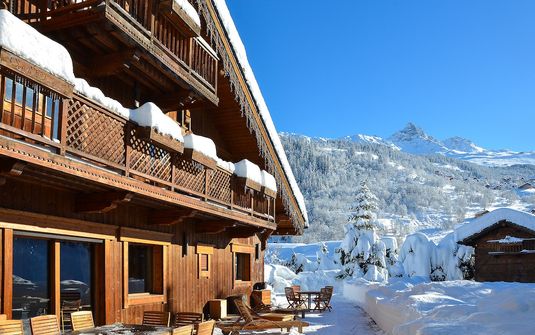
A sheltered exterior area can extend that rhythm beyond the walls without changing the home’s intimate character. Deep balconies and terraces beneath the roofline offer a close relationship with the surrounding trees and slopes. Their contribution is architectural as much as functional: they give the building depth, create intermediate spaces and soften the boundary between room and landscape. In Méribel, these elements are part of the chalet’s underlying residential language rather than additions unrelated to the setting.
A Mountain Residence with Visual Continuity
The destination’s distinction comes from the coherence of its parts. Woodland, sloping ground and a recognizable building tradition establish a setting in which a private chalet can feel at ease. Interior refinement then adds another layer, through craftsmanship, proportions and the way the household’s private spaces are protected. This combination gives Méribel an atmosphere that is composed without being formal, and distinctly alpine without depending on an accumulation of rustic decorative references.
For guests who appreciate a residence with warmth and architectural clarity, Méribel offers a strong sense of context. The house can provide generous comfort while still belonging visibly to the valley around it. An extended stay becomes a sequence of small, specific impressions: timber close to hand, trees beyond a balcony and the changing depth of a mountain view. Together, those details create a private address with a character that remains unmistakably its own.


