




The French Riviera: A Tradition of Distinctive Private Addresses
The French Riviera combines a deeply articulated Mediterranean coast with one of the most recognizable residential traditions in France. Peninsulas, sheltered bays and rising ground create settings that differ markedly over relatively short distances. Historic villas, established gardens and contemporary hillside houses give the region an architectural richness beyond its public image, allowing a private stay to be defined by a precise address rather than by a generalized idea of coastal glamour.
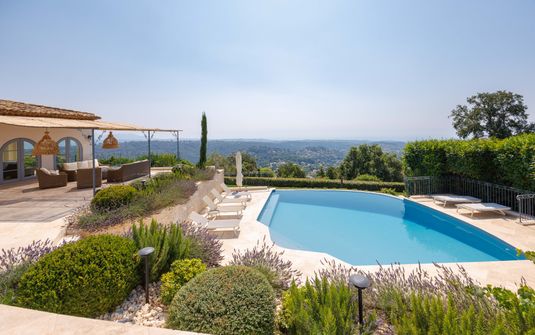
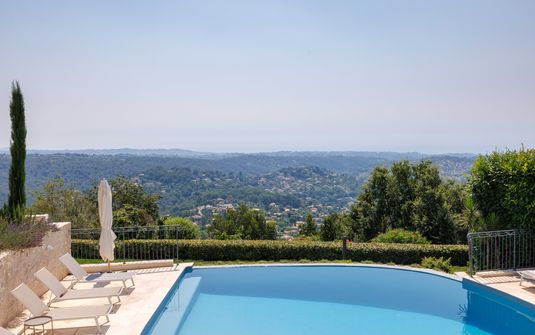
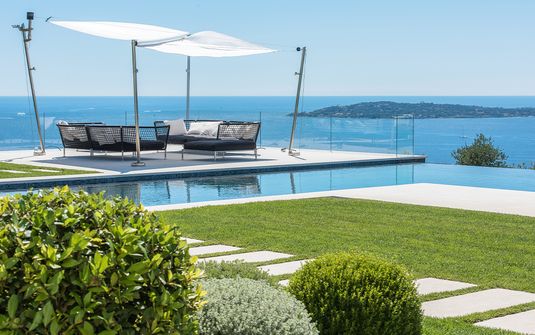
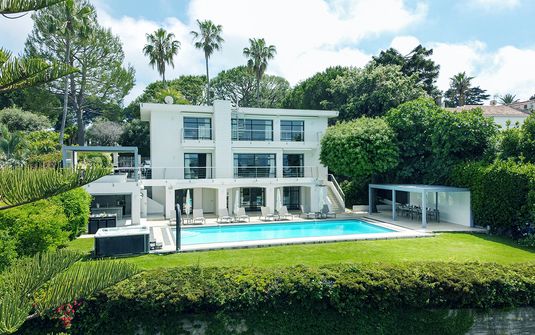
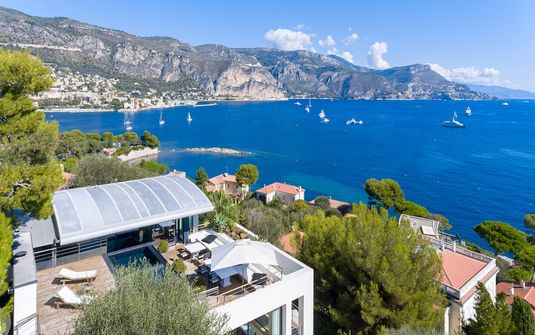
The most compelling residences make the relationship between house and landscape feel deliberate. A garden can establish intimacy close to the water, while an elevated site may reveal a long sequence of headlands and neighboring bays. Urban proximity and privacy are not mutually exclusive here, but neither is seclusion guaranteed by a coastal name. The character of the residence emerges from its orientation, the maturity of its grounds and the scale of the surrounding buildings.
Different Settings Along the Riviera
Cannes offers an enduring relationship between a substantial coastal town and residential hillsides, where private gardens and broad terraces can create a separate domestic world above the bay. Cap d’Antibes has a different atmosphere, shaped by the peninsula, established villa plots and a closer sequence of sea, trees and garden walls. Both belong to the Riviera, yet their residential identities are sufficiently distinct to make the choice of setting meaningful.
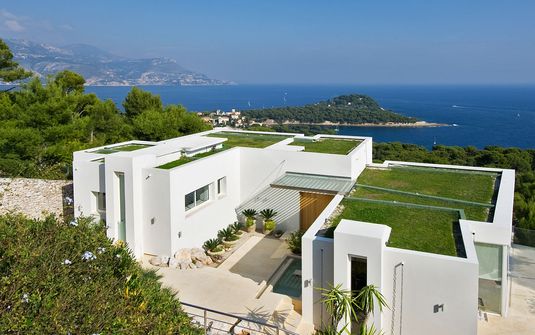
The Nice & Monaco collection places the eastern Riviera’s urban and coastal architecture in a broader landscape of slopes and sea-facing addresses. Saint-Jean-Cap-Ferrat introduces a more concentrated peninsula setting, where mature gardens and carefully enclosed properties form an important part of the residential character. These areas show how the region can offer both a metropolitan perspective and a more protected estate atmosphere without losing its Mediterranean identity.
A More Village-Led Coastal Character
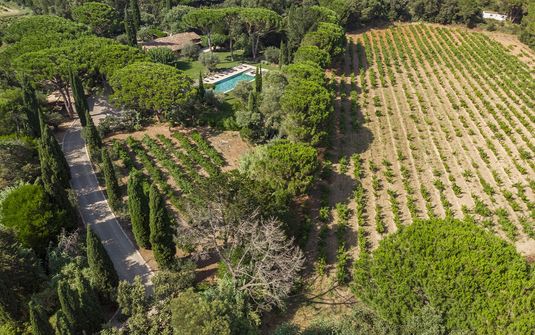
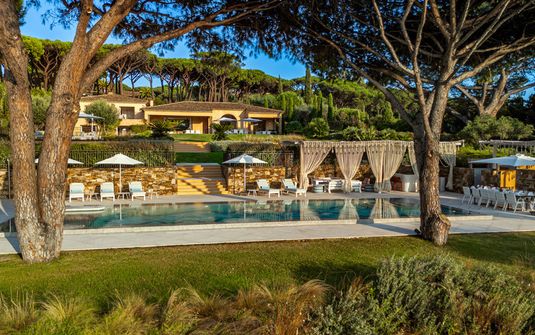
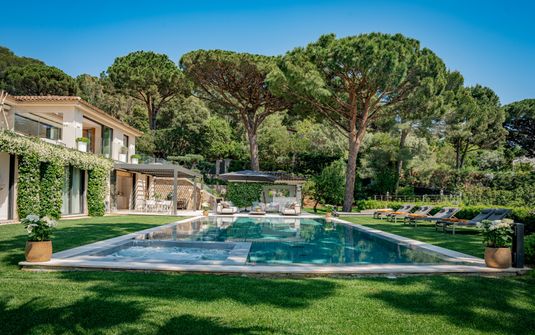
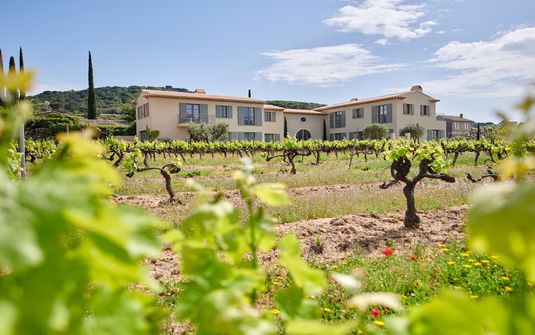
Saint-Tropez provides another register, with a private residential landscape that extends beyond the compact village towards gardens, vineyards and lower coastal terrain. Houses here may feel more closely related to the land and to a Provençal architectural vocabulary than to an urban seafront. The contrast with the Riviera’s steeper eastern settings is part of the region’s appeal, giving a household genuine alternatives in atmosphere rather than a succession of interchangeable prestigious names.
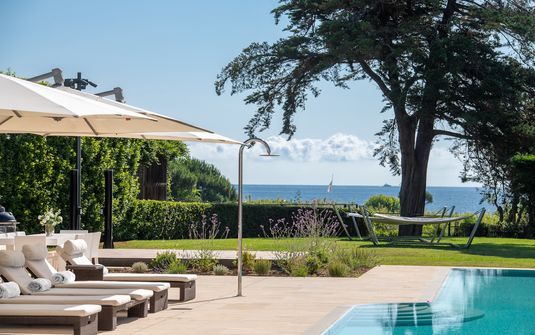
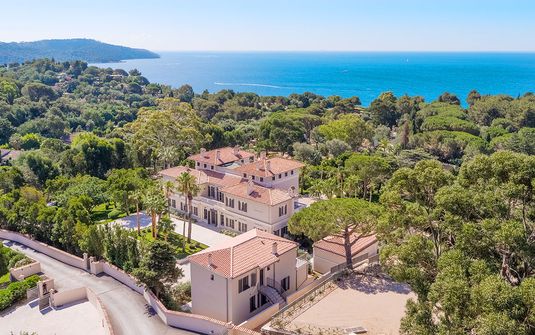
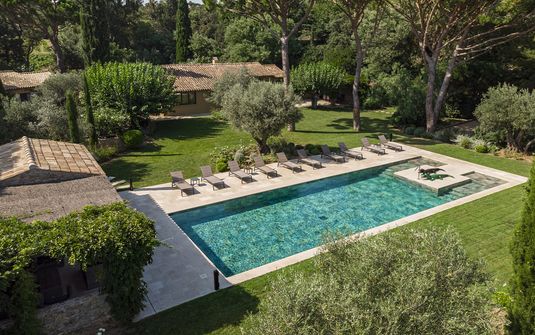
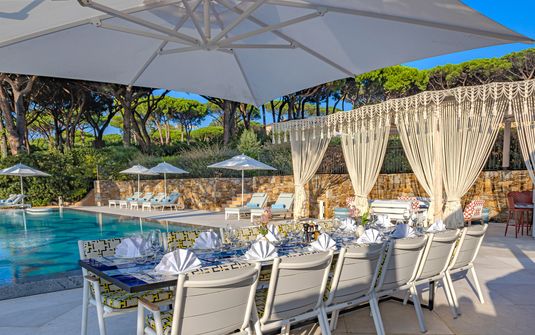
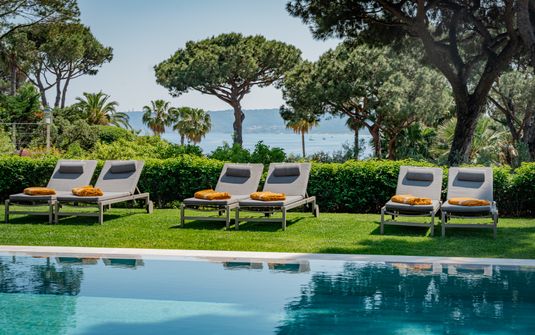
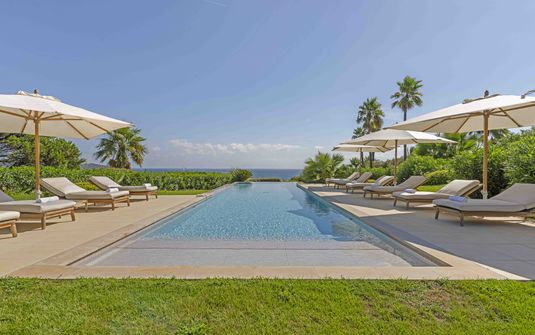
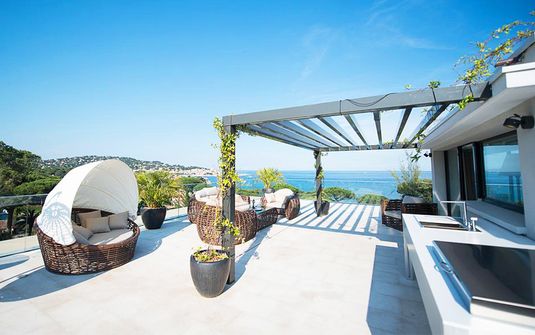
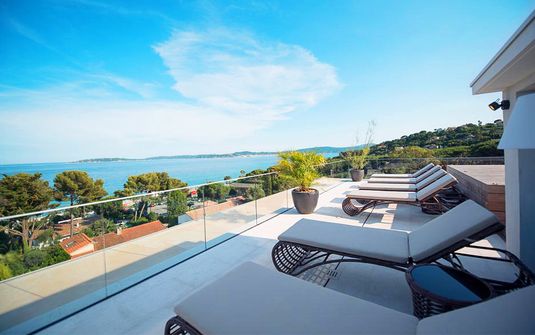
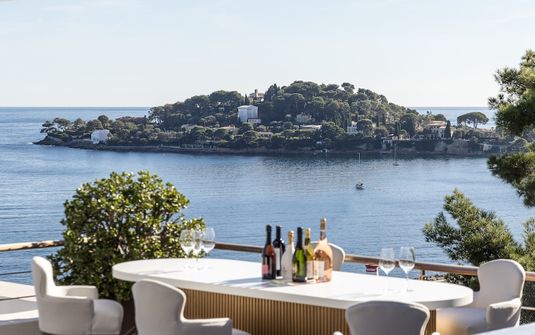
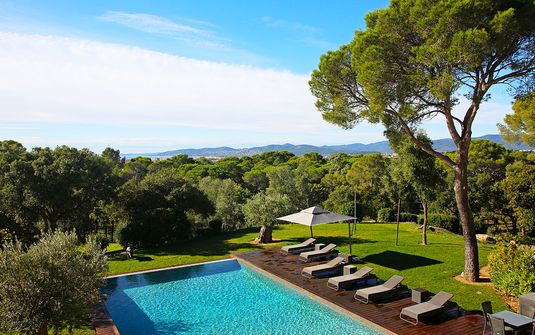
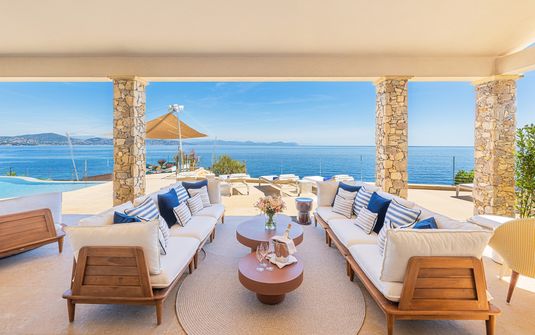
Across these settings, the immediate surroundings are often as consequential as the distant panorama. A mature pine, a stone boundary or the depth of a planted garden can provide the scale that makes a large residence feel intimate. The view becomes more persuasive when the foreground is resolved. A carefully protected terrace overlooking the sea may offer a richer residential experience than a more exposed property with a broader but less private outlook.
Architecture from the Belle Époque to the Contemporary Villa
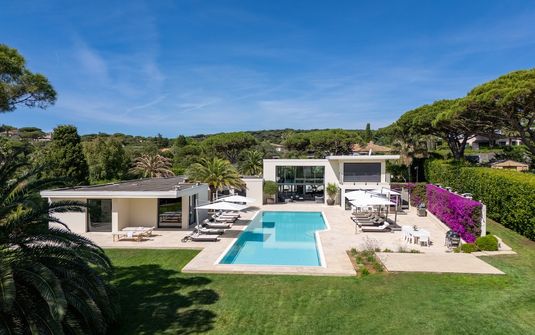
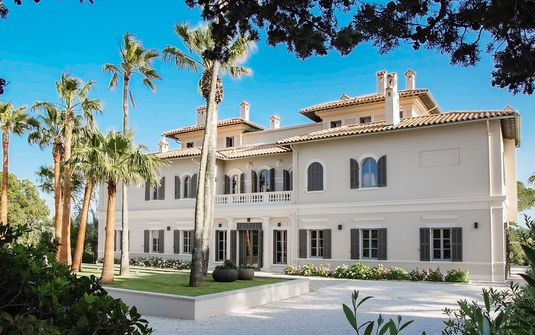
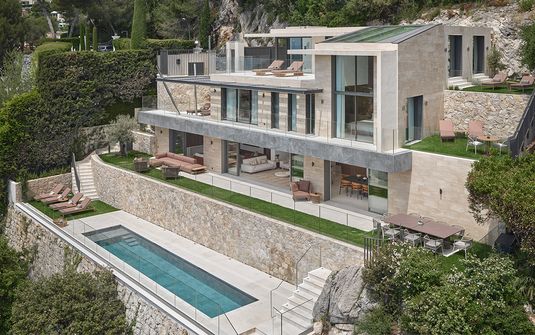
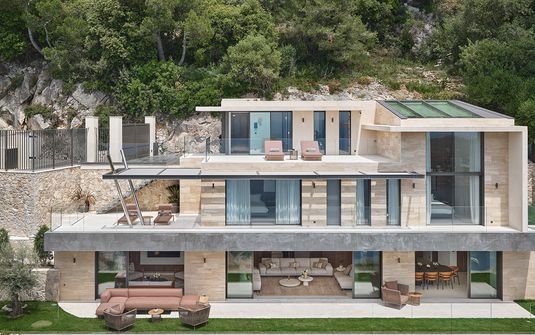
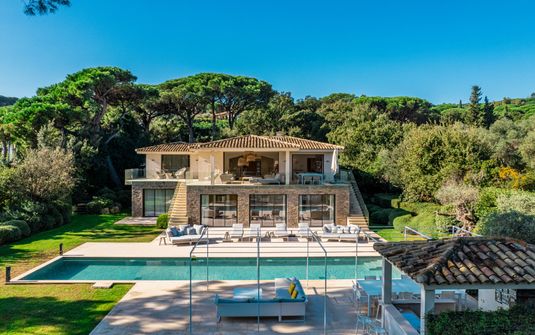
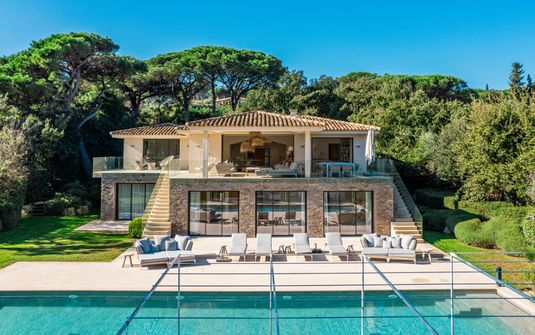
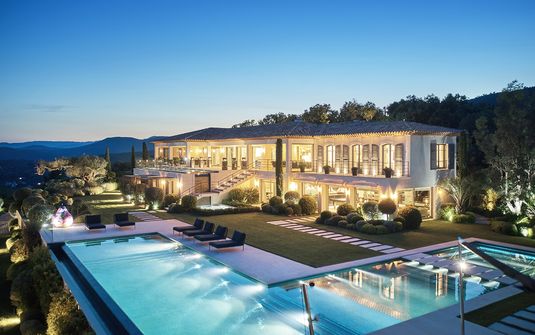
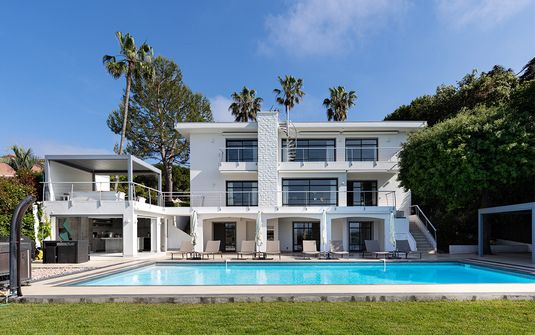
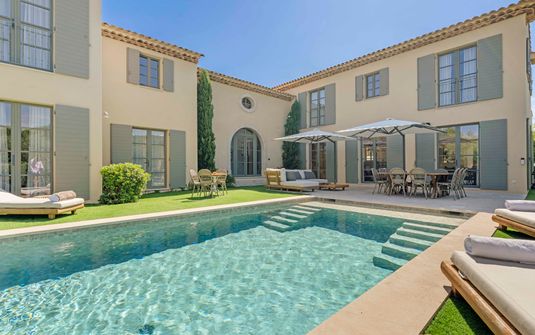
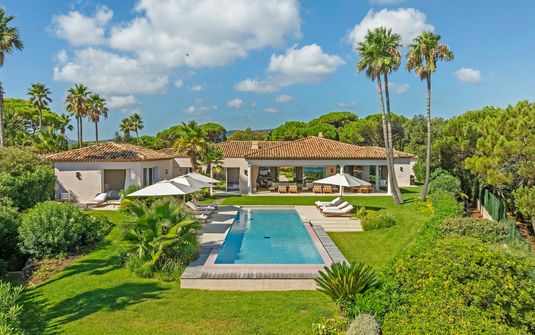
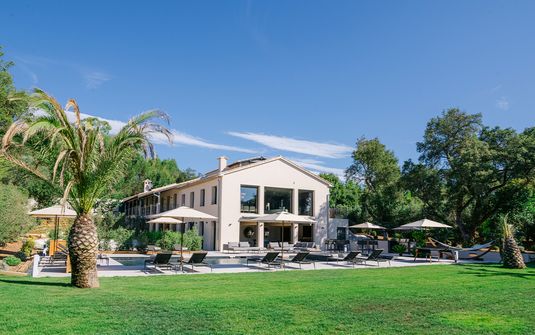
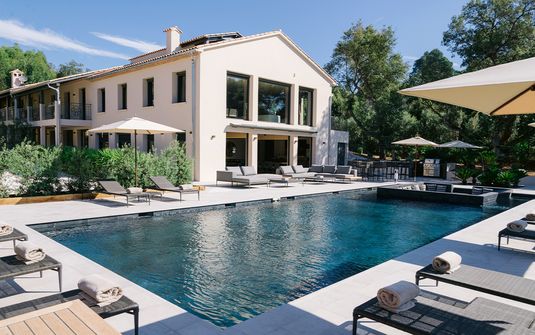
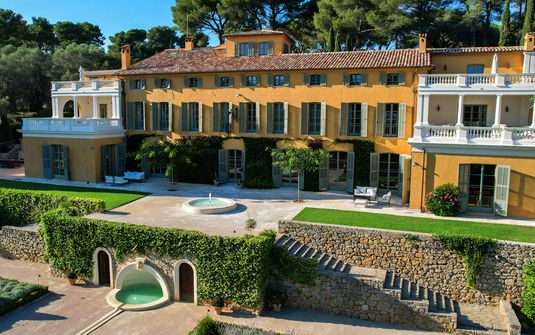
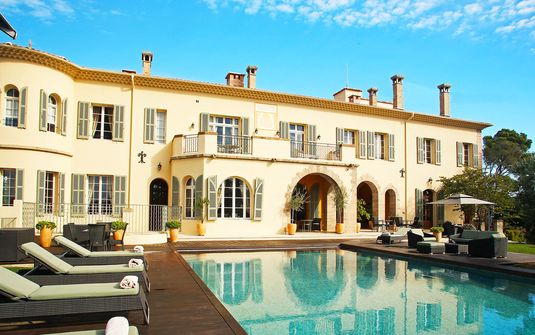
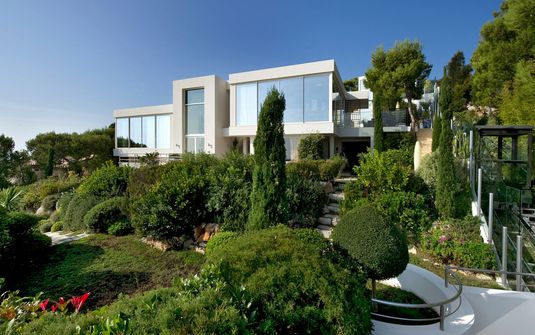
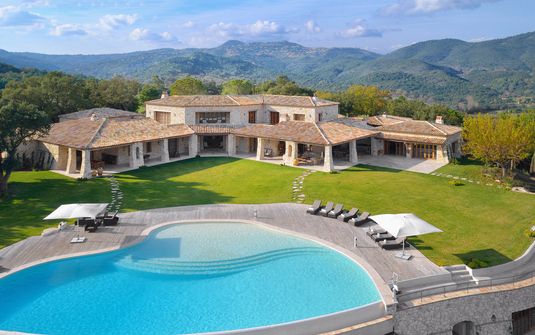
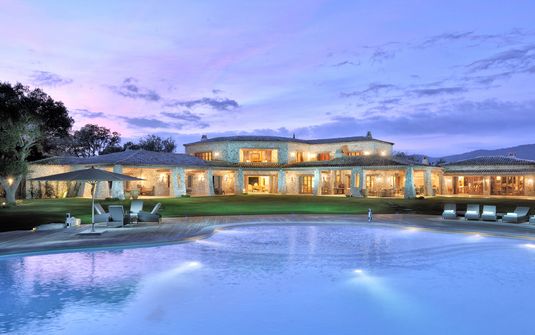
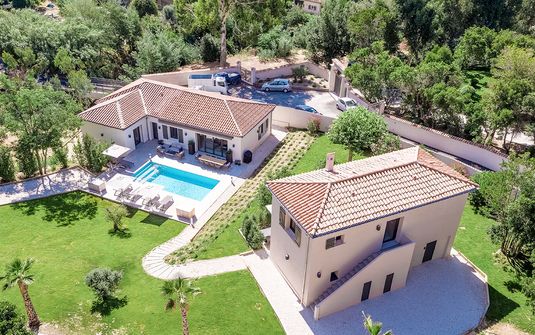
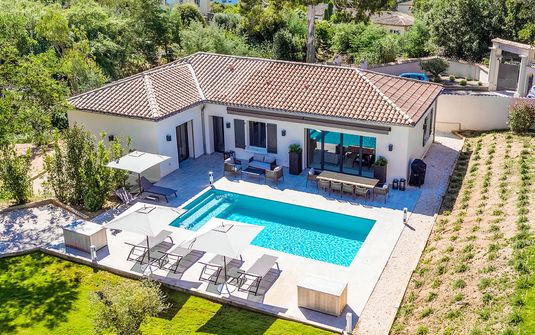
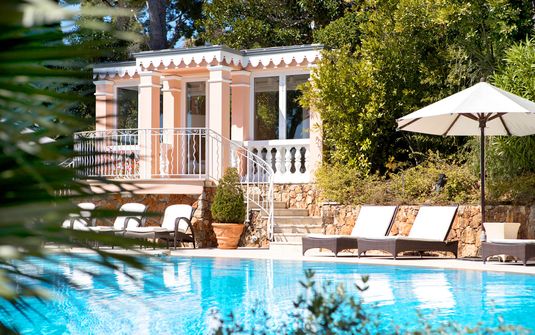
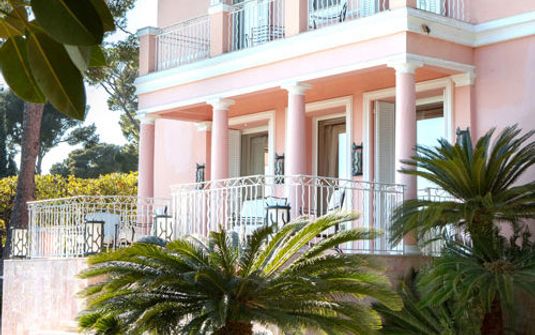
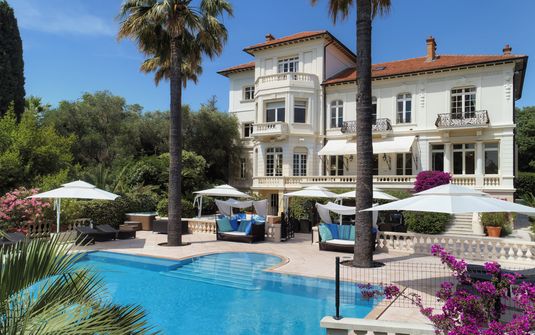
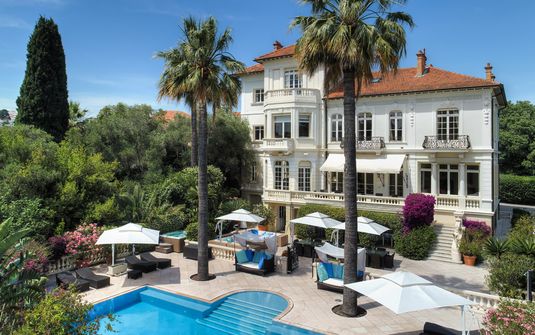
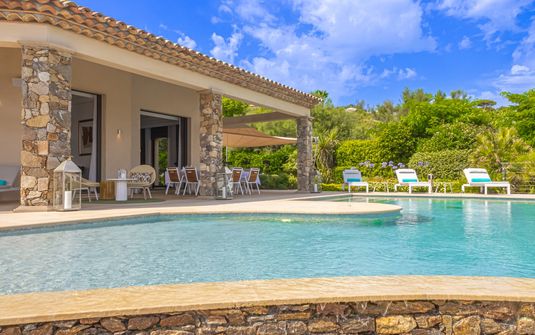
The Riviera’s architectural variety reflects a long history of private residence. Older villas can retain formal reception rooms, decorative façades and a deliberate sequence between house and garden. More restrained Mediterranean homes use tiled roofs, shutters and sheltered exterior spaces to establish a quieter character. Contemporary properties often emphasize horizontal planes, glazing and the connection between living rooms and terraces, while successful designs preserve a sense of enclosure around the more private parts of the home.
Interior distinction comes from the way these architectural forms are inhabited. A period villa may use art, books and considered furnishings to give generous rooms a personal scale, while a modern house can rely on a more limited material palette and carefully controlled sightlines. Neither style needs to feel staged. The strongest homes offer enough variety in their rooms to support a sustained stay, with places for conversation, quiet withdrawal and the independent routines of a larger household.
Gardens as an Instrument of Privacy
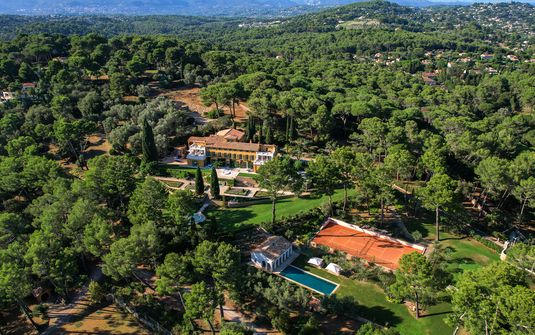
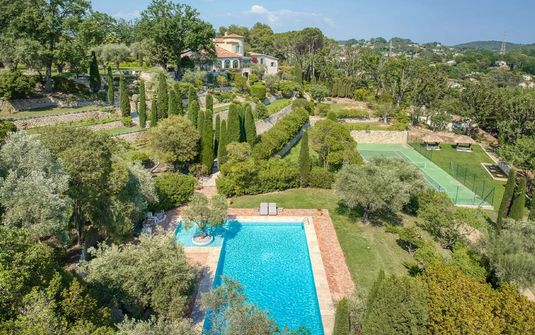
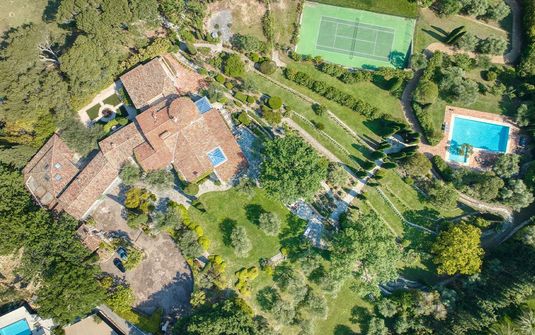
Established grounds are central to many Riviera addresses. Planting can screen neighboring properties, frame a particular sea view and divide a broad plot into several more intimate spaces. Terraces, lawns and sheltered courts create different relationships with the house, allowing the exterior to feel like a sequence of rooms rather than a single ornamental setting. This layered composition gives privacy a physical form that remains valuable even where the surrounding coastline is closely developed.
Bedroom placement adds another level of discretion. Separate wings, independent guest accommodation or suites distributed across several storeys can create very different household arrangements. The appropriate balance depends on the people staying together, but the principle remains constant: a substantial villa should provide personal space as convincingly as it provides a communal center. The quality of a private stay is often found in these quieter planning decisions rather than in the scale of the principal terrace alone.
A Residence with Its Own Riviera Identity
The region is most rewarding when the chosen house has a clear relationship to its particular setting. A peninsula estate, a hillside villa and a garden residence near a village each express a different aspect of the Riviera. Their distinction lies in architectural character, outlook and the degree of enclosure around the household. A private home allows those qualities to become the substance of the stay, rather than a backdrop to a shared accommodation experience.
For discerning guests, the French Riviera offers a rare breadth of residential choice within a coherent coastal landscape. Historic detail, contemporary design and mature grounds can all provide a compelling setting when they are considered together. The result is an independent Mediterranean address with enough privacy to feel personal and enough connection to its surroundings to remain unmistakably rooted in this richly varied stretch of the French coast.


