




Saint-Tropez: Private Villas with a Provençal Character
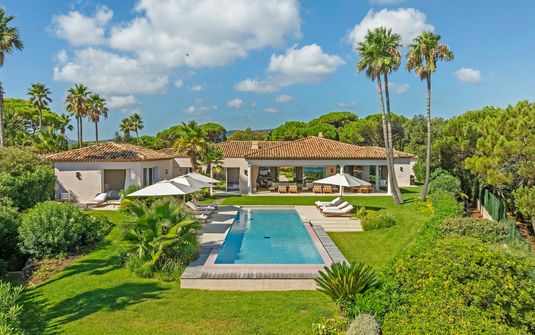
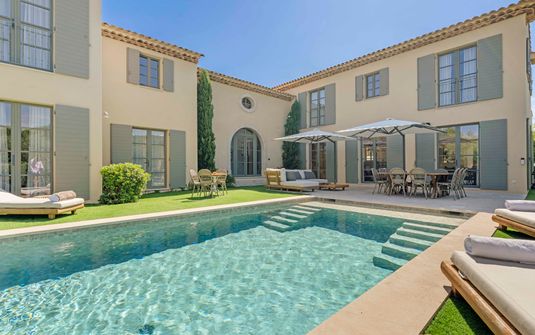
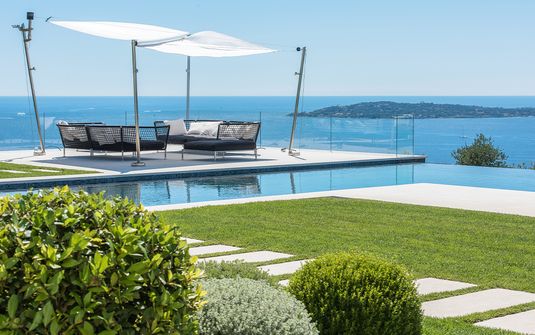
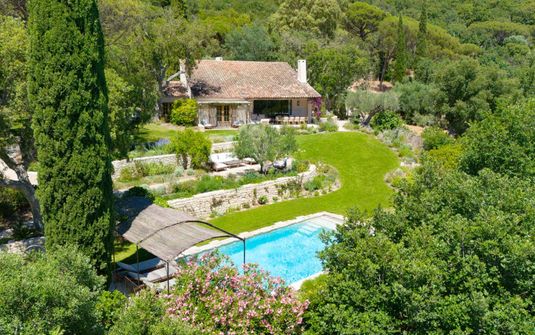
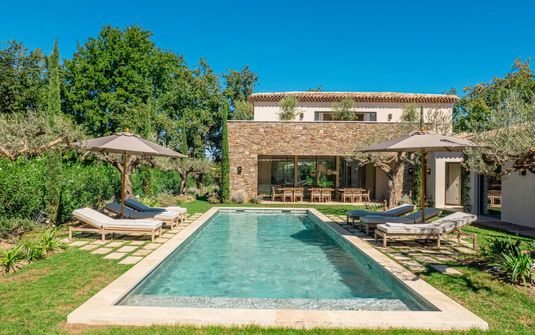
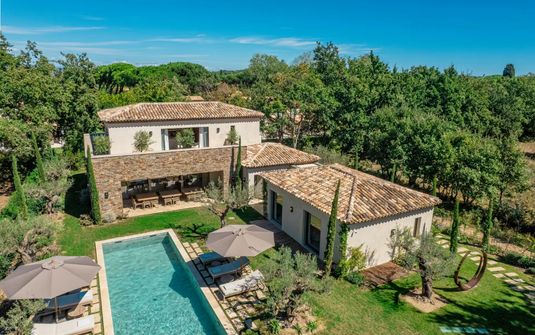
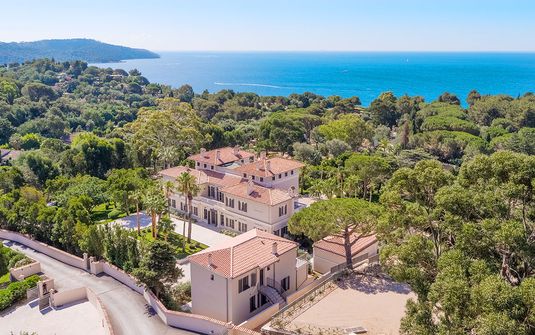
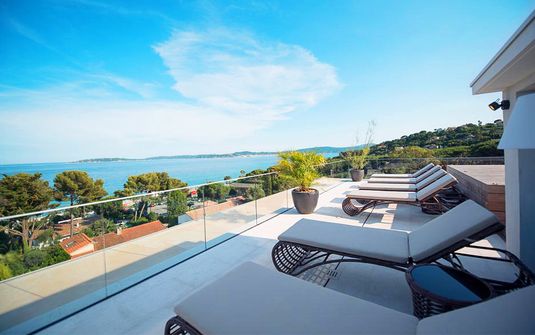
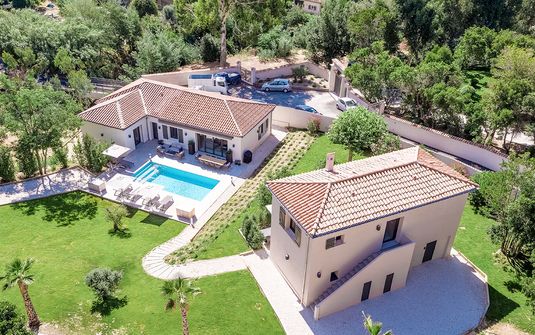
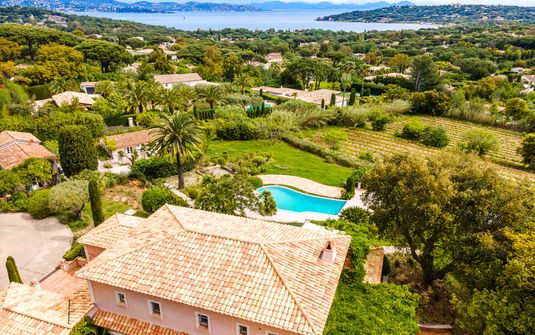
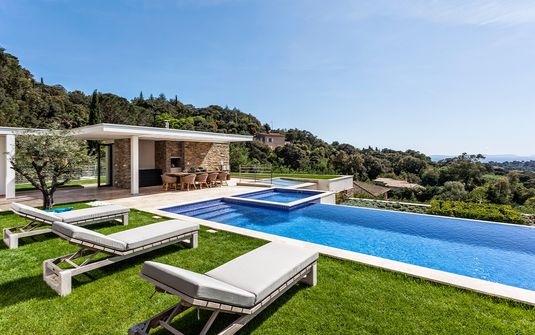
Saint-Tropez has a residential landscape that extends well beyond its compact coastal village. Low hills, established gardens and agricultural land create a softer setting than the steeper eastern reaches of the French Riviera. A private villa can feel closely connected to that land, with tiled roofs, shutters and sheltered terraces giving the architecture a distinctly Provençal register. The appeal is often found in a garden-led atmosphere rather than in a single commanding sea panorama.
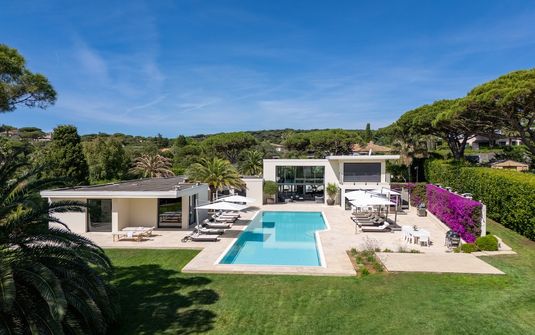
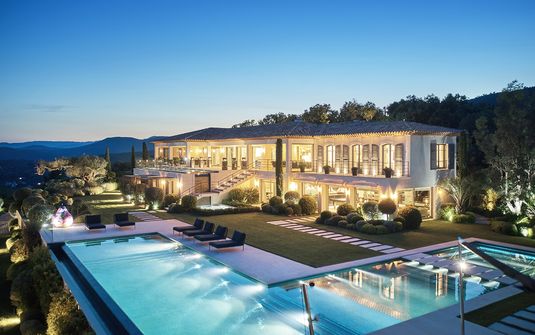
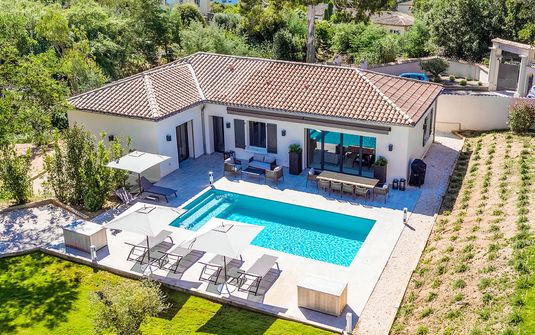
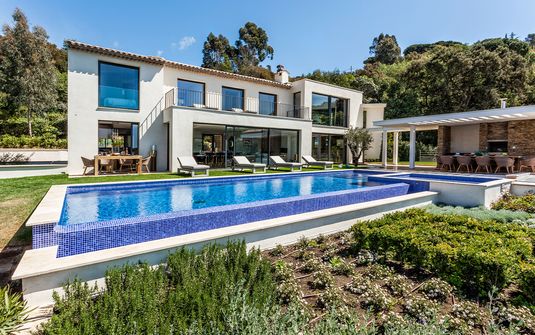
This part of France accommodates several different kinds of private address. A house within the village fabric has a more enclosed architectural context, while a detached property among planted grounds offers greater separation and a broader domestic setting. Contemporary villas introduce another perspective through clearer volumes and more open interior plans. The essential distinction is how the residence relates to the scale of the surrounding land, not whether it conforms to one familiar image of Saint-Tropez.
The Landscape Beyond the Village
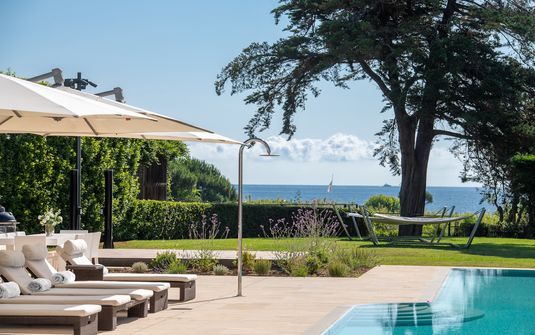
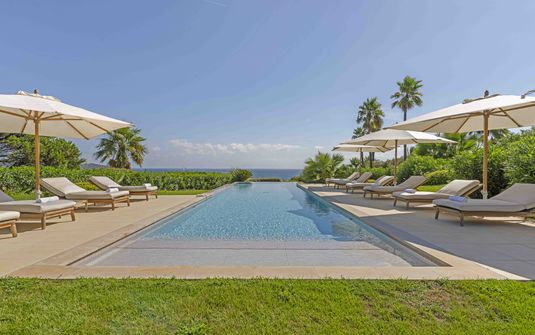
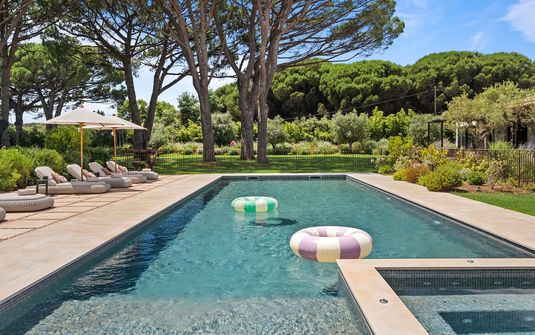
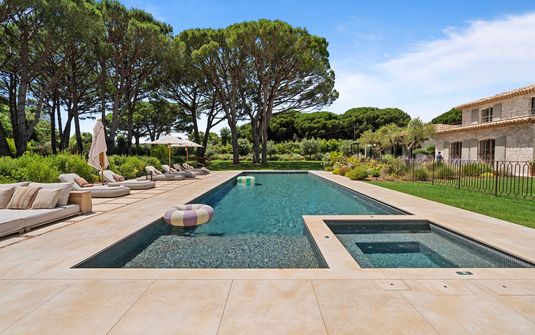
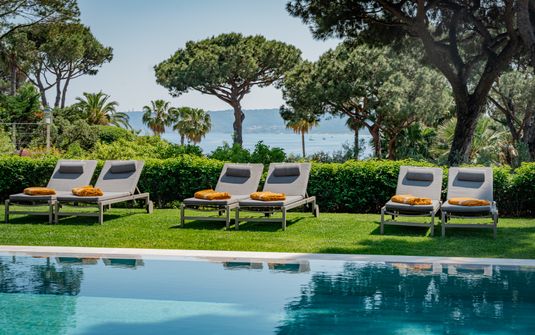
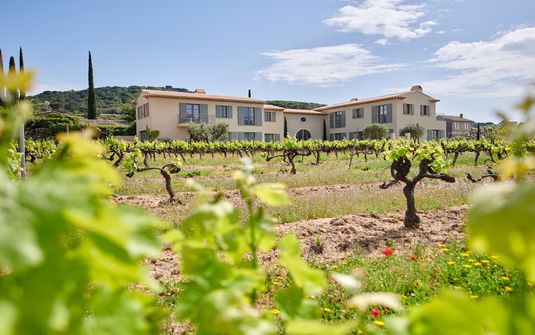
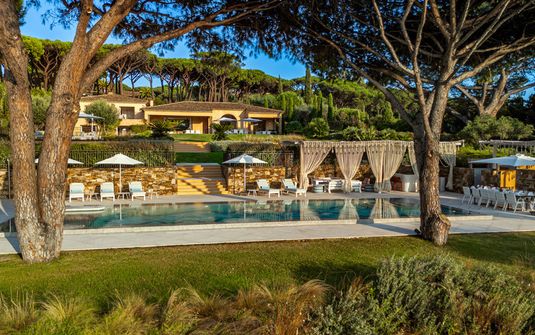
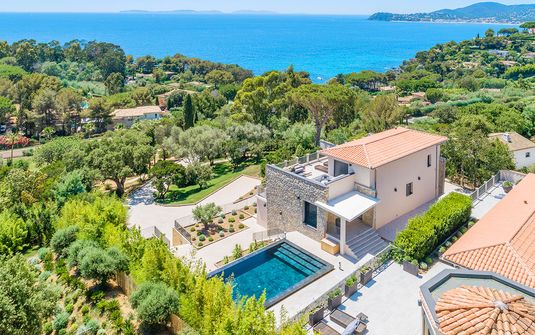
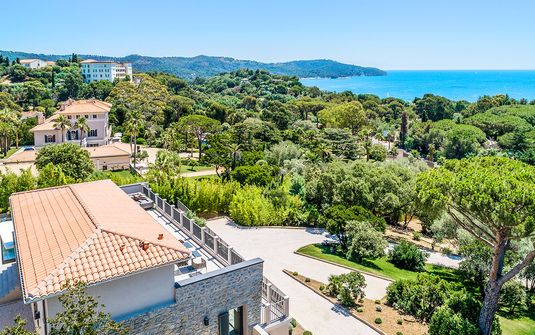
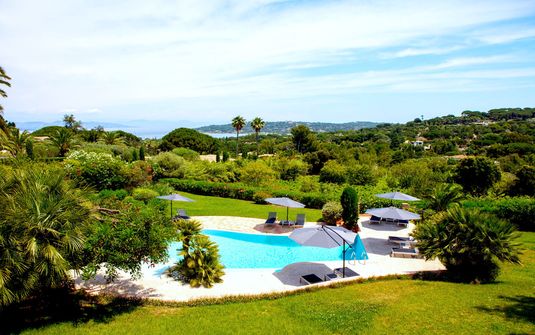
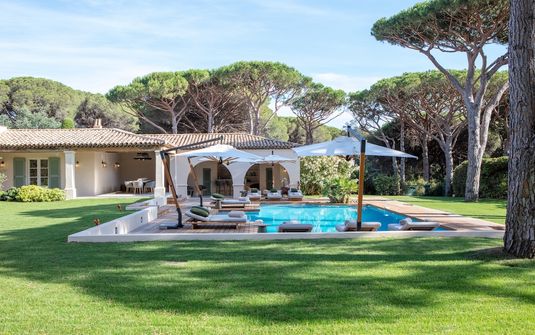
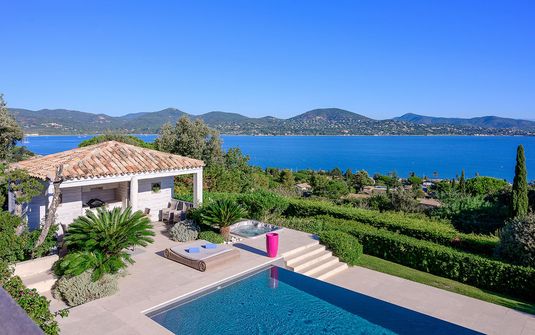
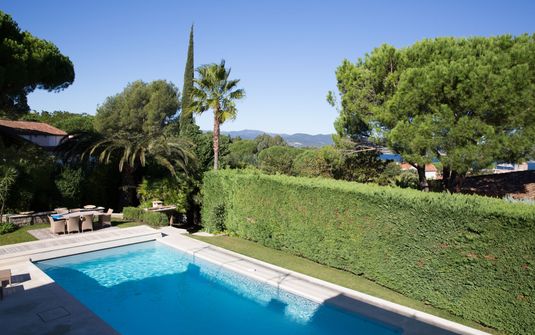
The foreground of a Saint-Tropez property can be especially expressive. Pines, cypresses, lawns and vineyard patterns give the land structure without the abrupt verticality found elsewhere along the coast. A residence may reveal the Mediterranean through this landscape, or it may look more fully inward towards its own grounds. Both experiences can be compelling. The sea remains part of the wider context, while the house establishes a private world whose atmosphere is determined by its immediate surroundings.
More contained village properties offer a different intimacy. Their scale is shaped by neighboring walls, rooflines and the quieter spaces behind a façade. A courtyard or roof terrace can become an important part of the residence, creating exterior space within a more compact setting. Such houses derive their character from architectural continuity rather than acreage. They are most convincing when the interior retains that sense of place while providing the comfort and independence required by the household.
The Garden as the Center of the House
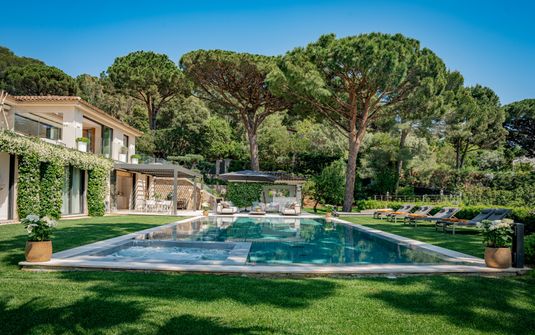
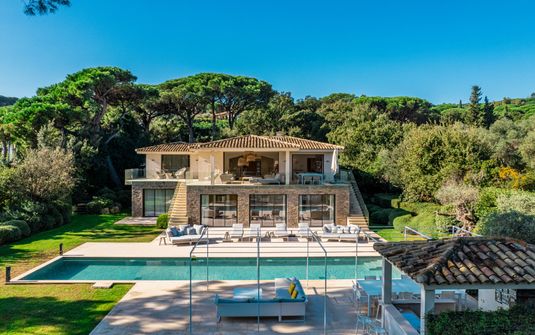
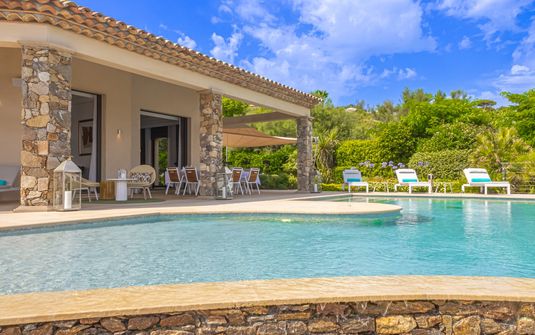
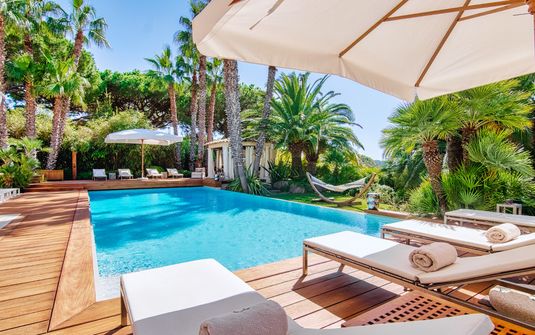
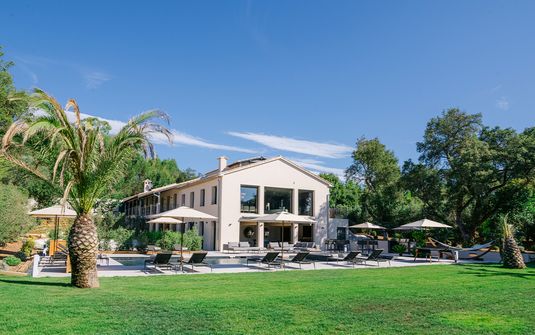
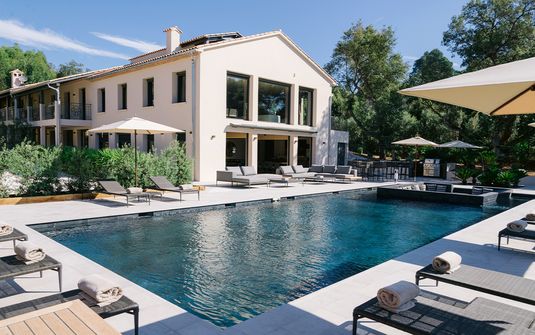
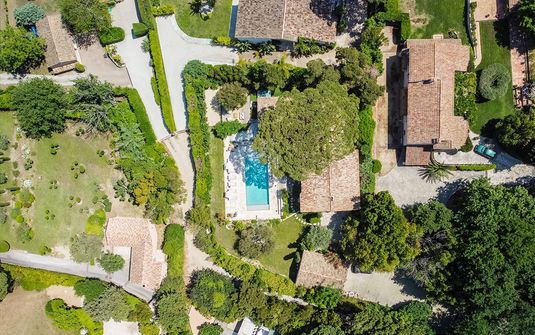
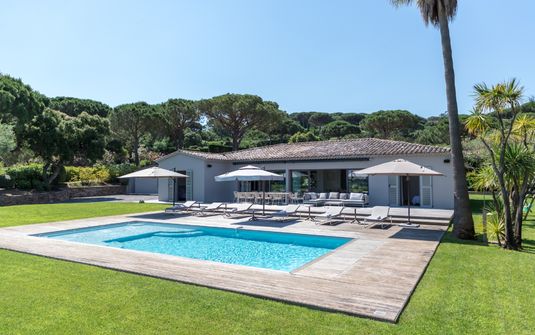
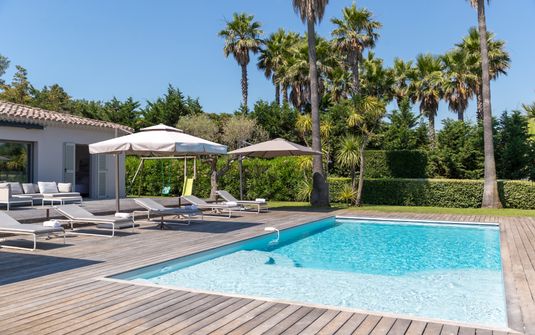
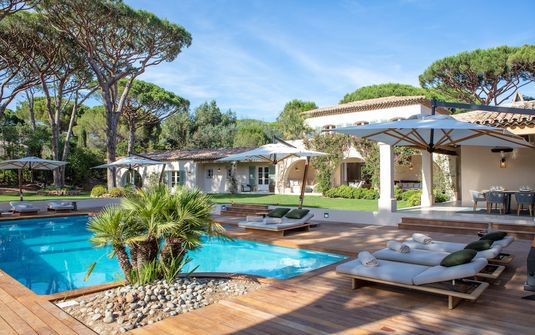
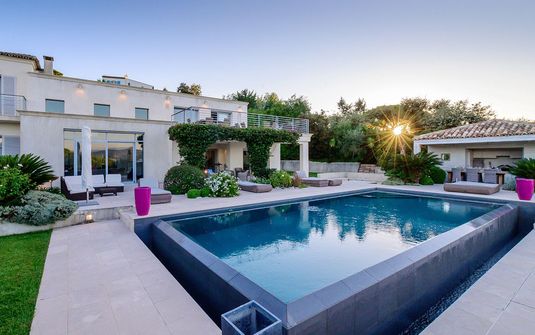
In a detached villa, the garden often becomes the organizing element of the stay. Reception rooms may open towards a lawn or terrace, while bedroom wings occupy quieter positions along its edges. Mature planting gives these different areas a degree of separation without breaking the unity of the property. The result can be a residence whose apparent size is less important than the quality of its transitions, allowing the household to inhabit several exterior spaces with distinct atmospheres.
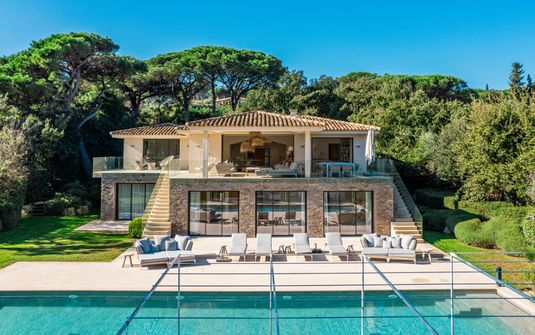
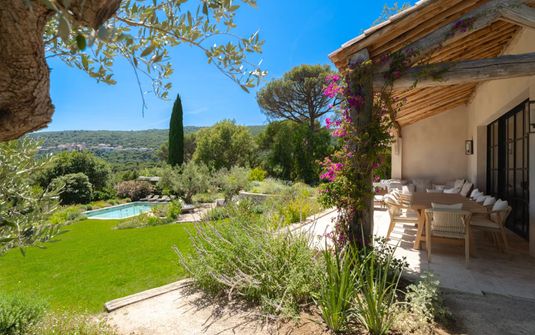
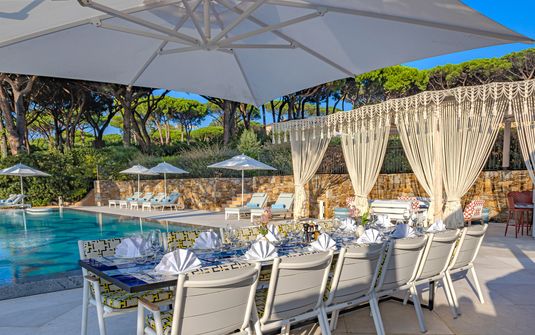
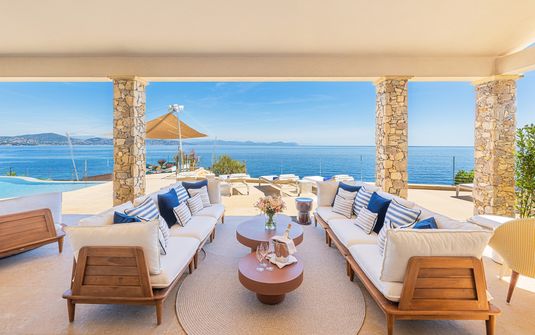
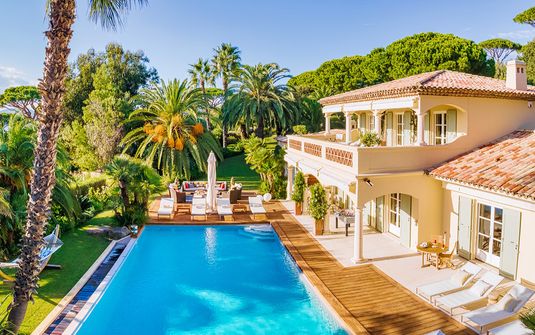
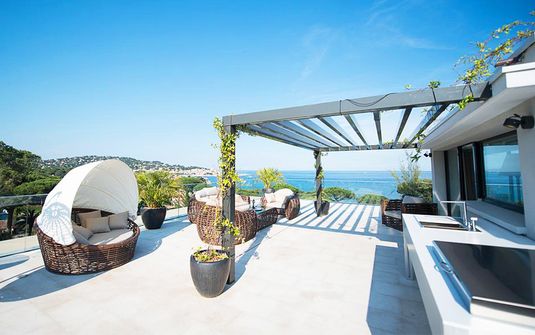
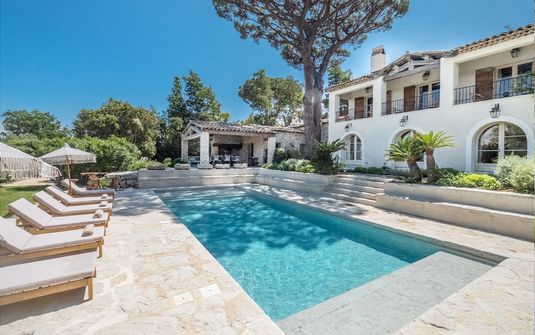
A sheltered terrace can provide a particularly natural connection between interior and grounds. Its roofline, columns or pergola give the exterior a defined scale, making it feel like part of the building rather than a platform added in front of it. A more secluded court may offer another kind of retreat. This variety is valuable because it allows the home to remain comfortable and intimate even when the principal garden is generous and visually open.
Provençal Forms and Contemporary Interpretation
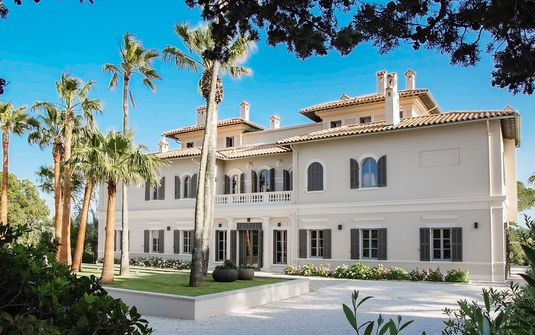
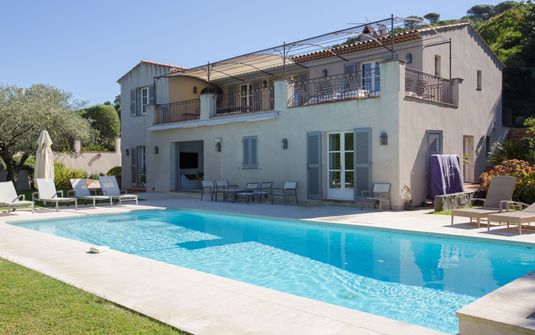
Traditional villa architecture in the Saint-Tropez setting can be restrained and substantial, using rendered walls, tiled roofs and shutters to establish a coherent Mediterranean identity. Stone details and carefully proportioned openings add texture without requiring decorative excess. Older houses may possess a more gradual sequence of rooms, while contemporary interpretations can open the communal areas more fully towards the grounds. The strongest designs retain a sense of protection around the private parts of the residence.
Interior refinement is most persuasive when it complements that exterior character. Natural fabrics, considered furniture and a limited palette of materials can bring clarity to a traditional house, while art and individual objects give rooms a more personal atmosphere. A contemporary villa may emphasize continuity of surfaces and broader sightlines. Either approach works best when the interiors have enough warmth and variety to feel residential, rather than repeating the same highly polished visual effect throughout the property.
Space for a Household to Settle
A well-balanced villa gives shared and private areas equally clear roles. The principal lounge can serve as a center, but a smaller sitting room or garden-facing retreat introduces useful independence. Bedrooms may be grouped within one main building or distributed between separate wings and guest accommodation. These arrangements produce different kinds of household life, and their suitability depends on the group rather than on a simple count of suites or the apparent grandeur of the entrance.
Privacy is also affected by the position of the grounds in relation to surrounding properties. A planted boundary, a careful setback and the orientation of windows can make a residence feel protected even in an established neighborhood. Larger plots introduce more distance but do not automatically resolve every sightline. The most comfortable setting is one in which the principal rooms, suite terraces and exterior communal spaces all benefit from a considered degree of enclosure.
A More Personal Reading of Saint-Tropez
A private residence allows Saint-Tropez to be experienced at a domestic scale. The character of the stay becomes that of the chosen house: its materials, the shape of its garden and the way light enters a familiar room. The village remains part of the setting without dictating the household’s routine. This independence is especially valuable for guests who want a residence with its own calm and identity, rather than an environment organized around shared facilities.
The destination’s enduring residential appeal lies in the meeting of a recognizable coastal village and a broader Provençal landscape. A house that belongs naturally to that setting can offer substantial privacy and architectural character without relying on conspicuous display. Whether traditional or contemporary, the strongest villa is a coherent home, with grounds and interiors that support the people staying together. Saint-Tropez then becomes a distinct and deeply comfortable private address, grounded in the character of its land and buildings.


