




Sicily: Private Estates with an Island’s Architectural Depth
Sicily offers a residential landscape with remarkable contrasts: substantial coastal settings, cultivated interiors, volcanic terrain and towns whose buildings reveal different historical traditions. Within Italy, the island gives a private stay an unusually broad architectural context. A residence may be distinguished by a formal façade, a protected agricultural court or a contemporary interpretation of the land, with each creating a different relationship between the household and the setting around it.
The scale of the island makes the individual address especially important. A coastal villa and an inland estate should not be presented as variations of one identical experience. Their materials, outlooks and degrees of enclosure can differ substantially, and the atmosphere of a stay comes from those precise conditions. The strongest home has a clear identity of its own, allowing the household to inhabit a complete private environment rather than depend on a general image of Mediterranean grandeur or one celebrated landscape feature.
An Island with Several Material Landscapes
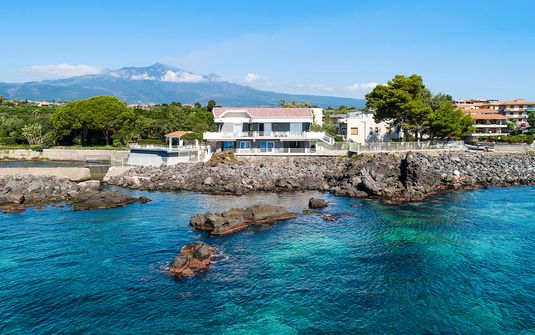
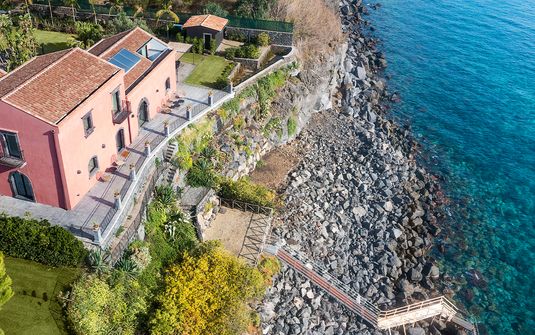
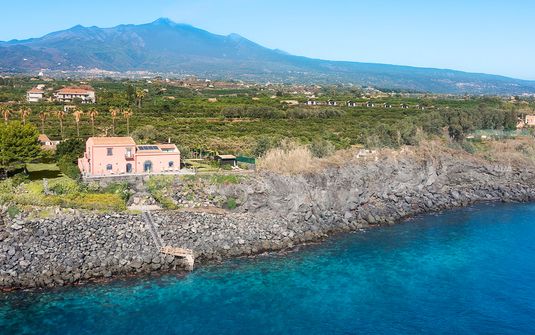
Sicily’s buildings can respond to very different local palettes, from pale stone and rendered surfaces to darker materials associated with volcanic areas. These differences give architecture a meaningful relationship with the land. A private house feels more rooted when its masonry, roof forms and exterior spaces belong to the particular setting rather than reproducing a generic island style. The landscape provides character at close range, through surfaces and boundaries, as well as through the more distant contours beyond the property.
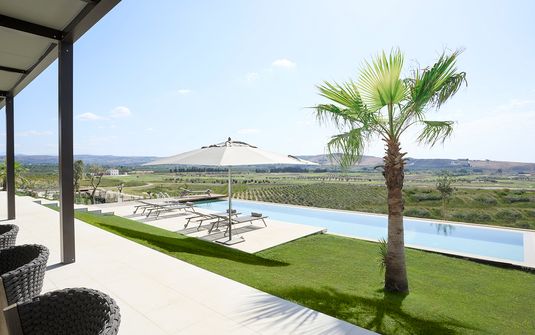
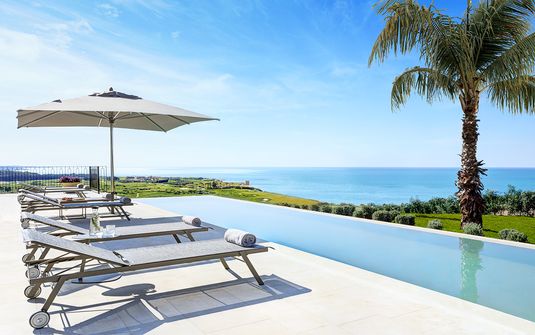
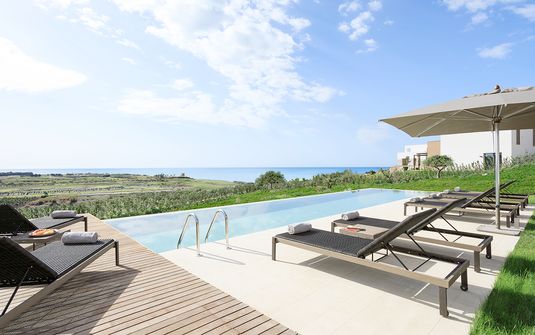
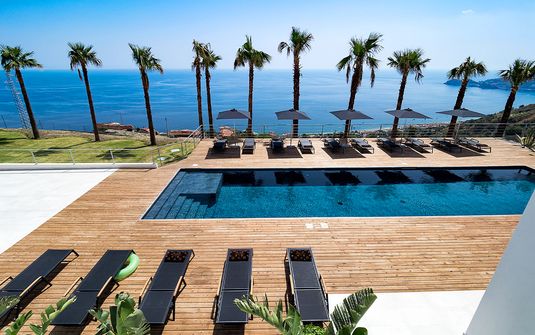
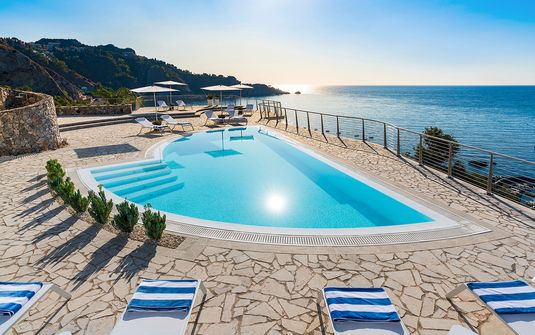
The outlook can be equally varied. A coastal residence may frame a broad expanse of sea, while a country estate looks across fields, gardens or a more substantial inland terrain. Mature trees and ancillary buildings can give those views a domestic foreground, allowing the house to remain intimate within an expansive setting. A residence gains depth when different rooms reveal different aspects of the same place, preserving quieter garden-facing interiors alongside more outward-looking communal spaces.
The Court at the Center of an Estate
The enclosed agricultural court provides an important reference in the Sicilian building tradition, particularly in properties that retain the form of a baglio. A main house and surrounding volumes can create an internal exterior world distinct from the land beyond the boundary. Where this architecture forms part of the residence, its value is spatial as much as picturesque. The court establishes coherence and protection, giving a substantial property a center that can feel personal rather than dispersed across unrelated buildings.
Restoration works best when that underlying composition remains legible. Original walls, structural openings and the relationship between older volumes can give the home sufficient character without a heavily themed decorative scheme. Contemporary comfort can be introduced discreetly, allowing generous communal rooms and private suites to occupy spaces appropriate to their scale. The result is a house whose history remains evident through its architecture while its domestic organization supports the household naturally in the present.
From Formal Villa to Contemporary Retreat
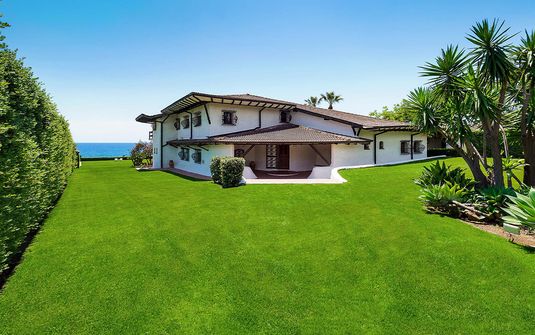
A more formal Sicilian residence may express its character through ordered façades, substantial entrance spaces and reception rooms with a pronounced sense of proportion. Historic detail can bring depth, but it should not require every interior to remain ceremonial. Carefully chosen furniture and artwork can create a more personal atmosphere, allowing the building to retain its substance while offering rooms that are welcoming enough for sustained private occupation. Architectural grandeur becomes more persuasive when it is accompanied by genuine domestic ease.
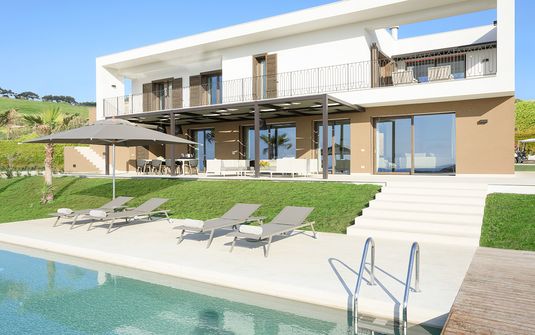
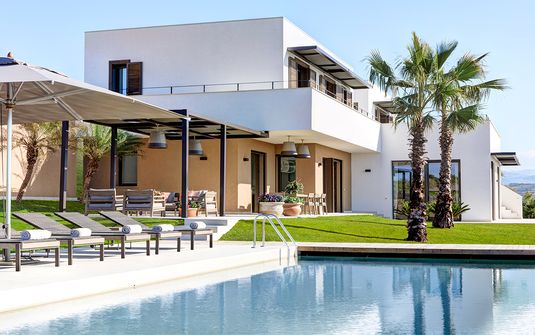
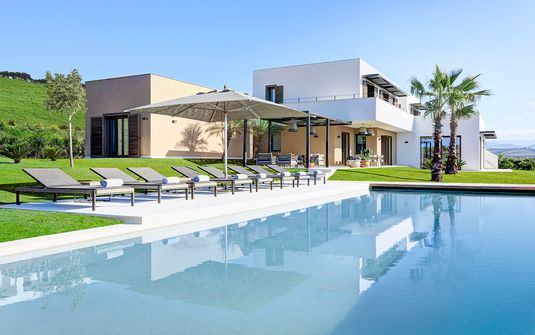
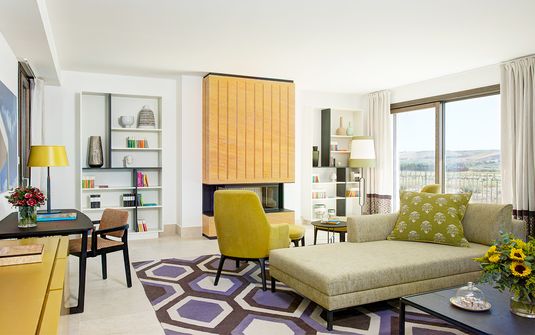
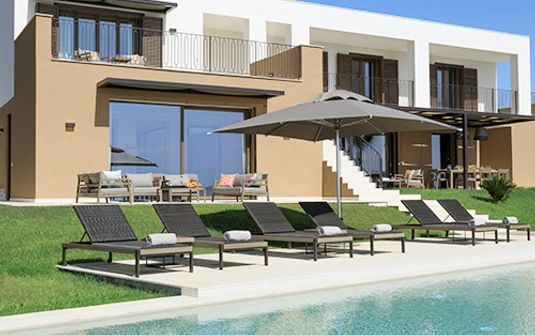
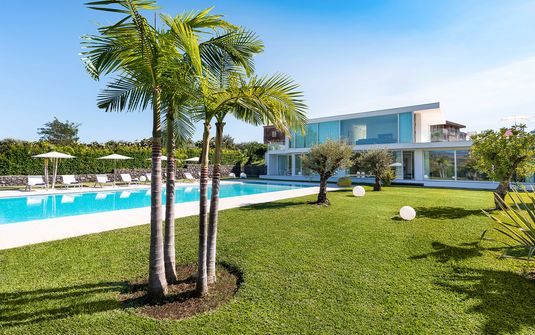
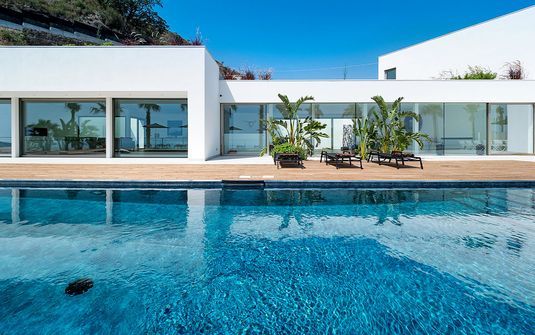
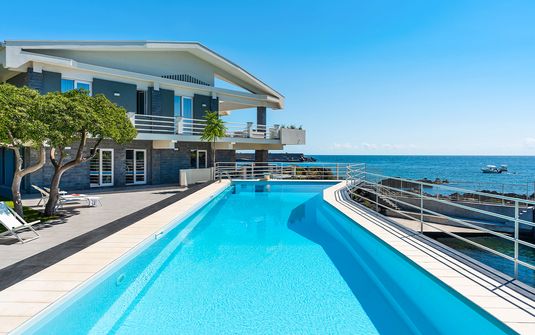
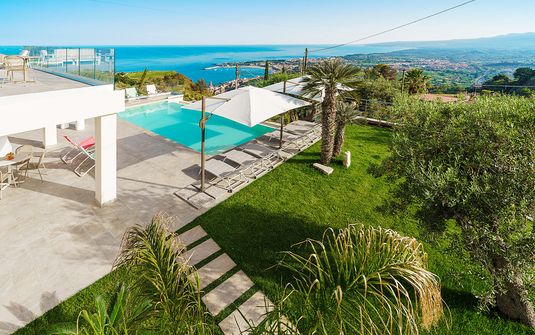
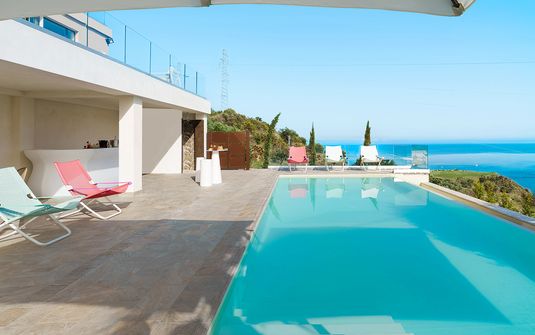
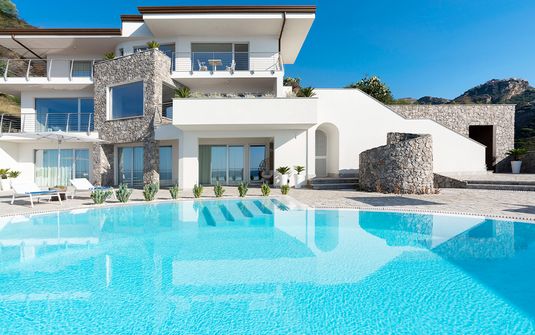
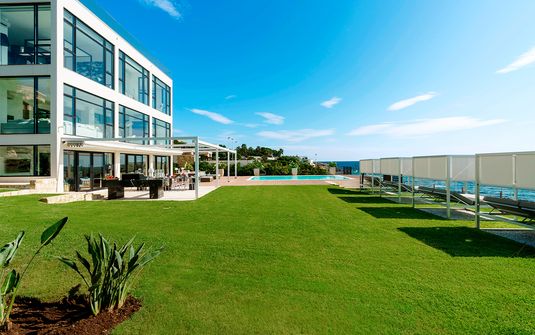
Contemporary houses offer another interpretation through clearer volumes, broader openings and a more fluid connection with the exterior. Their strength lies in how precisely they respond to the site. A large communal room benefits from more protected spaces elsewhere in the plan, while a restrained material palette allows the surrounding land to remain visible without becoming the only source of atmosphere. Variety in room scale and outlook gives the residence depth beyond a single dramatic interior or panoramic terrace.
Grounds That Support a Complete Household
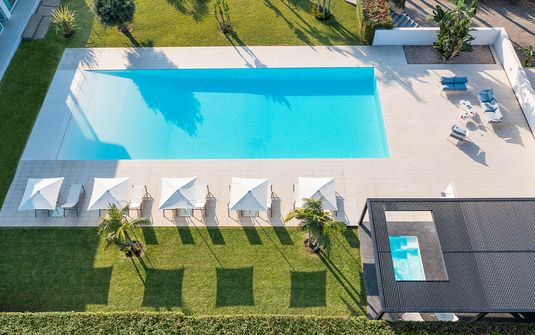
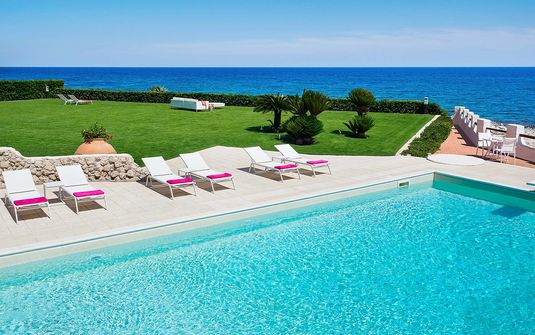
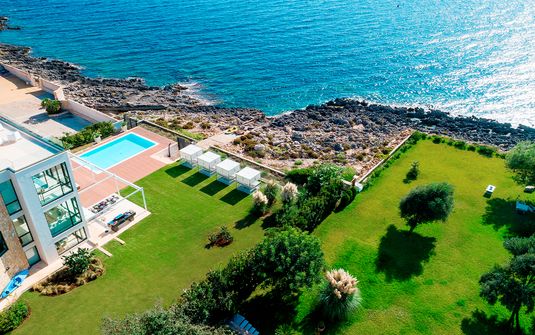
A garden can introduce several degrees of enclosure close to the building. A communal terrace beside the main living rooms offers one scale, while a planted court or quieter boundary area provides another. Mature trees help connect these spaces without making them identical. The quality of the grounds is found in how naturally they extend the home’s planning, allowing the household to stay together while retaining exterior places that support different routines and levels of privacy throughout a longer visit.
Suite distribution should provide the same balance. Separate wings or guest buildings can create independence for couples or different generations, while closer bedroom groupings may suit a family. The most appropriate residence is one whose circulation remains clear and whose private accommodation is balanced in comfort. An estate feels generous when every suite has a considered identity, not simply when one exceptional principal room carries the impression of luxury while secondary rooms receive less architectural attention.
A Private Stay with a Specific Sicilian Identity
Privacy is experienced through the actual spaces occupied, including their relationship with neighboring buildings, entrances and boundaries. A generous rural plot may still contain exposed areas, while a carefully enclosed court can provide considerable intimacy. Thoughtful orientation and established planting make discretion practical rather than merely suggested by the property’s scale. These quieter qualities allow the house to become a comfortable domestic center, preserving personal space without requiring the residence to feel detached from its surrounding place.
Sicily’s enduring appeal lies in the range and substance of its architectural settings. A restored estate, a formal villa and a contemporary house can each provide a refined experience when building, grounds and landscape are considered together. The result is an independent island stay with depth and individuality, giving the household a home that feels connected to a particular part of Sicily rather than an interchangeable coastal retreat, and comfortable enough for its character to become familiar over time.


