





Venice: Private Residences within a City Shaped by Water
Venice offers a singular residential perspective within Italy: a city whose architecture meets canals directly, where façades, enclosed courts and long interior rooms establish a domestic world unlike that of an inland estate. The setting rewards a precise understanding of the address. A residence facing a broad waterway, an apartment within an historic palazzo and a more secluded home behind a garden wall each create a different relationship with the city, with privacy and atmosphere shaped by the building’s actual position.
The attraction of a private Venetian stay lies in inhabiting that architectural fabric with space and independence. Water can form a moving foreground beyond a window, while an internal court provides stillness at the centre of the house. These contrasts give even a single residence several distinct registers. Refined accommodation here is defined less by a conventional image of the detached villa than by the quality of its interiors, the individuality of its building and the way it establishes a comfortable private realm within a closely composed city.
The Canal as an Architectural Foreground
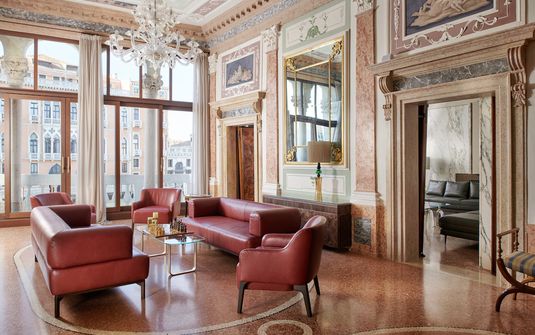
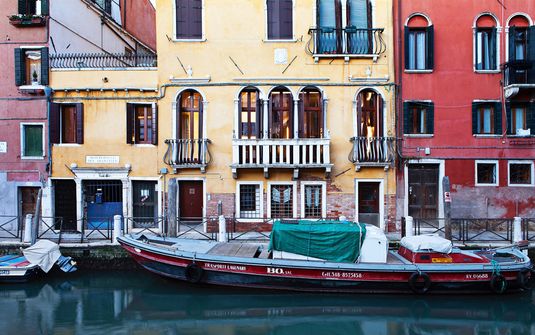
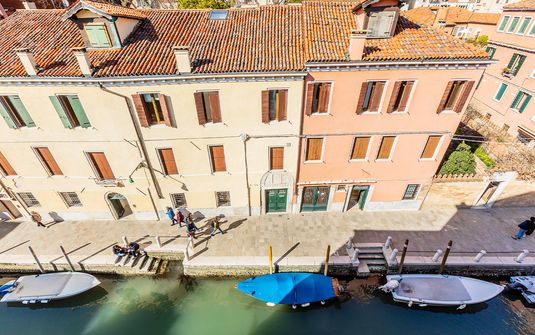
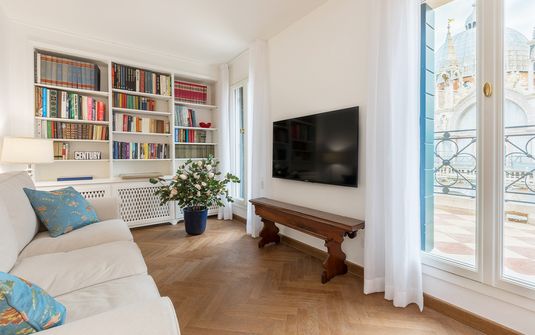
Venetian façades often express the structure of the residence behind them through grouped openings, balconies and the distinction between principal and secondary levels. Seen from within, that arrangement determines how a room engages with the water. A broad reception space may receive an expansive canal prospect, while a smaller room looks towards a quieter side passage or court. The changing scale of those views gives a home depth, allowing its most prominent outlook to remain one part of a more varied domestic composition.
A canal-facing address should not automatically be understood as completely secluded. The position of neighbouring windows and the character of the waterway influence the degree of visual and acoustic privacy. Residences set farther within a building may have a more contained atmosphere, with light entering through internal openings or gardens. The appropriate choice depends on how the household wishes to inhabit Venice: close engagement with the surrounding architecture, a quieter interior retreat, or a considered balance between those two experiences within the same home.
Courts, Gardens and Enclosed Space
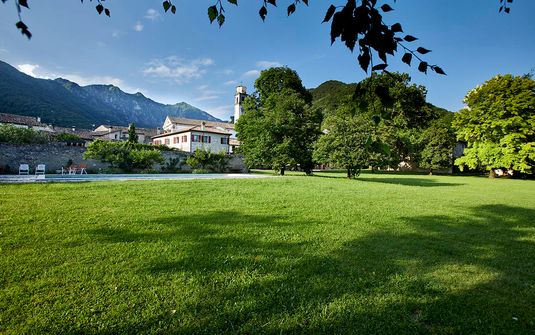
An internal court can provide an important counterpoint to the city’s outward-facing water architecture. Its enclosure brings the residence back to a personal scale, revealing masonry, paving and openings through a more intimate composition. Where a property includes a private garden, planting can soften the surrounding walls and establish a distinct exterior room. Such spaces are individual attributes of particular addresses, rather than features to assume throughout the collection, and their relationship with the occupied rooms is central to their value.
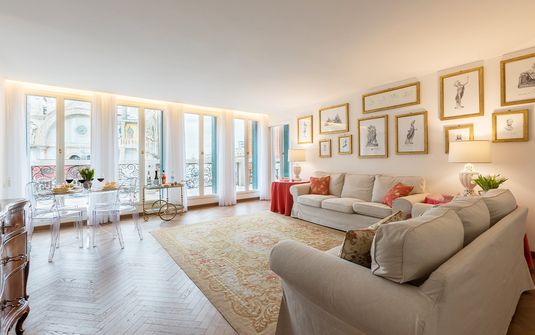
Terraces and balconies create another kind of exterior relationship, often defined by the façade and the proximity of surrounding buildings. Their character comes from proportion, outlook and privacy more than size alone. A modest space connected naturally to a principal room can be a meaningful part of the residence, while a larger exposed terrace may offer a different experience. The most coherent home treats its exterior areas as extensions of the actual architecture, preserving a clear distinction between open views and genuinely protected personal space.
The Interior Life of a Venetian Residence
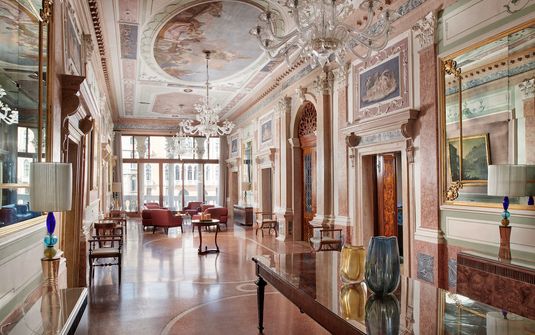
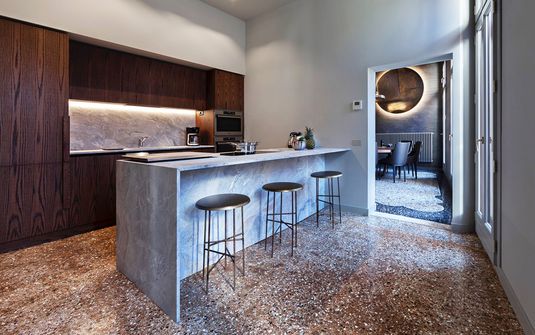
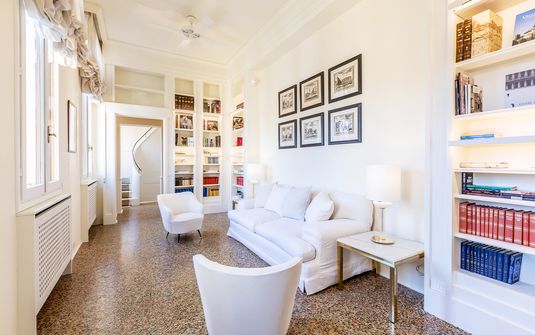
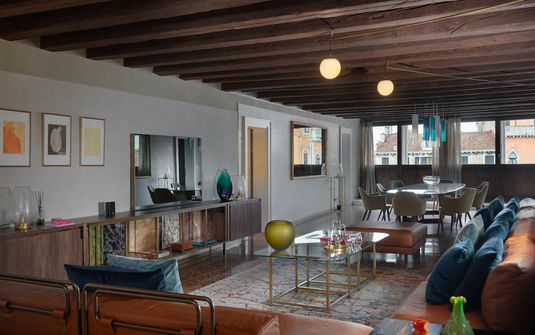
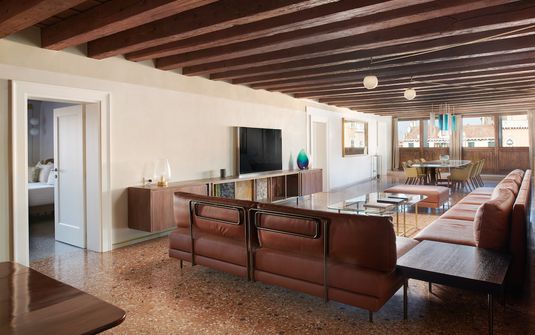
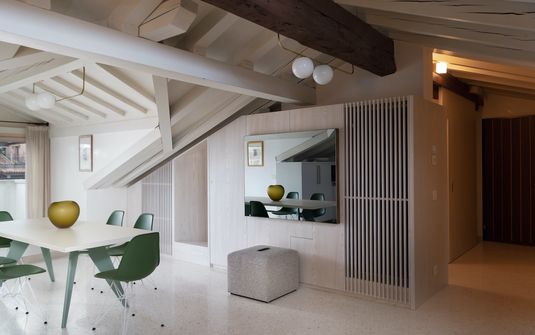
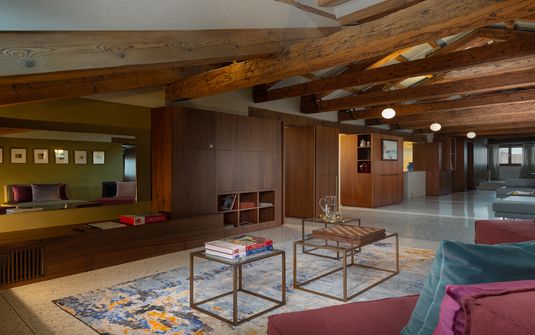
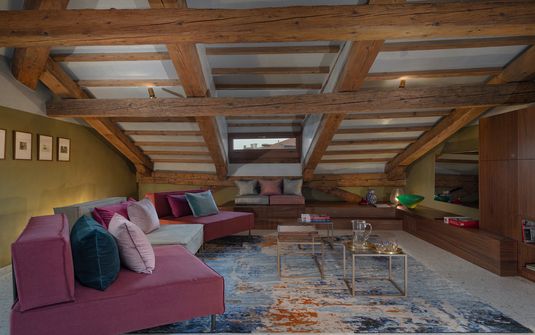
Historic palazzi can retain generous ceiling heights, substantial doors and rooms arranged around a central hall or salon. Where original terrazzo, timber beams, decorative plasterwork or other period elements survive, they give the interior its own material authority. A sensitive restoration allows those features to remain legible without filling every room with equally emphatic decoration. Contemporary furniture can work particularly well when its scale respects the older proportions, creating a home that feels comfortable to occupy while retaining the identity of the building.
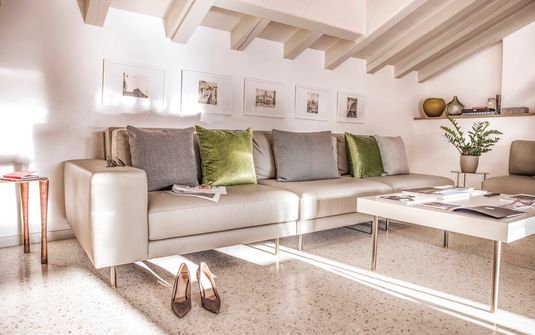
Venetian interiors are not all grand or ceremonial. Smaller rooms and more restrained residences can offer considerable refinement through carefully managed light, tactile materials and a strong sense of enclosure. An apartment within a substantial building may provide an independent domestic setting without occupying the entire palazzo. Clear descriptions of the actual configuration matter: the household experience depends on the private accommodation available, its internal connections and its relationship with any shared access areas, rather than the historic significance of the exterior alone.
Discretion within a Closely Composed City
Suite distribution requires particular attention in older buildings, where inherited room sequences can differ from contemporary expectations. Independent bedroom access, appropriate separation and comfortable private bathrooms contribute to an effortless household rhythm. A residence with several sitting areas can support different generations or couples without making every gathering depend on one main salon. The strongest arrangement preserves the architectural character of the home while ensuring that personal rooms remain genuinely private and that circulation does not turn a suite into a passage between communal spaces.
The quality of a private stay also rests on the distinction between the residence and the wider building. Entrances, common courts and neighbouring accommodation can influence the atmosphere even when the interiors are fully independent. Within the home, well-resolved doors, window treatment and the orientation of quieter rooms help establish a protected domestic environment. Discretion in Venice is therefore a matter of precise spatial relationships, with thoughtful interiors often contributing more to comfort than a general claim of exclusivity attached to an impressive waterfront façade.
A Personal Perspective on the Lagoon City
Venice becomes more nuanced when experienced through the proportions of a private home. A canal view carries the surrounding city into a principal room, while a quieter bedroom or court offers a deliberate change of scale. The same address can feel both connected and enclosed, giving the household several ways to inhabit an unusually distinctive setting. Its appeal does not require every room to be monumental; contrasts between formal spaces and more intimate interiors often create the most convincing and enduring residential character.
A distinguished Venetian residence brings together the building’s history, the household’s privacy and the particular relationship between interior and water. The resulting stay may be defined by a generous salon, an unexpectedly quiet garden or the atmosphere of a carefully restored apartment. What matters is the coherence of those qualities within the actual property. Venice then offers an independent domestic setting with a clear architectural identity, allowing the house itself to become an essential part of the experience of this remarkable city.


