




Mallorca: Private Estates in a Landscape of Stone and Sea
Mallorca offers a particularly varied island setting within Spain, bringing together limestone mountains, broad rural interiors, sheltered coastal inlets, and houses with a strong material identity. The range of residences reflects that geography. A substantial stone finca can feel grounded in cultivated land, while a contemporary coastal villa may give the sea a more immediate place within its principal rooms. The most memorable homes preserve the character of their particular setting, allowing the architecture, the grounds, and the wider outlook to establish a coherent atmosphere throughout the stay.
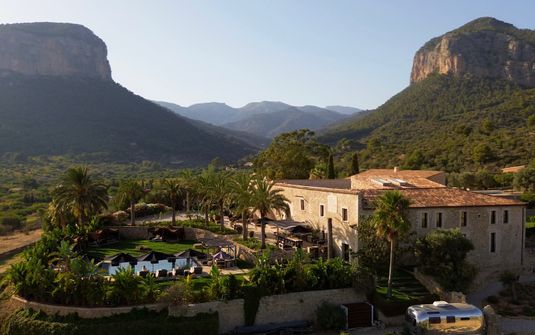
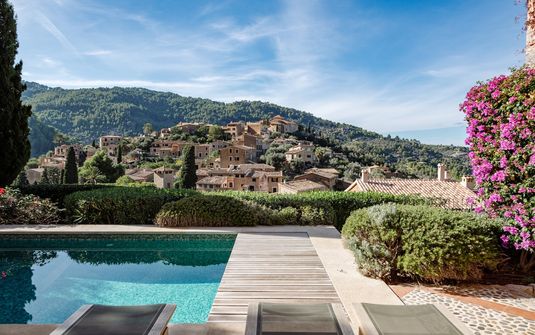
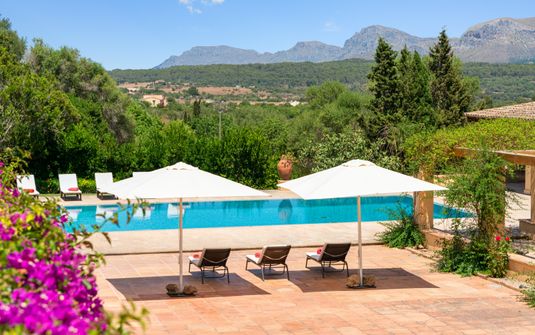
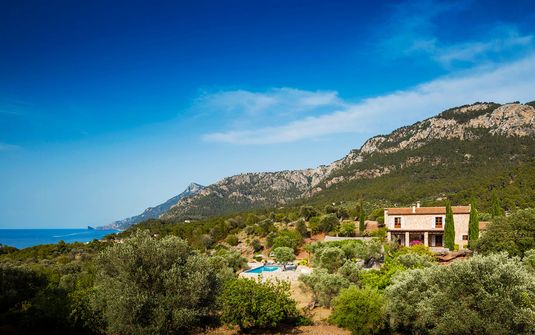
The Serra de Tramuntana gives the island's western landscape a pronounced vertical scale. Mountain slopes and terraced ground create views with depth and structure, where a nearer fold of land can be as important as a distant horizon. In the interior, more open agricultural patterns give estates another rhythm, with buildings, trees, and fields occupying a broader horizontal frame. These are different residential experiences. A private house becomes more distinctive when its layout acknowledges the particular landscape around it, using enclosure and openness in proportions that feel natural to the site.
The Stone Finca and Its Rural Setting
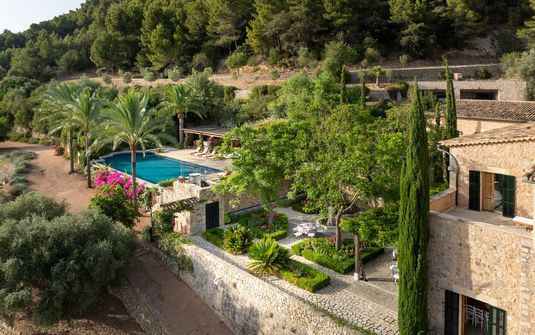
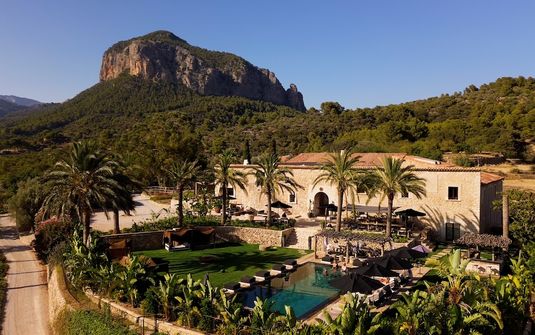
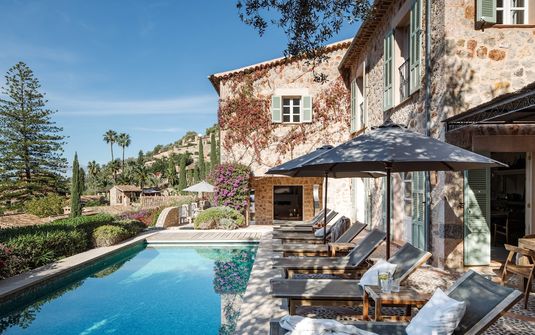
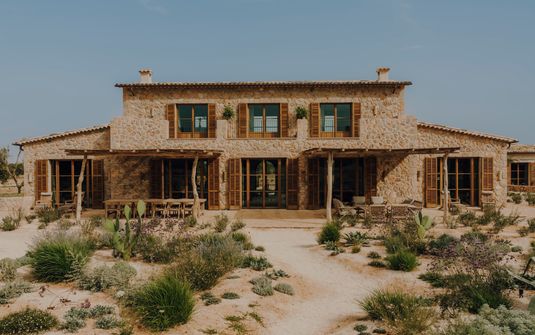
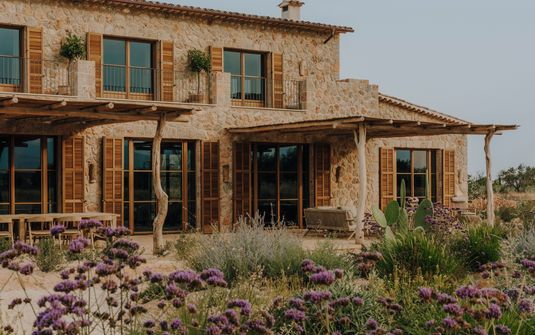
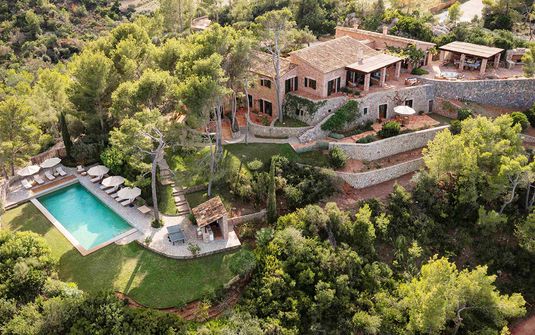
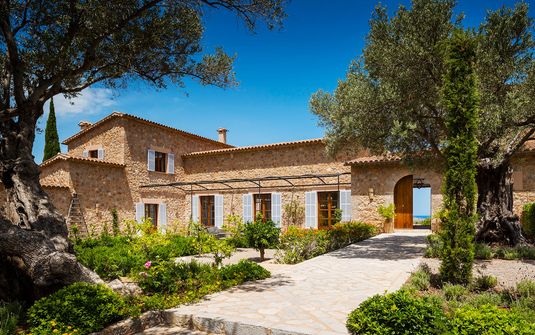
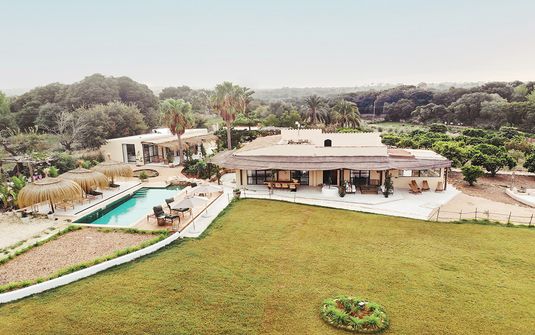
The traditional finca remains one of Mallorca's most expressive residential forms. Stone walls, tiled roofs, timber elements, and a measured sequence of openings give these houses a sense of permanence. Their scale can be substantial without feeling imposing, particularly where several connected volumes form the estate's domestic center. A considered restoration allows that original character to remain visible while introducing contemporary comfort. The result should feel like a complete home with a history, where materials and room proportions provide depth rather than acting merely as a backdrop for an otherwise anonymous interior scheme.
The Courtyard Within the Estate
A courtyard creates a more intimate focus inside a larger rural property. Its enclosing buildings give the household a shared exterior room, with the proportions of walls and openings establishing a clear architectural boundary. This can be a particularly appealing counterpoint to an expansive outlook elsewhere on the estate. A residence gains variety when a sheltered court and an outward-facing terrace each have a distinct role. The house can then feel both contained and connected to the wider landscape, giving guests more than one degree of privacy within the same property.
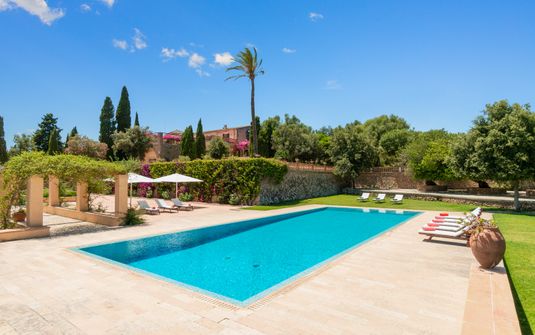
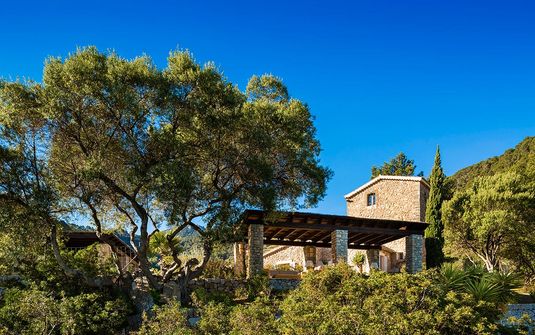
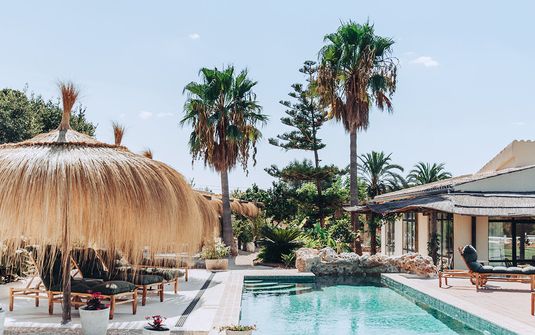
The grounds of a finca often gain their character from established trees, stone boundaries, and the relationship between cultivated and more natural areas. Olive and almond trees can contribute to a recognizable rural setting without the garden needing to become an entirely separate ornamental composition. Existing walls and changes in level provide structure, creating places where the scale comes closer to the house. The most persuasive estates retain this continuity with the land, allowing the immediate surroundings to feel settled rather than newly imposed, with the residence occupying a clear but harmonious place within them.
Coastal Villas and the Shape of the Shore
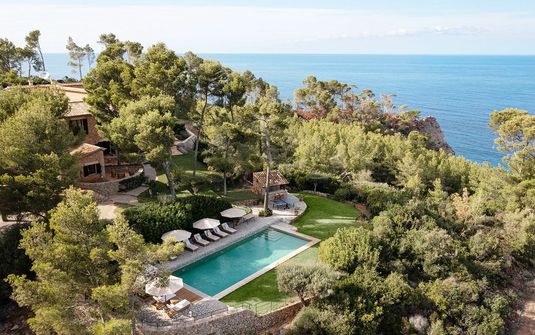
Mallorca's coast offers several different relationships with the sea. A house above a narrow inlet has a more closely framed outlook than a residence directed toward an open horizon, while an elevated coastal plot may take in several headlands at once. These distinctions influence the atmosphere of the principal rooms. A view with land on either side can feel intimate despite its breadth; a more exposed position may emphasize distance and openness. The precise orientation of a villa therefore matters more than a general coastal label, giving each address its own visual identity.
Contemporary Design With a Local Grounding
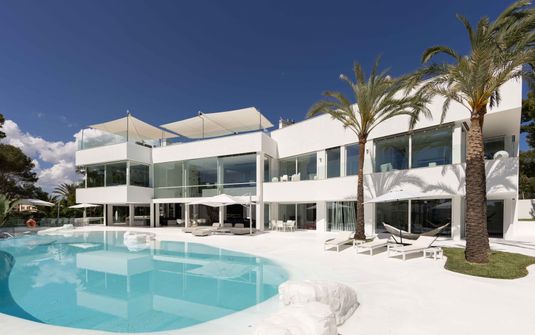
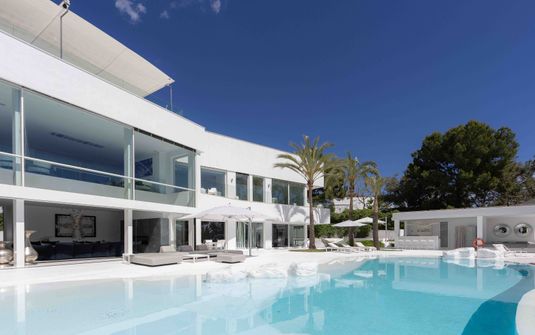
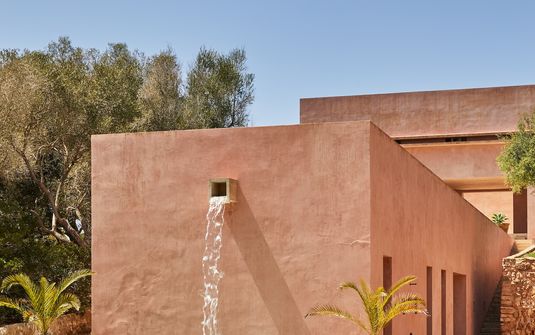
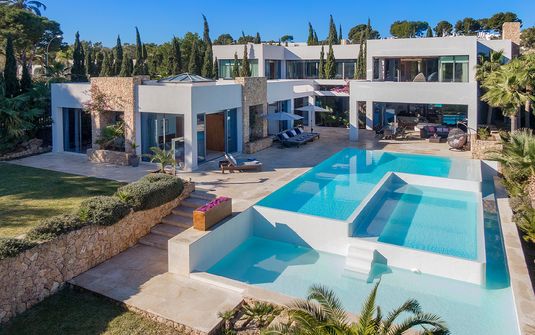
Contemporary residences can interpret the island through clearer volumes, larger openings, and a direct relationship between living rooms and terraces. Their strongest local connection often comes from materials and the response to terrain rather than from a literal repetition of traditional forms. Stone can anchor a building to its site, while timber and textured interiors bring warmth to a restrained plan. A low profile may preserve the prominence of the surrounding landscape, allowing the architecture to feel assured without making every part of the property compete with the view.
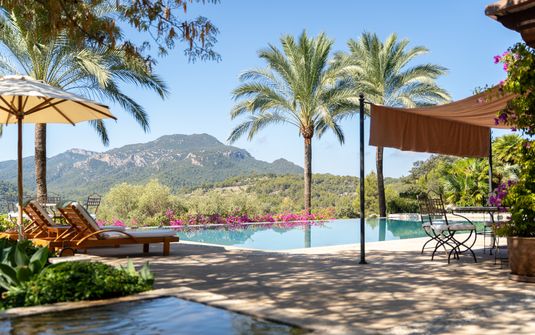
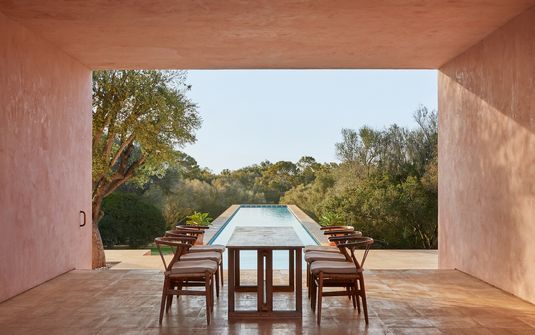
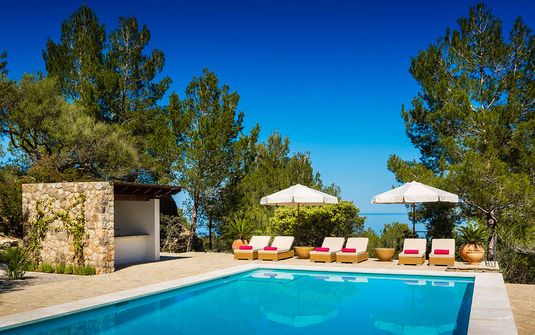
The terrace is especially important in a coastal house because it establishes the nearest inhabited scale against the larger seascape. Its depth, enclosure, and connection to the living room determine whether it feels like a complete exterior room. A recessed area can provide intimacy within an otherwise open composition, while a separate bedroom terrace gives a guest more personal territory. Where a pool forms part of the property, its position should belong naturally to this arrangement. The water, the usable terrace, and the architecture work best as a coherent foreground to the coast beyond.
Interiors With a Considered Domestic Rhythm
A generous Mallorcan residence benefits from more than one shared atmosphere. A principal salon can provide the household's center, while a quieter room or a garden-facing lounge offers another place to settle. This variety makes the home more comfortable over time, allowing different routines to coexist without requiring guests to withdraw entirely to their bedrooms. The plan should preserve a clear relationship between these spaces, with proportions and materials carrying the home's identity from one room to another. Architectural distinction becomes more convincing when it supports everyday occupation as naturally as the initial impression.
Suites, Guest Wings, and Independence
Estates with separate wings or ancillary accommodation offer a different arrangement from a villa whose bedrooms sit closely around the principal living area. The appropriate choice depends on the party. A family may value proximity, while several households may appreciate more defined personal thresholds. Bathrooms, storage, and the quality of individual outlooks deserve consistent attention across the residence. The strongest home gives each guest a satisfying private setting, distributing comfort throughout the property rather than relying on one exceptional suite to establish its overall sense of luxury.
A Precise Balance of Openness and Privacy
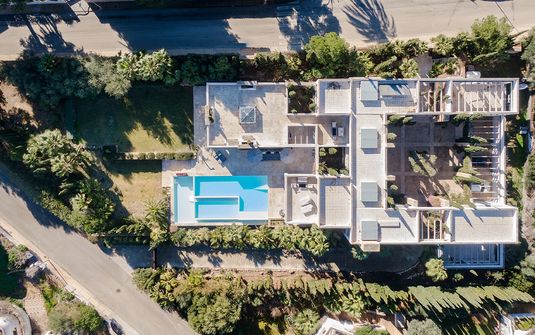
Privacy on Mallorca comes from the individual property and the way it occupies its ground. A broad rural outlook can coexist with a clearly enclosed garden, just as a coastal villa may provide protected rooms behind a more open terrace. The position of nearby buildings, the direction of windows, and the depth of planting all influence that balance. A residence feels most generous when it offers several degrees of retreat without losing its connection to the landscape, allowing the household to enjoy both the island's scale and the intimacy of a complete private home.
Within Europe, Mallorca's enduring residential appeal lies in the coherence of its stone architecture and the variety of the island terrain. A finca among established trees, a courtyard house with a sheltered center, or a contemporary villa above a defined stretch of coast can each offer a memorable private setting. The pleasure comes from inhabiting that particular relationship between building and land. When proportions, materials, and personal space feel resolved, the residence becomes an individual home with enough substance and character to remain central to the experience of the stay.


