




Paris: The Architecture of a Private City Stay
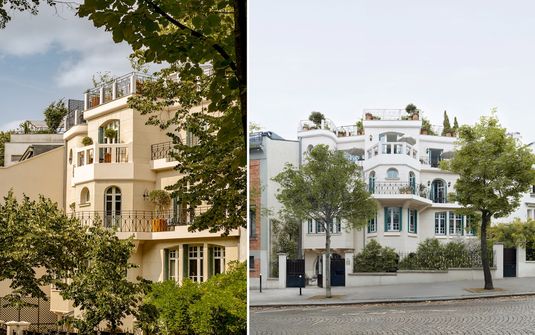
A private residence in Paris reveals the city through its most intimate architectural details: the height of a window, the depth of a courtyard, the curve of a balcony and the ordered rhythm of a stone façade. The capital of France offers a distinctive form of residential luxury in which the apartment or house is inseparable from the surrounding urban fabric. Its character begins at the threshold and continues through the proportions of the rooms rather than depending solely on a celebrated outlook.
Paris is not one uniform interior. A grand apartment within a formal nineteenth-century building offers a different experience from a quieter residence organized around a courtyard or a rare private house with its own entrance. The city’s residential depth lies in these variations. A stay becomes personal when the home has a clear identity of its own, allowing the household to occupy the capital from a settled domestic perspective rather than through an environment designed around shared facilities.
The Proportions of the Parisian Apartment
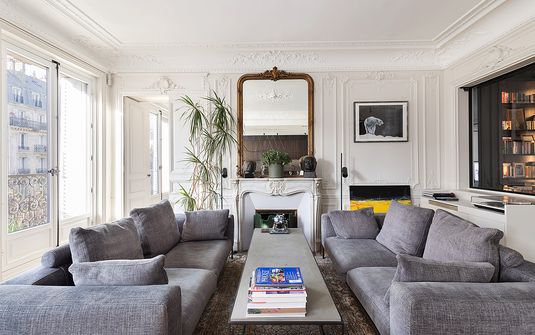
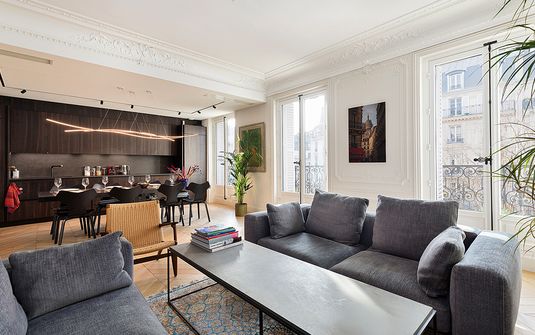
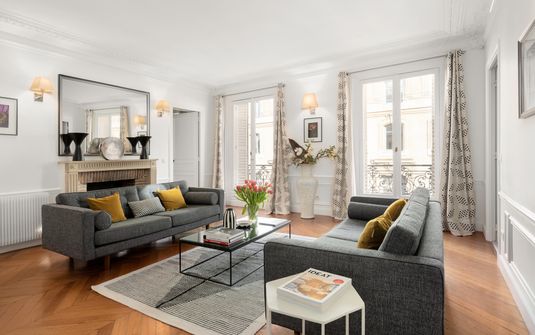
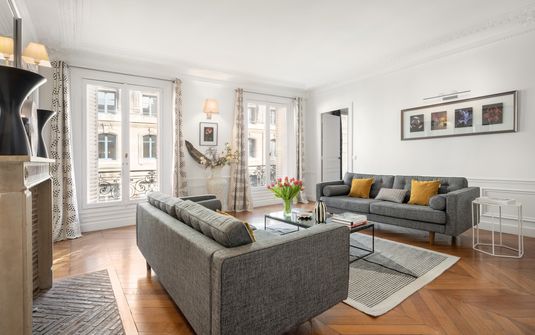
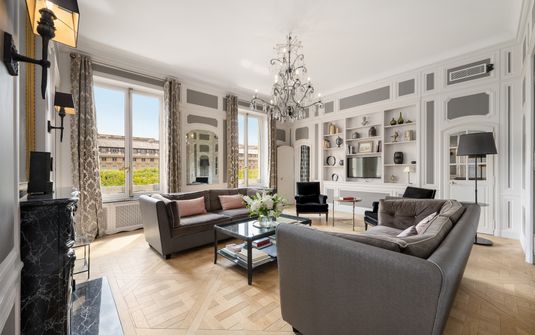
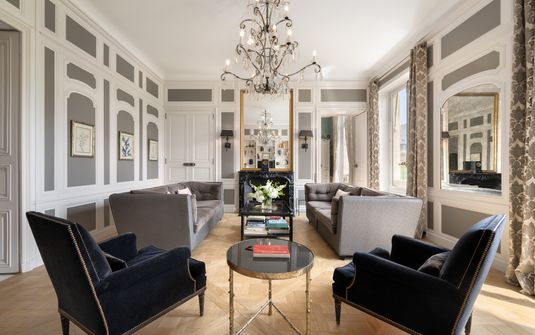
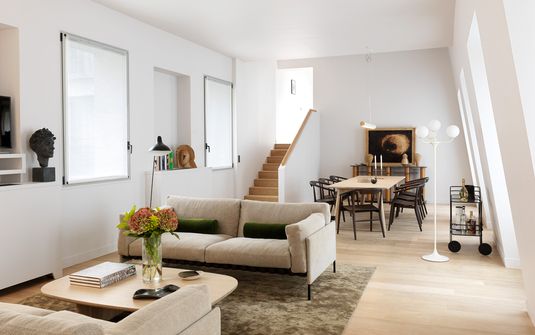
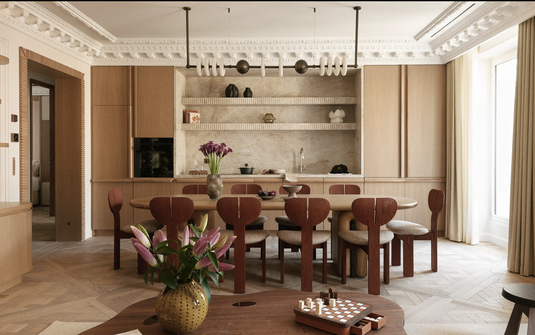
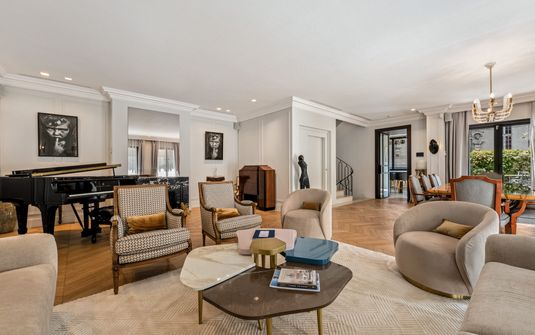
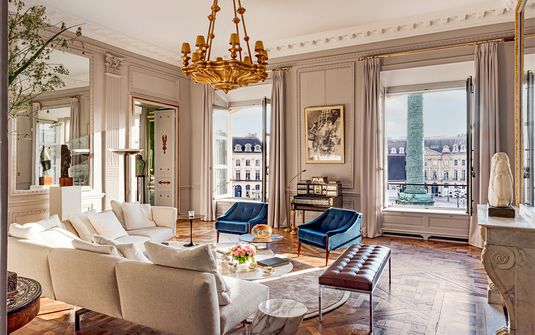
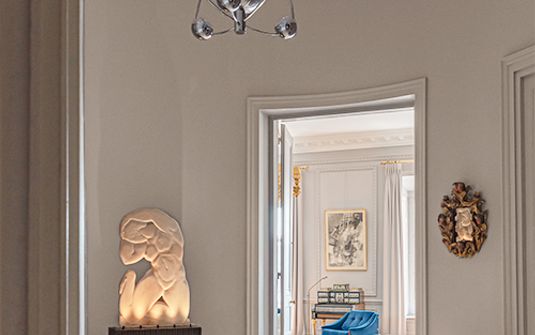
Tall ceilings and generous windows can give a traditional apartment an exceptional sense of volume. Reception rooms may be linked in sequence, creating long views through doorways and a clear relationship between the principal spaces. Original parquet, stone fireplaces, cornices and paneling add another layer of architectural character where they remain. Their value is greatest when they are integrated into a comfortable home, allowing the rooms to retain historical depth without requiring the household to inhabit a formal period reconstruction.
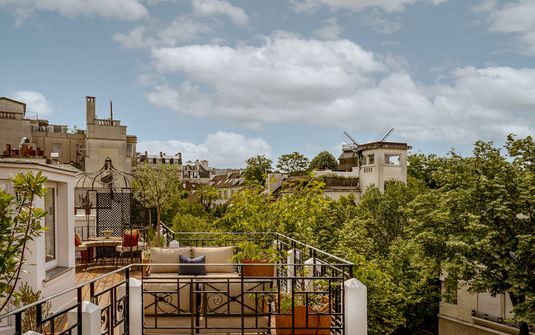
The distinction between rooms facing the street and those overlooking a courtyard can shape the experience of the whole residence. A street-facing salon participates in the wider city, with neighboring façades and rooflines becoming part of its outlook. A courtyard room offers another scale, often more enclosed and visually protected. A well-balanced apartment can use both conditions, giving communal spaces an outward presence while allowing selected private rooms to maintain a quieter relationship with the building.
Light, Courtyards and the Urban Interior
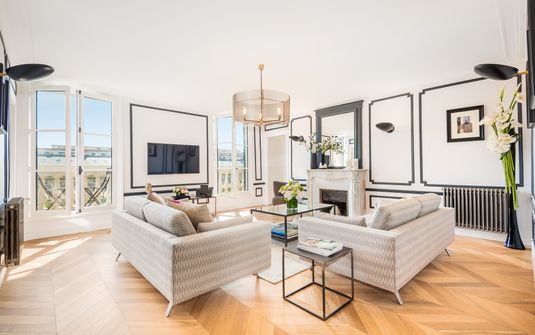
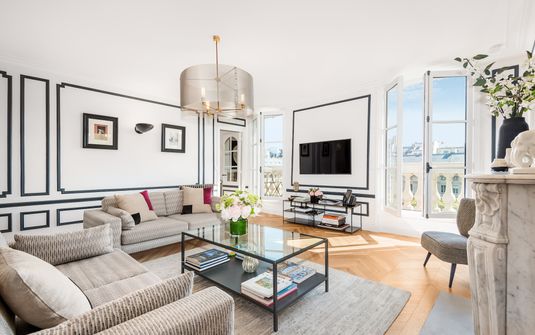
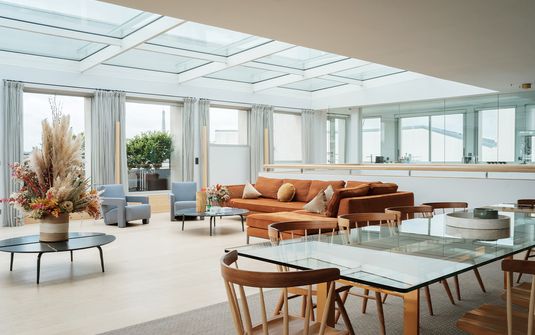
Parisian light is strongly influenced by the building’s position and the geometry of the surrounding streets and courts. A broad opening on an upper floor creates a different atmosphere from a deeper room on a more enclosed level. The design of the interior should respond to those conditions rather than impose one decorative treatment throughout. Pale surfaces, mirrors and carefully controlled furnishings can enhance a room’s character, but they are most persuasive when the underlying proportions and sightlines remain clear.
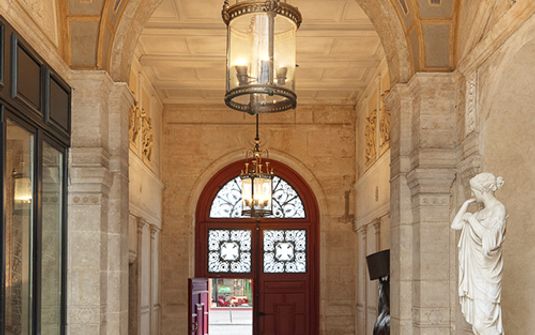
Courtyards also give the city a private architectural dimension that is not immediately visible from the street. A substantial doorway can lead to a protected inner setting, creating a transition between public urban life and the residence above or beyond it. This sequence contributes to the sense of discretion. The home feels separate not because the city disappears, but because the building establishes several deliberate thresholds before the household’s principal rooms are reached.
Historic Detail with a Contemporary Domestic Life
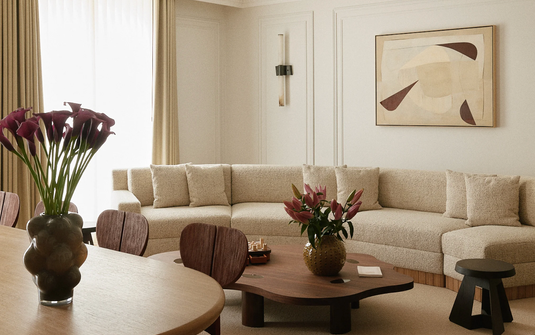
The most convincing Paris interiors allow old and new to remain in dialogue. Contemporary art and furniture can bring clarity to a richly detailed room, while a more traditional decorative scheme may suit an apartment with a quieter architectural shell. The objective is not visual uniformity. A residence gains personality when materials, objects and furnishings feel selected for the particular rooms, preserving the individuality that distinguishes a private home from an interior assembled around a single repeated design formula.
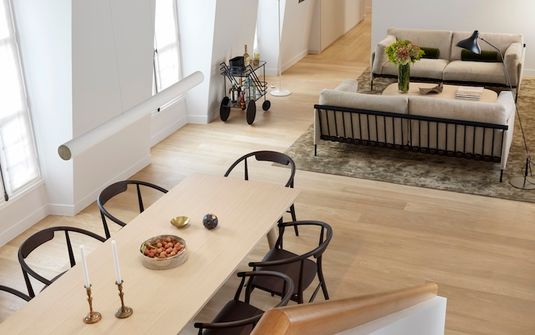
A generous apartment can offer several distinct settings without losing cohesion. A principal salon may provide the household’s communal center, while a smaller study or secondary sitting room allows a different routine to unfold nearby. The arrangement becomes especially valuable during an extended stay, when a home must support both shared time and individual withdrawal. Architectural grandeur is more meaningful when accompanied by this quieter flexibility, giving the residence depth beyond the impression of its largest room.
The Rarer Character of a Private House
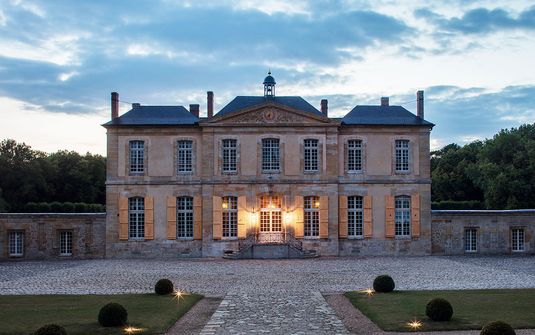
A detached or individually entered Paris residence introduces another relationship with the city. Vertical circulation, an interior court or a garden can create a more complete sequence between arrival, reception rooms and private suites. The building may possess the concentrated identity of a hôtel particulier or a more contemporary urban house. These properties should be understood on their own terms, because their privacy and domestic organization differ substantially from those of an apartment within a larger residential building.
In either form, the placement of bedrooms is fundamental. Suites distributed along separate parts of a plan can provide independence for couples, while a closer arrangement may better suit a family. The relationship between guest rooms and communal areas should be legible, with appropriate acoustic and visual separation. A residence feels genuinely generous when the quality of its private accommodation is balanced throughout, rather than when one exceptional suite carries an otherwise uneven household arrangement.
A Personal Address in the Capital
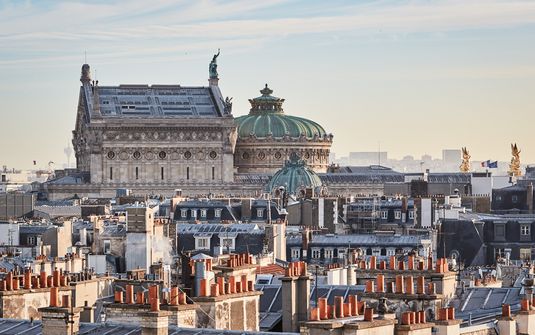
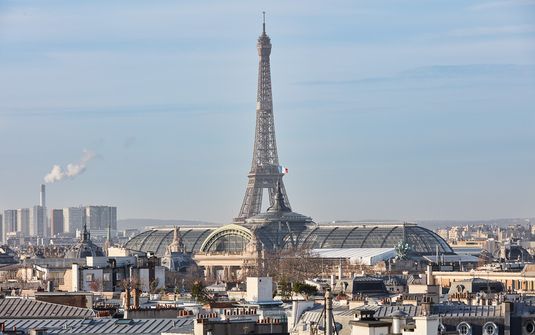
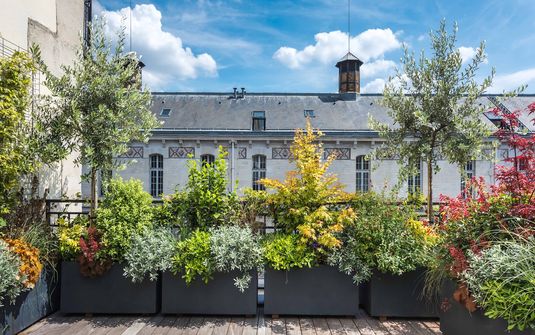
The luxury of a Paris residence can be quietly specific. It may be the view across a line of zinc roofs, the detail of an original doorway or the calm of a room facing an interior court. These impressions acquire meaning through repeated occupation, giving the household a familiar center within a complex city. The home does not need to compete with Paris. Its role is to provide an independent and comfortable setting from which the city’s architectural character remains close at hand.
For discerning guests, the strongest address combines a coherent interior identity with thoughtful privacy and a clear relationship to its neighborhood. A substantial apartment and a private house can each offer that experience when their proportions and planning are carefully resolved. Paris then becomes more than a backdrop to the stay: its materials, façades and residential traditions enter the daily life of the household, creating an urban experience with depth, individuality and an unmistakably personal scale.


