




Normandy: Private Houses in a Landscape of Orchards, Pasture and Coast
Normandy’s residential character is rooted in the relationship between its buildings and a richly textured rural landscape. Hedged fields, orchards, mature trees and coastal horizons create a setting with considerable variety but a strong sense of continuity. Within France, the region offers a country-house experience that can feel both substantial and intimate, with architecture whose materials and proportions often remain closely connected to the immediate setting rather than to a single uniform regional style.
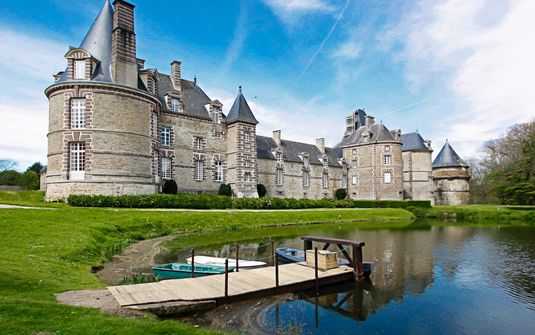
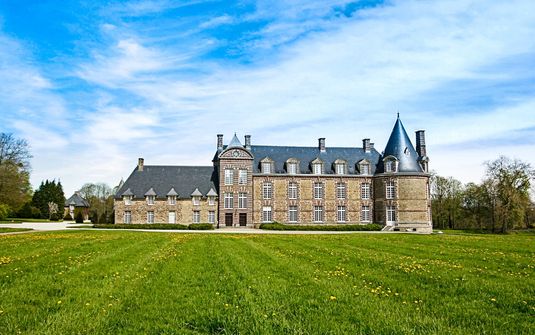
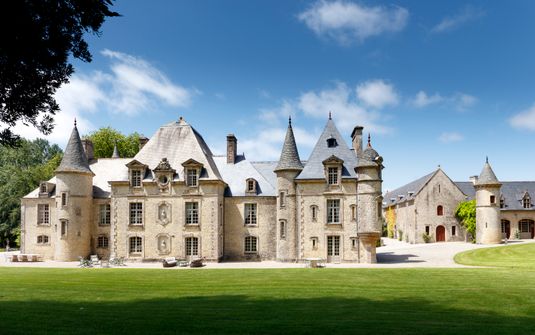
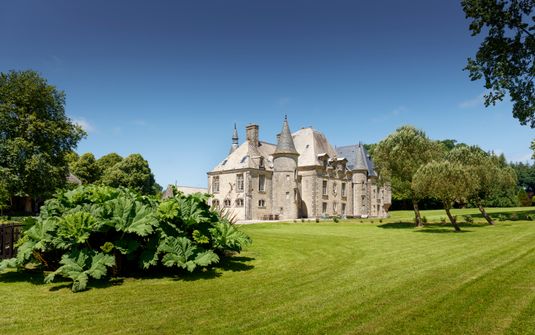
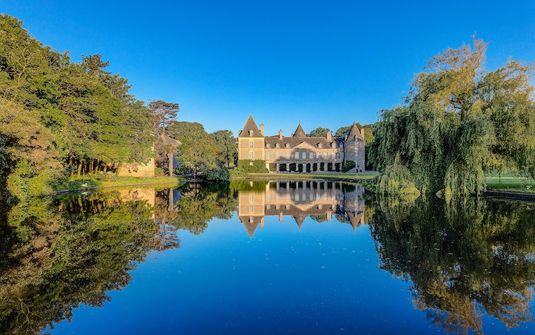
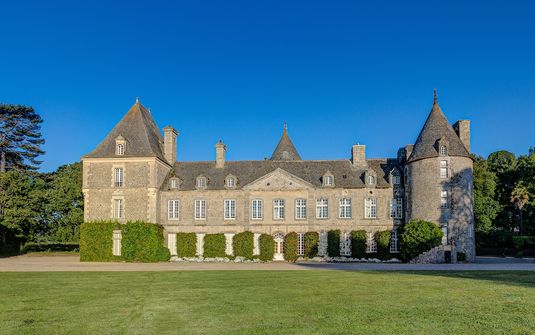
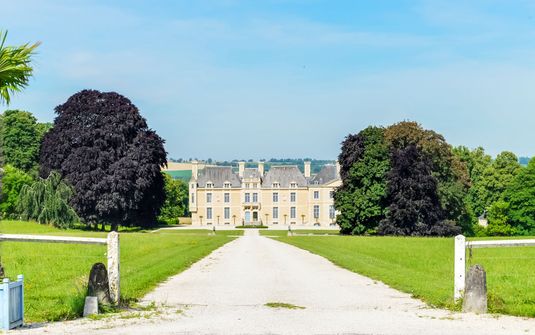
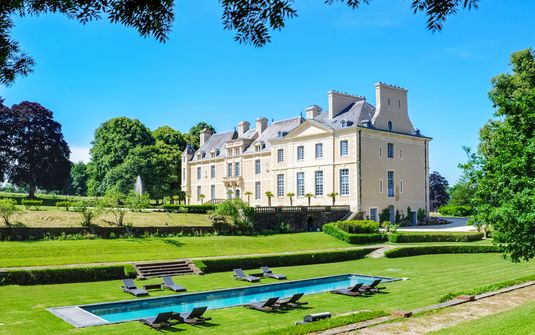
A private residence here may take the form of a manor, a restored farmhouse, a château or a coastal house with its own architectural tradition. These distinctions shape the atmosphere of the stay. An enclosed courtyard creates a different domestic world from a broad lawn facing the sea, while an older house within orchard country derives much of its identity from the land around it. The value lies in the particular combination of building and landscape, not simply in the scale of the property.
A Countryside Read at Close Range
Normandy’s rural views often possess an intricate foreground. Hedges divide the land, trees mark boundaries and clusters of buildings give the fields a recognizable human scale. Rather than presenting one uninterrupted panorama, the landscape unfolds through layers of enclosure. A residence within it can feel protected without being isolated, particularly where the grounds continue naturally into the surrounding pattern of pasture and planting. The result is a setting that rewards attention to detail as much as admiration of a distant view.
Orchards introduce another distinctive rhythm. Their repeated trunks and canopies can give a country property depth, while older trees near the house establish a more intimate atmosphere. Lawns, garden walls and ancillary buildings may create several different exterior spaces within the same estate. This variety supports a sustained private stay by allowing the household to inhabit the grounds at different scales, from a sheltered terrace beside the main rooms to quieter areas beyond the immediate architectural enclosure.
A Different Relationship with the Coast
Coastal Normandy offers another residential register, where the broad horizon and the architecture of established seaside settlements become part of the experience. Some houses belong to a more formal villa tradition, while others retain a restrained connection with the surrounding land. The sea view is most effective when it is accompanied by a convincing domestic foreground. A garden, a protected veranda-like space or a carefully oriented room can give intimacy to an otherwise expansive outlook.
The distinction between a coastal setting and a directly exposed seafront position matters. A house set slightly within the residential fabric may offer more enclosure, while an elevated or more open plot gives the horizon a stronger presence. Neither condition is inherently preferable. The quality of the stay depends on how the residence resolves its position, creating private rooms and exterior spaces that feel comfortable and coherent rather than allowing the view alone to define every part of the property.
An Architecture of Timber, Stone and Local Detail
Normandy’s buildings can express their character through half-timbering, stone, brick, flint and substantial roof forms. Their variety is part of the region’s richness. A timber-framed country house offers a different interior atmosphere from a pale-stone manor, yet both can possess considerable architectural depth. Original structural elements and carefully preserved openings give the rooms specificity, allowing contemporary comfort to be introduced without reducing the building to an anonymous shell with a picturesque façade.
The most welcoming interiors permit different degrees of formality. A principal salon may retain generous historic proportions, while a smaller sitting room or a quieter space overlooking the orchard provides a more relaxed setting. Furniture, fabrics and artwork can bring warmth without obscuring the architecture. In an older house, these layers make the residence feel inhabited and personal, creating a domestic atmosphere that is distinct from a collection of rooms arranged only for visual effect.
An Estate Shared Without Sacrificing Independence
Several living areas allow a larger household to remain together while preserving individual routines. The arrangement of bedrooms is equally consequential. A separate wing can give part of the group greater autonomy, while a more compact suite level may suit a family that prefers closer proximity. Ancillary guest accommodation introduces another possibility where it forms part of the property. The appropriate choice is the one whose internal organization supports the household naturally, rather than the residence with the most imposing outward scale.
Privacy often comes from the established structure of the estate. An old boundary, a planted approach or the position of a secondary building can shield the principal gardens and rooms from neighboring sightlines. These quieter spatial decisions have a lasting effect on residential comfort. A property feels genuinely private when the household can occupy its most-used areas with ease, not merely when the overall parcel of land appears extensive or the entrance gives an impression of grandeur.
The Substance of a Norman Private Stay
Normandy suits guests who value architecture with a tangible relationship to its landscape. The appeal may be found in the texture of timber, the permanence of masonry or the view across a garden towards hedged fields. These qualities do not need to be exaggerated to feel distinguished. A private house allows them to become part of the household’s everyday surroundings, giving the stay a sense of place that is both specific and quietly enduring.
Whether the chosen address is coastal or inland, its strength lies in the coherence of the whole setting. Rooms, grounds and neighboring landscape should feel connected, with enough variety to sustain an extended stay and enough enclosure to preserve a personal rhythm. Normandy offers that possibility through a particularly rich range of houses, creating a refined residential experience grounded in established architecture, mature planting and the distinctive texture of northern French country life.


