





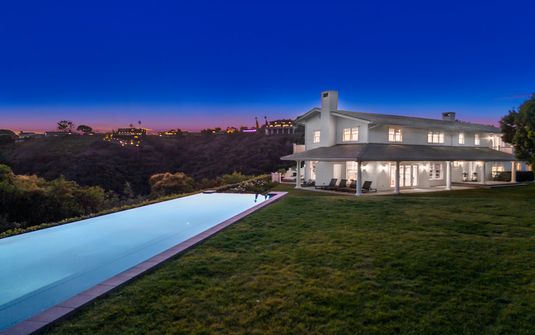
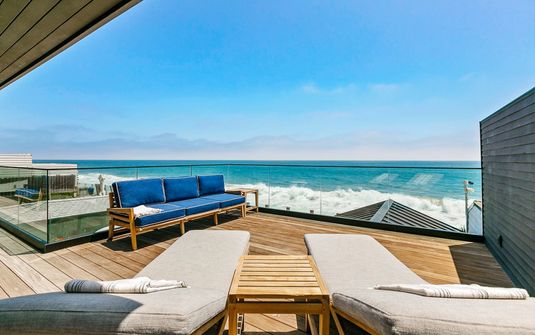
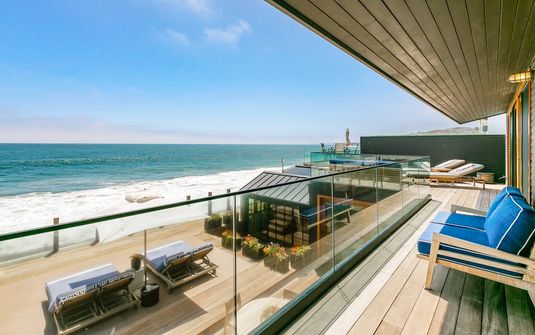
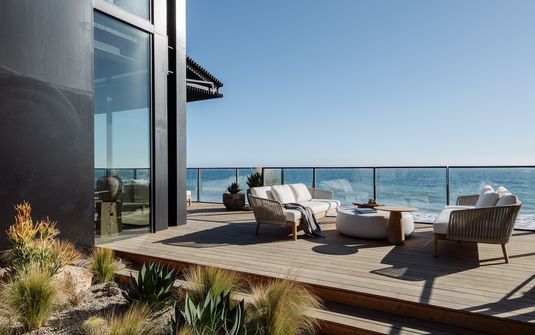
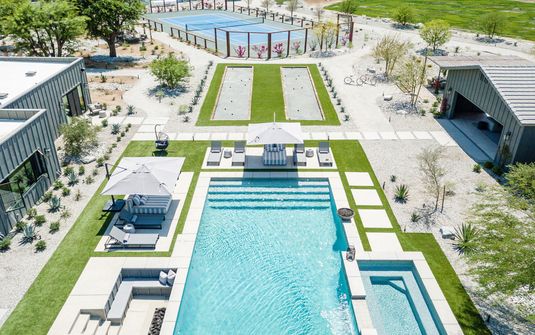
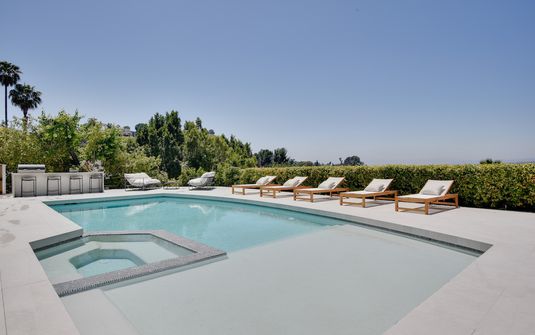
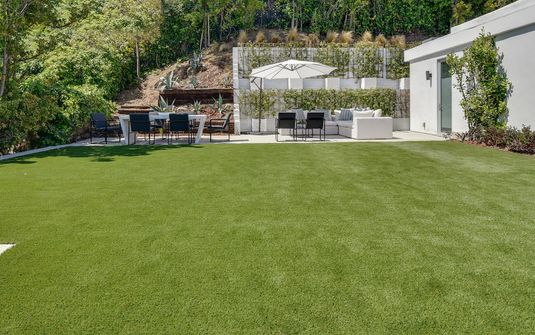
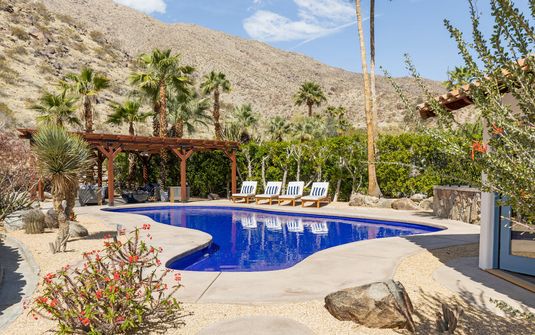
Southern California brings together several different ideas of a private home: the coastal residence, the urban hillside house, the garden-centered estate and the desert retreat. The region's geography gives each a distinct atmosphere. Ocean horizons contrast with mountain contours, close residential streets give way to open land and carefully planted courts create intimate spaces within expansive settings. The appeal lies in this range rather than in one repeated image of luxury. A thoughtful residence allows the household to experience a particular place clearly, with architecture, materials and private rooms that belong to the site and remain as engaging as the wider landscape beyond it.
Within California, the southern region offers a particularly varied residential identity. A house beside the Pacific has different proportions and outlooks from one set against a desert mountain, while a city residence can create privacy through an inward-facing plan or a garden behind a discreet frontage. These differences are central to the experience. Guests can choose a setting that reflects the atmosphere they value most, allowing the private home to become a personal lens on the destination. The quality of the stay comes from how comfortably the house inhabits that setting, not from an assumption that every part of the region offers the same coastal or urban experience.
Luxury Villas and Private Homes in Southern California
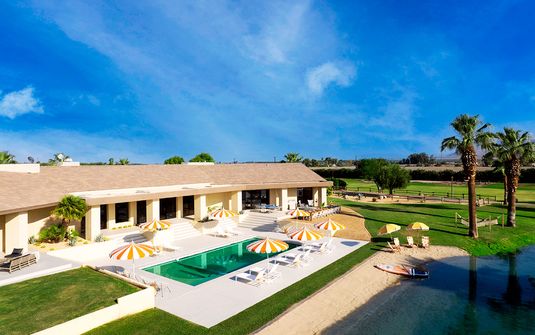
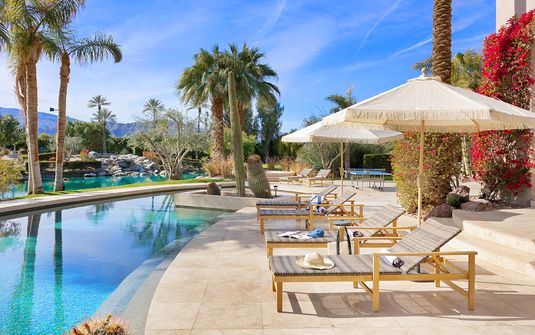
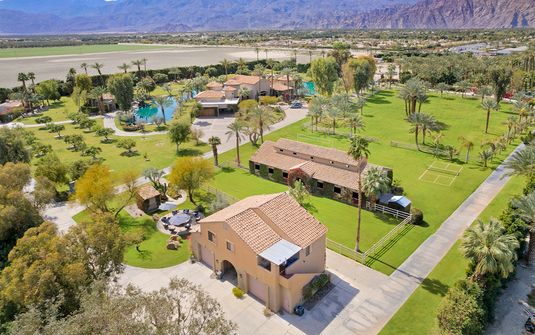
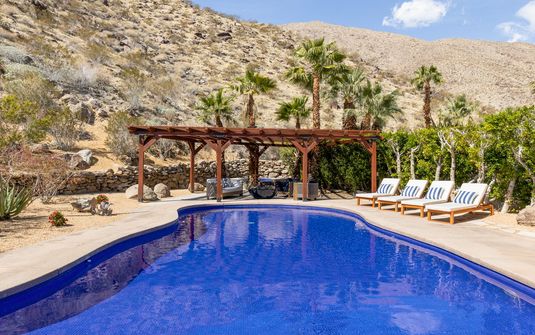
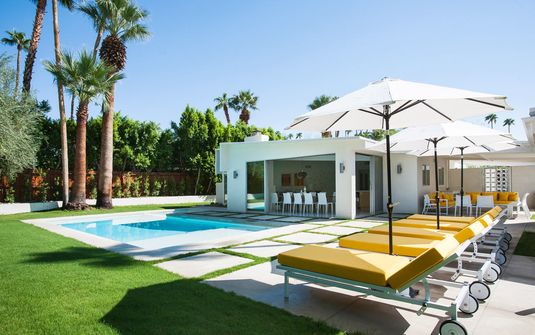
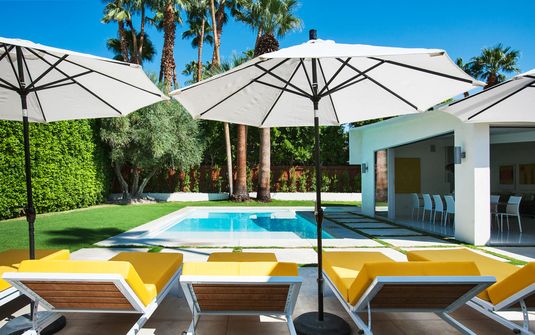
Coachella Valley provides a landscape of broad desert floor and substantial mountain walls, giving private residences a strong relationship with horizontal space and a clearly defined horizon. Low rooflines, sheltered courts and carefully framed openings can create a house that feels both expansive and protected. The immediate landscape has its own texture, with stone and sculptural planting providing interest close to the rooms. A refined desert residence makes these scales work together, allowing the household to appreciate the breadth of the setting while retaining intimate places within the plan. Its character is distinct from the coast, with architecture giving the land a comfortable and personal foreground.
La Jolla offers a more articulated coastal setting, where rocky edges, smaller bays and established residential streets give the Pacific a close relationship with the built landscape. A private home may frame a broad section of water or draw its character from a planted garden and a more selective outlook. The distinction matters because the setting is not a uniform beachfront strip. Architecture can respond through intimate courts, broad terraces or quieter rooms directed toward trees and stone. The resulting stay feels specific to a particular part of the coast, with the residence providing privacy and material depth rather than depending entirely on the scale of an uninterrupted sea view.
In Laguna Beach, hills and coastline create a residential landscape with pronounced changes in level. Houses can look across a layered foreground of trees and roofs toward the Pacific, while smaller coastal forms give the shoreline texture. A villa on rising ground may unfold through several floors, with shared rooms opening broadly and suites occupying more intimate positions within the plan. The architecture gains depth when each level has its own atmosphere, supported by comfortable connections and well-resolved thresholds. The appeal is a private home that makes the contours of the place legible, giving the household several ways to experience the coast rather than repeating the same panorama everywhere.
Distinct Residential Worlds across the Region
Los Angeles introduces the scale and variety of a major city, with private residences shaped by hills, gardens and a broad architectural culture. The experience differs considerably from one site to another. A house with an expansive urban outlook has a different character from an inward-facing residence organized around planting and enclosed courts. Both can offer depth when the plan preserves personal ease and gives the household a clear private world. The city remains part of the setting, but the architecture selects how it is experienced, allowing shared rooms to feel generous while suites and smaller exterior spaces retain the discretion expected of a thoughtful private home.
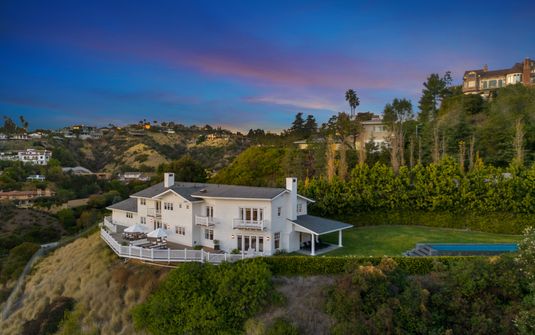
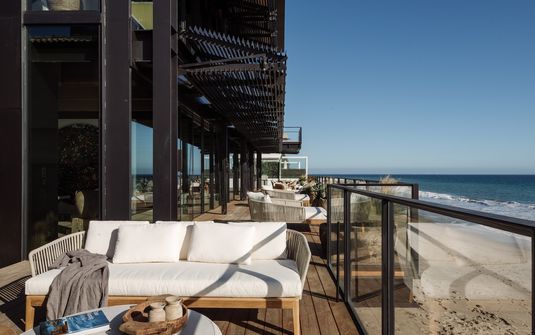
Malibu has a more direct relationship with the Pacific and the rising land behind the shore. The coast can be experienced close to the water or from a higher position where the horizon becomes broader and the immediate landscape more layered. These different sites give homes distinct atmospheres, from an intimate coastal foreground to a wider composition of hills and sea. A refined residence acknowledges its particular position rather than relying on one generalized beachfront formula. Rooms, terraces and gardens can each frame a different aspect of the setting, giving the household choice while preserving the coherence and privacy of one complete home.
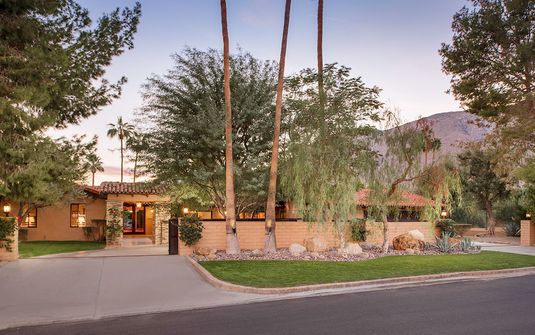
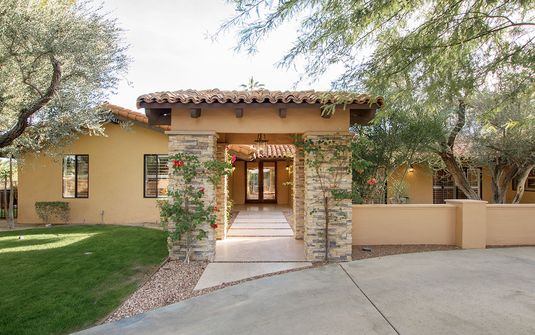
Santa Barbara brings another architectural register, with a strong association between red-tiled roofs, pale walls, planted courts and the meeting of mountains with the Pacific. A private residence can draw on this material language through substantial thresholds, sheltered exterior rooms and gardens that feel closely integrated with the plan. Contemporary interpretations can be equally convincing when their proportions and materials retain a clear relationship with the setting. The appeal is not simply a recognizable style. It is the sense of a home whose architecture gives the coastal landscape intimacy, allowing a broad outlook to coexist with quiet courts and private suites that feel comfortably enclosed.
Neighborhood Character and the Private Home
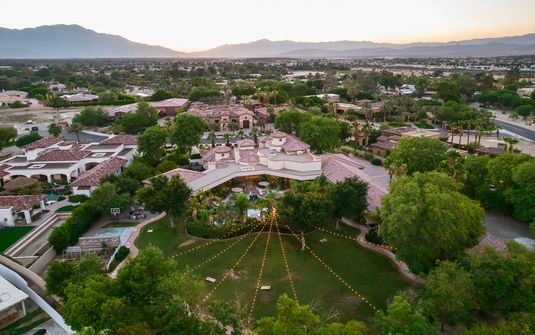
Tarzana offers a residential perspective within the San Fernando Valley, where private houses can draw much of their identity from gardens, tree cover and the relationship between shared rooms and outdoor space. The atmosphere differs from an immediate coastal setting. A planted estate can create its own intimate landscape, with a generous salon opening toward a terrace and quieter suites facing more protected parts of the grounds. The individual plot and plan shape the experience, allowing a residence to feel personal within the wider city. Luxury is expressed through the completeness of the home, with privacy, comfortable proportions and a coherent garden setting giving the stay lasting substance.
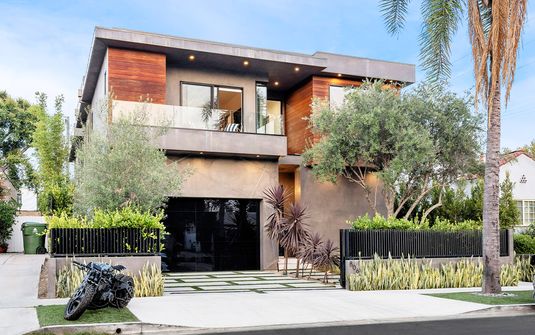
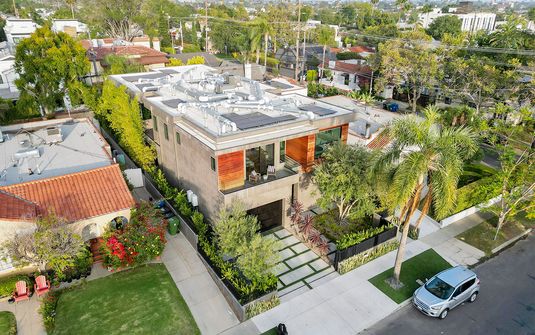
Venice combines a close urban fabric with a distinctive coastal identity. Low-rise homes, planted boundaries and varied contemporary architecture create a setting in which private residences often use their plans creatively, establishing discretion through courts, walls and carefully oriented openings. An upper terrace can reconnect the house with the broader landscape, while ground-level rooms turn toward a quieter internal world. The contrast gives a home depth without requiring an extensive estate footprint. A refined stay feels connected to a real neighborhood, with the architecture providing a personal frame through which the coastal city is experienced rather than removing every sign of the surrounding place.
These settings are not interchangeable, and their differences give Southern California its residential richness. The distance to the horizon, the closeness of neighboring houses, the shape of the land and the role of the garden all influence how a home feels from within. A desert court offers a different kind of intimacy from a coastal terrace, while a city residence can create privacy through a more inward-looking composition. A thoughtful choice respects those distinctions. The individual house becomes a place with its own character, allowing the household to inhabit the destination comfortably without expecting one architectural approach or one type of outlook to define the entire region.
Architecture with a Clear Sense of Place
Southern California's modern residential tradition provides a strong context for open rooms, precise structure and a close relationship between interior and exterior. Broad glazing can frame the landscape, while substantial roof planes and carefully placed walls give the rooms a sense of shelter. The best houses balance these qualities at a human scale. Comfortable furnishings and material warmth prevent openness from becoming impersonal, allowing the interior to retain an identity beyond its view. A contemporary residence feels most convincing when it responds to its particular site, using the architecture to make the setting comfortable rather than relying on dramatic forms that could be placed unchanged in any destination.
Traditional and regionally inflected homes can offer equal depth through a different language. Courtyards, tiled roofs, timber details and textured walls create a sequence of sheltered and open spaces, allowing the residence to reveal its landscape gradually. The appeal lies in the relationships between rooms rather than in ornament alone. A planted entrance can lead to a generous salon, while a quieter passage marks the transition toward private suites. These changes give the house an internal rhythm and make it easy to inhabit. The residence feels settled when its materials and proportions work together, preserving character while supporting the comfort expected of a refined private stay.
Privacy is a matter of planning across every setting. A substantial plot may create distance, but the orientation of suites and terraces still determines personal ease. A neighborhood residence can achieve discretion through inward-facing rooms, while a hillside house needs attention to neighboring levels and side-facing views. Planting, offsets and substantial boundaries support these arrangements without necessarily closing the house to its landscape. The aim is a home that guests can use naturally. Shared spaces remain generous, private areas feel protected and the household can move between sociability and retreat without passing through another person's intimate space or negotiating constantly with the exposure of the view.
Comfort throughout the Residence
Private suites deserve the same care as the principal shared rooms. A generous wardrobe, a comfortable place to sit and a well-framed outlook make a bedroom feel complete, whether it faces water, mountains or a planted court. Consistent comfort across the house allows differences between rooms to add character rather than create a sharp hierarchy. Bathrooms extend that quality through clear planning, precise materials and intuitive lighting. These quieter spaces reveal the depth of the residence's design because they support the parts of a stay that guests experience privately and repeatedly, ensuring that the home remains comfortable beyond its broadest and most immediately striking architectural settings.
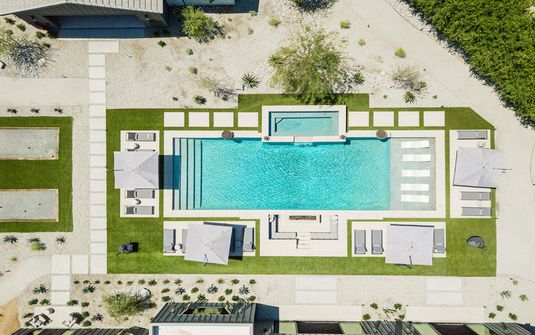
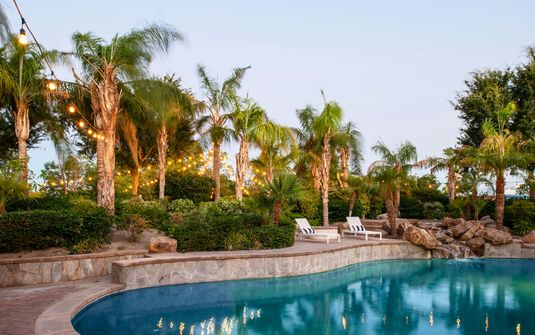
Gardens and exterior rooms can give the house several different centers of comfort. The main terrace may hold the full household, while a smaller court or a garden-facing sitting area offers another scale. Where a pool is included, its setting benefits from the same coherence, with comfortable circulation and materials that connect it to the architecture rather than isolating it as a feature. The exterior gains substance when each place has a distinct role. Guests have choices within one private home, allowing openness and intimacy to coexist naturally and making the property feel generous through variety rather than through a single oversized shared area.
Southern California within the United States
Among the private-home regions of the United States, Southern California offers an especially wide range of architectural and geographical settings. Its coast, cities, valleys and desert each bring a different atmosphere, giving guests meaningful choices rather than repeated versions of the same residence. The individual house makes those distinctions personal. Orientation, materials and the distribution of rooms determine how the wider destination is experienced from within, allowing the stay to feel specific to a particular neighborhood or landscape. This is the region's enduring residential appeal: a broad variety held together by the possibility of inhabiting each place through a comfortable, private and thoughtfully composed home.
A Private Stay Defined by the Particular Place
Southern California is most rewarding when the residence allows its own setting to shape the experience. A desert court, a coastal terrace or a garden within the city can each provide a distinct and lasting impression, supported by architecture that makes the landscape comfortable to inhabit. LaCure's perspective centers on that complete residential quality. Privacy and everyday ease give substance to the broader view, ensuring that the house remains as engaging as the destination around it. The result is a stay with depth and individuality, grounded in the differences that make Southern California's private homes varied, personal and unmistakably connected to their particular places.


