




Los Angeles offers a private-residence landscape with extraordinary range. Hills rise above a broad urban basin, gardens create intimate worlds behind discreet frontages and the Pacific gives the city's western edge a different sense of openness. The experience changes from one site to another, making the individual house especially important. A home may reveal the city through a broad hillside outlook or turn inward around a planted court, with both approaches offering a distinct form of privacy. The appeal lies in inhabiting a residence with its own architectural identity, allowing a major city to be experienced through comfortable rooms and personal spaces rather than as one continuous public panorama.
Within Southern California, Los Angeles brings together a deep residential design culture and a geography that resists a single architectural formula. Low-rise houses, substantial estates and contemporary hillside homes each interpret the setting differently. The quality of a stay comes from how clearly a residence understands its particular site. A generous salon needs a comfortable center, private suites require discretion and the garden or terrace should feel integrated with the plan. These relationships give the house substance beyond its address, allowing the household to settle into a home that remains engaging through its materials and proportions as well as the city or landscape visible outside.
Luxury Villas and Private Homes in Los Angeles
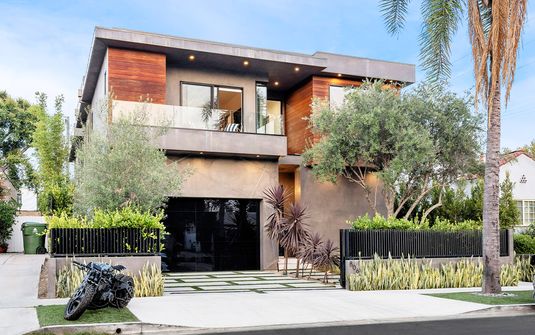
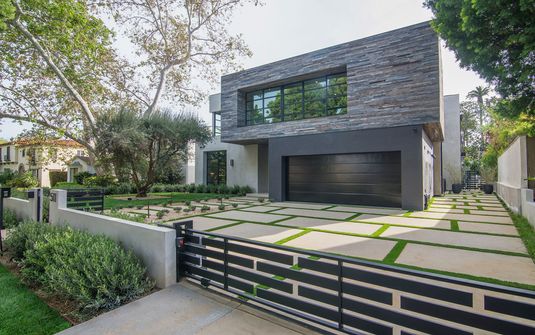
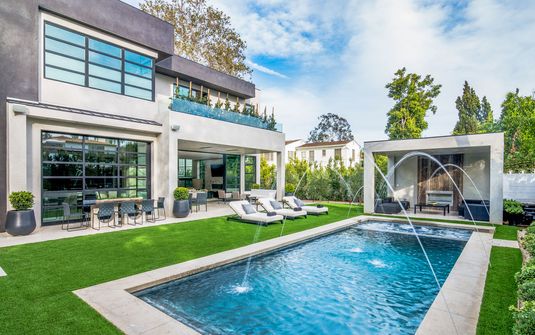
The city's modern residential tradition offers a compelling language for private living. Broad openings, expressive structure and a close relationship between interior and exterior can make a house feel generous without relying on elaborate ornament. The architecture gains warmth through timber, textured stone and furnishings with a human scale, ensuring that open rooms remain comfortable at close range. A well-framed urban view becomes one part of the composition rather than the only subject. Guests can appreciate the room itself when attention turns inward, with artwork, materials and clear proportions giving the residence a personal identity that endures beyond the first impression of the setting.
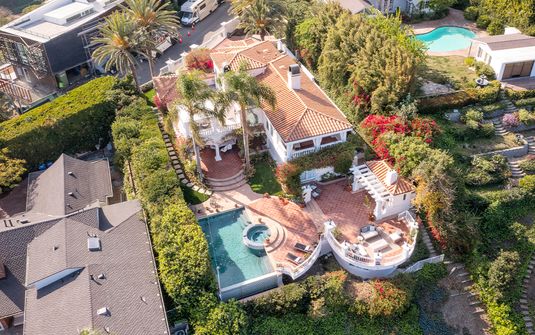
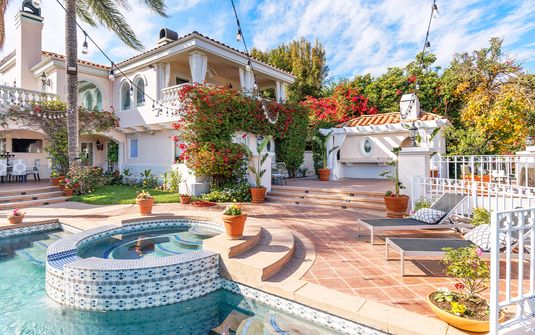
Traditional houses can provide a different kind of depth. Courtyards, tiled roofs and substantial plaster walls create a sequence of sheltered and open spaces, allowing the residence to reveal its landscape gradually. A discreet entrance may lead through a planted threshold toward a generous salon, while quieter passages mark the transition to private suites. The appeal is spatial rather than merely decorative. These changes in enclosure give the house an internal rhythm, making a large property feel personal and easy to understand. The residence becomes a world with several distinct atmospheres, supporting the household through a clear plan rather than a collection of impressive but disconnected rooms.
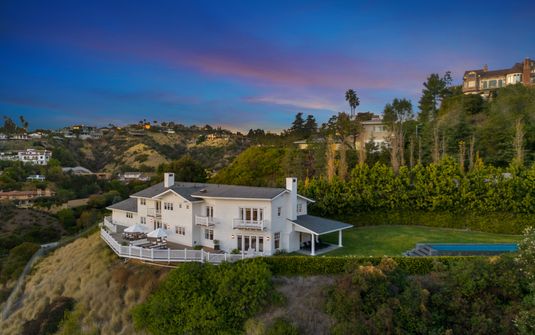
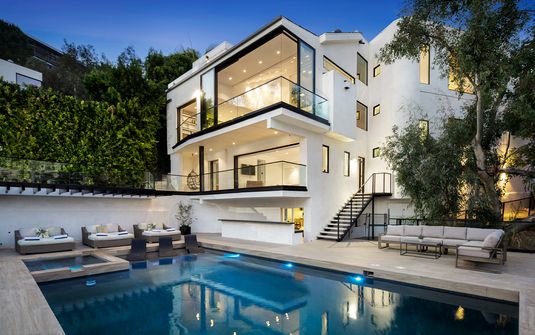
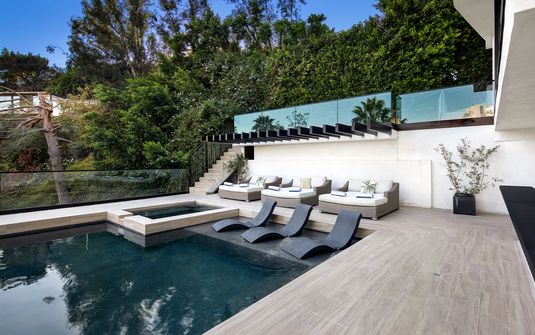
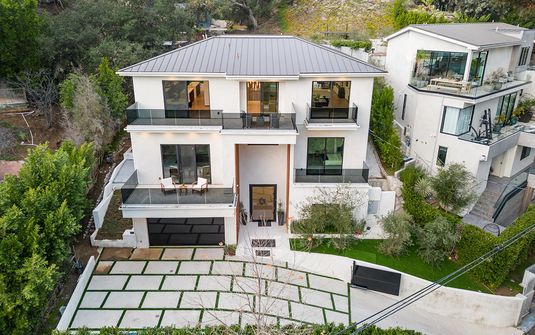
Hillside architecture introduces another relationship with scale. The shared level may open toward a broad view, while suites and smaller rooms occupy more intimate positions above or below. The slope can create meaningful separation when the connections remain comfortable and legible. Stairs, landings and sheltered passages deserve the same care as the main salon because they shape the everyday experience of the home. A thoughtful house uses these transitions to reveal the setting in stages, giving each level a reason to exist and allowing the household to move naturally between expansive shared space and quieter personal retreats within the same coherent residence.
Coastal Perspectives within the City
Pacific Palisades offers a setting defined by the meeting of coastal land, canyons and the rising terrain of the Santa Monica Mountains. A private residence can interpret that geography through a broad ocean-facing outlook or a more enclosed relationship with its immediate site. The particular house determines the atmosphere, with architecture creating personal space within a landscape whose contours remain distinctive. A refined stay depends on the completeness of the residence: well-proportioned rooms, carefully protected suites and exterior spaces that feel integrated with the plan. These qualities give the setting a domestic scale, allowing the wider coastal geography to remain present without replacing the comfort of the home itself.
Santa Monica brings another coastal expression, with an established urban fabric beside the Pacific. A private home can combine a close relationship with neighborhood architecture and a more open outlook from a terrace or upper room. Courts and gardens can establish discretion at ground level, while carefully positioned openings reconnect the interior with the broader setting. The contrast gives the residence depth without requiring a remote estate atmosphere. Guests inhabit a specific place within the city, with the house selecting how much of the surroundings is visible and where the private world turns inward, allowing connection and personal ease to coexist naturally.
These coastal settings are part of Los Angeles's wider residential variety, but they should not be treated as interchangeable. The shape of the land, the density of neighboring buildings and the relationship with the ocean all influence how a home feels from within. A hillside terrace offers a different kind of breadth from an urban garden court, and a contemporary open plan has a different atmosphere from a traditional sequence of rooms. A thoughtful residence makes those distinctions clear. The household experiences a house whose architecture belongs to its particular site, giving the stay a specific identity rather than relying on a uniform city-wide image of luxury.
The Garden as a Private Urban Landscape
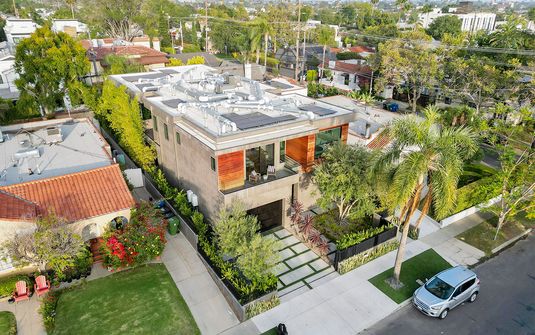
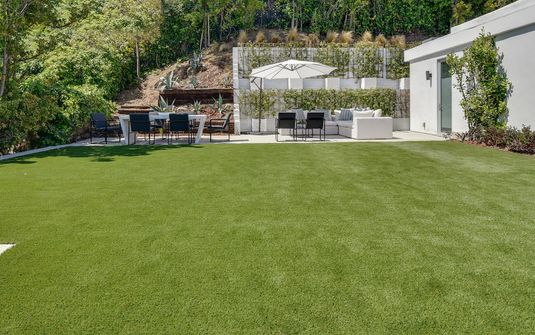
A garden can give a Los Angeles home an intimate center within the scale of the city. A planted court, a tree visible from several rooms or a layered boundary beside a suite creates a personal landscape close to the architecture. These spaces can be as memorable as a broad urban outlook because they are encountered repeatedly and at a human distance. The garden works best when it participates in the plan, connecting shared areas and protecting private ones through a coherent arrangement. It gives the house depth, allowing the household to inhabit several different atmospheres without leaving the privacy of the residence.
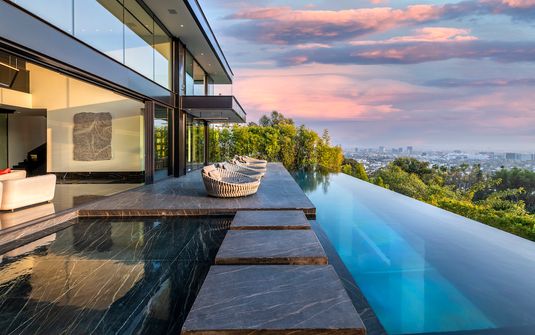
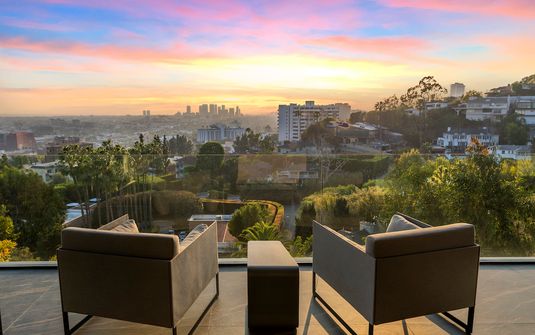
The principal terrace can provide a more outward-looking counterpart. Comfortable seating, clear circulation and a sheltered section make the exterior a genuine room rather than a platform arranged only for the view. A substantial architectural edge or a planted side boundary gives a broad outlook a settled foreground, allowing the city or landscape to remain generous without making the space feel exposed. Smaller terraces can offer a quieter scale beside suites or secondary rooms. Their distinction is what makes the house accommodating, giving guests choices within one home instead of requiring every part of the household to gather in the same exterior area.
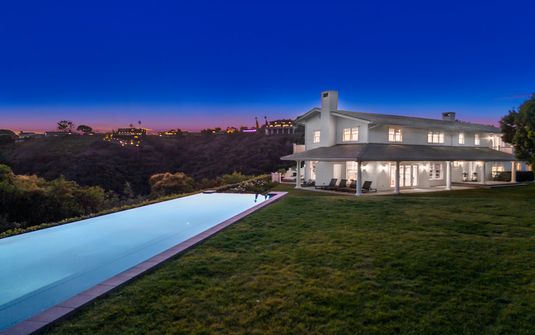
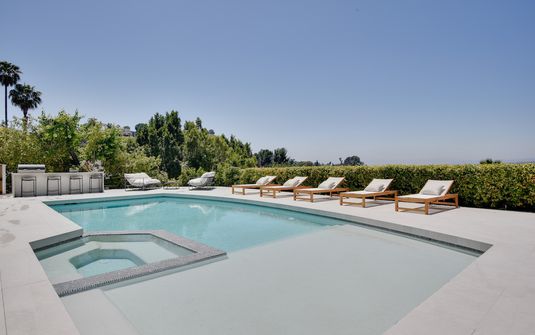
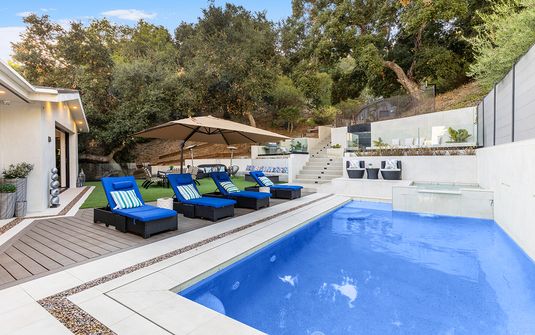
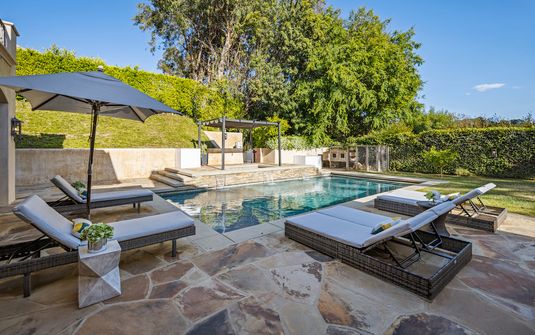
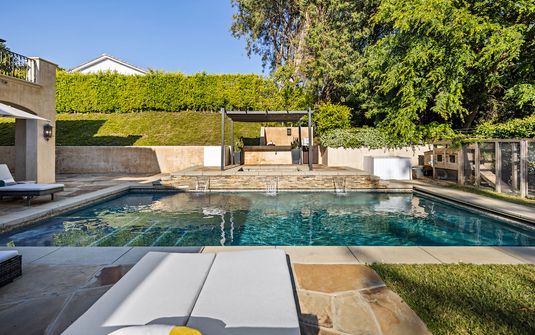
Where a pool is included, its setting can form a calm center within the property. Simple geometry may complement a contemporary house, while a more enclosed water court can suit an inward-looking plan. The surrounding space determines whether either approach feels complete. Generous passages, comfortable furnishings and coherent materials connect the pool to the rooms and garden, making it part of daily life in the residence rather than an isolated feature. A refined exterior is a whole composition, with water, planting and architecture supporting one another and giving the household the same ease outside that it experiences in the interior.
Rooms with Individuality and Domestic Ease
Los Angeles provides a fitting context for interiors with a personal collection of art, furniture and crafted objects. The effect is strongest when the arrangement remains selective, allowing each piece to retain its character and the architecture to remain legible. Timber, stone and textured surfaces give the rooms substance, while textiles add softness at a closer scale. A house feels collected rather than staged when its furnishings respond to the proportions of the spaces, not simply to a fixed decorative theme. This gives the residence a lasting identity, allowing guests to appreciate the quality of the interior as part of the stay rather than treating it only as a frame for the city beyond.
The main salon should support conversation naturally. Comfortable distances between seats, substantial tables and unobstructed routes to the terrace give the room a clear center, while solid walls provide space for artwork, books or joinery. A broad opening can then enrich the atmosphere without directing every seat toward one view. A smaller sitting room offers another register, perhaps more enclosed or framed by a garden. These differences make the house comfortable when fully occupied, allowing varied preferences to coexist within the household. The property feels generous through the range and usability of its rooms rather than through dramatic dimensions alone.
Private suites can have distinct outlooks and atmospheres while maintaining consistent comfort. One may face a broad section of the city, another a planted court and another a quieter part of the grounds. Generous storage, a comfortable place to sit and well-positioned lighting give each room completeness. The difference between suites should add character rather than create a sharp hierarchy of quality, allowing every guest a thoughtful personal retreat. This evenness matters during a shared stay, when the comfort of the private rooms shapes the household's atmosphere as much as the principal salon, broadest terrace or most immediately striking architectural space.
Discretion throughout the Plan
Privacy is an architectural matter even within a substantial estate. The orientation of terraces, the position of neighboring buildings and the route between shared rooms and suites all influence personal ease. Walls, offsets and planting can protect intimate spaces without closing the residence to its setting. On a hillside, different levels require particular care so that a broad outlook does not come at the expense of discretion. The aim is a house guests can use naturally. Shared spaces remain generous, private quarters feel protected and each person can move between sociability and retreat without crossing another guest's personal space or negotiating constantly with outside sightlines.
Bathrooms and thresholds complete this experience in quieter ways. A clear bathroom layout, generous surfaces and intuitive lighting support everyday comfort, while restrained materials create continuity with the rest of the house. A protected opening toward planting can bring a more intimate exterior relationship than the broad view of the main rooms. Passages, entrance courts and landings deserve equal attention because they become familiar parts of the residence over time. When these spaces receive the same care as the principal salon, the home feels thoroughly considered, with a coherent rhythm that makes a generous property comfortable to understand and personal to inhabit.
Los Angeles within California’s Private-Home Landscape
The private residences of California offer a wide range of settings, and Los Angeles contributes an especially varied relationship between architecture and city. Within the United States, it appeals to guests who value a home with design depth and a clear personal world within an inhabited place. The individual residence remains decisive. Its site, materials and arrangement of rooms determine how the destination is experienced from within, allowing a stay to feel specific to a particular landscape or neighborhood. This gives luxury a residential substance, grounded in privacy, comfort and the ease of a house whose character extends beyond its broadest view.
A Private Perspective on Los Angeles
Los Angeles is most rewarding when a residence turns the city's scale into a personal experience. A broad outlook provides context, while gardens, comfortable rooms and carefully protected suites create the private world in which the household settles. A memorable home offers several atmospheres without losing coherence, allowing architecture and setting to support one another naturally. LaCure's perspective centers on that complete residential quality. The lasting impression is of a stay with depth and individuality, unmistakably connected to Los Angeles yet shaped throughout by the materials, proportions and everyday ease of the particular house that makes the city feel comfortable to inhabit.


