




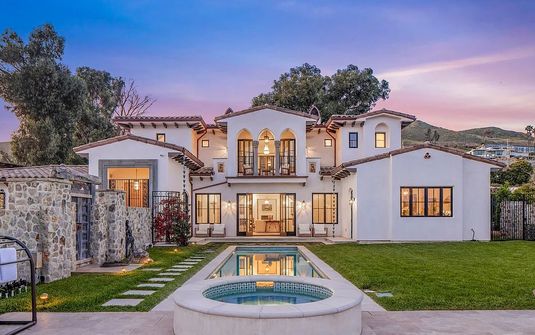
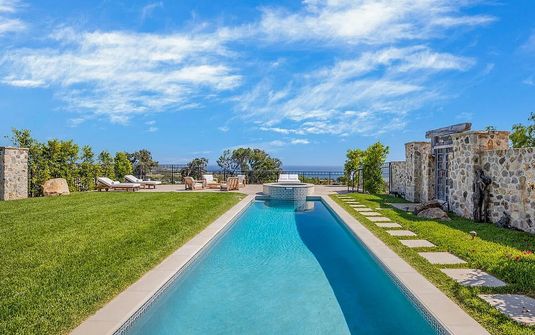
Malibu is a narrow meeting of Pacific water and rising land, with the coast experienced differently from each private residence. A house close to the shore can hold sand, rock and water in an intimate foreground, while an elevated property reveals a broader relationship between the ocean and the Santa Monica Mountains. That distinction gives the destination its residential depth. The appeal is not one uniform beachfront image, but a collection of particular sites whose architecture responds to different contours and outlooks. A memorable stay makes that relationship feel personal, with comfortable rooms and private exterior spaces that remain as engaging as the larger coastal landscape beyond them.
Within Southern California, Malibu offers a strongly geographical form of private living. The ocean gives the setting breadth, and the land behind it introduces enclosure, texture and a clear sense of orientation. A residence can be expansive in its shared spaces while remaining intimate in quieter rooms, allowing the household to experience several moods within one home. The individual plan matters as much as the view. Thoughtful circulation, well-protected suites and exterior areas with distinct purposes give substance to the stay, ensuring that the house is comfortable to inhabit rather than simply arranged as a platform from which to admire the Pacific.
Luxury Villas and Coastal Homes in Malibu
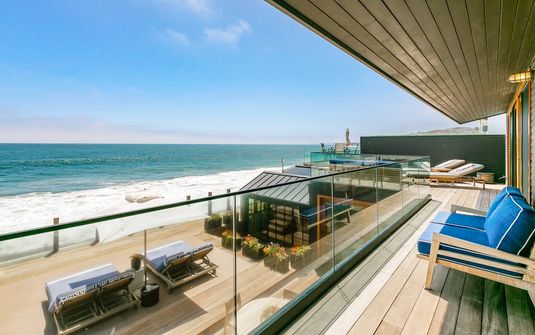
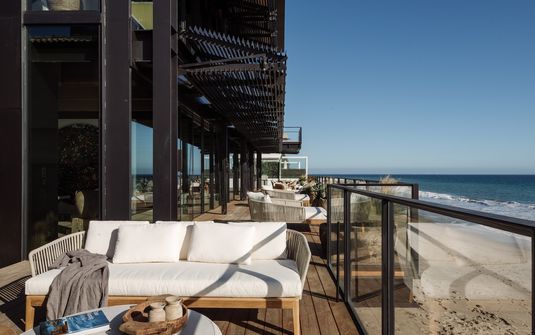
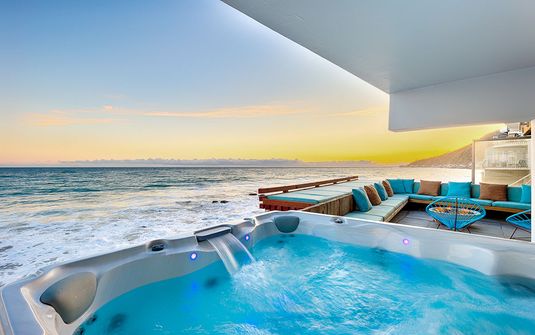
A beachfront residence has a close relationship with the water's edge. The foreground is tangible, with the shore giving scale to the view and making the coast part of the house's immediate atmosphere. Architecture can acknowledge that proximity through broad shared rooms, carefully framed openings and exterior spaces that feel integrated with the interior. The home still needs its own identity. Substantial materials, comfortable furniture and a clear internal order allow the rooms to remain engaging when attention turns away from the sea. The most persuasive coastal house is therefore a complete residence, with the shoreline enriching a domestic experience whose quality extends throughout the plan.
An elevated home offers another perspective. From higher ground, the ocean becomes a broad plane and the land's contours form a more layered composition around it. The house may unfold through several levels or use terraces to give different rooms their own relationship with the setting. These changes can create meaningful separation for a shared household when the connections remain comfortable and legible. A quiet landing, a planted passage or a smaller sitting room gives the residence depth between its largest spaces. The architecture turns elevation into variety, allowing the property to feel personal rather than reducing every room to a repetition of the same panoramic view.
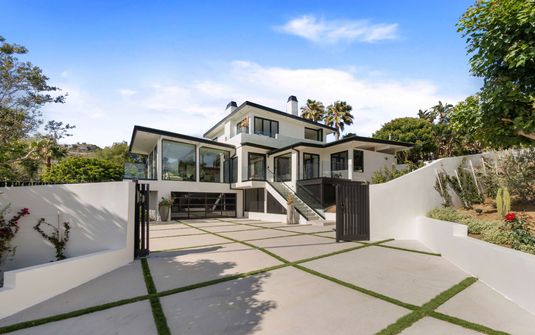
Contemporary architecture can express Malibu's landscape through clear lines and a restrained material palette. Broad openings allow the coast to register strongly, while substantial walls and deep roof forms provide a sense of shelter. Timber, stone and textured surfaces bring warmth at close range, giving the interior enough substance to balance the scale of the ocean. A traditional house can interpret the same relationship through different forms, with varied rooflines, planted courts and a more gradual sequence of rooms. In either case, the quality lies in proportion and coherence, allowing the residence to belong to its particular site without relying on a generalized coastal theme.
The Pacific at Different Distances
The immediate shore and the distant horizon offer different kinds of interest. A room near the water may frame a close section of coast, where the changing line between land and sea gives the outlook texture. A broader terrace can reveal the larger sweep of the Pacific, with fewer near details and a greater sense of openness. A house gains depth when it makes room for both experiences. Smaller windows and quieter rooms need not compete with the principal panorama. Their more selective views can feel personal and complete, allowing guests to encounter the destination through several distinct architectural frames during the stay.
Rocky sections, sandy stretches and projecting landforms prevent the Malibu coast from reading as one continuous uniform edge. The particular setting of a residence determines which of these elements becomes its foreground. This is why two homes can share a destination name yet have markedly different atmospheres. A refined house works with the view it actually has, using the architecture to give that relationship clarity rather than imposing the same arrangement on every site. Guests experience a specific coast through the rooms and terraces of their home, with the landscape's differences becoming part of the property's individuality and a source of lasting interest beyond the first broad impression.
The mountains provide a quieter counterpart to the seaward outlook. Their rising contours give the coast an enclosed landward side, offering homes the possibility of rooms directed toward terrain, trees or a private garden. These spaces can be especially valuable in a residence with a strong ocean-facing emphasis. They create another atmosphere, allowing guests to choose a more intimate relationship with the setting without leaving the house. The residence becomes richer through contrast, with the broad Pacific, the immediate shoreline and the rising land each finding an appropriate place within the plan rather than every room participating in one unbroken display of water.
Terraces with a Comfortable Coastal Scale
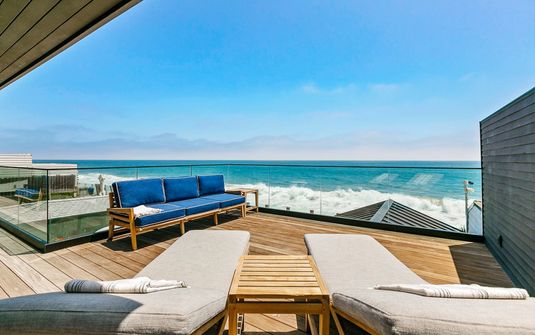
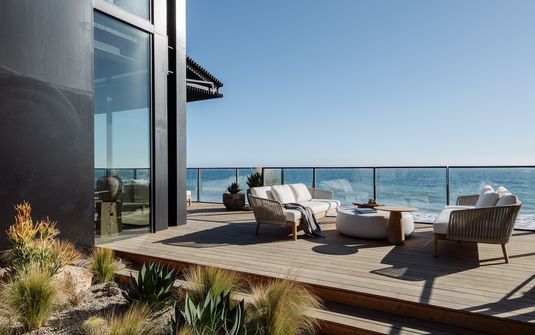
The principal terrace should have the definition and comfort of a genuine room. Sufficient depth, well-arranged seating and a sheltered section make the space part of daily life in the residence rather than an empty foreground to the view. A substantial side boundary or a carefully positioned wall can provide privacy while leaving the ocean-facing edge open. Smaller terraces can offer a more personal scale beside suites or quieter sitting rooms, giving the household choice. Their differences make a villa accommodating when fully occupied, allowing guests to enjoy the coast independently while the main exterior level remains generous enough for everyone to gather together.
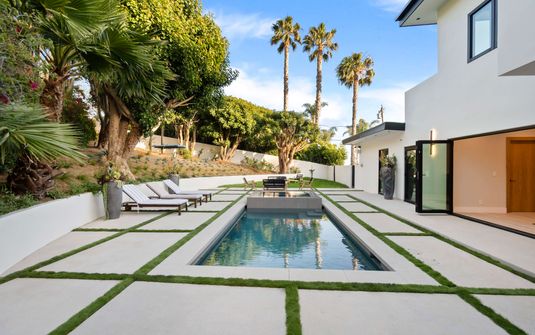
Where a pool is included, its water can form a composed surface within the broader coastal setting. Simple geometry often allows the natural shoreline to remain expressive, while coherent paving and comfortable furniture connect the area to the house. The surrounding space is what makes the feature complete. Generous passages, well-resolved thresholds and a clear relationship with the shared rooms give the exterior everyday substance. The pool becomes one element in a larger residential composition, supporting the household's comfort without dominating the property's identity or making the experience depend on a single visually striking edge.
A garden can provide the intimate foreground that balances an expansive ocean outlook. A planted court, a tree beside a passage or a layered boundary near a private suite introduces close texture and a quieter sense of enclosure. The scale need not be extensive to be effective. A small garden visible from several rooms can give the house a personal center, while planting between wings can create separation without fragmenting the property. These relationships make the landscape part of the architecture's organization. The residence gains several different places to settle, each with its own atmosphere and a clear connection to the whole home.
Interiors with Material Depth
Malibu interiors can feel calm and individual without relying on a literal seaside theme. Timber brings warmth, stone gives substance and textured plaster provides a quiet background for furnishings and artwork. Selected objects introduce character when they have space around them, allowing the architecture to remain legible beside a strong view. A comfortable chair or a carefully crafted cabinet can become as memorable as a broad window because it is encountered repeatedly and at close range. The house feels personal when its furnishings appear chosen for the rooms themselves, giving the interior an identity that remains engaging after the ocean has become a familiar part of the surroundings.
The main salon gains generosity from its arrangement rather than its dimensions alone. Seating grouped for conversation, substantial tables and clear routes toward the terrace allow the household to use the room naturally. Solid walls offer another point of attention through artwork, books or material texture, balancing the open coastal side. A second sitting room can provide a different scale, perhaps framed by a garden or more enclosed within the plan. These spaces allow varied preferences to coexist comfortably, making a longer stay feel accommodating without requiring every guest to occupy the same room or the same degree of openness throughout the day.
Private suites should feel complete, with generous storage, a comfortable seating area and well-positioned lighting supporting the quiet parts of the stay. Their outlooks can differ meaningfully. A broad ocean frame offers one atmosphere, while a planted court or a selective hillside view gives another room a more intimate character. Consistent quality across the suites allows those differences to add variety rather than create a sharp hierarchy of comfort. The residence feels generous to every guest, giving each person a thoughtful retreat within the home and ensuring that the private experience matches the care evident in its principal shared spaces.
Discretion beside an Open Horizon
Privacy in Malibu depends on the particular site and architecture, not simply on the scale of the view. Neighboring homes, upper-level terraces and the orientation of bedroom openings all influence personal ease. Walls, offsets and planted boundaries can protect intimate spaces while preserving openness toward the ocean. The internal plan matters equally. Guests should be able to reach their rooms and use smaller exterior areas without passing through another person's retreat. These quiet decisions make the residence comfortable when fully occupied, allowing the household to enjoy the coast naturally rather than adjusting constantly to outside sightlines or the exposure of its most dramatic spaces.
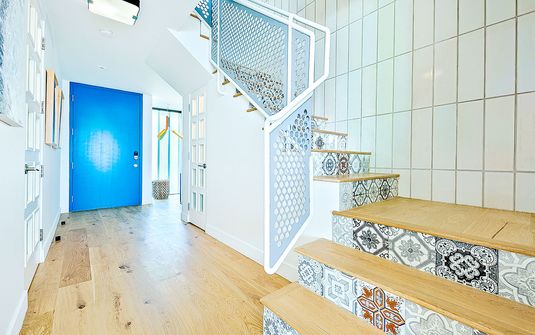
Bathrooms and transitions complete that sense of personal comfort. A bathroom with clear proportions, generous surfaces and intuitive lighting supports everyday ease, while restrained materials create continuity with the rest of the house. A protected opening toward planting can introduce a close exterior relationship distinct from the broad panorama of the main rooms. Passages, stairs and entrance courts deserve the same care because they shape the repeated experience of moving through the residence. When these less visible spaces are thoughtfully resolved, the home feels coherent and personal, with quality extending beyond its broadest ocean-facing moments to the quieter details that sustain a comfortable stay.
Malibu within California’s Private-Home Settings
The coastal residences of California offer many different relationships with the Pacific, and Malibu is distinctive for the close meeting of shore and rising land. Within the United States, it appeals to guests who value a particular house whose architecture makes that geography personal. The individual site remains decisive. Its orientation, materials and private spaces shape how the destination is experienced from within, giving the stay a specific character rather than a uniform beachfront identity. A thoughtful residence balances the openness of the ocean with the intimacy of a complete home, allowing privacy and everyday comfort to give lasting substance to the setting.
A Private Stay between Mountains and Pacific
Malibu is most rewarding when a residence brings its different landscapes into a coherent domestic world. The ocean supplies breadth, the shoreline adds texture and the land behind the coast offers a quieter frame. Comfortable rooms, gardens and thoughtfully defined terraces make those elements natural to inhabit, with privacy supporting the household throughout the property. LaCure's perspective centers on this complete residential experience. The lasting appeal comes from a home whose materials, proportions and personal spaces remain as engaging as the landscape, giving the stay individuality and depth beyond the first impression of a broad Pacific view.


