




City Bowl: A Private Cape Town Home beneath the Mountains
The City Bowl offers an intimate urban perspective on Cape Town. Mountain slopes establish the larger enclosure, while gardens, older houses and contemporary residential buildings give the foreground its texture. A private home here is part of that layered cityscape. Its identity may come from an established veranda, a garden held behind substantial walls or an elevated room looking across roofs towards the surrounding landforms. The setting feels specific because the city and the landscape remain closely related, rather than appearing as separate experiences beyond the property.
Within South Africa, this creates a distinct alternative to a residence organised entirely around the coast. The City Bowl’s contribution to the Africa collection is a home with an urban address and a protected interior life. The household can occupy generous rooms and personal outdoor spaces while retaining a visual connection to the place around it. Its refinement is expressed through architecture, established planting and comfortable domestic scale, with the character of the neighbourhood giving the residence depth beyond its private boundary.
A Mountain-Defined Residential Landscape
The bowl-like geography gives the area a recognisable sense of orientation. Rising ground frames the city, and an elevated house can receive several overlapping views: neighbouring gardens, lower roofs, larger urban forms and the mountain slopes beyond. A residence need not present the widest possible panorama to feel connected to this setting. A carefully placed window can isolate a particular landform, while a room facing the garden brings the scale back to the immediate grounds. These different perspectives make the house feel rooted in its actual position.
The relationship with the street can be equally important to the atmosphere of the home. A restrained exterior or planted boundary may give little indication of the rooms and gardens within. Once inside, courts, terraces and changes of level establish a quieter domestic world. This progression allows a City Bowl residence to feel independent without suggesting that it occupies an isolated estate. Privacy comes through the composition of the address, with the surrounding neighbourhood remaining a real and meaningful part of its context.
The Substance of an Older House
An established residence can retain its character through room proportions, substantial openings and the relationship between the main building and its veranda or garden. These qualities often matter more than the quantity of surviving decorative detail. A sensitive interior preserves the legibility of the older house while allowing comfortable present-day occupation. Contemporary furniture can introduce clarity and ease within inherited rooms, making the home feel lived in and individual rather than treating its history as a fixed visual theme that must be repeated throughout every space.
A principal reception room may offer greater height or formality, while smaller rooms provide a more intimate scale. That variety gives an older home depth and allows the household to occupy it in different ways. The garden often completes the composition, with mature planting making the residence feel settled within its plot. Original and newer elements can work comfortably together when their relationships remain clear, allowing the house to retain a recognisable architectural identity without requiring every room to serve the same ceremonial purpose.
Contemporary Rooms within an Established Cityscape
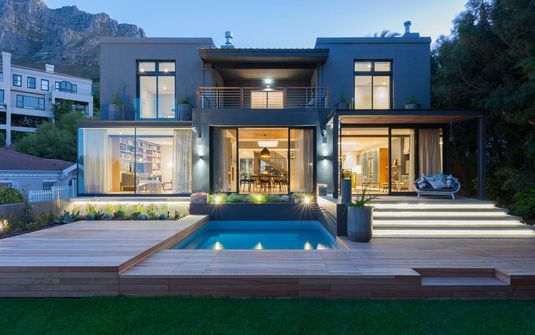
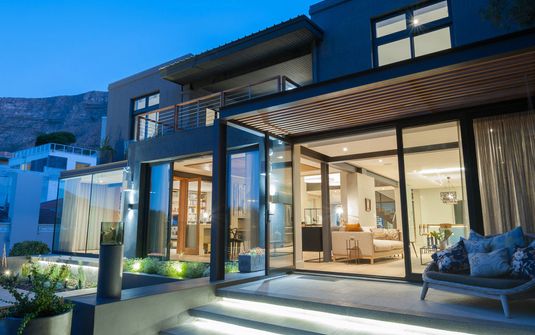
Newer houses and contemporary interventions offer another interpretation of the City Bowl. Broad openings can frame selected mountain or city views, while courts and more enclosed volumes protect personal accommodation. The architectural interest comes from the dialogue between these two conditions. A generous living room may be outward-facing, but a quieter room can rely on a closer garden relationship or an internal court. The residence then has a range of atmospheres, giving the surrounding cityscape a place within the home without making every interior equally exposed.
Material restraint can help that composition remain legible. Stone, timber and quieter rendered surfaces give rooms texture without competing with the setting, while considered furnishings make the larger spaces comfortable in everyday use. Differences in scale matter: a smaller sitting area can become as important to the household as the principal salon. The distinction of a City Bowl home lies partly in this domestic richness, with well-resolved interiors offering more than a sequence of rooms directed towards the same prominent view.
The Garden as a Private Urban Room
Within an established residential setting, a garden provides a particularly valuable change of scale. Walls and mature trees can create enclosure, while a terrace near the main rooms gives shared time a more open setting. A planted court or quieter corner introduces another degree of intimacy. These exterior spaces feel most convincing when their proportions belong to the house, allowing the residence to extend naturally into its grounds. The result can be a substantial private environment even where the plot is more contained than a country estate.
Where a property includes a pool, its placement forms part of that urban garden composition. The position of adjoining suites, neighbouring windows and exterior sitting areas determines how comfortably it can be used as part of the home. Privacy depends on these precise relationships rather than on the presence of a wall alone. A carefully resolved address gives the household confidence in occupying both interiors and grounds, with discretion established through the arrangement of the residence and the real pattern of buildings around it.
A Household Rhythm with Space for Independence
Separate suites and several shared rooms allow different generations or couples to remain together without making every part of the stay communal. A quiet room facing the garden, a more formal principal salon and a protected veranda each provide a different relationship with company and setting. Independent bedroom access and consistent comfort across the accommodation support that variety. Where discreet household support is included, considered working spaces help preserve the home’s private atmosphere, keeping practical care naturally integrated with the rhythm of the people staying.
The City Bowl’s lasting appeal is the experience of a particular Cape Town residence becoming familiar. Mountain forms remain visible beyond the gardens and roofs, while the house establishes its own intimate sequence of rooms and exterior spaces. Its character can be historic, contemporary or a thoughtful combination of both, provided the whole address feels coherent. A distinguished stay is grounded in that relationship between an independent home and a recognisable urban landscape, offering privacy, architectural substance and a distinctly personal perspective on the city.


