




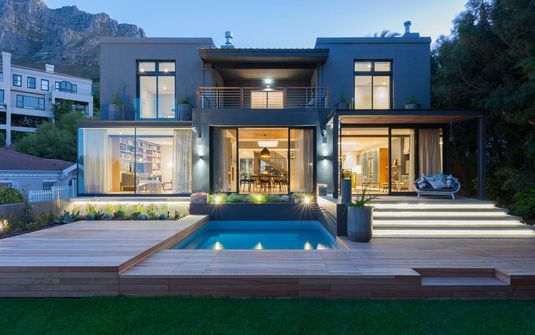
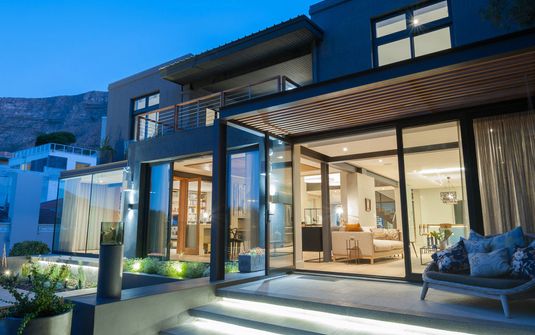
Cape Town: Private Residences between Mountain, City and Atlantic
Cape Town offers an unusually close relationship between dramatic landforms and established residential life. Table Mountain gives the city a powerful visual reference, while the slopes, lower neighbourhoods and Atlantic coast create quite different positions for a private home. Within South Africa, this makes the address itself an essential part of the experience. A residence may be defined by a broad water horizon, a mountain-facing garden or a layered city outlook, with architecture determining how those surroundings enter the rooms.
The city brings a distinctive urban perspective to the Africa collection. Its private villas can feel independent and generously proportioned while remaining legibly part of a settled landscape. That combination gives the stay substance: the house provides protected personal space, but its setting retains the texture of a real city. A carefully composed residence makes the relationship comfortable through its entrance, orientation and exterior rooms, allowing a household to occupy Cape Town at a personal scale without reducing its character to a single panoramic image.
A Residence Positioned within the Landforms
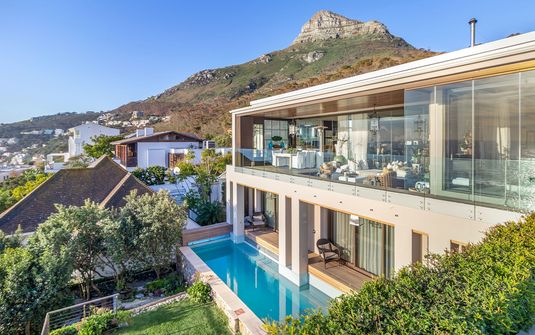
Elevation creates meaningful differences between addresses. A higher house can receive a broad prospect across the city or coast, with terraces and principal rooms looking over successive layers of buildings and vegetation. A lower garden property may have a more intimate relationship with the mountain forms behind it. Both can be compelling when the architecture makes their particular qualities clear. The most convincing home does not ask every room to perform the same role, allowing a generous shared space and a quieter suite to frame different aspects of the setting.
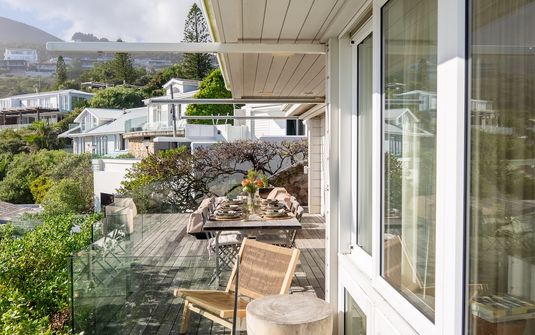
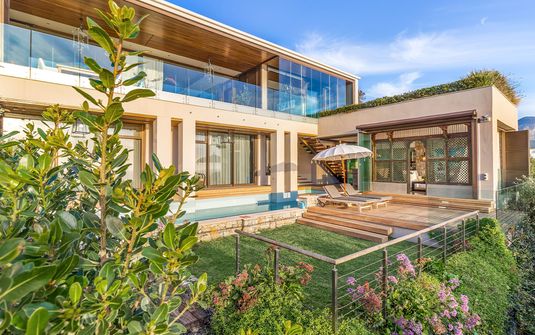
The terrain also gives a residence a natural internal structure. Stepped levels can create separation between communal rooms and private accommodation, while courts and planted edges introduce enclosure within a more open site. A substantial terrace can remain connected to the principal living area without becoming the only exterior space. These relationships allow the home to offer several atmospheres within one address, making it comfortable through everyday occupation rather than relying entirely on the drama of its highest or widest view.
Atlantic Seaboard: A Stronger Ocean Perspective
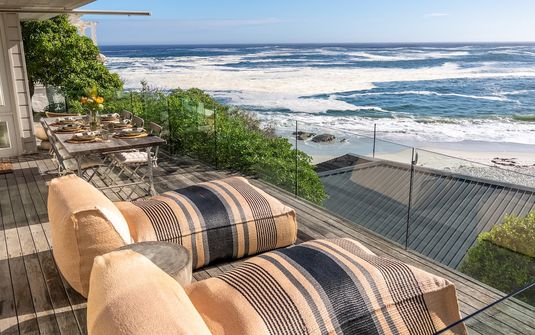
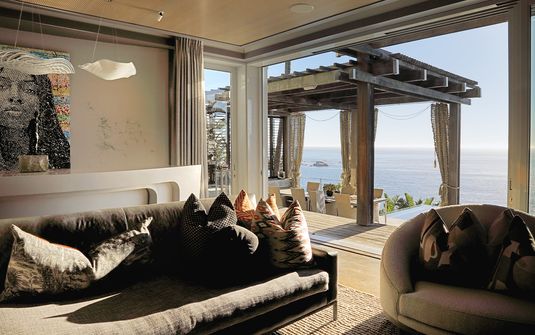
The Atlantic Seaboard places the Atlantic in a more immediate relationship with the residence. Sloping sites can open principal rooms towards a broad horizon, with the coastal landforms and the city’s built fabric providing a layered foreground. The setting is particularly suited to architecture that gives an outlook a clear frame: a generous opening, an extended terrace or a carefully positioned living volume. The effect is strongest when the sea remains part of a complete domestic composition, rather than becoming the only quality by which the house is understood.
Privacy here depends on the precision of the actual address. An expansive view can coexist with nearby buildings, making window orientation, terrace levels and planted boundaries important parts of the residence. The most accomplished villas preserve protected spaces alongside their outward-facing rooms. A suite may turn towards a quieter court, while a secondary lounge offers a more enclosed setting than the main salon. This balance gives an ocean-oriented home depth, allowing the household to experience both the openness of the coast and a comfortable independent interior life.
City Bowl: Mountain-Defined Urban Living
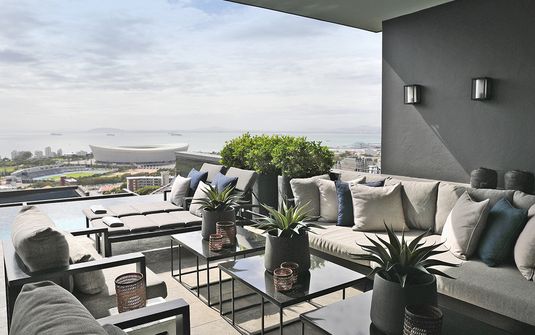
The City Bowl offers a different residential atmosphere, with the city gathered within a setting defined by mountain slopes and established neighbourhoods. The outlook can combine gardens, roofs and larger urban forms rather than concentrating solely on the ocean. A private house may draw character from older architecture and mature planting, or use contemporary design to reinterpret its position. The appeal lies in that close relationship between dwelling and city, giving the residence a recognisable urban context while preserving an independent domestic environment within it.
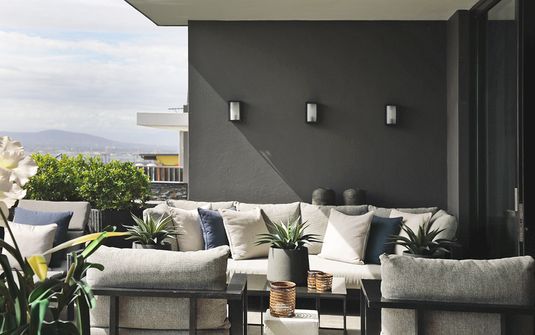
A garden can be particularly important to the experience of a City Bowl address. Walls, trees and changes of level create a personal foreground that brings the surrounding cityscape back to an intimate scale. Principal rooms may engage with a mountain prospect, while smaller interiors remain focused on the grounds. The residence then offers more than one relationship with its setting, balancing the presence of the city with the quieter spaces of the home. That layered character can make a longer private stay feel settled and architecturally substantial.
Architecture with Presence and Restraint
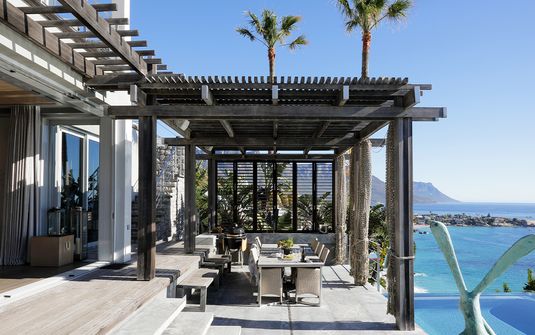
Contemporary Cape Town villas can use stone, glass, timber and quieter structural surfaces to establish a strong architectural character. Their success rests on proportion as much as scale. Broad openings allow selected rooms to receive the landscape, while more enclosed areas give the home contrast and protect private accommodation. A large shared room becomes more comfortable when supported by smaller spaces with their own identity, allowing the residence to feel generous in use rather than simply impressive in its principal volume.
Older houses introduce another perspective through established room proportions, material continuity and gardens that have become part of the address. Sensitive restoration can retain those qualities while making the interiors comfortable for present-day occupation. Contemporary furnishings need not weaken the inherited character when their scale belongs to the surrounding rooms. Whether the house is new or old, the strongest composition connects the building with its grounds, giving terraces, courts and any pool area a considered place within the overall residential setting.
A Private Home within a Real City
The household experience depends on how well shared and personal spaces are resolved. Independent suites and clear circulation can provide autonomy for couples or different generations, while a choice of communal rooms allows people to spend time together in different ways. Privacy extends beyond the property boundary to the orientation of windows and exterior sitting areas. Where household support forms part of the arrangements, discreet working spaces help preserve an independent domestic rhythm, integrating practical care without allowing it to dominate the rooms the household occupies most closely.
Cape Town’s lasting residential appeal comes from the fit between a particular home and its setting. An Atlantic-facing terrace and a mountain-framed city garden provide different experiences, each capable of considerable distinction. The residence gives these larger surroundings a personal scale through its interiors, materials and protected spaces. A well-composed villa allows the city’s geography to remain present while establishing a comfortable private world within it, creating a stay whose character belongs to the actual address rather than to a generic idea of coastal luxury.


