




South Africa: Private Residences with Landscape and Architectural Presence
South Africa gives the Africa collection a powerful contrast between coastal city settings and more expansive inland estates. In the Western Cape, mountains establish a strong architectural backdrop, while the relationship between settlement, cultivated valleys and the ocean creates distinctly different residential environments. A private home can engage with these landscapes through a broad outlook or a more enclosed garden composition. The precise setting matters, giving each address a character that extends beyond a general promise of space or panoramic scenery.
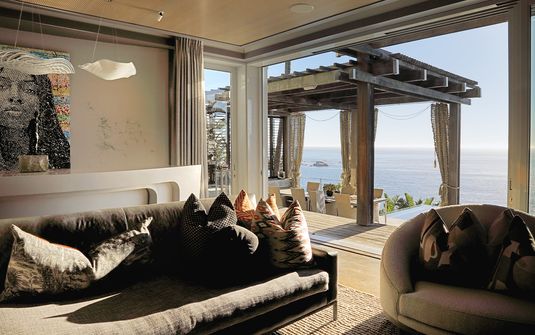
The collection’s South African perspective is especially compelling for households that value the residence as part of the destination. Contemporary villas can use generous volumes and carefully framed openings to give the landscape a direct presence indoors. Older houses and estates introduce another register through established gardens, substantial walls and a more accumulated domestic character. Their shared appeal is the possibility of inhabiting a complete private environment, with architecture and grounds that make the surrounding place feel personal rather than merely visible.
Cape Town: A City Defined by its Landforms
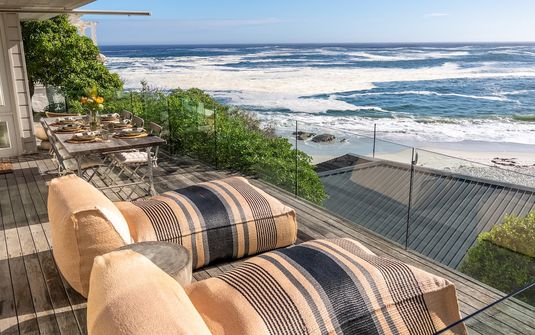
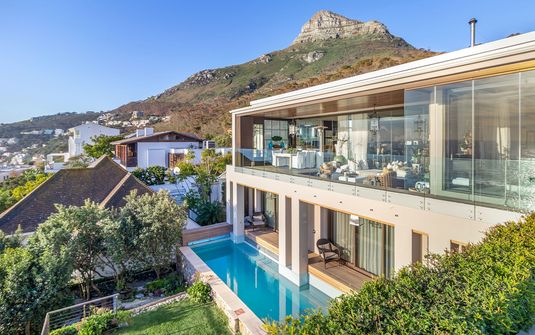
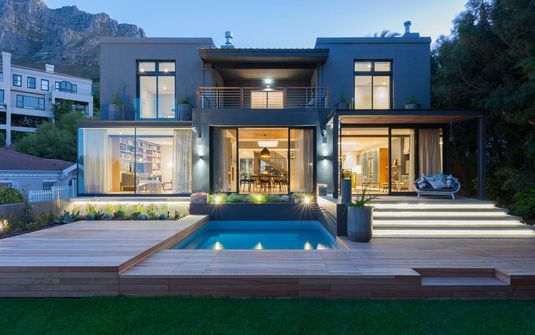
Cape Town offers a close relationship between mountain slopes, established neighbourhoods and the coast. The terrain gives individual addresses markedly different perspectives: an elevated residence can look across successive layers of city and sea, while a lower garden home may concentrate on the mountain forms around it. The city’s private villas are most interesting when their architecture makes that particular position clear. A generous reception room, a sheltered terrace or a carefully enclosed suite can each express a different part of the setting.
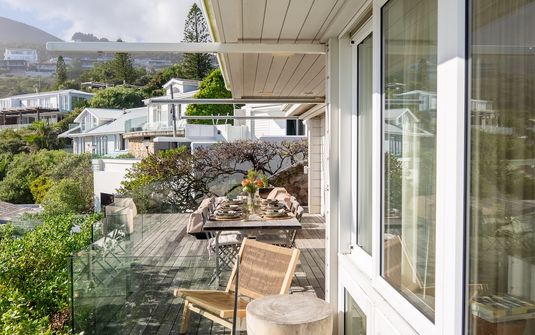
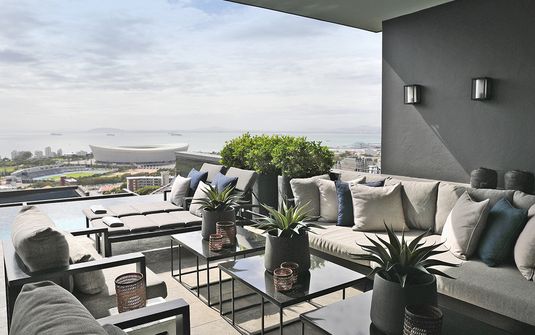
A coastal urban residence also brings a more precise understanding of privacy. The outlook may be extensive, yet surrounding buildings remain part of the actual context. Thoughtful orientation, planted boundaries and well-positioned exterior rooms can establish a comfortable private realm without pretending that the home occupies an uninhabited landscape. That balance gives Cape Town addresses their particular residential interest, combining the architectural presence of a substantial villa with a recognisable position within a city whose dramatic geography remains continually apparent.
Winelands: Estates within a Cultivated Valley Landscape
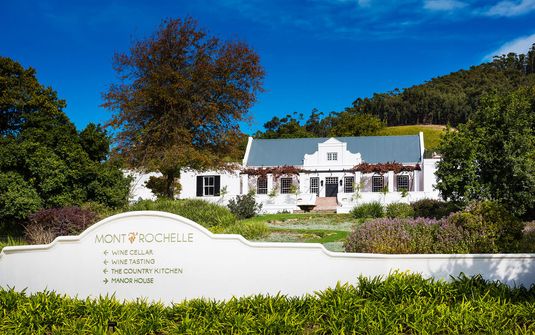
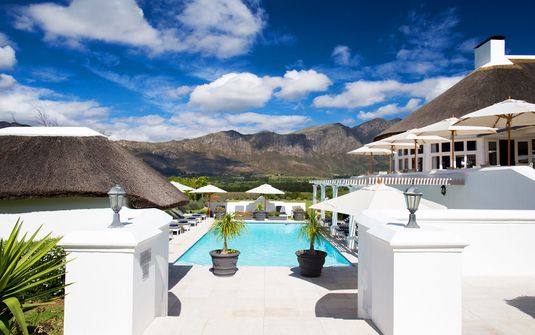
Winelands introduces a more land-focused setting, where cultivated slopes, ordered planting and mountain backdrops give a residence a different scale. The relationship between the principal house and its grounds can be especially important here. A formal approach, a garden court or a broad lawn establishes a domestic foreground before the view reaches the wider valley. These layers allow an estate to feel both substantial and intimate, with the landscape understood through the way the property is actually composed.
The region’s architectural character can include the white walls, shaped gables and balanced compositions associated with the Cape Dutch tradition, alongside restored country houses and more contemporary interpretations. The most convincing residence preserves a clear relationship with its setting rather than treating heritage as a collection of decorative references. An older building may derive its distinction from proportion and material continuity; a newer house can respond through restrained forms and carefully chosen openings. Both offer a country-estate perspective that differs meaningfully from the more closely settled coastal city.
Architecture with a Clear Relationship to the Site
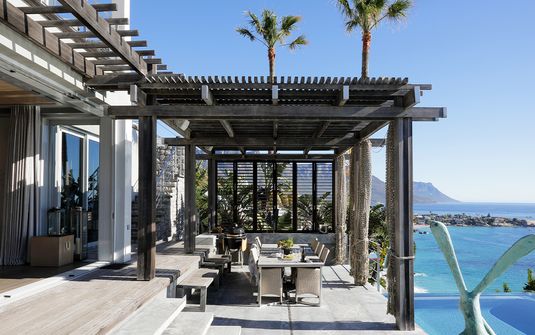
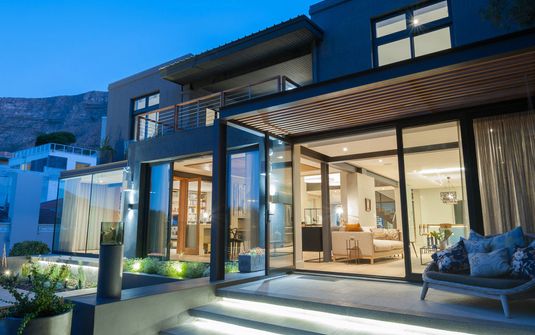
Contemporary South African villas can possess a strong spatial presence through generous ceiling heights, broad structural openings and terraces closely connected to the main rooms. Their refinement depends on more than scale. A residence becomes comfortable through contrasts between expansive communal spaces and quieter interiors, giving the household several ways to occupy the home. The landscape can remain prominent without making every room equally open, while carefully positioned walls and secondary spaces introduce depth and protect the intimacy of private accommodation.
Older properties offer a different kind of substance through established gardens, accumulated building forms and materials that have become part of the address. Sensitive restoration allows these relationships to remain legible while making the interiors comfortable for present-day occupation. Contemporary furnishings can sit naturally within an inherited architectural shell when their proportions respect the rooms around them. The resulting home feels individual, with its refinement expressed through the coherence of the building and its grounds rather than through a uniform decorative treatment applied throughout.
The Estate at a Personal Scale
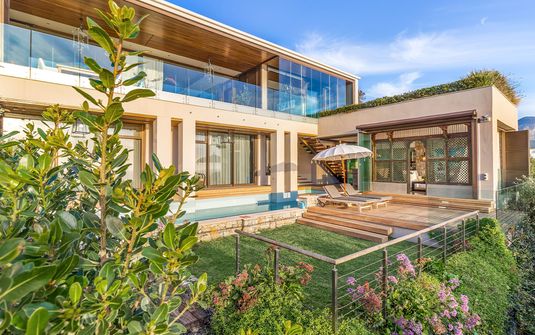
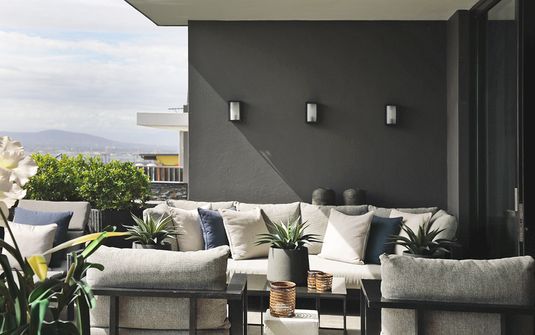
Gardens and exterior rooms bring large landscapes into a more intimate frame. A planted court can provide enclosure near the main house, while a terrace opens towards a broader mountain or coastal prospect. The value lies in having distinct settings with clear relationships to the occupied rooms. Where a pool forms part of the residence, its position should support that composition and preserve the privacy of neighbouring suites. Well-resolved grounds feel inhabited and purposeful, offering more than an impressive perimeter around the principal building.
The distribution of accommodation is equally important to the character of a shared stay. Independent wings or guest buildings can create greater autonomy for couples and generations, while a more unified house supports a closer domestic rhythm. Consistent comfort across the suites and a choice of shared rooms allow both patterns to work. A distinguished residence makes the whole household feel considered, ensuring that the quality of the home extends beyond its principal reception space or the single bedroom with the broadest view.
Discretion within the Actual Address
Privacy in South Africa’s selected residential settings should be understood through the specific property. Boundaries, neighbouring buildings, window orientation and the arrangement of exterior spaces all influence how comfortably the house can be occupied. A broad estate and an urban villa can each offer discretion through different architectural means. Where household support is included, clear working circulation can help preserve an independent domestic atmosphere. These qualities give privacy a practical expression, grounding the experience in the real composition of the home and its grounds.
A lasting stay brings the destination’s larger contrasts into a personal residential setting: mountain forms beyond a city terrace, cultivated land behind a country garden, or the material character of an older house reinterpreted for contemporary life. Cape Town and the Winelands provide distinct perspectives on that relationship. The strongest home allows its particular setting to remain legible while giving the household comfortable shared rooms and protected personal space, creating a South African residence with substance, individuality and a clear sense of belonging.


