




Africa: Private Residences with a Distinct Sense of Place
Africa’s private villa settings differ profoundly in scale, architecture and atmosphere. An Indian Ocean residence can place water and tropical planting at the centre of the home, while a Moroccan courtyard house creates a more enclosed domestic world. South African properties introduce another range of settings, from coast-facing hillsides to substantial estates. The strength of the collection lies in those differences: each address offers its own relationship between landscape and dwelling, allowing the house itself to contribute meaningfully to the character of a private stay.
For a household seeking generous space and discretion, the most compelling residence combines a clear local identity with a well-resolved interior life. Principal rooms, private suites and grounds should feel considered together rather than presented as a series of impressive features. A broad outlook may establish the setting, but smaller architectural relationships often determine comfort: the position of a terrace, the enclosure of a court or the separation between guest accommodation and shared rooms. These details give an exceptional property substance beyond its initial visual impact.
Four Distinct Residential Perspectives
Mauritius: Gardens between Mountain Forms and the Indian Ocean
Mauritius brings together coastal horizons, tropical gardens and an interior landscape whose mountain forms give the island a recognisable profile. The residential experience varies with the address. A house close to the shore can engage directly with a broad water outlook, while a property farther inland may draw its atmosphere from mature planting and the surrounding contours. That distinction gives individual residences their character, avoiding the assumption that every island villa occupies an identical beachfront setting or shares the same degree of separation.
Architecture can express that setting through sheltered verandas, generous openings and a gradual transition from enclosed rooms to garden spaces. A planted court near the main house offers intimacy, while a more open terrace frames the wider landscape. Contemporary residences may simplify these relationships through broad planes and restrained materials; other houses retain a more traditional domestic scale. Refinement emerges when the building, garden and private accommodation work as one environment, giving the household a composed island home whose comfort is rooted in its actual site.
Morocco: Courtyards, Craft and the Scale of the Estate
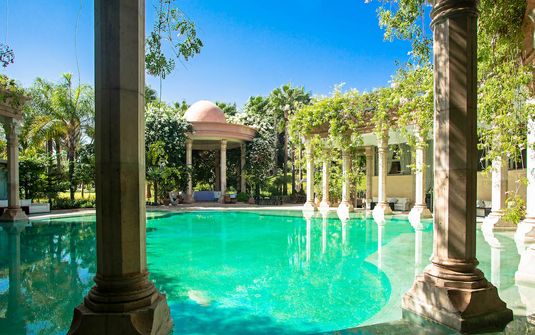
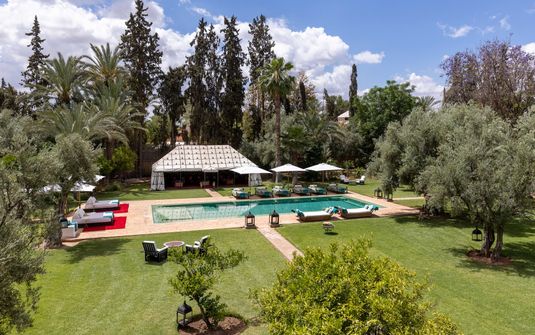
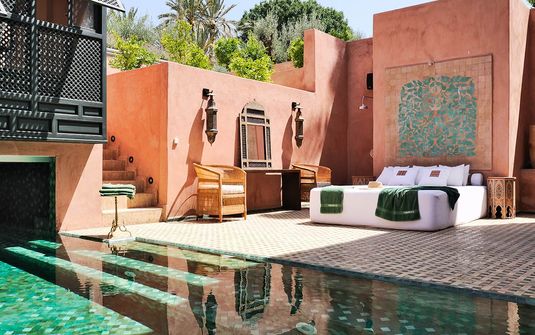
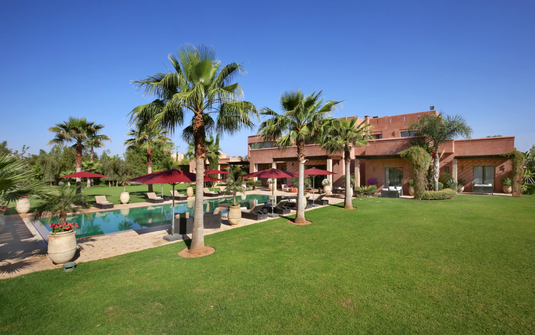
Morocco offers a particularly strong relationship between architectural enclosure and private life. A courtyard residence turns attention towards an interior centre, using walls, galleries and carefully framed openings to establish a protected domestic setting. Larger estates may extend that principle across gardens and separate pavilions. The sense of place comes through proportion and craftsmanship as much as ornament: plaster, carved timber, tile and stone can each contribute to the identity of a room when their use respects the architecture rather than overwhelming it.
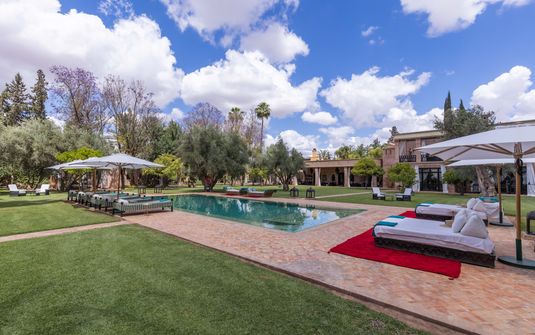
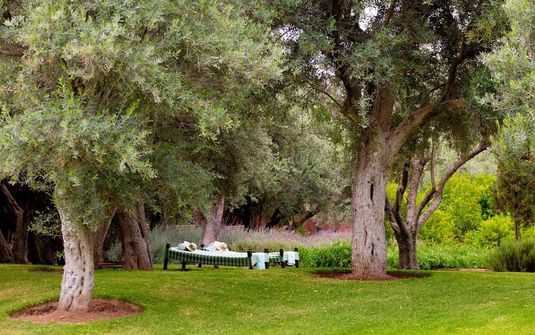
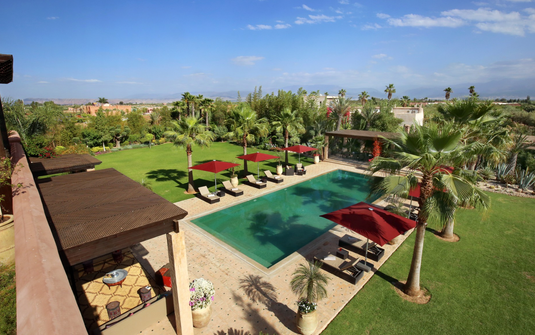
Country properties around established urban centres can introduce a broader landscape, with planted grounds providing a measured transition between the house and more distant scenery. Their atmosphere differs from that of an inward-facing residence within a denser setting. A distinguished estate preserves both openness and enclosure, allowing communal rooms to engage with the gardens while suites retain a quieter orientation. The resulting home can be expansive without losing intimacy, giving architectural heritage a practical role in the way the household occupies the residence.
Seychelles: Granite, Vegetation and Layered Coastal Views
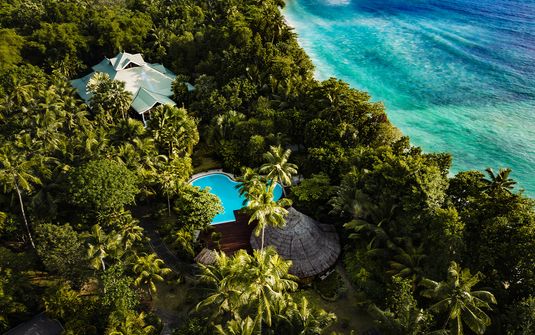
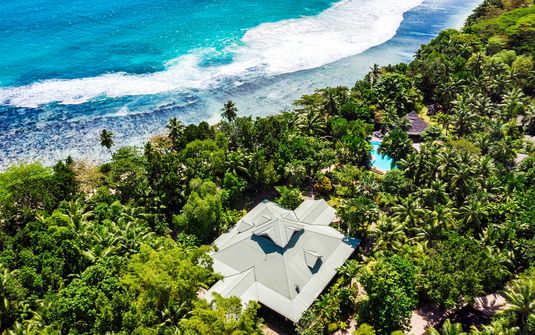
Seychelles has an island character shaped by the relationship between the Indian Ocean, dense vegetation and, on its granitic islands, substantial rock formations. Residences can sit within this layered terrain rather than merely face a flat horizon. An elevated house may look across several planes of green before reaching the water, while a lower coastal address feels more directly connected to its immediate surroundings. The specific island and site matter, because the archipelago contains distinct landscapes that should not be reduced to one uniform image.
A well-considered island residence uses its position to create several scales of space. Broad communal rooms may open towards the water, with smaller terraces or separate suites providing more intimate views through planting. Natural materials can give the interior texture without competing with the setting. Where a property includes independent pavilions, their spacing determines both autonomy and connection within the household. The appeal lies in a coherent private environment that respects the land’s contours and gives the surrounding vegetation a meaningful role in the experience of the home.
South Africa: Architectural Presence within a Varied Landscape
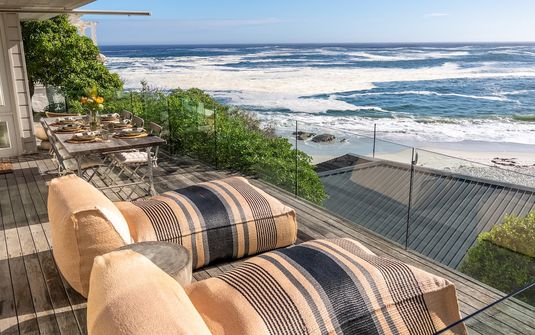
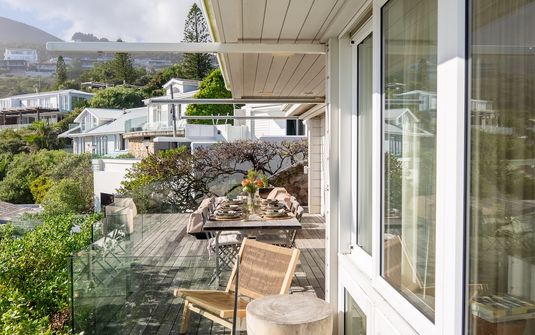
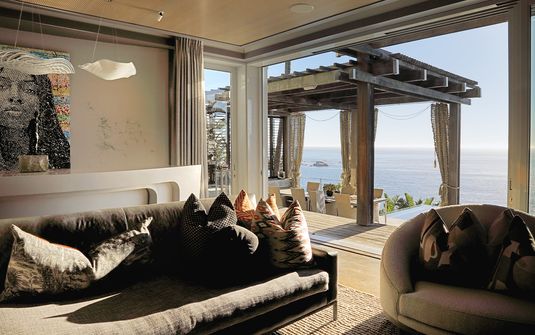
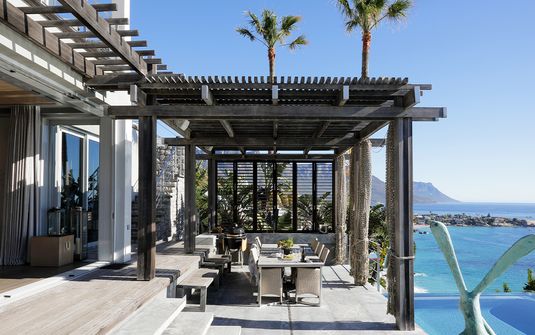
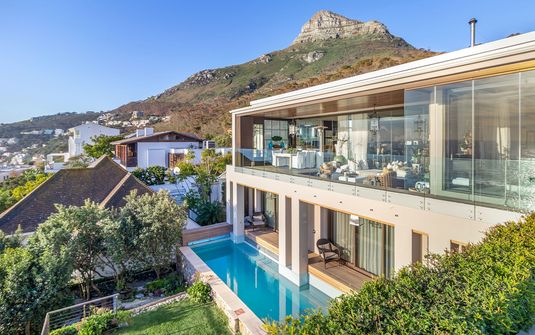
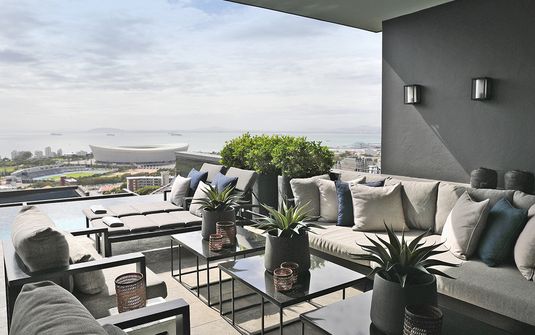
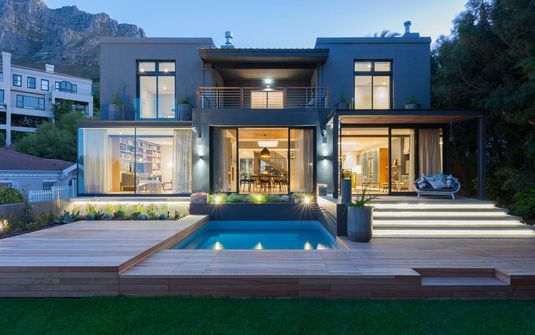
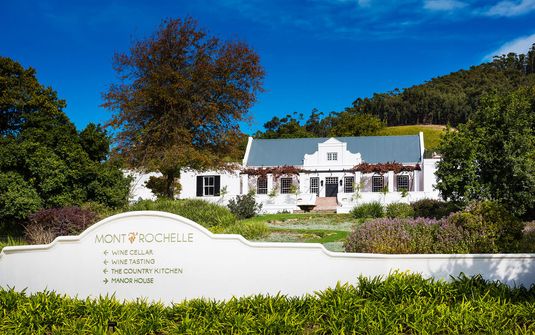
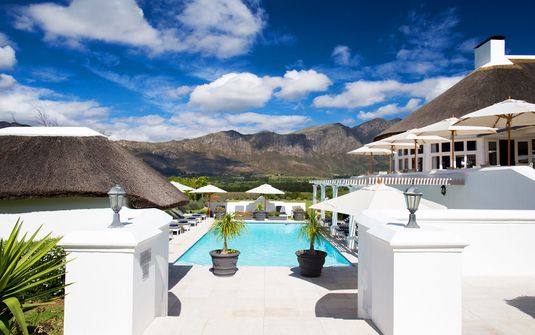
South Africa offers a wider range of residential contexts, with coastal landforms, mountain backdrops and established urban settings creating markedly different addresses. A contemporary house on a hillside can frame a large view through its principal rooms, while a garden estate may concentrate attention on a more contained foreground. The destination’s breadth calls for precise descriptions of individual properties: a panoramic outlook, an extensive plot and complete seclusion are separate qualities, and one should not be assumed simply because another is present.
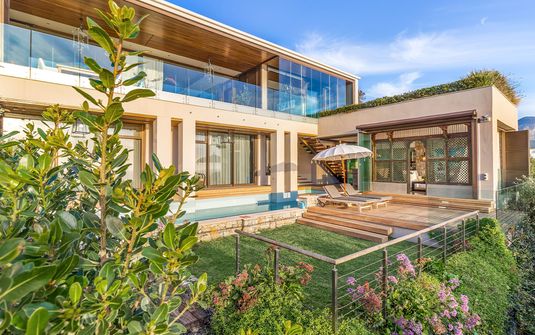
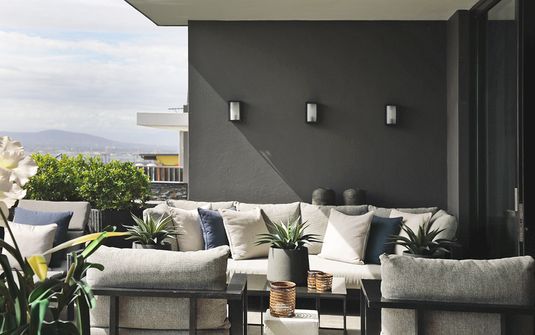
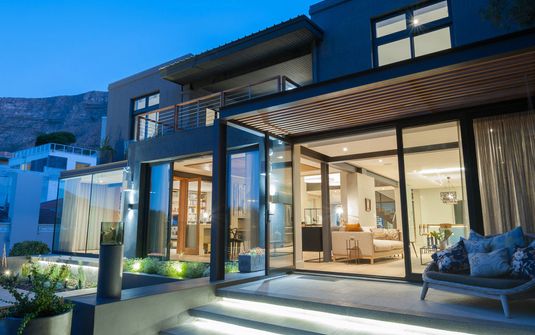
Architecture often plays an assertive role in this part of the collection. Generous volumes, carefully positioned glazing and a clear relationship between terraces and interiors can give a residence considerable spatial presence. Older houses and estates offer another perspective through established gardens and a more accumulated architectural character. Both approaches benefit from balancing outward-facing communal spaces with quieter personal accommodation. The house feels most accomplished when its design gives the household comfortable choices about how to inhabit the setting throughout a sustained private stay.
Homes with Architectural Substance
Across these destinations, a villa’s quality depends on the fit between its form and its location. A courtyard house, an island pavilion residence and a substantial hillside villa are different domestic propositions. Their materials, openings and exterior spaces should respond to that difference. Heritage details can provide continuity, while contemporary design can offer clarity and generous spatial connections. Neither requires a uniform decorative treatment: considered contrasts between formal and informal rooms often create a richer residence than a single visual theme repeated throughout every interior.
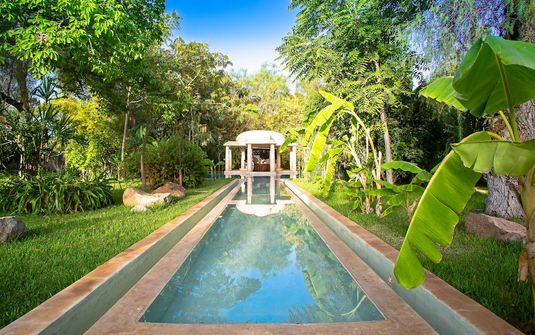
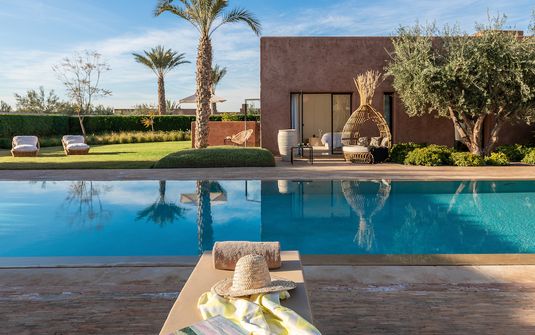
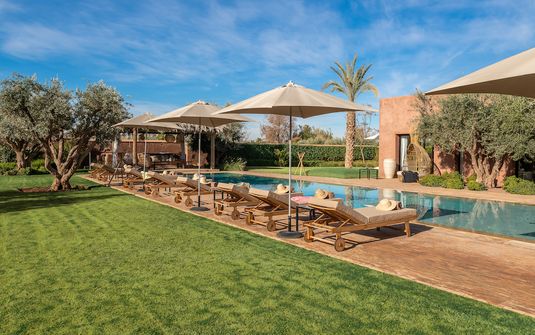
The grounds deserve the same attention as the principal building. Mature planting can establish privacy and scale; walls and changes of level can turn a large plot into a sequence of more intimate spaces. A pool, where included, is most convincing when its position belongs to that composition and preserves the comfort of neighbouring suites and sitting areas. These relationships make exterior space an inhabited part of the residence, giving the household a range of settings instead of relying solely on acreage or one expansive terrace.
Discretion and the Balance of the Household
For families and groups, independent suites and shared rooms should support a natural household rhythm. Separate wings or pavilions can provide autonomy, but their connections to the main house should remain comfortable and clear. A generous central living space benefits from quieter secondary rooms, allowing members of the group to spend time together without requiring everyone to occupy the same environment. Consistent comfort across the accommodation makes the whole property feel considered, rather than concentrating its refinement in a single principal suite or reception room.
Privacy is equally specific. The orientation of windows, the position of adjacent residences and the enclosure of outdoor spaces can matter more than the apparent remoteness of a location. An open estate may have an exposed terrace, while a compact courtyard house can offer considerable intimacy. Where a residence includes dedicated household support, its spaces should allow service to integrate discreetly with private life. The strongest properties make separation, circulation and comfort part of their underlying architecture, giving discretion a practical expression in everyday occupation.
A Private Stay Defined by the Residence
The value of this collection is the possibility of choosing a home with an individual character, rather than treating an entire continent as one residential experience. An island garden, a richly proportioned courtyard and a mountain-facing interior offer different forms of retreat. Their common ground is the opportunity to inhabit a substantial private environment with personal space and a clear sense of place. That character becomes more persuasive when described through the actual building and its surroundings, without depending on generic promises of exceptional luxury.
A distinguished stay brings landscape, architecture and the needs of the household into a coherent whole. The destination supplies the broader setting, while the residence gives it a personal scale through its rooms, materials and grounds. Mauritius, Morocco, Seychelles and South Africa each contribute a distinct perspective on that relationship. Choosing among them is ultimately a choice about the atmosphere of the home: its degree of enclosure, its connection with the surrounding land and the particular balance of privacy and shared space it can provide.


