




Morocco: Private Estates with an Architectural Inner World
Morocco gives the Africa collection an unusually expressive architectural identity. Its private residences can create an entire domestic world through walls, planted courts, galleries and carefully framed openings. The atmosphere is established gradually: an enclosed entrance gives way to a more generous interior centre, and the wider landscape may appear only beyond a sequence of sheltered spaces. This measured relationship between openness and enclosure lends the home intimacy, allowing a substantial property to retain a personal scale without depending on visual isolation alone.
A Moroccan residence may be deeply traditional in its organisation, more contemporary in its detailing, or deliberately composed from both approaches. The distinction matters less than the coherence of the whole. Gardens, reception rooms and private accommodation should share a clear architectural relationship, with craftsmanship supporting the character of each space. The result is a setting whose refinement can be felt through proportion, material and quiet transitions, giving a private stay substance beyond the decorative richness often associated with the destination.
Marrakech and the Language of the Courtyard
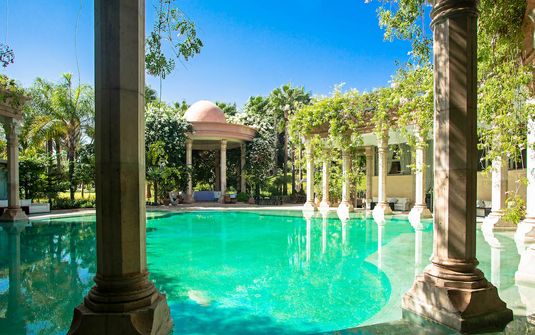
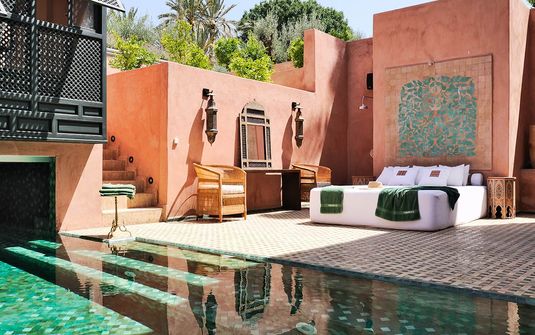
Marrakech provides the collection’s most immediate expression of this residential tradition. An inward-facing house gathers its rooms around a court, using the building itself to create separation from the surrounding urban fabric. Galleries and upper levels establish a layered interior elevation, while planting and water, where present, give the centre a more intimate focus. The house is experienced through relationships between rooms rather than through a single outward panorama, making its internal composition an essential part of its identity.
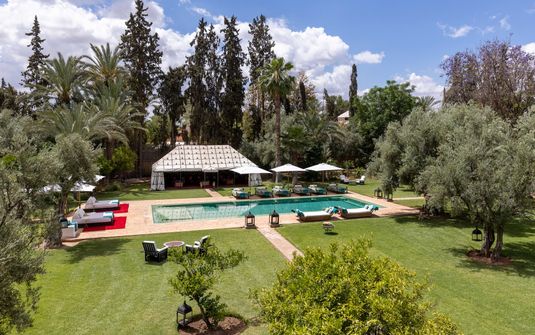
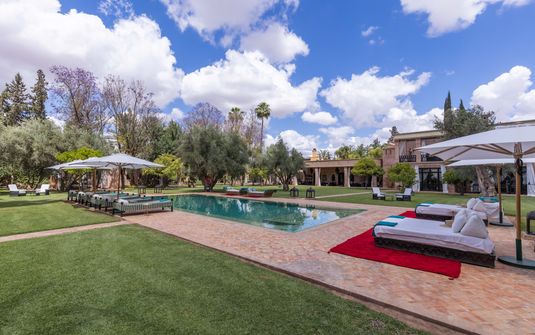
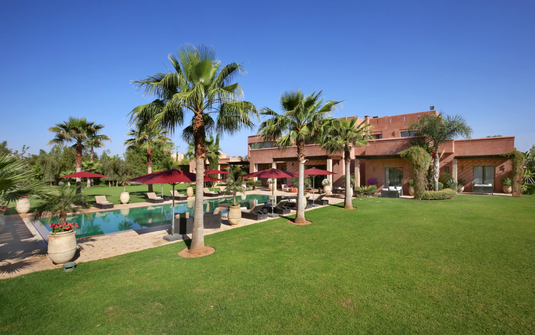
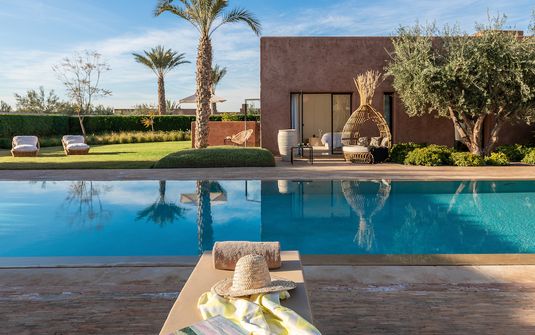
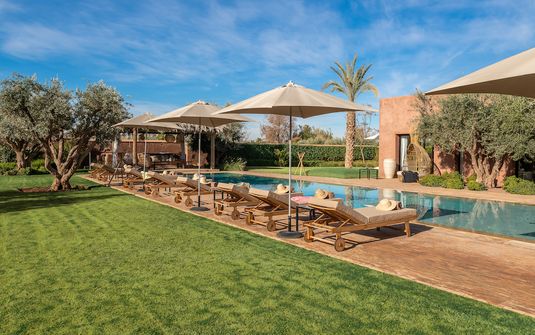
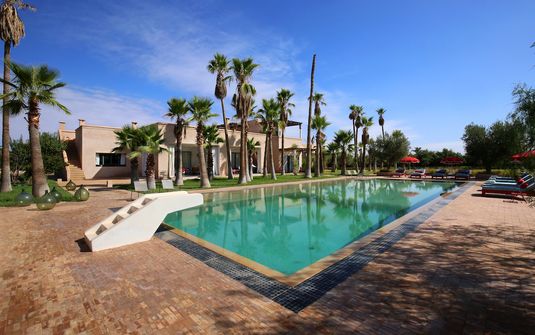
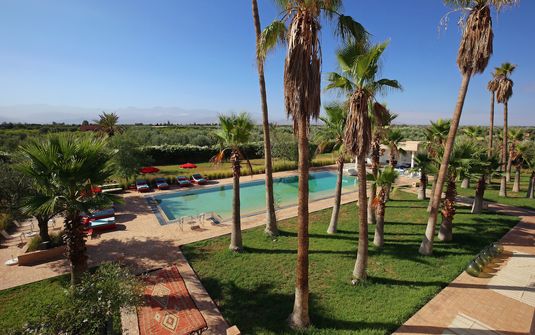
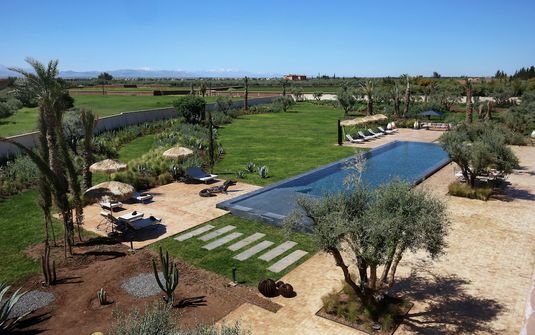
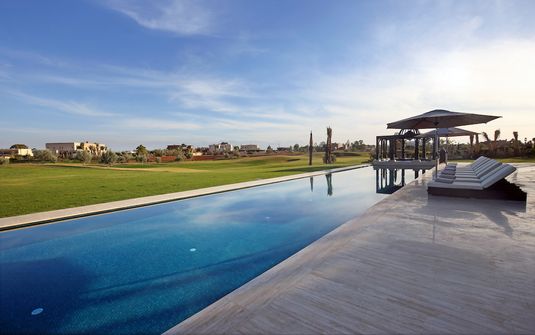
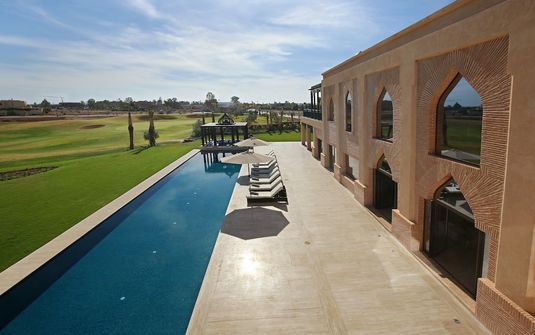
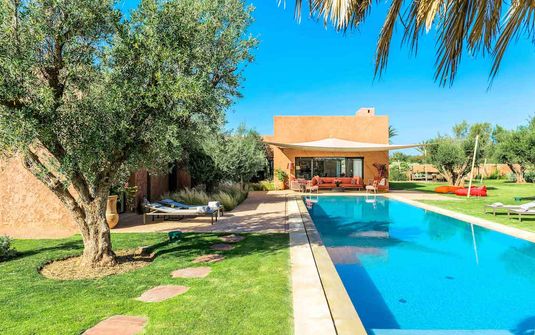
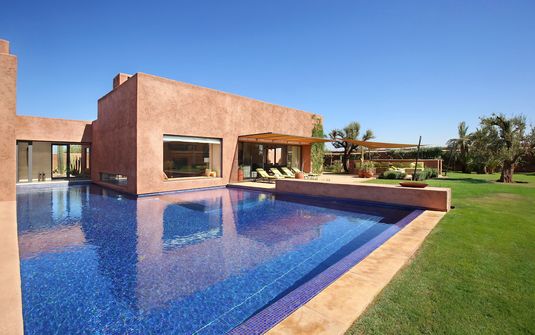
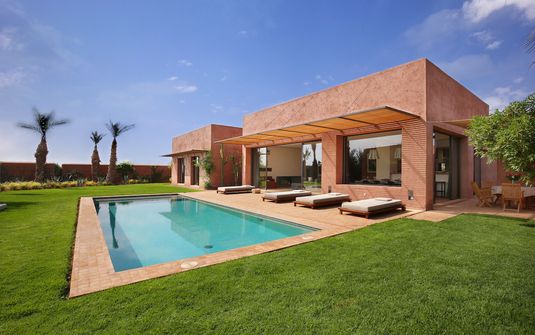
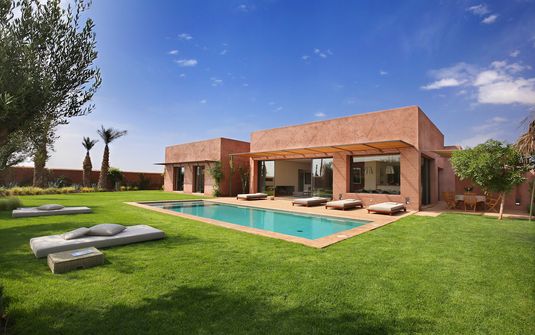
Beyond the denser city, larger private estates can extend that architectural language across more generous grounds. Courts may open towards gardens, and independent pavilions can create greater separation between suites and communal rooms. These properties have a different atmosphere from a compact urban residence, with the estate’s layout determining how enclosure and distance work together. A broad garden can introduce openness without losing the protected quality of the house, while a more contained court retains a clear domestic centre within the larger composition.
Craftsmanship as Part of the Architecture
Traditional tilework can give a surface rhythm and scale, with geometric patterns establishing a precise relationship between the smallest detail and the larger room. Carved timber and worked plaster offer another register, introducing relief and depth around doors, ceilings and openings. Their effect is strongest when the architecture gives them room to be understood. A distinguished residence does not need every surface to compete for attention; restrained areas can make particular pieces of craftsmanship more legible and allow the proportions of the interior to remain clear.
Smooth plaster, stone floors and simple rendered walls can create a quieter material foundation. In contemporary interpretations, these surfaces allow the underlying courtyard arrangement or garden relationship to carry the sense of place. Older pieces and more modern furnishings can sit comfortably together when their scale belongs to the room. That balance gives Moroccan interiors considerable range, from richly worked reception spaces to more restrained suites, making the residence feel layered rather than applying the same decorative intensity to every part of the home.
Gardens and the Scale of the Private Estate
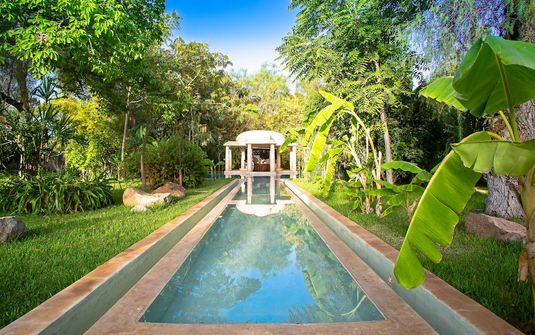
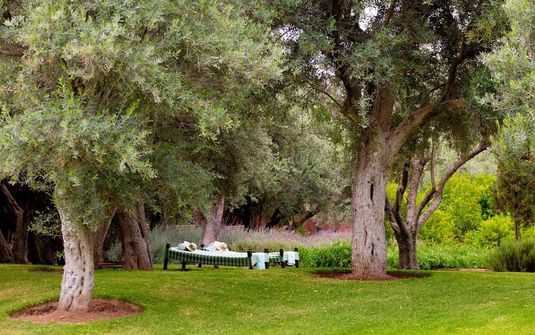
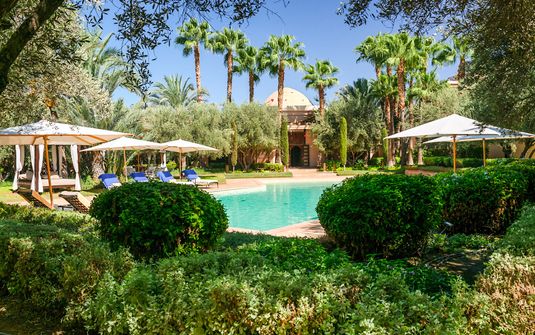
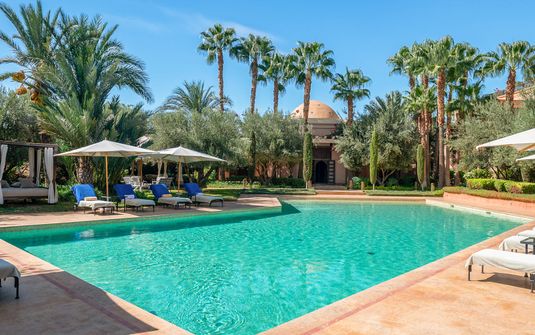
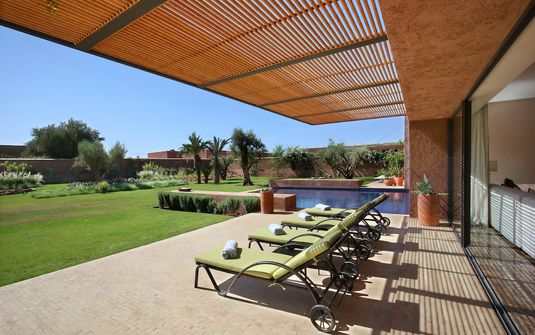
A walled garden offers more than a boundary. It creates a distinct setting around the occupied rooms, with planting, paths and exterior sitting areas establishing a sequence of spaces that can be understood from within the house. Formal arrangements may reinforce the principal axis of an estate, while less rigid planting softens the edges and creates more intimate corners. The garden’s success rests on how it mediates between building and land, allowing a generous property to offer both a clear overall composition and comfortable places at a personal scale.
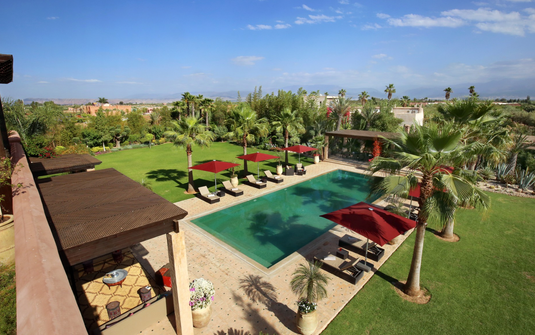
Where a residence has a more distant outlook, the immediate grounds provide an important foreground. A gallery, planted court or low wall can frame that openness and preserve a sense of enclosure near the main rooms. Other properties may remain almost entirely inward-facing, with their character concentrated in the relationship between architecture and garden. These are different experiences, each capable of considerable distinction. The exact setting should guide the choice, rather than assuming that every Moroccan villa shares the same landscape or the same degree of separation.
Rooms with Different Degrees of Formality
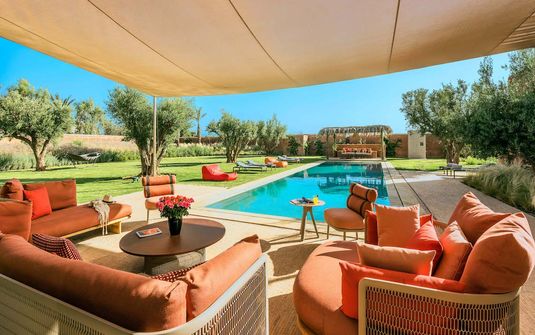
A principal salon can establish the ceremonial presence of a house through height, symmetry or a strong garden axis. Its value grows when the residence also contains more intimate rooms with different proportions. A smaller sitting area beside a court, a quiet room within a side wing or a sheltered gallery can give the household alternatives without weakening the overall architectural character. This range allows the home to support a sustained stay, with shared spaces that feel comfortable in use as well as impressive on arrival.
Private suites benefit from a more restrained relationship with the communal life of the residence. Thoughtful separation and independent access can protect personal space, particularly where accommodation is arranged across several wings or buildings. The quality should remain consistent throughout, even when rooms have different sizes or architectural details. A well-resolved estate makes these differences feel intentional, giving couples or generations autonomy while preserving a natural connection to the shared rooms and gardens at the centre of the home.
A Setting for Discreet Private Living
Enclosure is one of Morocco’s most compelling residential qualities, but privacy still depends on the individual property. Upper-level views, adjoining buildings and the position of garden terraces can influence the degree of separation a household experiences. The strongest residence makes those relationships comfortable through its layout, using walls, planting and changes of level with care. Where household support forms part of the arrangements, considered working spaces can allow it to integrate discreetly, preserving the quiet internal rhythm that makes an independent residence appealing.
The lasting character of a Moroccan stay often lies in the way the house reveals itself over time: the scale of an inner court, the texture of a carefully worked surface, or the shift from a formal room to a sheltered garden edge. These qualities give the residence an identity that remains present throughout everyday occupation. Whether expressed through a traditional courtyard house or a more expansive private estate, the setting brings together architecture, craftsmanship and protected personal space in a distinctly Moroccan domestic environment.


