




Koh Yao Noi: Private Estate Living within the Phang Nga Bay Landscape
Koh Yao Noi offers a distinct Andaman island perspective within Thailand, with a green interior and coastal settings that look towards the broader Phang Nga Bay landscape. The outlook can combine water, planted foregrounds and distant limestone island forms, giving a residence more visual depth than a single uninterrupted horizon. A private home receives its character from its precise position within that composition. Garden-facing rooms and more open communal spaces can each establish a different relationship with the island and the surrounding bay.
Within the Asia collection, the setting is especially compelling when the residence retains an intimate architectural scale alongside its larger prospect. The home may be distributed across several accommodation volumes, with gardens and covered communal areas holding the composition together. This creates a private environment with a clear centre and meaningful personal space. Its distinction comes from the way the household can inhabit the actual property, allowing the landscape and the residence’s individual rooms to contribute equally to the substance of the stay.
A Garden Estate on the Eastern Shore
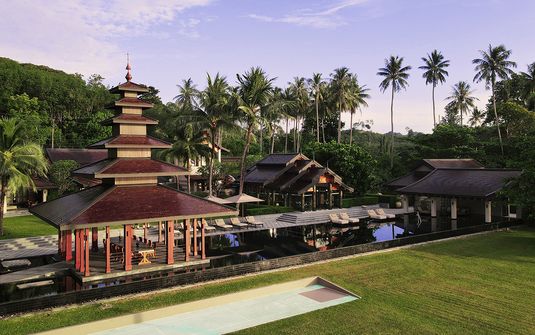
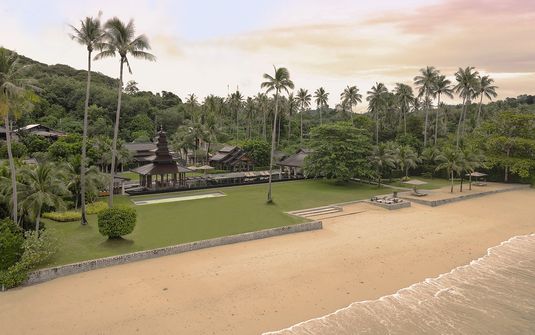
ÀNI Thailand gives this residential perspective a specific expression through its east-coast setting, planted grounds and views across Phang Nga Bay. The property brings separate accommodation and shared spaces together within one estate, allowing a group to occupy a complete private environment. Its gardens provide a more intimate foreground to the wider water outlook, giving the principal rooms a clear relationship with both land and bay. This is a substantial shared residence, with the arrangement of its accommodation supporting autonomy as well as time together.
The estate’s architecture draws particular character from pointed tiled roofs that reference the Lanna tradition of northern Thailand. Within that clear roof form, the interiors take a more contemporary approach, with Thai teak and textured furnishings giving the rooms a tactile domestic scale. The distinction between the broader architectural outline and the quieter character inside creates depth. The residence feels specific through its actual design references rather than relying on a generalised image of island architecture or presenting every traditional element as indigenous to the immediate coastal setting.
Different Relationships with Garden and Bay
The experience of the setting changes between principal rooms, suites and exterior terraces. An outward-facing space can receive a broad bay prospect, while accommodation farther within the grounds has a closer garden relationship. These different positions give the residence a range of atmospheres without weakening its coherence. A household can remain within one estate while enjoying both expansive communal settings and quieter personal rooms, allowing the architecture to make the surrounding landscape part of everyday domestic life at several complementary scales.
Gardens also create transitions between the accommodation and the shared centre. A planted edge can soften the separation between buildings, while a more open lawn or terrace gives the communal spaces a generous foreground. The spaces between rooms then become an inhabited part of the residence. Their quality lies in how naturally they connect the different parts of the estate, preserving personal autonomy without making suites feel detached from the home’s principal living areas or from the setting that gives the address its character.
An Island Residence with Material Warmth
Timber gives an interior warmth and a scale that remains personal beside a larger coastal outlook. Stone and quieter contemporary surfaces can provide a complementary material foundation, while carefully considered furnishings make the rooms comfortable in everyday use. The architecture benefits from different degrees of enclosure. A generous communal pavilion may remain more open to the grounds, while a smaller sitting area or suite introduces a quieter atmosphere, ensuring that the residence offers more than one way to inhabit the surrounding island landscape.
The roof and covered exterior areas contribute to that domestic range. They create a more gradual relationship between interior rooms and garden spaces, allowing the house to extend towards the bay without making every occupied area equally exposed. The quality of the residence is felt through the coherence of these transitions. A terrace near a principal room, a quieter exterior setting beside accommodation and a planted passage between buildings can each have a clear role, giving the estate depth beyond the scale of its main shared space.
A Shared Estate with Independent Accommodation
For families or groups of couples, a distributed residence can provide meaningful personal space while preserving the pleasure of one complete private setting. Suites with different orientations allow individual routines to coexist, with communal rooms providing a recognisable household centre. Consistent comfort across the accommodation is important to that balance. A quieter room within the grounds should feel as considered as one with a more prominent bay outlook, ensuring that the whole group experiences a coherent level of refinement throughout the home.
Exterior areas can support several kinds of company and privacy. A generous shared terrace offers one setting, while smaller garden-facing spaces provide more intimate alternatives. Where a pool forms part of the residence, its relationship with the principal rooms and surrounding accommodation gives it a place within the larger estate composition. The value comes from how comfortably the occupied spaces work together, allowing the household to spend shared and quieter time within a setting that remains personal despite the scale of the property.
Privacy within a Specific Island Address
Koh Yao Noi’s island context does not remove the need to understand an individual property’s boundaries and surrounding accommodation. Window orientation, the position of exterior rooms and the arrangement of the grounds determine how private the residence feels in practice. A broad view and complete visual separation are different qualities. Where discreet household support is included, considered working areas help practical care integrate quietly with the home, preserving personal accommodation and the most intimate exterior spaces as part of the household’s independent domestic environment.
The lasting impression is the fit between the particular estate and the Phang Nga Bay setting around it. Roof forms rising above planted grounds, a room looking across a more intimate garden foreground and the wider water prospect can each give the stay its identity. These relationships make the residence interesting through familiar occupation. Koh Yao Noi then offers a private home with architectural substance and a distinct island perspective, where generous shared space and protected personal accommodation remain closely connected to the actual character of the address.


