


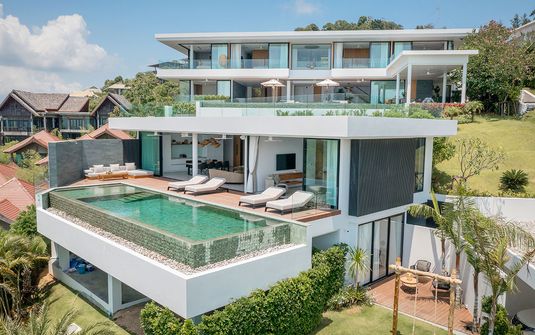
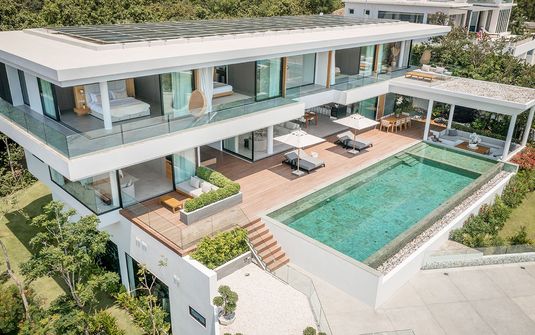


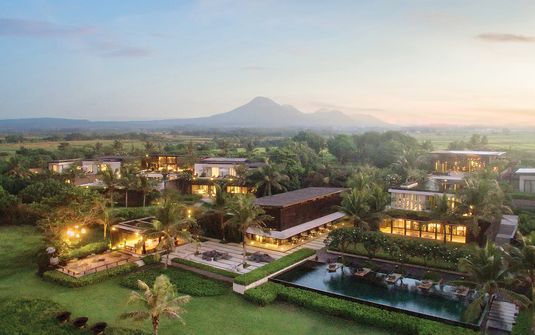
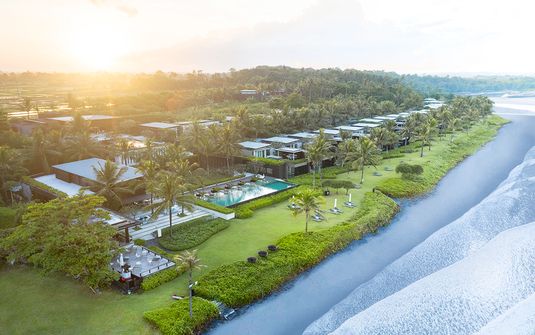


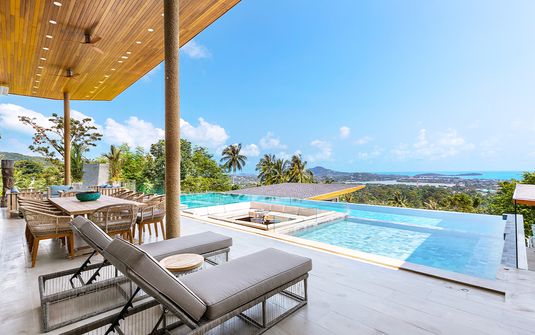
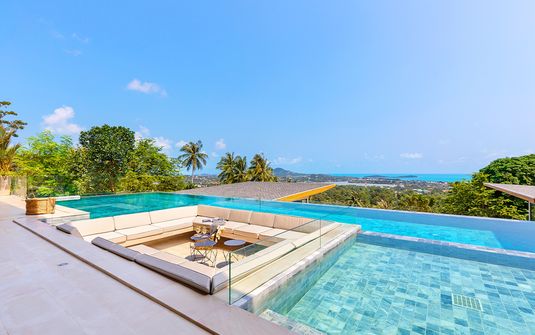
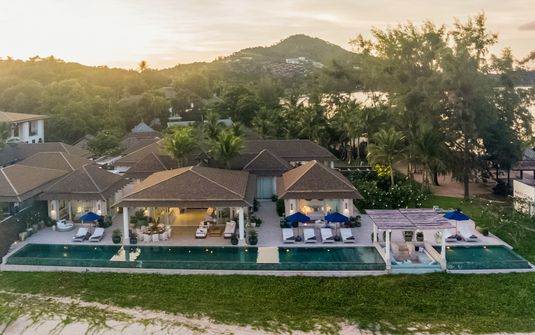
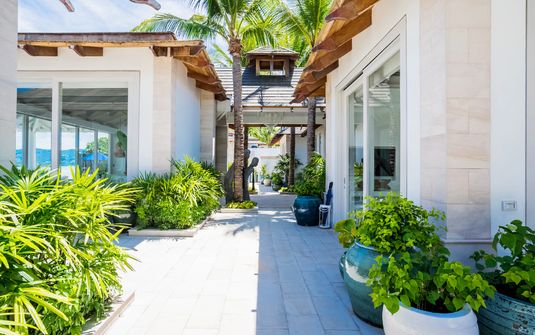
Asia: Private Residences with Distinct Architectural and Landscape Identities
Asia’s private villa settings offer markedly different ways of inhabiting a destination. An inward-facing garden compound, a substantial residence within a metropolitan waterfront and a house positioned close to an island lagoon create different domestic worlds. Their character comes from the relationship between architecture and place, rather than from a uniform idea of luxury. A private residence gives those larger settings a personal scale through its rooms, materials and grounds, allowing the home itself to become an essential part of the experience of the stay.
For households seeking space and discretion, this variety creates a meaningful choice of atmosphere. Some residences are centred on a planted court, with the wider landscape appearing only beyond a sequence of enclosed spaces. Others open their principal rooms towards water or a distant coastal prospect. A distinguished property makes its particular setting clear while preserving comfortable personal accommodation, giving the household both a recognisable sense of place and the independence of a complete private home. The strongest address feels individual well beyond its first visual impression.
A Collection of Different Residential Worlds
The scale of the surrounding landscape affects how a residence is experienced. Dense planting can give even an extensive garden a sense of intimacy, while a broad water horizon brings another kind of openness. Built settings introduce their own layers through neighbouring architecture, skyline views and carefully enclosed private grounds. These conditions call for different forms of design. A courtyard house, an island pavilion residence and a contemporary metropolitan villa are distinct domestic propositions, each with its own relationship between shared rooms, private suites and exterior space.
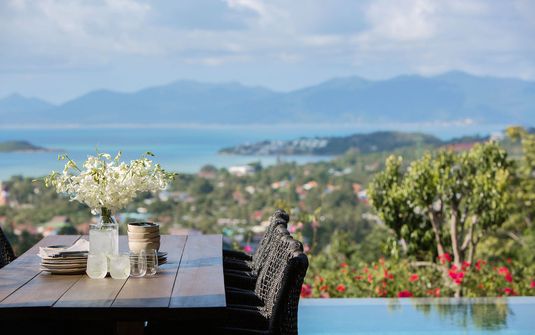
The atmosphere also depends on the immediate foreground. A view becomes more personal when it is held by a veranda, a planted edge or the proportions of a principal room. Smaller spaces can then offer a quieter relationship with the setting, preventing the home from repeating one panoramic experience throughout every interior. This range gives a sustained stay depth, allowing the household to become familiar with a residence whose different parts remain useful and interesting, rather than relying solely on the scale of its grounds or its most dramatic outlook.
Arabian Peninsula
The Arabian Peninsula introduces a residential perspective in which contemporary architecture, enclosed gardens and metropolitan settings can create a strong sense of contrast. A substantial house may engage with a waterfront outlook or establish a more inward private environment behind its boundaries. The quality of the address rests on how those relationships are resolved. Generous interiors gain depth through quieter rooms and protected exterior spaces, allowing architectural presence to coexist with the personal scale of a home. The actual property and its surroundings determine the balance between openness, enclosure and discretion.
India
India offers a particularly strong opportunity for residences with material and architectural character. Courts, substantial walls, verandas and carefully organised gardens can give a home a layered interior life, while local stone, timber and crafted details establish texture. The country contains very different landscapes, so the precise address remains essential to understanding the stay. A country residence should be described through its actual setting and composition, allowing the relationship between the house, its grounds and the surrounding land to carry the sense of place rather than relying on a generalised image of heritage luxury.
Indian Ocean
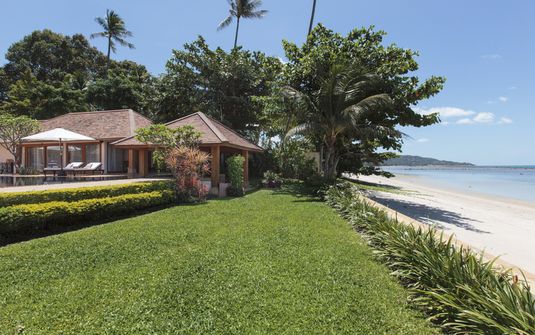
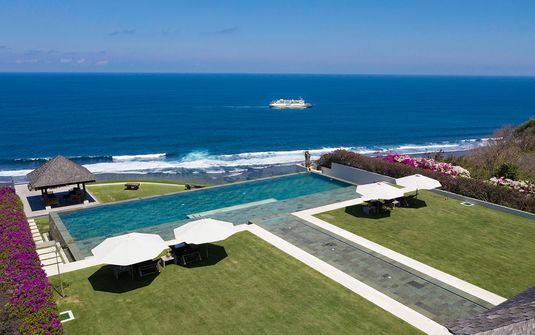
The Indian Ocean collection places water and island landscapes in close relationship with the private residence. A shoreline home, an elevated island villa and accommodation extending towards a lagoon offer different degrees of openness and enclosure. Their refinement depends on the architecture giving those settings a comfortable domestic frame. Decks, covered exterior rooms and independent suites can establish a personal environment within a broad coastal prospect, while materials and planting introduce a more intimate foreground. The individual island and property configuration matter more than a universal promise of uninterrupted isolation.
Indonesia
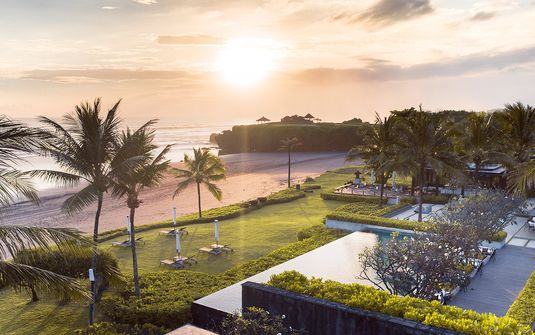
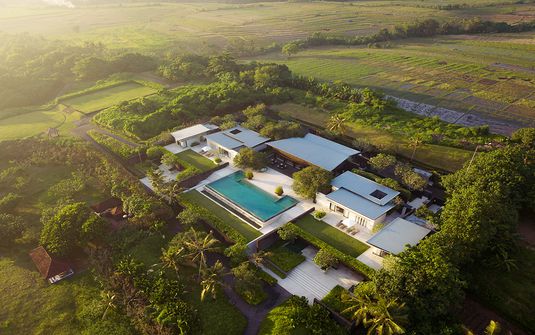
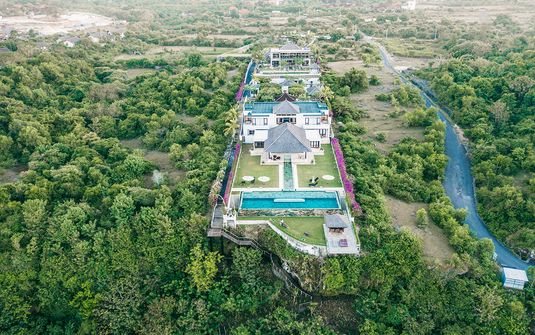
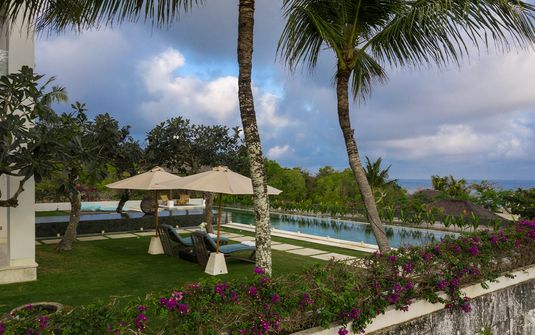
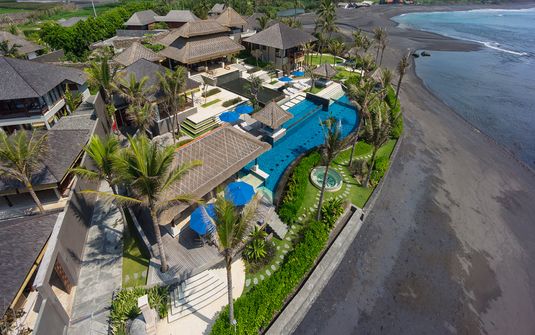
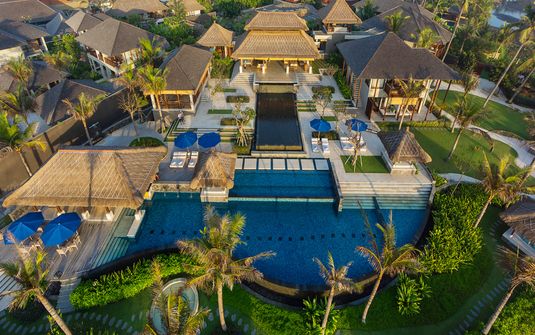
Indonesia brings a particularly expressive relationship between garden and dwelling, with Bali giving the collection a recognisable pavilion and compound tradition. Separate accommodation volumes, planted courts and covered communal spaces can create a sequence of domestic settings within one address. Contemporary interpretations may simplify the forms while retaining that underlying organisation. The result can feel spacious without losing intimacy, allowing the household to gather around a clear centre while private rooms maintain their own orientation. The architecture is most persuasive when its materials and proportions belong to the actual local landscape.
Philippines
The Philippines offers an archipelagic perspective in which individual coastal settings can differ substantially in terrain, outlook and residential scale. A private house may use a generous shoreline plot or a more contained planted site to establish its character. The surrounding landscape supplies a strong identity, but the residence must still feel complete through its interiors and grounds. Several well-related communal spaces and considered personal accommodation can give a household independence within that larger setting, making the property a coherent private home rather than simply an impressive location beside the water.
Thailand
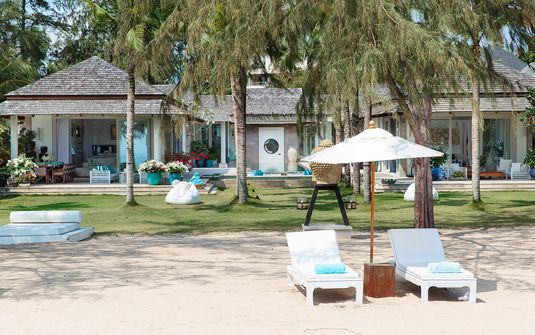
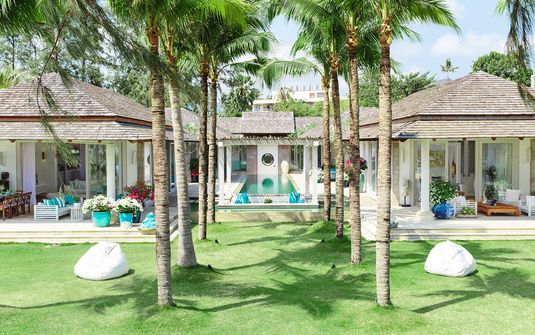
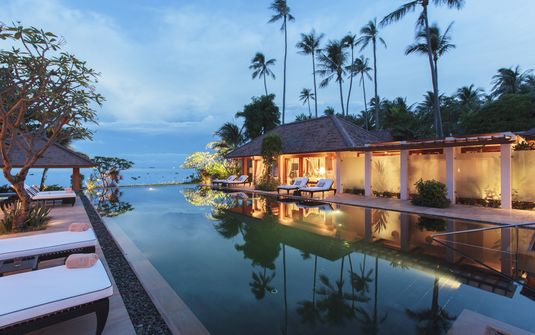
Thailand provides another interpretation of the garden and pavilion residence, alongside contemporary coastal villas with strong spatial presence. Changes of level, clearly framed openings and carefully positioned exterior rooms can make the progression through a house part of its architectural character. A broad prospect may anchor the main living area, while smaller terraces or planted courts create a more intimate setting around suites. The most compelling home balances these different scales, retaining the atmosphere of a private residence even when its principal rooms and grounds are generous enough for a substantial household.
Architecture with More than a Scenic Role
Across the collection, architectural heritage is most convincing when it remains part of the structure of the home. Timber, stone, plaster and crafted details can establish continuity with a destination, but their contribution extends beyond ornament. The depth of an opening, the relationship between a court and its surrounding rooms or the transition through a covered gallery can shape how the residence feels in use. Contemporary furnishings and discreetly integrated systems can support that character, giving older forms a comfortable present-day domestic purpose without obscuring their underlying proportions.
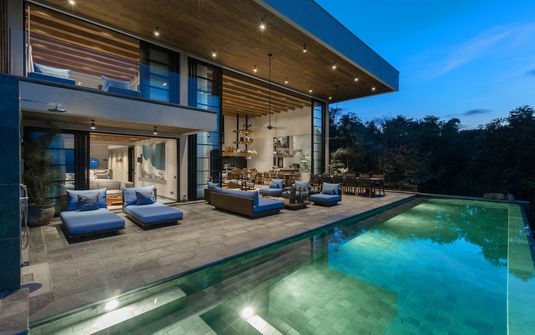
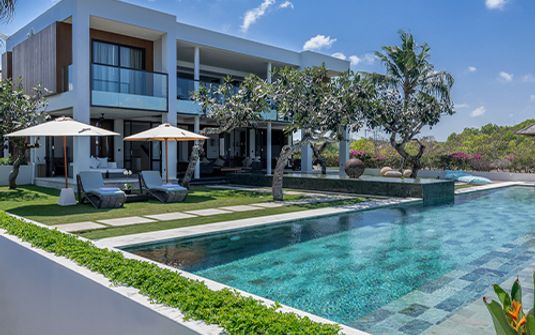
Newer houses can achieve a related sense of place through a precise response to their site. Broad glazing may connect selected communal rooms with the landscape, while more enclosed volumes give private accommodation a different atmosphere. The grounds belong to the same composition. A pool, where included, is most valuable when its position respects adjoining rooms and works naturally with terraces and planting. These relationships give a residence coherence, allowing its refinement to be felt throughout everyday occupation rather than concentrated in one visually dominant feature.
Discretion within the Residence
For families and groups, the arrangement of accommodation determines how well a home supports both company and independence. Separate wings or pavilions can provide greater autonomy, while a more unified house creates a closer domestic pattern. Consistent comfort across the suites and a choice of shared rooms allow either configuration to work. The strongest residence gives quieter spaces a considered identity of their own, making personal retreat a natural part of the home rather than requiring the household to choose between a single communal room and complete separation.
Privacy also depends on the exact address. A water view, an extensive garden and an isolated setting are different qualities, and one should not be inferred automatically from another. Window orientation, neighbouring buildings and the enclosure of exterior rooms all influence how freely a property can be occupied. Where household support forms part of the arrangements, thoughtful working spaces help preserve the independent domestic atmosphere. Discretion then becomes an everyday quality of the building and grounds, supported by the actual organisation of the residence.
A Private Stay with an Individual Character
The collection’s breadth is most valuable when the distinctions between its destinations remain clear. A courtyard-centred compound and an ocean-facing villa offer different forms of retreat, each capable of considerable refinement. Choosing a residence is therefore also a choice about the atmosphere of the home: its degree of enclosure, the relationship between rooms and landscape, and the balance of shared and personal space. These qualities give the household a more meaningful sense of place than a repeated promise of exceptional service or a standard list of amenities.
A lasting stay comes from the coherence of the whole address. The broader destination supplies the landscape and architectural references, while the residence turns them into a personal environment through its materials, proportions and grounds. Familiar details can become the defining parts of the experience: a protected court, a quiet suite or a terrace whose outlook belongs unmistakably to its setting. This is the enduring value of a distinguished private home within the collection, offering comfort and discretion with a character that remains specific to the place.


