




Koh Samui: Private Villas between Green Hills and the Gulf of Thailand
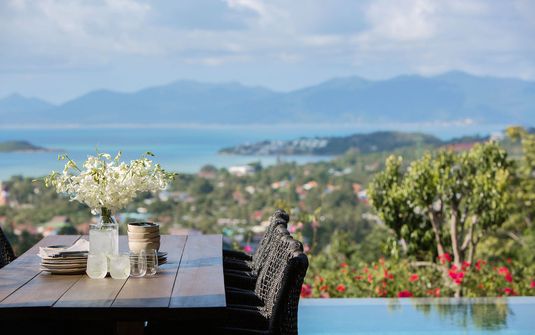
Koh Samui gives Thailand a distinctive island setting in which rising green ground and a varied coastline create quite different positions for a private residence. A house above the shore can receive a layered prospect across vegetation towards the Gulf, while a lower property may feel more closely connected to its garden. The precise address determines the atmosphere. A substantial villa brings this larger landscape into a personal frame through its principal rooms, quieter suites and exterior spaces, allowing the home itself to contribute meaningfully to the stay.
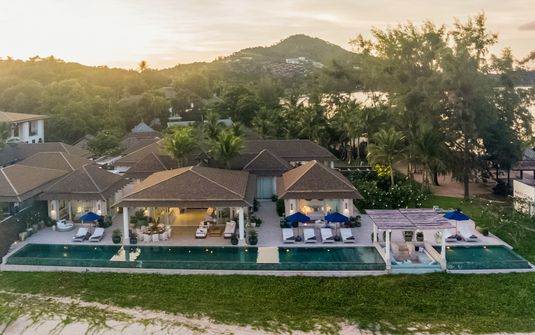
Within the Asia collection, Samui offers more than one form of retreat. The household can inhabit a stepped hillside residence with broad water views or a more contained compound whose identity comes from planting and the relationships between its buildings. Each provides a different balance of company, privacy and openness. The most compelling home makes its actual position clear, giving the residence a local character that extends beyond a general description of tropical luxury or a promise of complete separation based on the island setting alone.
A House That Follows the Ground
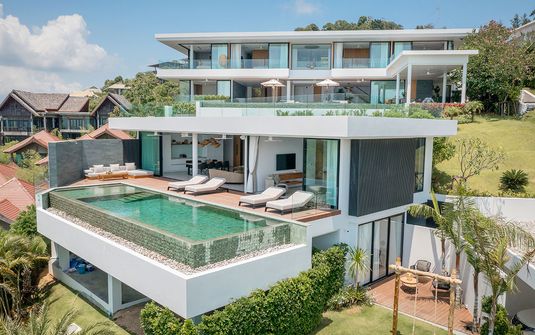
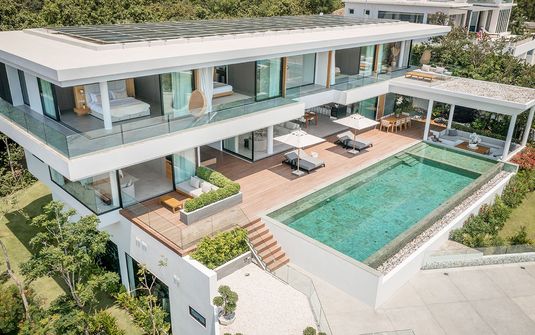
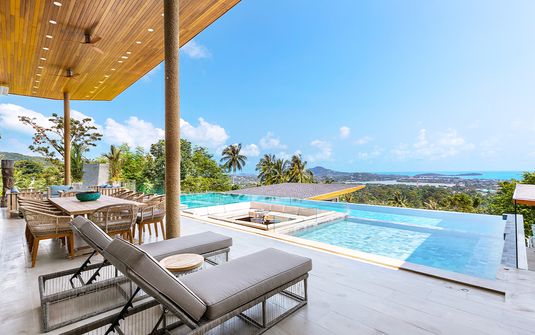
A sloping site allows accommodation to unfold across several levels, giving different rooms their own orientation and degree of enclosure. A principal salon may sit beside the main terrace, with suites occupying quieter positions above, below or along another part of the ground. The architectural interest comes from the relationship between these levels. When the home has a clear domestic centre and comfortable connections, elevation creates variety within one residence rather than turning the property into a collection of spaces linked only by a shared view.
The foreground also changes with height. An upper room may receive a longer coastal prospect, while a lower terrace feels more closely held by planting. These differences give a sustained stay depth, allowing the household to become familiar with several ways of experiencing the setting. A carefully framed window can be as meaningful as a broad opening in the main salon. The residence feels most individual when its rooms retain these distinct relationships with the land instead of directing every interior towards an identical panoramic outlook.
Gardens and Pavilion Spaces
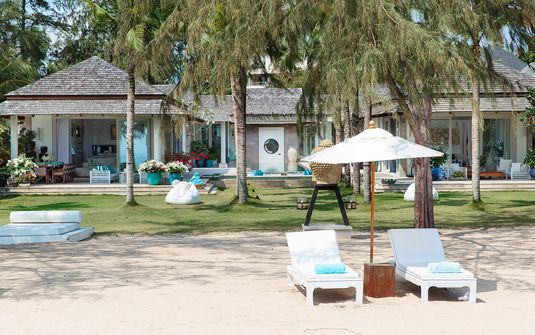
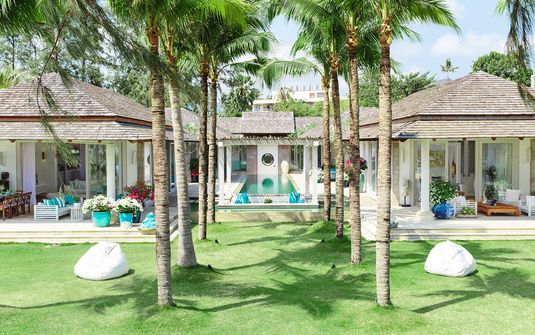
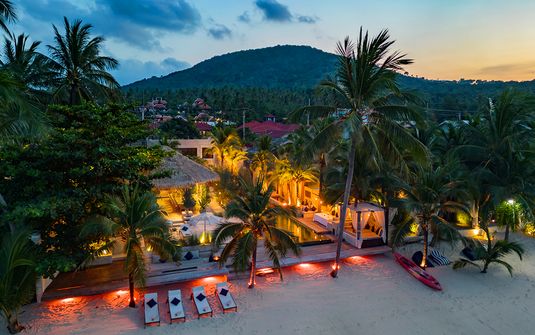
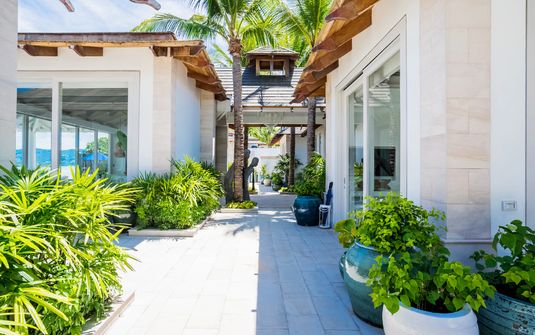
Separate accommodation volumes can sit naturally within Samui’s planted terrain, with courts and covered transitions providing continuity between them. The garden then becomes part of the home’s architectural composition. A shared exterior room establishes a communal centre, while smaller planted areas create intimacy around individual suites. This arrangement can provide autonomy without losing the atmosphere of one complete residence, giving couples or different generations personal space while keeping the principal living areas clearly connected to the rest of the property.
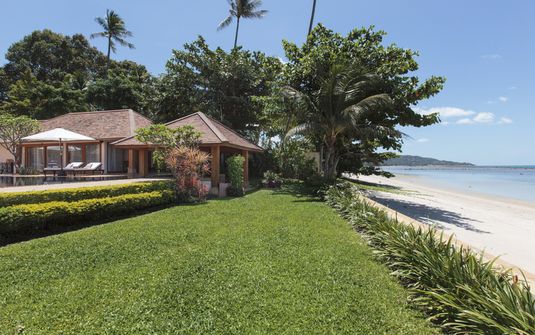
A more unified garden house offers another domestic pattern through closer internal connections and a more continuous relationship with its grounds. Its refinement can come from a veranda, a quiet court or the proportions of rooms opening towards mature planting. The property does not need to repeat the scale of a hillside panorama to feel substantial. A well-composed home creates depth through the sequence of its spaces, allowing the immediate garden and the architectural foreground to carry an important part of the island’s character.
A Material Palette with a Residential Scale
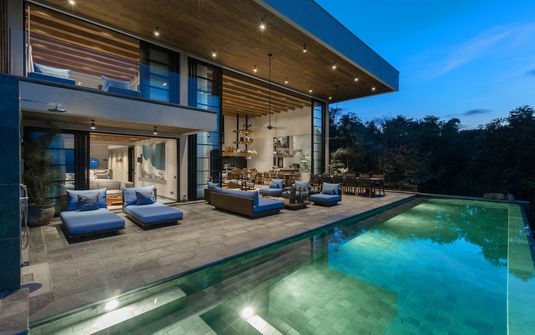
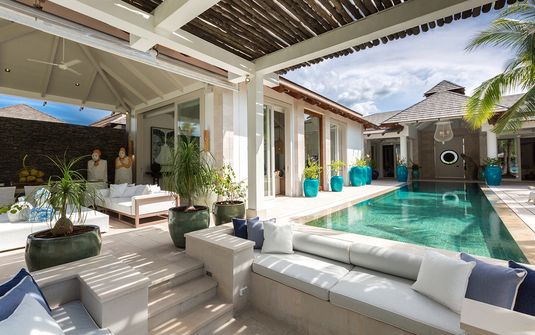
Timber, stone and quieter contemporary surfaces can establish a tactile connection with the setting. Covered exterior rooms and deep openings give the façade a more personal scale, while selected glazing connects communal interiors with the landscape. The house benefits from a balance between broad openings and more enclosed walls, allowing the principal rooms to feel generous while suites retain a quieter atmosphere. Material quality then has a practical architectural role, giving interiors warmth and continuity without competing with the view beyond them.
Differences between rooms make the residence richer in everyday use. A generous main salon can support shared time, while a smaller sitting area introduces a more intimate setting. Thoughtful furnishings and considered lighting give each a comfortable identity. The same quality should extend across the suites, including accommodation away from the principal outlook. A distinguished home feels coherent through this consistency, allowing the household to occupy different parts of the residence without experiencing one room as the sole centre of architectural interest or personal comfort.
Exterior Living with Different Degrees of Privacy
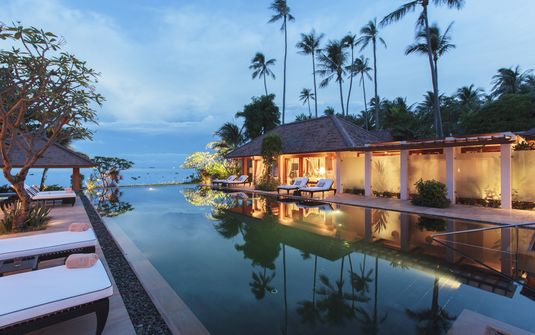
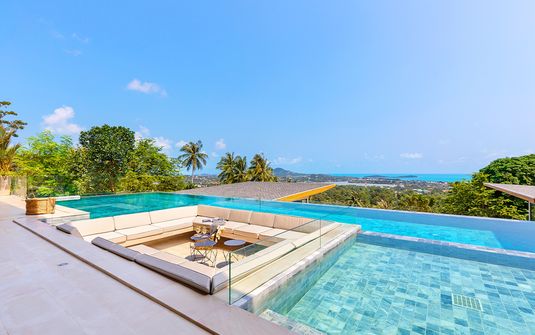
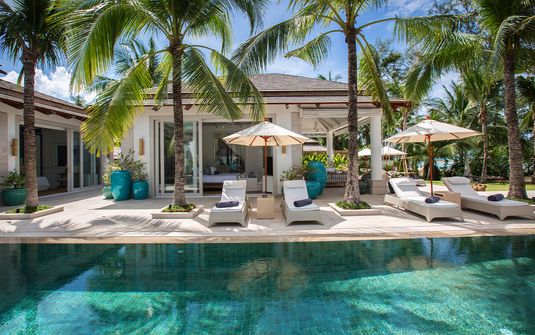
Terraces on different levels can create distinct exterior rooms, with one opening broadly towards the coast and another offering greater enclosure near a suite or quieter lounge. Their value comes from their relationship with the interiors and the surrounding ground. Where a pool is included, its position belongs to that overall composition and should be understood in relation to neighbouring accommodation. The grounds then feel like inhabited parts of the home, providing a range of settings rather than one expansive platform outside the main living area.
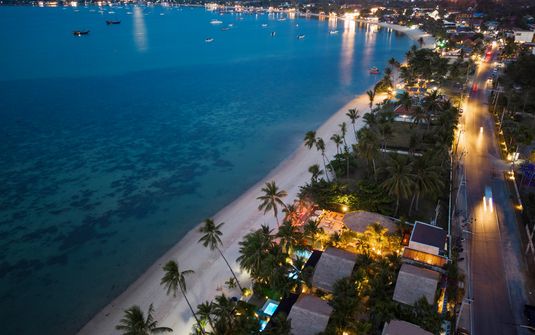
Privacy remains specific to the actual address. A long water view can coexist with nearby buildings, and the orientation of windows or terraces may matter more to personal comfort than the apparent breadth of the landscape. Mature planting and changes of level can contribute meaningful separation when supported by the residence’s plan. These relationships allow the household to occupy the home confidently, with discretion established through the real arrangement of rooms and exterior spaces instead of inferred solely from elevation or an extensive garden boundary.
A Private Samui Home with Its Own Rhythm
Independent accommodation and several well-related communal spaces allow a household to spend time together in different ways. A shared living pavilion, a quieter interior lounge and a protected garden terrace can each provide another register, giving the stay flexibility without losing its domestic centre. Where discreet household support is included, considered working areas help practical care integrate quietly with private life. The residence remains an independent home, with its personal suites and most intimate exterior spaces comfortably separated from the supporting functions of the property.
Koh Samui’s lasting residential appeal lies in the way a particular house inhabits its part of the island. A terrace following the slope, a room looking through planting towards the Gulf or a quieter garden court can become the defining element of the stay. These details make familiar spaces feel specific and substantial. The home brings the broader coastal landscape into a personal frame through its architecture, materials and protected accommodation, creating a private island residence whose character belongs to its actual address within Samui.


