



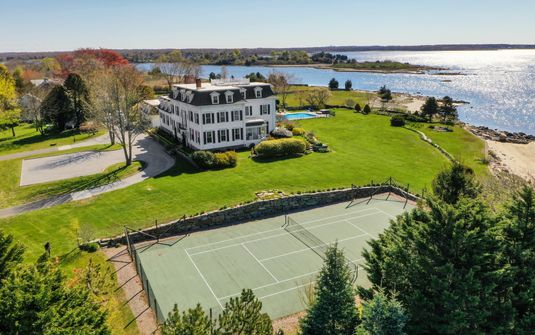


Connecticut offers a private-home landscape shaped by the close relationship between wooded country, established towns and the coast. Stone walls, mature trees and individual houses give the land a settled domestic texture, while the shoreline introduces a different sense of openness. A residence can feel intimate within a planted neighborhood or more expansive across private grounds, with the architecture giving each setting its own atmosphere. The appeal is not one uniform idea of a country estate. It is the opportunity to inhabit a house with material character and a clear relationship to its place, allowing gardens, rooms and exterior spaces to make the wider landscape personal.
Within the United States, Connecticut brings a distinctly New England expression to private residential living. Traditional architectural forms remain an important part of the visual context, but contemporary houses can offer equally compelling interpretations of land, trees and water. The particular site determines the experience. A coastal home has a different rhythm from a wooded property, and a residence within an established town can create privacy through its plan rather than through isolation. The quality of a stay comes from the completeness of the individual house, with comfortable shared rooms, thoughtful private quarters and a garden that feels integrated with the architecture rather than added around it.
Luxury Private Homes and Estates in Connecticut
Traditional houses can carry a strong sense of continuity through their proportions and materials. Clapboard, brick, timber and substantial stonework create a recognizable domestic language, while pitched rooflines and individual windows give rooms a more intimate scale. Their appeal is not confined to historical appearance. A well-resolved residence allows contemporary comfort to sit naturally within that framework, using clear circulation, generous storage and carefully furnished shared rooms to make the home easy to inhabit. The architecture feels personal when its character is preserved without turning every interior into a period display, giving guests a house whose quality becomes more apparent through use and familiarity.
Contemporary residences can express the same landscape with quieter lines and more selective openness. Broad glazing may frame trees, a garden or a water outlook, while solid walls give the interior enclosure and space for artwork, books and substantial furniture. Timber and stone can bring warmth to the composition, connecting the house to the land without imitating a traditional form literally. The balance between open and protected spaces gives the residence depth. A principal salon can feel generous, while a suite or smaller sitting room offers a more intimate frame, allowing the household several different atmospheres within one coherent and comfortable private home.
A substantial estate needs a clear domestic order to retain its ease. Shared spaces should have a natural center, private rooms need a quieter relationship with circulation and the garden can connect the different parts of the plan without exposing every suite to the main terrace. Separate wings or planted courts can create meaningful independence, while comfortable passages keep the household connected. The property's generosity is therefore more than a question of floor area. It lies in the variety and usability of its spaces, allowing guests to be together or more private naturally and making a large residence feel personal at the scale of each individual room.
Distinct Coastal Settings within the State
Stonington brings the intimate texture of an established maritime town to Connecticut's eastern coast. Its private-home setting can be understood through the relationship between domestic architecture, gardens and the smaller scale of a coastal community. A residence may acknowledge the water through a selective outlook rather than a broad panorama, with the house's own rooms and thresholds providing much of its character. The appeal lies in inhabiting a particular place comfortably. Thoughtful planning can preserve privacy within a lived-in setting, allowing the coastal context to remain present without requiring every room to share the same exposure or visual relationship with the shore.
Westport offers another coastal expression, shaped by the Saugatuck River, Long Island Sound and an established residential landscape. A home can draw its identity from a planted neighborhood, a more open water-related setting or grounds that create an intimate world of their own. The individual site matters. A refined residence makes that relationship clear through its orientation, materials and distribution of rooms, allowing the household to experience the destination from within a comfortable private home. The broader setting gives context, while gardens, shared spaces and well-protected suites make the stay personal rather than dependent on one generalized image of a shoreline estate.
These destinations demonstrate why Connecticut's residential differences are part of its appeal. A maritime-town house, a river-related property and a wooded estate offer distinct relationships with scale, architecture and privacy. The home should be understood through its actual setting, not through a single formula applied to the state as a whole. A broad terrace may suit one site, while an inward-facing court gives another residence its quiet center. Guests gain meaningful choices between atmospheres, with the quality of the individual house turning those geographical and architectural distinctions into a stay that feels specific, comfortable and grounded in a real place.
Gardens with a Settled Sense of Place
Connecticut's planted residential landscapes can bring considerable depth to a private home. Trees, stone walls and layered garden boundaries create close outlooks that become familiar during a stay, giving rooms a personal landscape even where the broader setting is more open. A substantial tree beside the salon can connect several spaces visually, while a planted court offers a quieter frame for a suite. The garden works best when it participates in the plan. It can mark transitions, protect private areas and give shared rooms a generous exterior edge, allowing the house to feel settled and individual rather than surrounded by an undifferentiated decorative border.
Terraces can extend this domestic world at different scales. The principal exterior room may accommodate the household comfortably, with well-arranged seating, a sheltered section and clear circulation back to the salon. A smaller garden-facing area can offer a more intimate atmosphere beside a quieter room or private suite. Their differences make the residence accommodating when fully occupied. Where a pool is included, coherent surfaces and generous space around the water allow it to become part of the garden rather than an isolated feature. The exterior feels complete when planting, furnishings and architecture support one another, giving guests several comfortable places within the same private home.
Privacy depends on the particular site and plan, not only on the extent of the grounds. A wooded boundary can create distance, while an established-town residence may rely more on walls, inward-facing rooms and carefully positioned openings. The route between shared spaces and suites deserves equal attention. Guests should be able to reach their private quarters without crossing another person's retreat, and smaller exterior areas should feel natural to occupy independently of the main terrace. These choices allow togetherness and personal ease to coexist, giving the house a quiet confidence that comes from thoughtful architecture rather than a generalized promise of seclusion applied to every property.
Interiors with Material Depth and Domestic Warmth
A Connecticut interior can feel collected through a restrained relationship between architecture, furnishings and personal objects. Timber, stone and textured surfaces provide substance, while textiles soften the larger elements and selected artwork introduces individuality. The rooms gain character when pieces appear chosen for their proportions and atmosphere rather than assembled around a fixed decorative theme. A substantial cabinet or a comfortable chair can carry considerable presence when given space around it. This allows the house to remain engaging beyond its garden or water outlook, giving guests a home whose material quality and quiet details become a lasting part of the experience.
The main salon should support conversation naturally, with seating at comfortable distances, substantial tables and clear passages toward adjoining rooms or the terrace. Solid walls provide another focus through books, artwork or joinery, balancing the open garden-facing side. A second sitting room offers a different scale, perhaps more enclosed or directed toward a quieter planted area. These spaces make a longer stay more accommodating because they allow varied preferences within the household. The residence feels generous through the range of comfortable places it offers, not simply through oversized dimensions or one common room expected to serve every part of the shared and personal experience.
Bedrooms can have individual atmospheres while maintaining consistent comfort. A room facing water offers one kind of retreat, while a wooded outlook or planted court gives another suite a quieter relationship with the site. Generous storage, a comfortable seating area and well-positioned lighting make each room complete. The quality of a shared stay depends on this evenness. Differences between suites should add character without creating a sharp hierarchy, allowing every guest a thoughtful personal place within the home and ensuring that the care evident in the principal salon and garden continues throughout the private quarters of the residence.
The Quiet Details That Make a Home Complete
Bathrooms extend the private experience through clear planning and restrained materials. Stone, tile and precise timber joinery create depth when the proportions are generous and the layout is comfortable. A protected opening toward planting can introduce a close exterior relationship, distinct from the broader view of the shared rooms. Everyday usability matters as much as visual effect. Adequate surfaces and intuitive lighting make the space natural to use repeatedly throughout the stay, revealing whether the house has been considered in depth. A thoroughly resolved residence gives these quieter rooms the same attention as its most visible architectural and landscape settings.
Arrival can establish the residence's atmosphere through a gradual sequence of thresholds. A planted approach, a substantial door and a quiet first room give the home a personal scale before its broadest outlook appears. A framed glimpse of garden or water may be more evocative than revealing the entire property immediately, particularly when the surrounding architecture has its own material richness. Passages, stairs and landings deserve the same care because they become familiar parts of daily life in the house. Their quality makes a substantial property coherent and easy to understand, turning a collection of rooms into a complete private world with a clear domestic rhythm.
A Distinctive New England Residential Landscape
Connecticut's private-home appeal lies in the way familiar domestic forms meet varied landscapes. Coast, river, wooded ground and established towns each create a different context, allowing the individual residence to have a strong identity without depending on monumental scale. Guests who value material warmth and a clear sense of belonging can find depth in that range. The house becomes the lens through which the setting is experienced, framing the land selectively and creating privacy through thoughtful planning. A refined stay feels personal because the architecture and garden belong to their particular place, giving the household both a comfortable retreat and an unmistakable connection to the wider residential landscape around it.
A Private Stay with Connecticut Character
Connecticut is most rewarding when a home brings its surroundings into a coherent domestic experience. The broader landscape provides context, the garden creates intimacy and the architecture gives the household a comfortable personal world within it. A generous salon, quieter sitting rooms and well-protected suites allow several atmospheres to coexist naturally. LaCure's perspective centers on this complete residential quality. The lasting impression is of a stay with individuality and substance, where a planted threshold, a carefully framed outlook and the materials of the rooms remain as memorable as the destination beyond the property, making the setting feel natural to inhabit through the house itself.


