




Lake Como: Private Villas in a Landscape of Water and Mountain
Lake Como offers a distinctive residential setting in northern Italy, where steep surrounding terrain, a long lake horizon and an established tradition of substantial villas create a strong relationship between architecture and landscape. A private residence can feel grand through its proportions without becoming visually detached from the shore. The water gives the outlook breadth, while the mountains and neighboring settlements provide a clear sense of scale and place beyond the property’s own grounds.
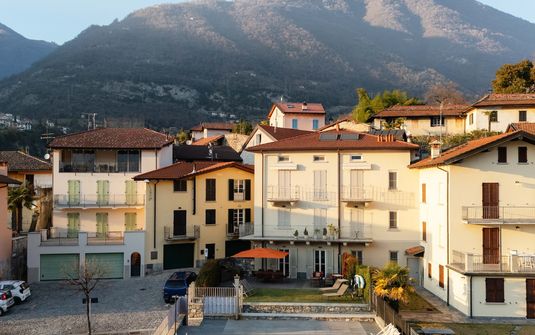
The lake is not experienced in one uniform way. A waterfront villa, an elevated house and a residence within an established settlement each offer a different relationship with the water and surrounding buildings. Their atmosphere depends on the exact site, the arrangement of the grounds and the way rooms are oriented. The most convincing home is one that translates those conditions into a complete domestic environment, allowing the household to remain connected to the landscape while retaining personal space and a clear residential identity.
The Lake as an Architectural Foreground
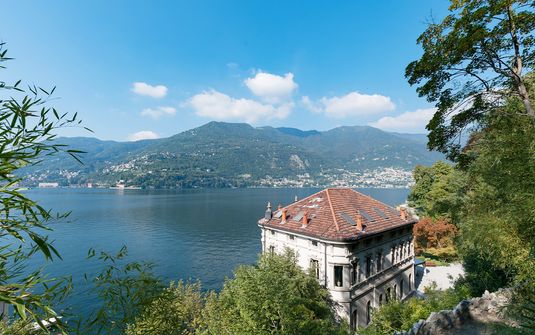
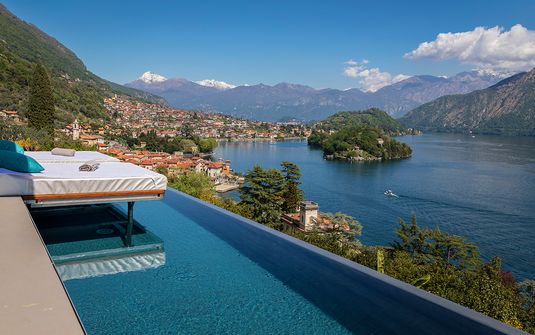
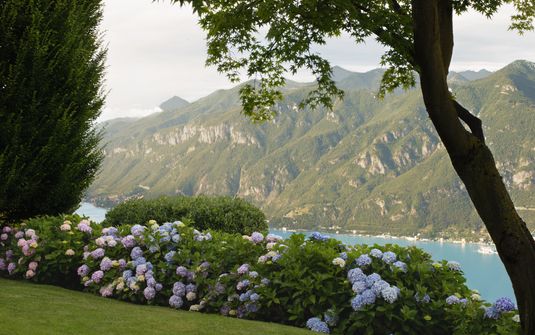
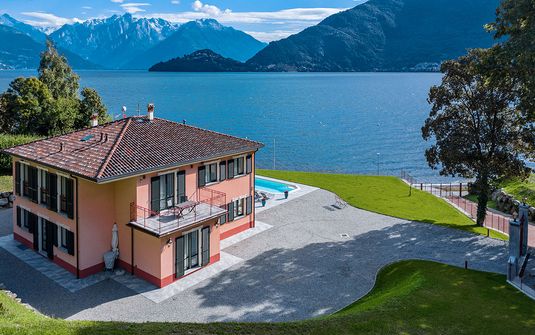
A lakeside outlook has a contained depth that differs from an open sea horizon. Opposite slopes, rooflines and the shape of the water can remain visible, giving the view a particular geographical structure. A residence can use those layers through carefully proportioned openings and terraces that relate to the shore. The landscape becomes part of the architecture without requiring every room to disappear into glazing, allowing the interior to retain substance and a comfortable domestic scale.
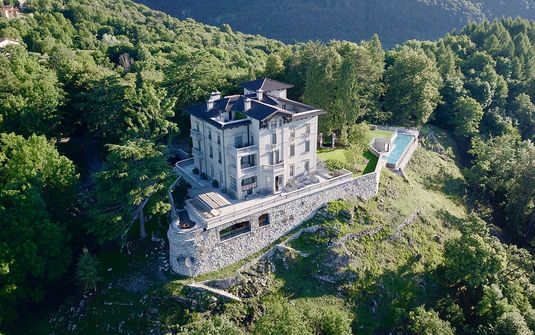
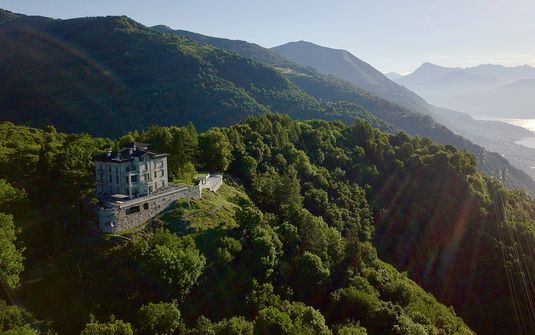
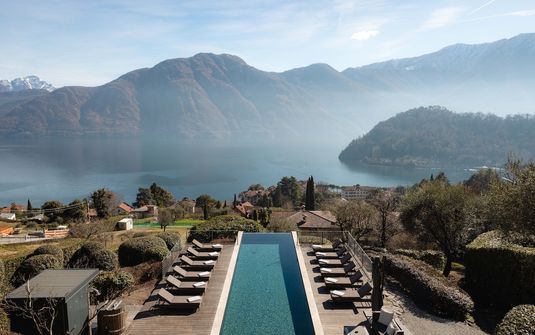
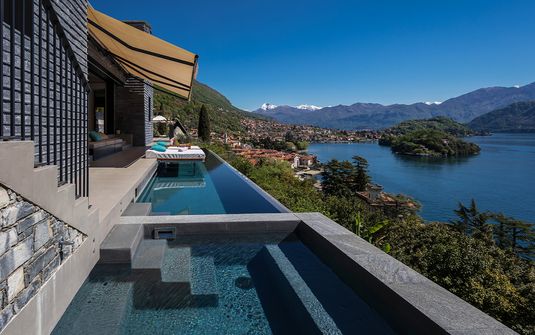
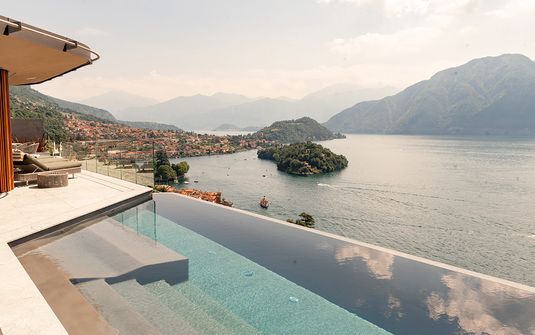
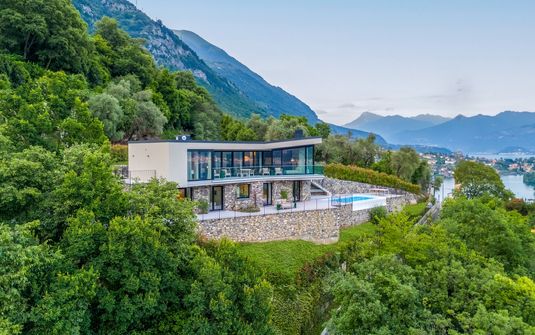
An elevated property introduces another perspective, revealing more of the relationship between lake, settlement and mountain. The broader panorama can be compelling, but the foreground remains important. Trees, garden terraces and the immediate form of the house give intimacy to the view. A well-resolved site offers several outlooks, allowing a communal room to feel expansive while a quieter suite or smaller sitting space has a more contained relationship with the grounds and the surrounding land.
The Terrace and the Planted Shore
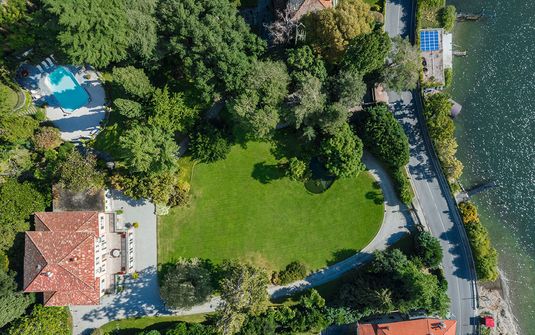
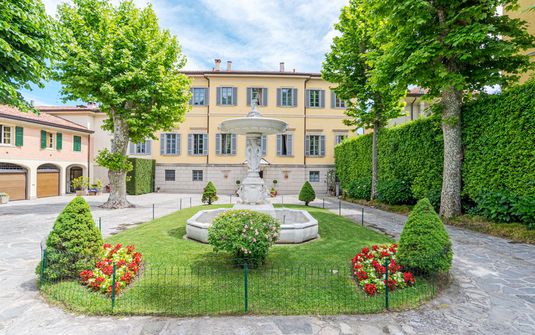
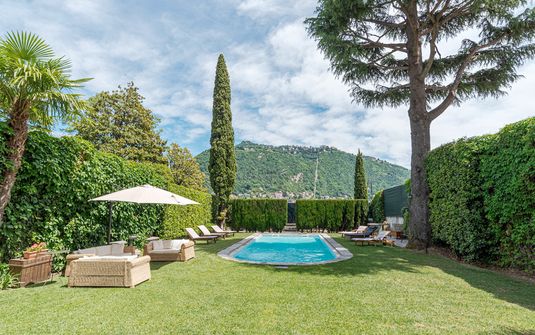
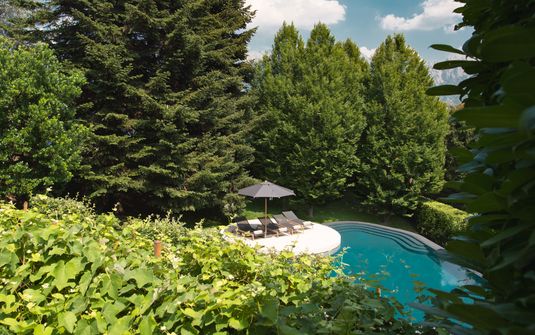
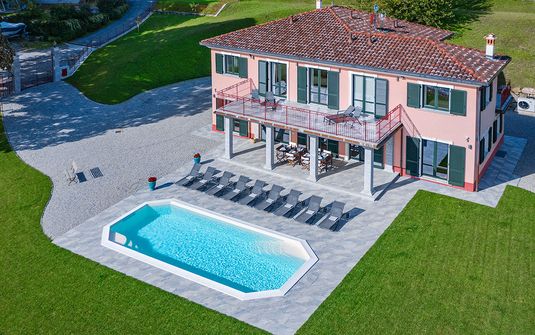
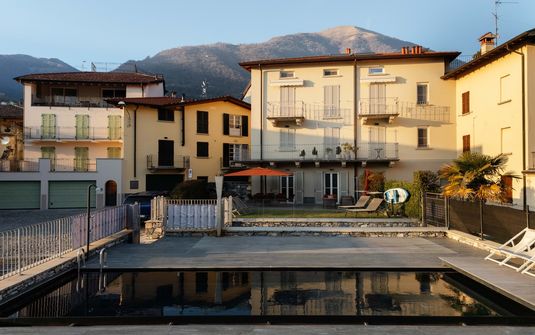
Established gardens can give a Como residence much of its architectural depth. Formal planting near the principal façade may lead towards lawns, mature trees or a more varied terraced landscape. These changes in scale make the grounds feel like part of the home rather than an ornamental strip between the building and the water. A protected exterior room offers a distinct atmosphere from a broader open terrace, giving the household several ways to inhabit the same private property.
The relationship with neighboring buildings and the lakeside boundary also influences privacy. A prominent waterfront position can be visually exposed, while a more planted or carefully enclosed setting may provide greater intimacy. Walls, mature trees and the orientation of rooms can create meaningful protection without removing the lake from view. Discretion is therefore a precise quality of the individual residence, experienced through the rooms and exterior areas actually occupied by the household rather than assumed from the prestige of the address.
The Tradition of the Substantial Lake Villa
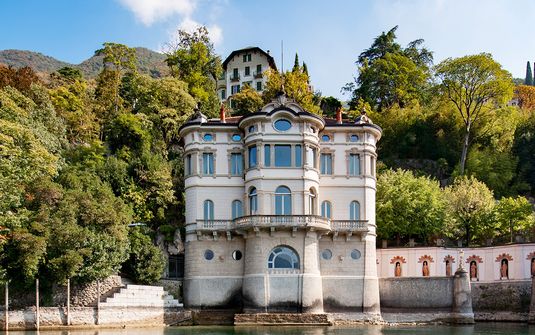
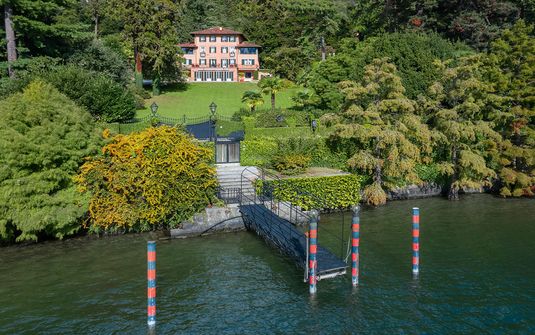
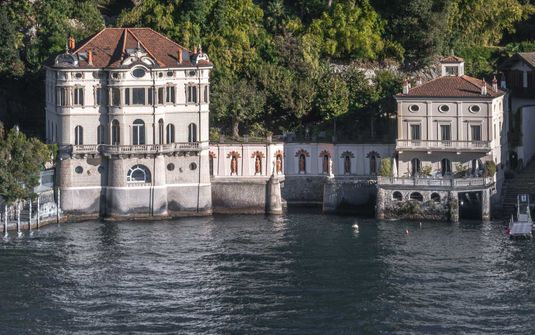
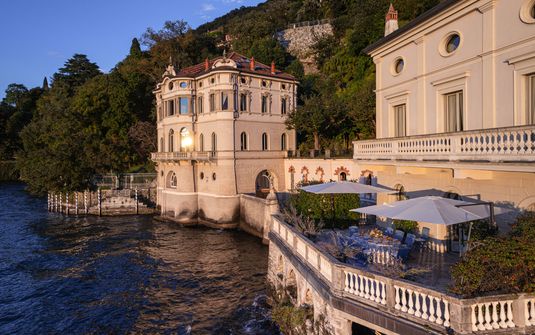
Historic residences around the lake can express their character through ordered façades, generous reception rooms, loggias and a deliberate sequence between house and garden. Original staircases, joinery and decorative detail provide another layer where they remain. Their appeal is strongest when restoration allows the architecture to retain its identity without requiring the home to maintain a ceremonial tone throughout. A distinguished private residence should feel welcoming as well as substantial, supporting sustained occupation rather than only an impressive arrival.
Interior refinement can be richly layered or markedly restrained. Contemporary furniture and art may reveal the proportions of a period room, while traditional furnishings can create warmth when used with care. The objective is not a uniform decorative formula across the whole house. A principal salon, a smaller library-like room and a quieter garden-facing space can each have a different character, giving the residence the variety needed for a comfortable household stay over time.
Modern Architecture Within a Strong Setting
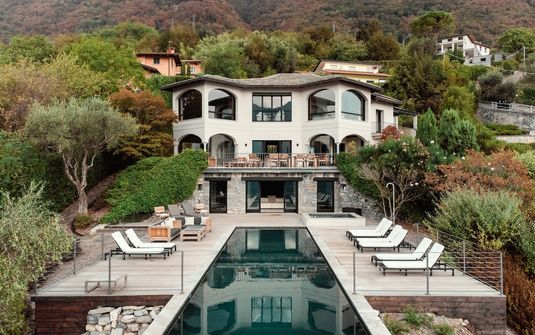
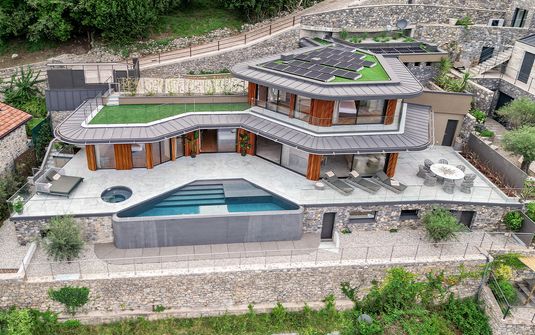
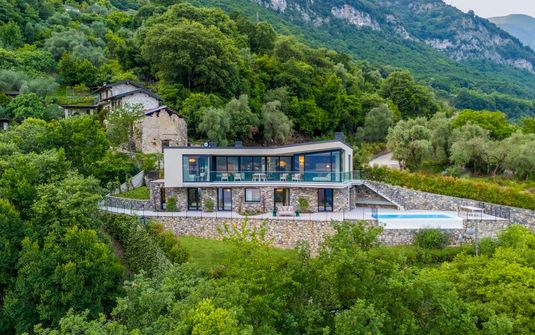
Contemporary villas offer another interpretation of the lake landscape through clearer volumes, broader openings and more fluid connections with terraces. Their strength lies in the precision of the relationship between interior and site. A substantial glazed room benefits from quieter enclosed spaces elsewhere in the plan, while a restrained material palette can allow the surrounding water and mountain contours to remain legible. The residence feels most convincing when it belongs to the setting rather than competing with it as an isolated architectural statement.
Suite distribution should support the way the group wishes to stay together. Bedrooms within one private zone create a closer household pattern, while accommodation across separate floors or wings offers greater autonomy. The appropriate plan depends on the guests, but private rooms should feel balanced in comfort and identity. A villa becomes genuinely generous when secondary suites receive considered outlooks and appropriate separation, allowing the quality of the stay to extend throughout the home rather than resting on one principal room.
A Private Household on Lake Como
The appeal of a stay is often found in details that become familiar through repeated occupation: the framed view from a room, the transition through a loggia or the enclosure of a planted terrace. These elements give the residence a personal identity within the broader lake landscape. The house provides a settled domestic center, allowing the household to remain together while preserving individual routines and quiet spaces of its own, independent of a shared accommodation environment.
Lake Como’s enduring residential distinction lies in the coherence of architecture, grounds and water. A historic villa and a contemporary home can each offer a compelling experience when their proportions and privacy are thoughtfully resolved. The result is a refined northern Italian address with depth and independence, where the surrounding mountains and lake remain essential presences but the private residence gives the stay its warmth, comfort and unmistakably personal scale.


