




Cotswolds: Private Country Houses in a Landscape of Stone and Meadow
The Cotswolds offer a particularly assured expression of rural England. Pale limestone villages, rolling pasture and long-established estates create a landscape in which a private house feels integral to its surroundings. The appeal is less about a single dramatic view than the accumulation of details: a stone boundary disappearing over a hill, mature trees around a sheltered garden, and buildings whose proportions reflect generations of residential life.
A stay here is shaped by the scale of the property and its relationship with the countryside. A village house places architectural continuity at the center of the experience; a detached manor offers a more expansive sense of arrival and enclosure. Both can provide the domestic warmth that distinguishes an exceptional country residence from accommodation designed around a succession of short visits. The most convincing choice depends on how the household wishes to inhabit the setting.
A Countryside with Architectural Continuity
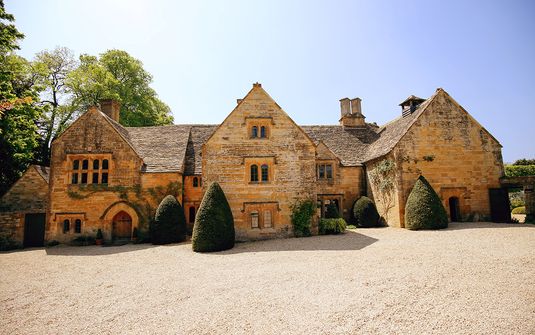
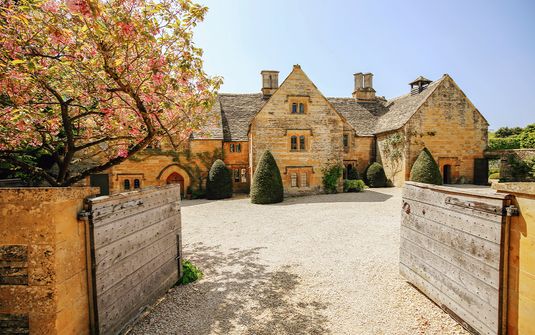
The region’s characteristic stone gives even quite different settlements a visual kinship. Its color varies from cream to deeper honey tones, while roofs, gables and garden walls establish a restrained palette. In older houses, mullioned windows, substantial fireplaces and irregular room arrangements preserve a tangible connection with the building’s original purpose. These elements are most successful when restoration retains their character without allowing historical detail to compromise comfort or the natural circulation of the home.
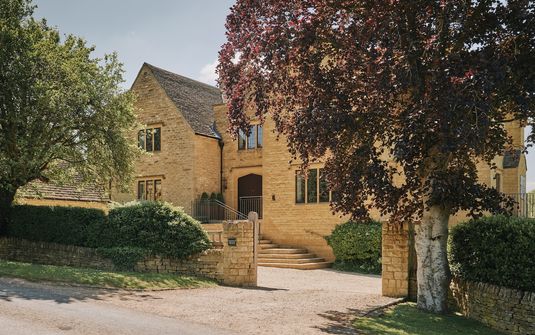
The surrounding land is equally important. Broad slopes tend to create layered, rather than abruptly mountainous, views, and agricultural fields give the landscape a legible rhythm. A residence with outlooks on several sides can feel very different from a house enclosed by a village street. Neither is inherently more desirable, but they offer different kinds of intimacy: one belongs to an open rural panorama, while the other draws its character from a compact and coherent built environment.
Gardens as Part of the Residence
Established gardens can be the defining feature of a Cotswold property. Stone terraces, lawns, orchard planting and sheltered corners give the exterior a sequence of usable spaces instead of a single ornamental outlook. The relationship between the principal rooms and these gardens deserves particular attention. A house that opens naturally onto its grounds often feels more generous than its internal dimensions suggest, especially when several members of a group wish to occupy different areas without becoming disconnected.
Privacy also depends on the boundaries beyond the immediate garden. Mature planting, the orientation of neighboring buildings and the position of access lanes all influence the atmosphere of a stay. Extensive acreage does not automatically mean that every exterior space is secluded, just as a smaller walled garden can provide remarkable discretion. The quality of the setting lies in how these individual conditions come together around the rooms and outdoor areas the household will actually use.
The Character of a Private Country House
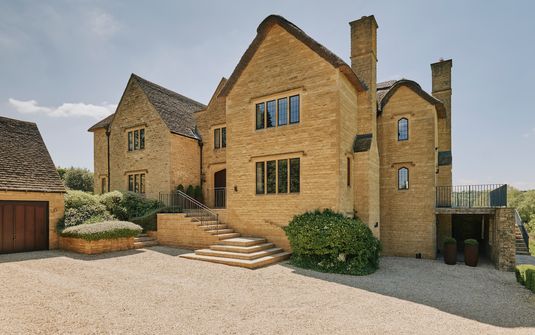
Country residences here may range from former farmhouses and converted agricultural buildings to substantial manor houses. Thick masonry, exposed timbers and generous hearths can provide a richly textured interior, while contemporary additions sometimes introduce larger panes of glass and more open living arrangements. The strongest combinations allow old and new to remain readable. A light-filled extension can complement an older core without turning every room into the same architectural experience or erasing the intimacy of the original house.
For a larger gathering, the bedroom arrangement matters as much as the number of suites. Independent wings, separate staircases or a detached guest building can create useful degrees of separation, whereas bedrooms concentrated around one landing encourage a more closely shared household. These distinctions should guide the choice of residence. A property that suits a group of couples may not serve a multigenerational family in quite the same way, even when both groups require a comparable overall capacity.
A Household Organized Around Space
Several well-proportioned reception rooms can make an extended country stay feel effortless. A principal sitting room may provide a natural point of connection, while a library, garden room or quieter secondary lounge allows other conversations and periods of solitude to coexist. This variety is especially valuable in a historic property, where the attraction often lies in a sequence of distinctive rooms rather than in one oversized communal interior. Comfort emerges from having appropriate spaces for different parts of the day.
Discreet household support works best when the building can accommodate it without making service the dominant presence. Separate circulation, practical ancillary rooms and a clear division between private suites and shared areas may contribute more to the experience than conspicuous features. Such arrangements vary by residence and should never be assumed from the appearance of the façade. The appropriate property is one whose organization supports the intended stay as convincingly as its architecture supports the surrounding landscape.
An English Address with a Personal Rhythm
The particular luxury of the Cotswolds is the opportunity to inhabit a place with its own architectural and rural identity. Views across pasture, the depth of an old window reveal and the enclosure of a garden are not interchangeable decorative effects. Together they create a setting that can feel settled and personal from the beginning. A thoughtfully chosen residence allows those qualities to remain present while giving the household the privacy and independence expected of a distinguished private address.
For guests who value atmosphere over spectacle, the region rewards a precise choice of house. The aim is not simply to select the grandest façade or the largest estate, but to find a coherent relationship between landscape, interior character and the people staying together. When those elements align, a Cotswold residence offers a substantial and deeply comfortable country experience, with enough architectural individuality to make the stay feel rooted in this particular part of England.


