




Canada: Private Residences with Mountain, Lake and Garden Perspectives
Canada offers a range of private residential settings whose character comes from the scale and texture of the surrounding land. Mountain contours, lake edges, established woodland and more closely settled gardens give different addresses their identity. A substantial home brings those larger environments into a personal frame through its rooms, materials and grounds. The most compelling stay feels specific to the residence, allowing the household to inhabit a complete private setting whose architecture has a clear relationship with the place immediately around it.
The collection extends beyond one national image of an alpine chalet or a remote estate. A mountain residence and a lakeside home provide different forms of retreat, while other addresses draw their atmosphere from an established garden or a more urban architectural context. The precise setting matters as much as the size of the property. A distinguished home combines generous shared spaces with protected personal accommodation, giving the household both a recognisable sense of place and the independence of a complete residence.
Distinct Settings within the Canadian Collection
British Columbia: Mountain Forms and Residential Depth
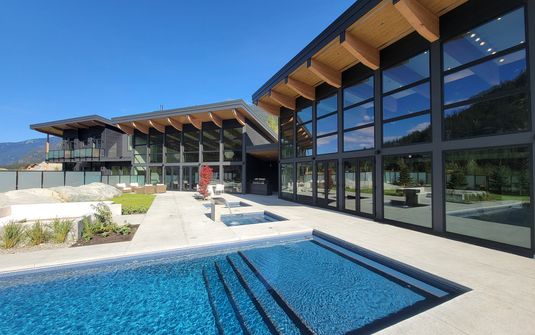
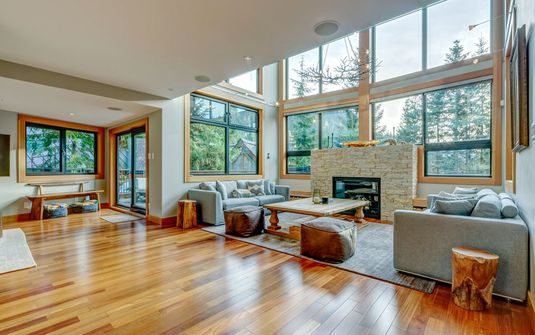
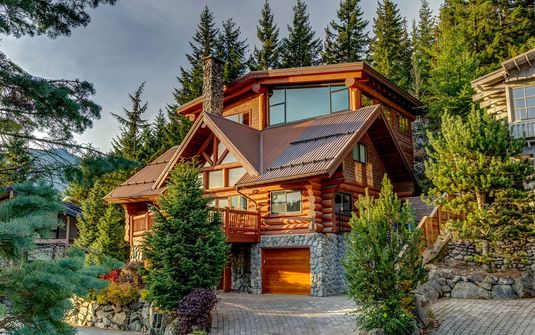
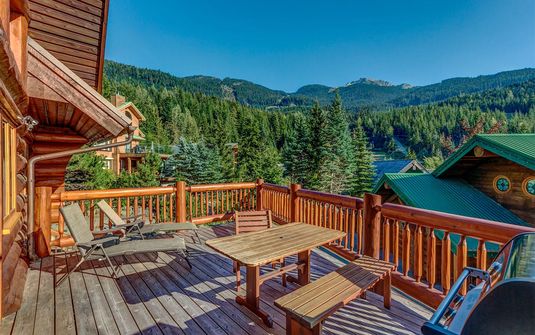
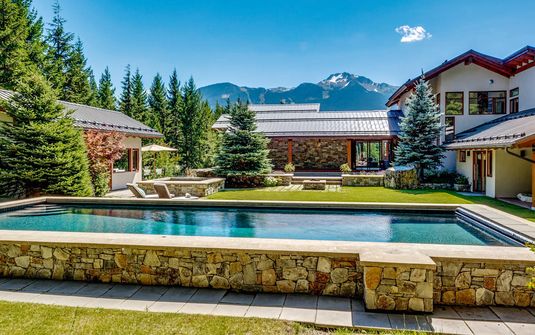
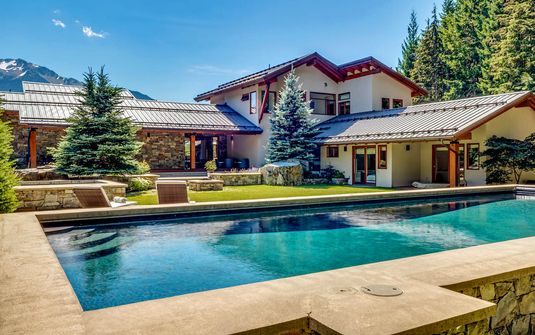
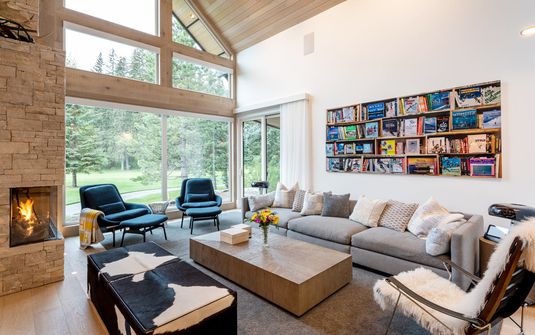
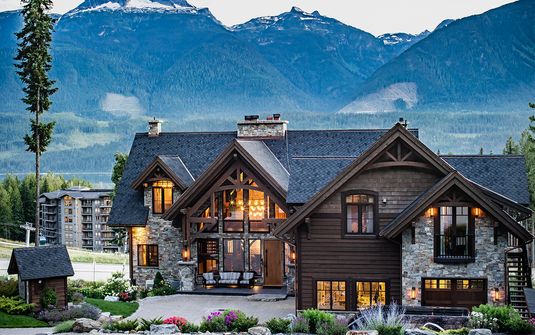
British Columbia provides the collection’s clearest mountain perspective. Forested slopes, broad valleys and strongly defined landforms give residences a substantial visual setting, while the house creates a more intimate domestic environment through its principal rooms and grounds. A generous opening can frame the mountain landscape without making every interior equally exposed. Quieter sitting rooms and suites offer another scale, allowing a substantial residence to feel comfortable in daily use rather than relying entirely on the breadth of its largest view.
Within the province, Revelstoke and Whistler offer distinct residential contexts. Their individual addresses vary with the position of the house, the surrounding woodland and the pattern of neighbouring buildings. A more enclosed forest setting has a different atmosphere from a room receiving a broad mountain prospect. These differences give the household a meaningful choice of home, with architecture, orientation and the composition of the grounds shaping how private and outward-facing the residence feels in practice.
Muskoka: A House at the Meeting of Woodland and Water
Muskoka introduces a more horizontal landscape of lakes, wooded shorelines and the rocky character associated with the Canadian Shield. The residence can bring water into everyday domestic life through a terrace, a garden edge or a principal room facing the shore. The immediate foreground is important to the atmosphere: established trees and the contours of the ground give a broad lake prospect depth, allowing the house to remain closely connected to land as well as to the water beyond it.
A lakeside home can feel substantial without adopting the architectural language of a mountain estate. Timber, stone and more contemporary forms offer different interpretations of the setting, with the relationship between rooms and shore giving the residence its identity. Smaller interior spaces may look towards woodland, while communal rooms receive a more open water prospect. The property becomes richer through this range, offering a complete domestic environment whose character comes from its particular position within Muskoka’s lake-and-forest landscape.
Ontario: A Wider Residential Perspective
Ontario provides a broader provincial context, with established residential settings offering different relationships between architecture, garden and the surrounding built or natural landscape. The experience of a private home depends on its actual address rather than a uniform regional style. An older residence may draw character from inherited proportions and mature planting, while a contemporary house establishes a different relationship through simpler forms and carefully selected openings. The quality lies in the coherence of the property and the comfort of the rooms it offers.
A contained garden can give a home a deeply personal foreground, even where the wider setting is more closely settled. Walls, mature trees and the orientation of occupied rooms create different degrees of privacy. A principal salon may engage with a longer view, while a quieter sitting area remains focused on the grounds. These relationships give the residence depth through everyday occupation, allowing the household to experience an independent domestic world whose individuality comes from the particular house rather than from a general promise of provincial seclusion.
Architecture with Material Substance
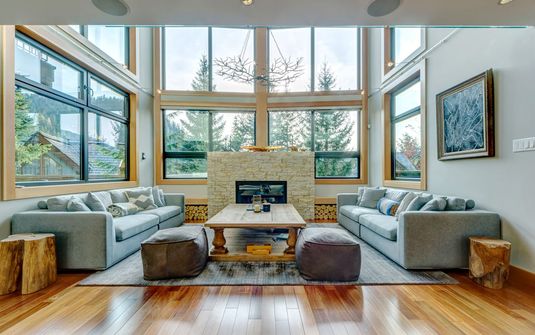
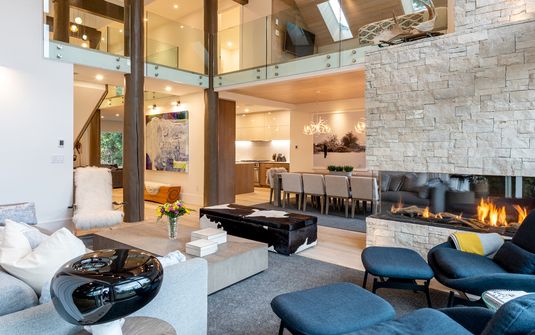
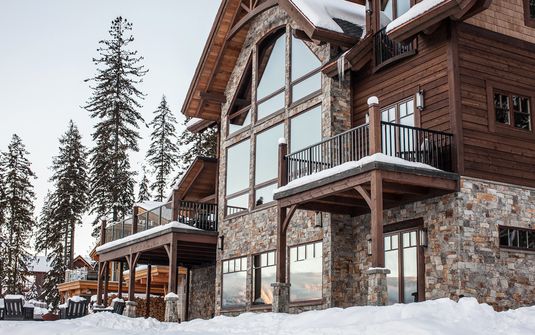
Canadian residences can express refinement through the balance of substantial materials and comfortable proportions. Timber and stone give rooms texture and weight, while carefully framed glazing connects selected interiors with the landscape. The building benefits from a range of scales: an expansive shared room can sit alongside smaller, more enclosed spaces with their own identity. This variety makes the home more accommodating over a sustained stay, allowing the household to gather generously without making every part of domestic life depend on one dominant communal volume.
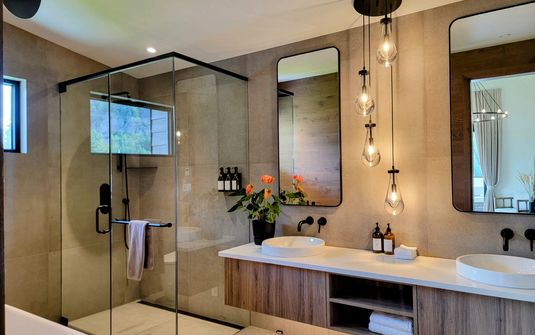
Contemporary design and older architectural character can each provide a compelling private setting. Sensitive restoration preserves the legibility of inherited rooms and grounds, while newer houses can respond precisely to their site through proportion and orientation. Furnishings and lighting give these spaces a clear domestic purpose. Refinement feels most convincing when it extends across the residence, ensuring that quieter suites and secondary sitting areas remain as considered as the principal reception room or the space with the most prominent landscape outlook.
Privacy at the Scale of the Household
Independent suites and several well-related shared rooms allow couples or different generations to remain together with meaningful personal space. Separate wings or guest accommodation can provide greater autonomy, while a more unified house creates a closer household rhythm. Consistent comfort matters in either arrangement. The strongest residence gives personal accommodation a protected orientation and clear access, allowing quieter routines to coexist naturally with the communal life of the home without making any part of the household feel secondary.
Privacy also depends on the exact relationship with the surrounding setting. A large plot and complete visual separation are different qualities, with neighbouring buildings, terrace positions and window orientation influencing how comfortably the grounds can be occupied. Where discreet household support is included, considered working areas help practical care integrate quietly with private life. These relationships give discretion a practical architectural expression, grounding the experience in the actual arrangement of the home rather than inferring it solely from mountain scale, woodland or a broad lake view.
A Complete Home within a Particular Canadian Landscape
The most memorable parts of a Canadian residence can be intimate: a room held within substantial timberwork, a terrace meeting a rocky garden edge or a quieter suite looking towards established trees. These details give familiar spaces continuing presence and bring a large surrounding landscape back to a personal scale. The home feels substantial through its coherence, with shared rooms, private accommodation and grounds contributing complementary qualities rather than competing to provide the same visual impression throughout the property.
British Columbia, Muskoka and Ontario offer different frameworks for that private domestic experience. Their individual residences become most compelling when the particular setting remains clear, allowing the household to choose an atmosphere defined by the actual house and its surroundings. A distinguished stay combines comfort, architectural substance and protected personal space within one complete address. The result is a Canadian home whose refinement comes from the fit between dwelling and place, giving the experience depth well beyond its initial landscape view.


