




Northern California offers an unusually wide range of private residential landscapes, from a finely textured Pacific coast to inland valleys and the great alpine setting of the Sierra Nevada. The region's appeal lies in the differences between these places rather than a single repeated image of luxury. A coastal house may feel intimate and sheltered among trees, while a valley estate unfolds around open grounds and a mountain residence frames water against granite and forest. Each setting gives architecture a different task. A memorable stay comes from choosing a home that belongs to its particular landscape, with enough character and comfort to make the surrounding place feel personal.
Within California, the northern region brings together destinations whose domestic architecture reflects distinct relationships with land and water. The coast, inland agricultural valleys and mountain country cannot be understood through one formula. Their residences differ in scale, materials and atmosphere, offering guests a meaningful choice between enclosure and breadth. Some homes draw their identity from a garden and the close texture of an established community, while others have a more expansive relationship with open land. The private residence remains the lens through which the region is experienced, giving a broad geographical setting the intimacy of a particular house and its immediate surroundings.
Luxury Villas and Private Homes in Northern California
The coastal character of Carmel is shaped by the meeting of the Pacific, a low-rise village texture and a landscape of distinctive trees. Private homes can interpret that setting through sheltered courts, substantial timber details or more contemporary rooms that frame the coast selectively. The atmosphere differs from a broad inland estate. Here, intimacy and material character can be as compelling as scale, with a garden wall, a roofline or a carefully placed window contributing to the sense of place. A refined residence allows the coastal landscape to remain present without requiring every room to share the same degree of openness or the same uninterrupted view.
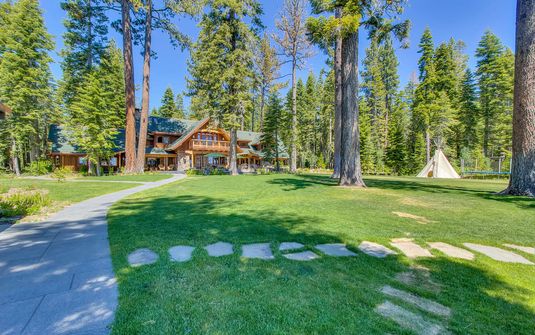
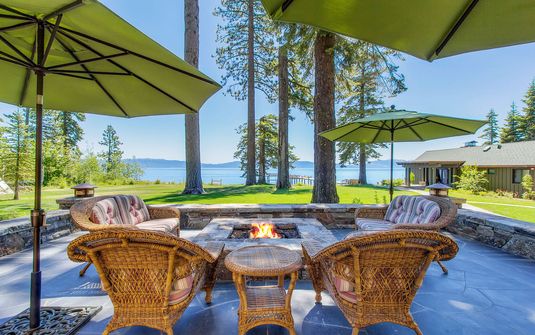
Lake Tahoe introduces a markedly different setting, with a large mountain lake held within forested slopes and the granite forms of the Sierra Nevada. Its residential appeal comes from the contrast between the open water plane and the enclosure of trees close to the house. A substantial mountain home can feel expansive in its principal salon and intimate in its private quarters, using timber, stone and carefully framed openings to give the landscape a comfortable scale. The geography has its own architectural logic. It rewards residences that acknowledge both lake and forest, offering several moods rather than reducing the entire stay to one repeated panoramic outlook.
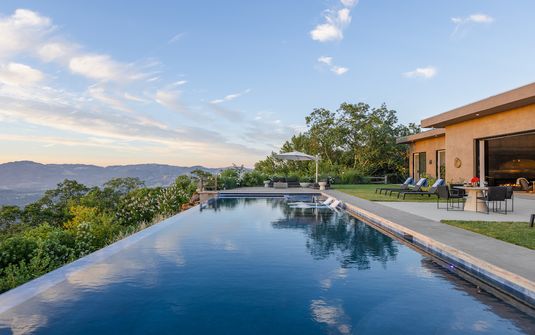
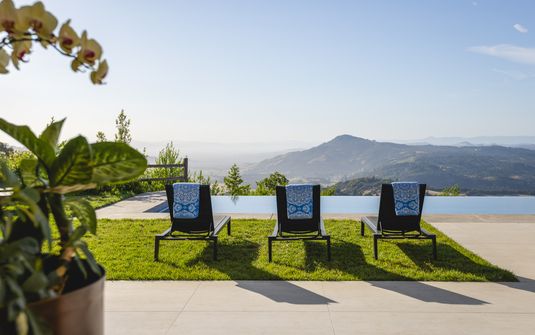
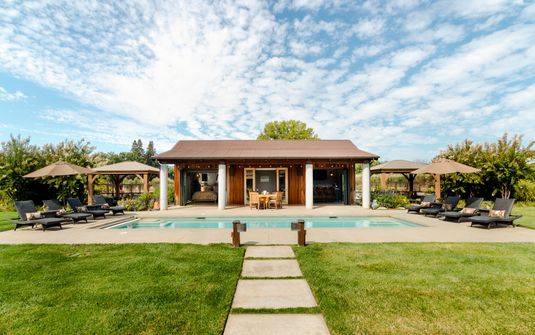
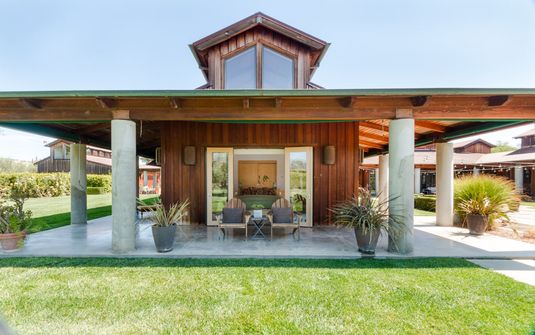
In Napa Valley, the landscape becomes a long composition of valley floor, agricultural patterns and rising hills. The visual order of planted rows provides a distinctive foreground, while oaks and more irregular slopes soften the broader setting. A private estate can respond through low volumes, garden courts and generous shared rooms that remain closely connected to the land. The appeal is spatial and residential, with the house offering a personal way to inhabit a recognizable valley landscape. Material restraint works particularly well here, allowing the setting's geometry and texture to remain expressive while the residence provides comfort, privacy and a coherent internal world of its own.
Four Different Ways to Inhabit the Region
Santa Rosa adds the residential depth of Sonoma County, where an established city sits within a larger landscape of valleys, oaks and agricultural land. A home may draw its character from a planted neighborhood setting or a more open outlook toward the surrounding country. This variety makes the particular residence especially important. The experience is not defined only by a broad regional identity, but by how a house relates to its immediate site. A garden-centered plan, an intimate suite overlooking trees or a generous terrace facing open land can each create a different atmosphere, allowing the destination to feel specific and personal rather than interchangeable with the neighboring valleys.
Together, these settings demonstrate why Northern California is most rewarding when its differences remain clear. A mountain residence needs a different material and spatial response from a coastal house, while a valley estate has another relationship with scale and enclosure. Guests can choose a private home whose atmosphere reflects the landscape they value most, without expecting every destination to offer the same architectural expression. This is a deeper form of variety than a list of amenities. It concerns how the house feels from within: the distance to the horizon, the closeness of trees, the substance of the rooms and the way private spaces are protected within the larger setting.
The region's natural forms also create different kinds of visual depth. Along the coast, the eye may move from a planted foreground to a broad water horizon. In the valleys, rows, trees and hills establish a more layered landward composition. Around the mountain lake, forest and stone bring substantial texture close to the residence before the view opens across the water. Thoughtful architecture makes these distinctions legible. It selects the right scale for each room, allowing a shared salon to hold the broadest outlook while a private suite offers a quieter frame. The landscape becomes part of the home's internal variety rather than a single image repeated everywhere.
Architecture That Belongs to Its Site
Northern California's private residences can draw on several architectural traditions without losing their relationship with place. Timber and stone give mountain rooms substance, while lighter volumes and planted courts may suit a valley or coastal setting. Contemporary houses often express the same principles through simpler lines, precise detailing and a restrained palette. The essential quality is responsiveness to the site. A home feels convincing when its rooflines, openings and exterior rooms acknowledge the land around it, giving the household a clear sense of where it is. Style alone is less persuasive than the relationship between architecture, materials and the particular landscape visible from the rooms.
A generous house also needs a comfortable domestic scale. Broad shared rooms gain intimacy through well-arranged furniture, substantial surfaces and smaller places within the larger composition. A second sitting room or a quieter garden-facing area can offer another atmosphere without fragmenting the property. These spaces are important during a longer stay, when different preferences emerge within the household. The architecture feels generous when it supports those differences naturally, allowing guests to be together or more private without negotiation. A refined residence is therefore defined not only by its size, but by the range of comfortable and clearly connected places it offers within one coherent home.
Materials bring the landscape into closer focus without needing to imitate it literally. The grain of timber, the texture of stone or the quiet depth of plaster can give rooms substance beside a strong view. Selected artwork and crafted furnishings add individuality, while restraint leaves enough space for the architecture to register. This approach works across the region because it respects the difference between a house and its surroundings. The residence has its own identity, yet its palette and proportions allow it to feel grounded in the site. Guests appreciate both the broad landscape and the quality of the interior, with neither reduced to a decorative background for the other.
Private Quarters with a Personal Outlook
Bedrooms can offer a more intimate relationship with the destination than the principal shared rooms. A window toward a tree canopy, a planted court or a selective section of water gives a suite a distinct atmosphere, while generous storage and comfortable furnishings make it complete. The outlook does not need to be identical in every room. Variety can enrich a shared residence when the quality of accommodation remains consistent. Each guest has a thoughtful retreat, allowing the household to enjoy the architectural range of the property without creating a sharp hierarchy between its private spaces. This evenness is an important part of a stay that feels genuinely generous rather than centered on one exceptional principal suite.
Bathrooms extend that private comfort through clear planning, careful lighting and restrained finishes. Stone, timber and softly finished walls can establish continuity with the rest of the house, while a protected opening toward planting gives the room a quieter relationship with the site. Everyday ease matters as much as visual effect. Adequate surfaces and comfortable proportions make the space natural to use repeatedly throughout the stay. These rooms reveal the depth of the residence's design, showing whether the care apparent in the salon and terrace continues into the less visible parts of the home that guests encounter privately and personally.
Privacy itself takes different forms across Northern California. An open estate can create distance through its grounds, while a coastal or neighborhood home may rely more on courts, walls and the orientation of rooms. A hillside residence needs particular attention to neighboring levels, and a garden-centered house can achieve discretion through inward-facing openings. The common quality is thoughtful planning. Guests should be able to occupy private suites and smaller exterior spaces naturally, while the principal rooms remain generous enough for the household to gather comfortably. The architecture resolves the relationship between exposure and retreat, allowing the setting to remain present without requiring every space to be equally open to it.
Gardens and Exterior Rooms with Distinct Roles
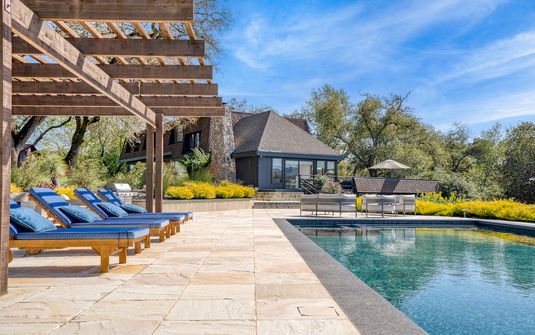
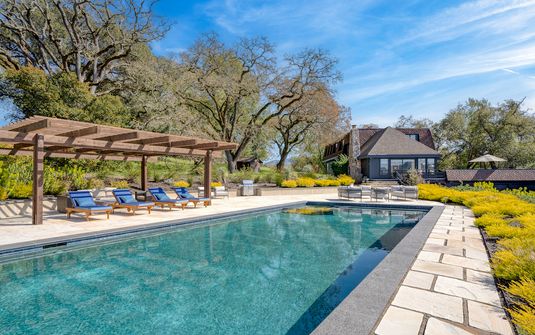
An exterior space feels most complete when it has a clear role within the residence. A broad terrace can be the principal shared room, while a smaller court or garden sitting area provides greater intimacy. Comfortable furniture, a sheltered section and clear circulation give these places everyday substance. Where a pool is included, its setting benefits from the same coherence, with water, paving and planting connected to the house rather than treated as an isolated feature. The result is a property whose exterior has the variety and comfort of its interior, allowing guests to experience the landscape through several thoughtfully defined places rather than one uninterrupted open surface.
Gardens can also give a residence close detail alongside a distant view. A tree beside a passage, a planted boundary near a suite or a quiet court at the entrance introduces a personal scale that makes a large setting feel inhabitable. The strongest landscape design responds to its particular location rather than applying one generic palette across coast, valley and mountains. Its role is architectural as well as visual. Planting connects some spaces, separates others and gives rooms outlooks that feel individual. These relationships make the house deeper and more varied, allowing the household to appreciate its immediate surroundings as much as the region's broader geographical character.
Northern California within the United States
Among the private-home regions of the United States, Northern California stands out for the proximity of very different residential landscapes within one broad destination. Coast, valleys and mountain country each offer a distinct sense of scale and atmosphere, giving guests meaningful choices rather than variations on a single setting. The individual home makes those differences personal. Its orientation, materials and arrangement of rooms determine how the landscape is experienced from within, allowing a stay to feel specific to a particular place. This is the region's enduring residential appeal: a wide geographical range held together by the possibility of inhabiting each setting through a thoughtful and comfortable private house.
A Private Stay with a Specific Sense of Place
Northern California is most memorable when the residence allows its particular landscape to shape the experience. A coastal court, a valley garden or a forest-framed room can each provide a distinct and lasting impression, supported by architecture that makes the setting comfortable to inhabit. LaCure's perspective centers on that complete residential quality. Privacy, material character and everyday ease give substance to the broader view, ensuring that the house remains as engaging as the destination around it. The result is a stay with depth and individuality, grounded in the differences that make Northern California's private-home landscapes so varied and unmistakably specific.


