


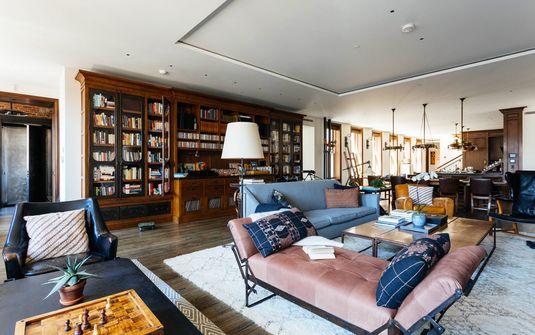
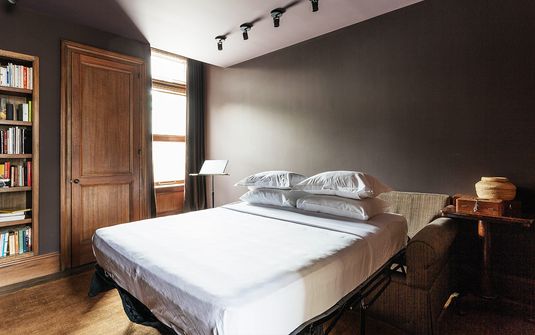


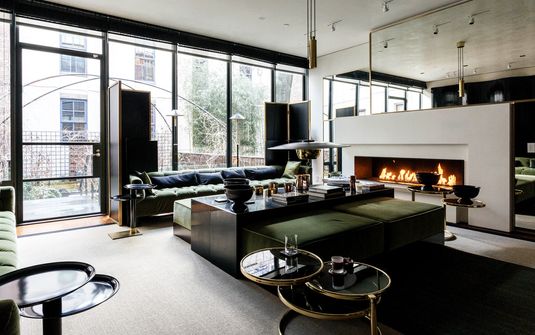
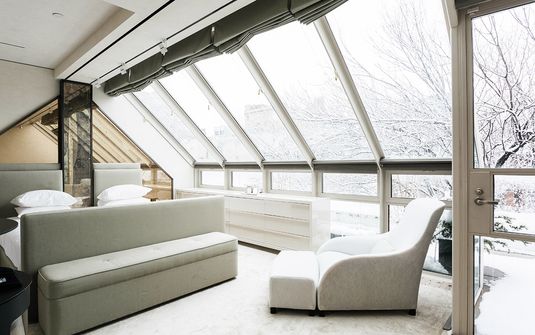
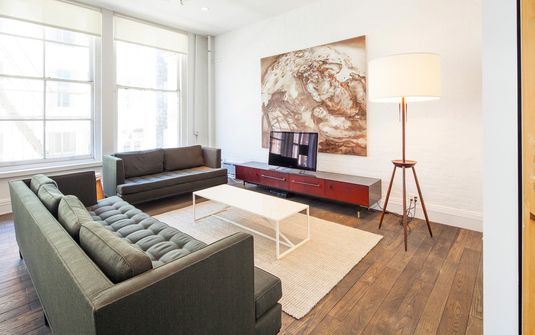
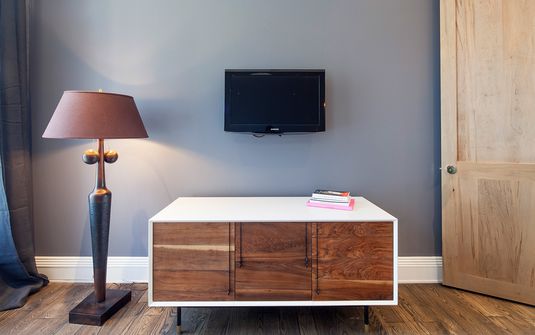
New York City offers a form of private luxury defined by architecture, perspective and the quality of space within an intensely layered urban setting. A residence may sit behind the restrained façade of a townhouse, occupy a carefully composed upper-level interior or draw its character from a building with a strong industrial history. These are different ways of inhabiting the city, each with its own relationship to the street, skyline and neighbouring architecture. The finest stay is not simply an impressive address. It is a private home whose proportions, outlook and internal organisation create a clear and personal atmosphere within the scale of New York.
Within the state of New York, the city contains an extraordinary range of residential settings. Manhattan's varied streetscapes, Brooklyn's established townhouse blocks and waterfront areas with broader horizons all contribute different architectural identities. A general city address cannot convey whether a home will feel vertical and panoramic, enclosed and garden-focused or closely connected to the texture of a particular street. Those distinctions should guide selection. A residence becomes more rewarding when its type and setting match the intended experience, allowing guests to inhabit one specific part of the city rather than a generic version of metropolitan luxury.
A City Experienced Through Its Architecture
The street is an important part of the atmosphere, even when the interior is highly private. The height of neighbouring buildings, the rhythm of façades and the presence of mature trees can give a townhouse setting a distinctly residential scale. A home on such a block may feel connected to an established architectural sequence while maintaining a separate world beyond its entrance. The transition from pavement to interior becomes part of the experience. A well-proportioned threshold, a composed entrance hall and a gradual reveal of the principal rooms can create a strong sense of retreat without requiring the house to be visually detached from the city around it.
An upper-level residence offers a different relationship with New York. The outlook may include a wide skyline, a river corridor or a more intimate composition of rooftops and neighbouring buildings. Height alone does not determine the quality of the view. A carefully framed urban composition can be more distinctive than an indiscriminate panorama, particularly when the room's proportions and orientation make the city feel close and legible. The strongest interiors use the outlook deliberately, giving it a clear place within the architecture rather than allowing glazing to replace every other consideration of comfort, privacy and the individual character of the rooms.
Waterfront settings introduce a broader visual field. The rivers create space within the city, allowing distant buildings and shorelines to be seen as part of a layered composition rather than a continuous wall of façades. A residence with a water outlook may therefore feel more expansive, but the precise relationship remains important. A partial view between buildings, a broad river-facing interior and a property directly associated with the waterfront are different conditions. Accurate distinctions allow the home to be appreciated for its actual setting, ensuring that the atmosphere of the stay is grounded in what the residence genuinely reveals rather than a general claim of a city panorama.
The Townhouse as a Private Urban Home
A townhouse can provide an unusually individual way to inhabit New York. Its vertical sequence creates a series of distinct levels, often allowing shared and private rooms to occupy different parts of the building. The experience may feel more like a complete house than a single expansive apartment, with stairs, landings and changes in proportion contributing to its character. This arrangement should be understood carefully rather than assumed to suit every group. The relationship between principal rooms and bedrooms, the number of levels and the clarity of circulation all shape the stay, making the actual plan more important than the appeal of the townhouse label alone.
Historic details can give such a residence considerable depth. A distinctive staircase, finely worked joinery or a well-proportioned bay window may establish an identity that cannot be reproduced through decorative styling alone. Thoughtful interiors allow those elements to remain visible while creating a comfortable contemporary home. The strongest approach is neither a complete historic reconstruction nor an indiscriminate removal of character. It preserves the building's individual qualities and introduces a restrained layer of furniture and materials, allowing the rooms to feel cultivated and personal. Guests experience a residence with a specific architectural history rather than a generic luxury scheme placed behind an older façade.
A garden or rear-facing room, where part of the actual property, can create a quieter counterpoint to the street. Its atmosphere may be defined by planted boundaries, neighbouring rear façades and the intimacy of an enclosed urban landscape. This is different from the expansive privacy of a country setting, yet it can be deeply appealing. The house holds both sides of the city: a public architectural face and a more inward domestic world. Such spaces should be understood precisely, including their relationship to neighbouring windows and shared boundaries, so that the experience of privacy is based on the actual arrangement rather than on the presence of a garden alone.
Upper-Level Residences and the Skyline
A penthouse or other elevated home can offer a more horizontal experience, with principal rooms arranged around a selected skyline or river outlook. The quality depends on the clarity of the plan as much as the breadth of the view. A large open interior may feel impressive, but smaller rooms and well-separated bedroom areas provide the variety that makes a residence comfortable over time. The most accomplished homes balance visual expansion with places of enclosure, allowing guests to enjoy the city's scale without making every room feel like part of one continuous viewing space. A private residence should remain rewarding when attention turns inward as well as outward.
Terraces, where genuinely present, create another relationship with the skyline. Their success depends on proportion, connection to the interior and the privacy they actually provide. An open upper-level space may have a remarkable outlook while remaining visible from surrounding buildings; a more recessed terrace may offer a quieter atmosphere with a narrower view. Neither should be judged by area alone. The most persuasive exterior space feels like a considered part of the residence, with a clear role in the plan and a coherent relationship to adjacent rooms. It is an architectural extension of the home, not simply an elevated platform added to a list of features.
Loft-influenced residences introduce a different urban language through broad volumes, structural rhythm and a sense of openness within the building. Where original elements are genuinely present, columns, substantial windows or exposed material can give the interior a strong identity. Yet the appeal of an expansive volume should be balanced against the need for clearly defined private areas. A convincing plan creates distinct places within the whole without losing the clarity that makes the space distinctive. The result can feel both generous and intimate, with the building's character supporting a contemporary residential experience rather than being used as a purely decorative industrial theme.
Privacy Within an Intense Urban Setting
Urban privacy is a precise architectural question. The relationship between windows, neighbouring façades and shared building areas can affect the experience as much as the residence's size or height. A broad outlook may coexist with exposed interiors, while a more enclosed view can provide a stronger sense of retreat. The relevant assessment concerns the spaces guests will actually occupy, including bedrooms, principal rooms and any exterior areas. A well-resolved residence uses orientation, room placement and carefully selected openings to manage those conditions. It creates discretion through design rather than depending solely on a celebrated address or the assumption that elevation automatically provides complete seclusion.
The arrangement of shared and private rooms is especially important for a group stay. A residence should provide a generous centre without forcing every guest to occupy the same space throughout the day. A separate sitting room, a quiet study or a more intimate corner can give the interior a richer residential life. Bedroom placement should support independence without making the plan feel fragmented, and circulation should not compromise the privacy of individual rooms. These qualities may be less immediately visible than a skyline view, but they have a substantial effect on the ease of the stay and the sense that the home has been carefully considered as a whole.
Acoustic character also belongs to the experience of an urban residence, although it must be understood through the specific property rather than assumed from location or building type. Open volumes, vertical connections and the relationship between bedrooms and principal rooms can influence how comfortably a group shares the space. The strongest plans provide more than visual separation. They create a clear hierarchy of rooms and allow quieter areas to retain their own atmosphere. In New York, where the surrounding city is inherently dense and layered, that internal clarity can be one of the most valuable expressions of refinement, making the residence feel composed without pretending that it exists outside the urban setting.
Interiors With an Individual Point of View
A refined New York interior often gains distinction through the relationship between architecture and a carefully chosen collection of furnishings. Well-scaled pieces, tactile materials and a measured use of colour can create a cultivated atmosphere without making every surface demand attention. Art and personal objects may add individuality where they belong to the actual home, but the rooms should remain comfortable to inhabit rather than feeling like a formal presentation. The most convincing residence has a clear point of view that is expressed consistently across different spaces, allowing its quieter rooms to feel as resolved as the principal interior and giving the stay a sense of personal character beyond the address.
Material quality is most apparent where surfaces and details meet. Fine joinery, well-proportioned doors and a coherent transition between rooms can create a sense of completeness that remains persuasive over time. A dramatic stone surface or an expansive glazed wall may establish an immediate impression, but the rest of the residence must support that level of attention. The strongest homes avoid relying on one conspicuous feature. They distribute refinement throughout the plan, making practical areas, thresholds and private rooms feel considered rather than secondary. This consistency turns an impressive urban property into a genuinely accomplished private residence with depth at every scale of occupation.
A Distinctive American Metropolitan Stay
Within the United States of America, New York City offers an exceptional range of architectural ways to inhabit a metropolitan setting. A townhouse, an elevated residence and a loft-influenced home can each provide a different relationship with the city, but the strongest examples share a sense of coherence. Their views, proportions and private areas support one clear residential idea. For discerning guests, this is more meaningful than a collection of isolated luxury attributes. The home becomes a specific lens on New York, allowing the character of a street, a building or a skyline composition to remain present while preserving an individual and carefully composed interior world.
Luxury Private Residences in New York City
An exceptional New York City residence balances metropolitan presence with genuine domestic depth. Its setting should be accurately understood, its plan should support both shared time and personal retreat, and its architectural character should extend beyond a memorable view or façade. Whether the home is vertically arranged, broadly panoramic or defined by an individual historic volume, the finest experience comes from consistency. A clear relationship with the city, thoughtful room proportions and well-resolved privacy create a stay that feels cultivated and personal: a private home within New York's immense urban landscape, distinguished by the quality of the space rather than by the address alone.


