




The Luberon: Private Houses Among Valleys and Hilltop Villages
The Luberon offers a broad, layered interpretation of Provence. Hilltop settlements, wooded contours and cultivated valleys create a landscape that is read through several distances at once. A private house may look towards a compact village silhouette, across open agricultural ground or into a more sheltered garden setting. This variety gives the area a strong residential appeal, allowing the stay to be shaped by a precise relationship with the land rather than by one standardized image of a country villa.
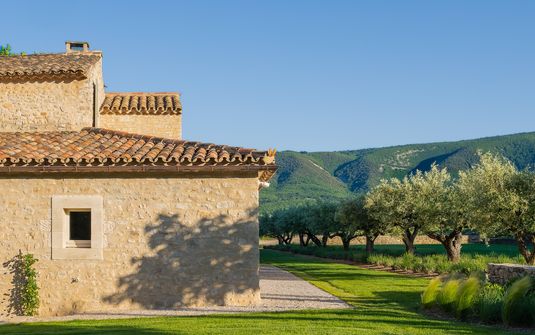
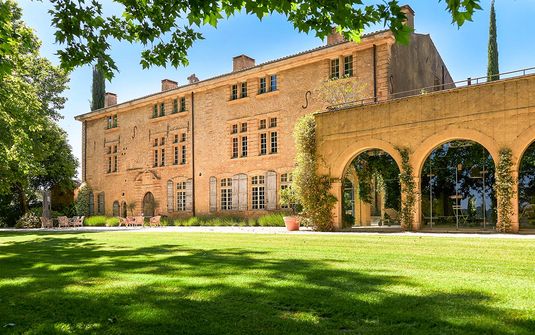
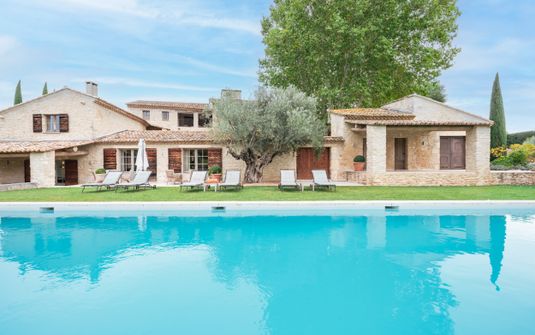
Within southern France, the Luberon is particularly distinctive for the way its buildings belong to the terrain. Stone houses gather along slopes or stand within their own grounds, using walls, terraces and rooflines to negotiate changes in level. The architecture can feel substantial without appearing detached from the landscape. A private residence becomes most persuasive when its rooms and exterior spaces preserve that sense of belonging while providing the independence and comfort of a complete home.
A Landscape Seen in Several Layers
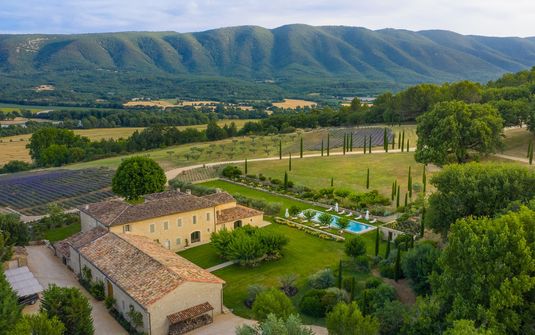
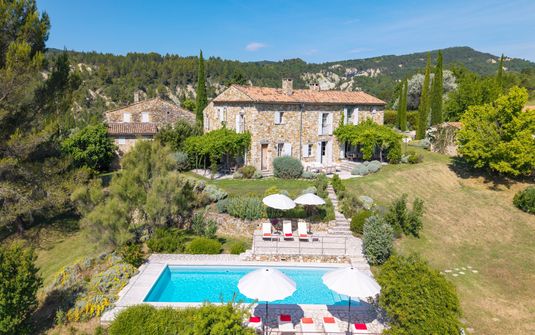
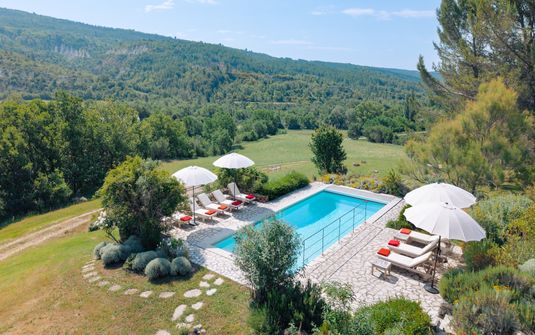
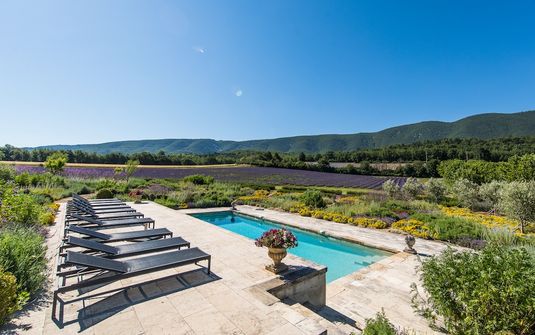
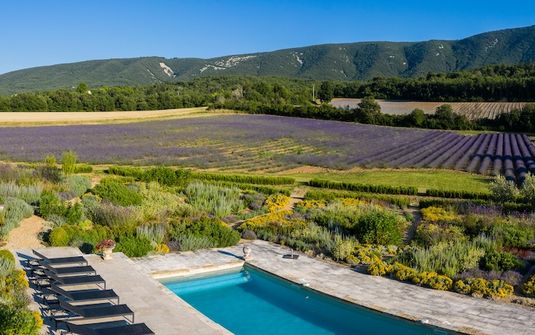
The valley setting often gives the view a generous foreground. Fields, orchards and established trees lead towards more distant villages and ridges, creating depth without requiring the house to occupy an exposed summit. A residence can therefore feel connected to the wider landscape while remaining protected within its grounds. The distinction is important for a private stay: a carefully framed outlook may offer greater intimacy and a stronger domestic atmosphere than the broadest available panorama.
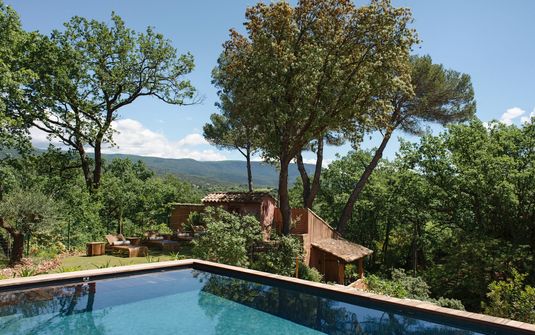
More enclosed locations provide another kind of character. Woodland, stone boundaries and neighboring buildings can bring the scale closer to the individual, allowing a garden or courtyard to become the principal exterior setting. The Luberon accommodates both experiences, and neither should be reduced to a question of view alone. The quality lies in the relationship between the house and its immediate surroundings, including the way different rooms gain their own perspective and degree of privacy.
The Village House and the Detached Estate
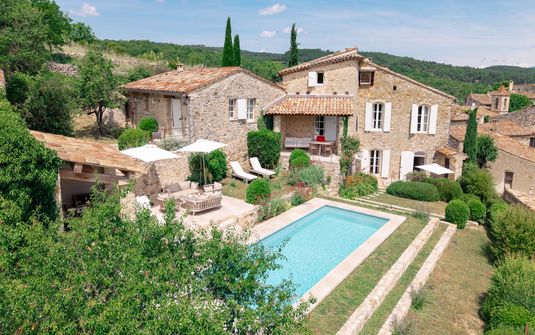
A village residence derives much of its identity from the compact architecture around it. Rooflines, walls and changes in level create an external continuity, while the private interior may reveal more space than the façade suggests. A contained terrace or courtyard can provide a protected exterior world within that setting. Such a property offers a particularly intimate relationship with the built landscape, giving the household a home whose atmosphere is inseparable from the texture of the settlement itself.
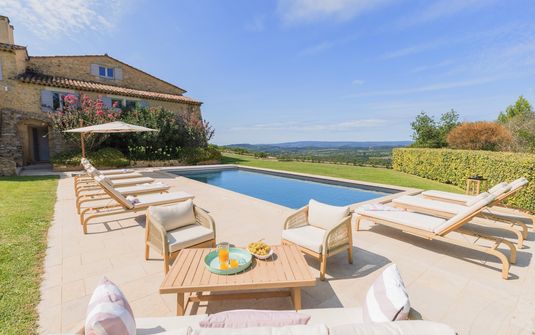
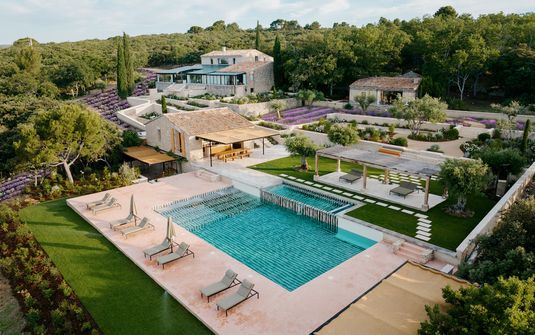
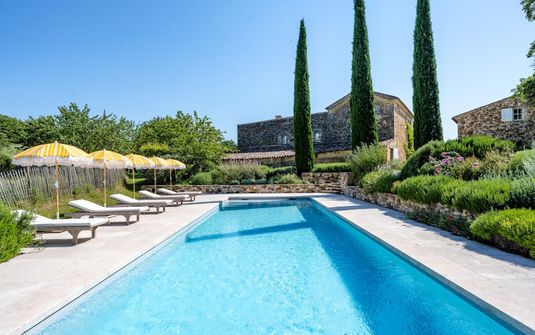
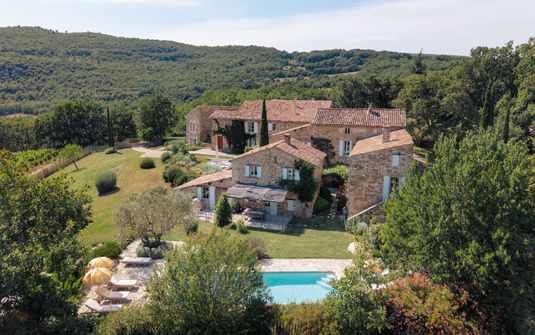
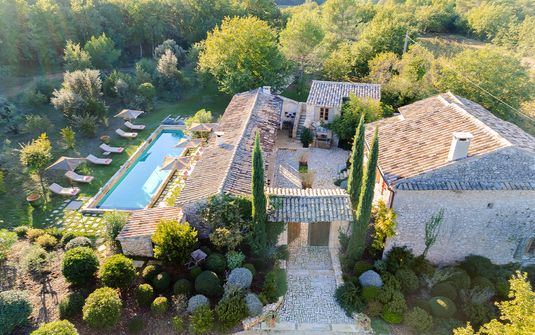
A detached estate introduces a different scale. The approach, ancillary buildings and gardens can create a more expansive sequence, allowing the main house to become the focus of its own land. Mature planting provides structure close to the building, while more open ground connects it to the wider valley. The residence feels most coherent when these areas are considered together, so that privacy, outlook and the quality of the grounds reinforce one another rather than existing as unrelated attributes.
Stone Architecture with a Domestic Interior
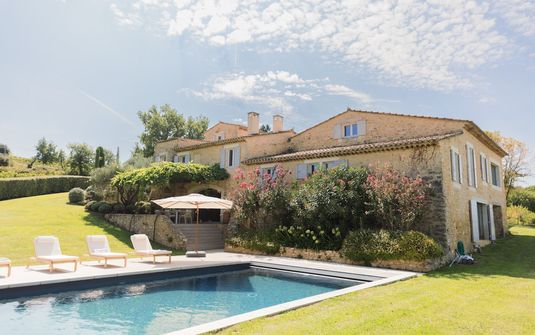
Traditional Luberon houses can possess considerable tactile richness through masonry, deep openings, timber structure and rooms whose proportions reflect the building’s gradual development. These features are most valuable when restoration allows them to remain part of a comfortable home. Contemporary furnishings can bring clarity to the interior without erasing its history. The architecture then provides substance, while the decoration remains personal and restrained enough to support sustained occupation rather than a purely picturesque first impression.
A larger property benefits from a variety of room types. A generous communal lounge may open towards the garden, while a smaller sitting room or a quieter interior beneath an older roof creates a more enclosed atmosphere. Differences in ceiling height, window depth and material finish can give those spaces distinct identities. Preserving that variety makes the residence more livable, allowing several routines to coexist without requiring every member of the household to occupy the same central room.
Gardens That Extend the House
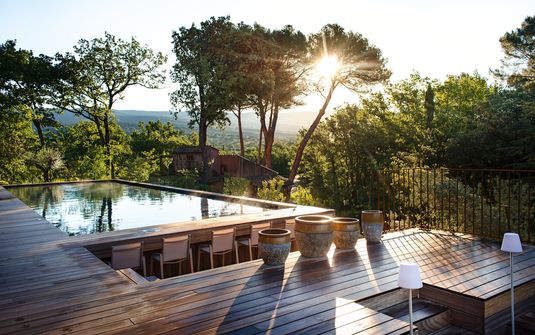
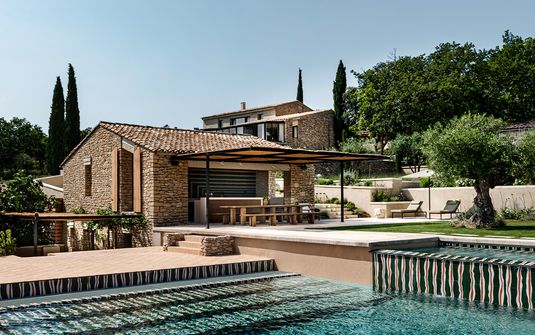
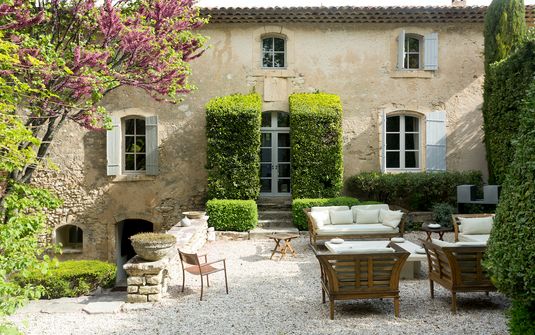
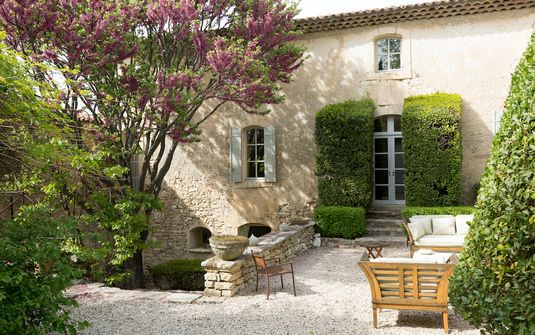
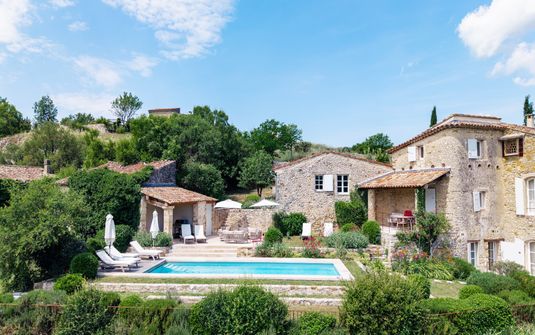
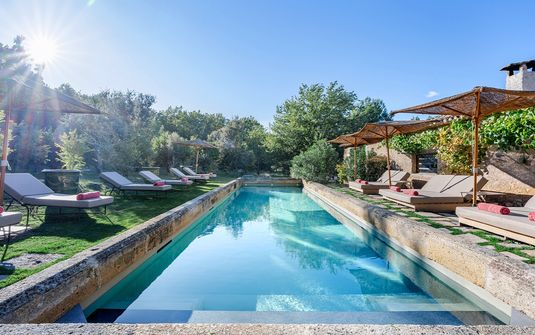
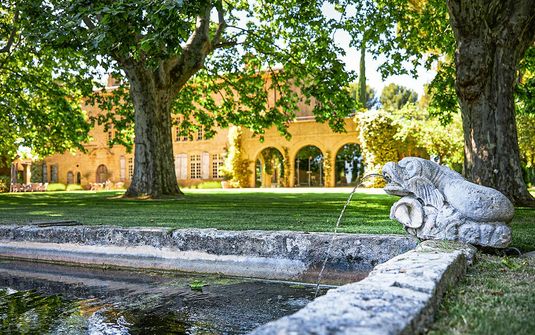
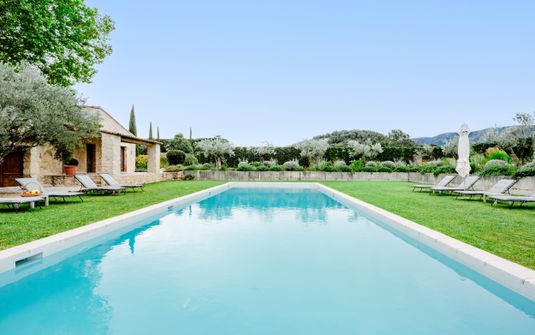
The exterior is most convincing when it offers a sequence of spaces rather than one continuous open area. A protected terrace beside the principal rooms can act as a communal center, while a planted court or a quieter edge of the garden provides another scale. Stonework and mature trees help establish continuity with the landscape. These elements allow the grounds to feel like a natural extension of the residence, with intimacy close to the building and broader views beyond.
Private suites can contribute to the same composition. A bedroom facing an enclosed court offers a different atmosphere from one overlooking the valley, and separate wings may give part of the group greater independence. The appropriate arrangement depends on the household, but the quality of the private accommodation should remain balanced. A residence feels generous when the secondary suites and quieter exterior areas receive the same consideration as its principal reception room and most expansive terrace.
A Country Residence with Individual Character
The Luberon rewards an appreciation of small, specific relationships: the alignment of a window with a distant ridge, the transition from an old stone room to a planted court, or the way a village silhouette appears beyond the grounds. These details give a private stay its identity. The house becomes more than an attractive object in a familiar landscape; it provides a domestic center whose character remains connected to the particular place it occupies.
For a household seeking a refined Provençal setting, the area offers meaningful variety in both architecture and outlook. A village house and a detached estate can each provide exceptional privacy when their plans and exterior spaces are thoughtfully resolved. The lasting appeal is the coherence of the whole residence, bringing stone, garden and valley into balance and allowing an extended stay to feel personal, comfortable and unmistakably rooted in the Luberon.


