




The Avignon Area: Private Estates in an Established Provençal Landscape
The Avignon Area combines the architectural presence of a historic city with a broader landscape of cultivated plains, mature properties and established rural buildings. A private residence in this part of Provence can offer a distinctly country-led experience, even where the wider setting retains a strong relationship with the city. The appeal is a balance of architectural depth and domestic independence, with the house and its grounds providing a settled center for the household.
Within southern France, the surrounding landscape has a particular breadth. Lower contours, agricultural land and lines of mature trees can give an estate a more horizontal composition than the hillier parts of the region. A substantial stone house may become the focus of that setting, while a more enclosed property concentrates its character around courtyards and planted gardens. These alternatives offer different forms of privacy without requiring the residence to feel detached from its wider Provençal context.
The Relationship Between Historic Setting and Rural Residence
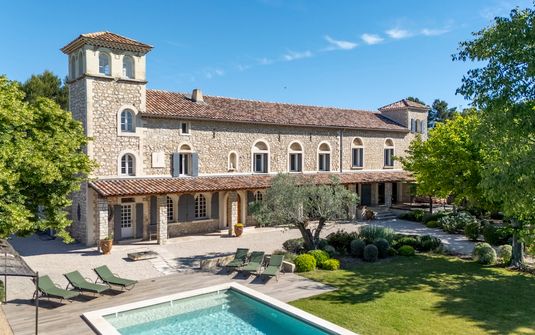
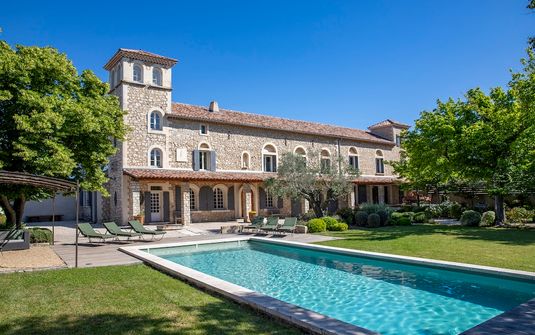
Avignon’s architectural identity gives the collection a strong historical reference, but a private stay does not need to reproduce the formality of a monumental building. The surrounding country houses can offer a quieter kind of substance through masonry, old rooflines and a gradual sequence of domestic rooms. Their character is often found in the continuity between building and land. The residence belongs to an established landscape rather than appearing as a self-contained object designed only around a contemporary image of luxury.
A restored farmhouse may retain the irregular plan of its original structure, with rooms and ancillary buildings gathered around a protected exterior space. A more formal estate can present a clearer façade and a more deliberate relationship with its approach. Both can feel convincing when the restoration respects the building’s identity. The distinction lies in how the house is inhabited: whether its spaces unfold informally or establish a more ordered progression from arrival to shared rooms and private accommodation.
The Plain as a Generous Foreground
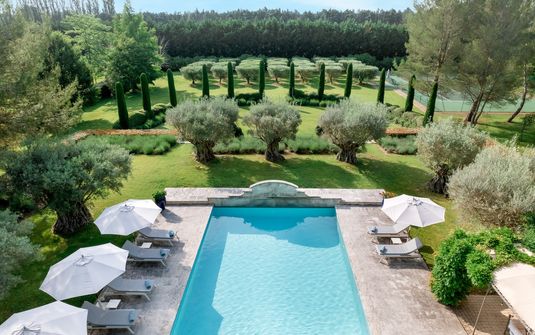
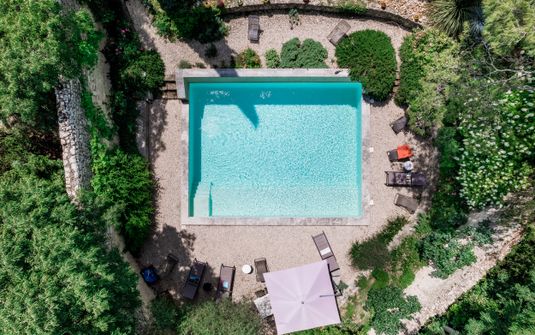
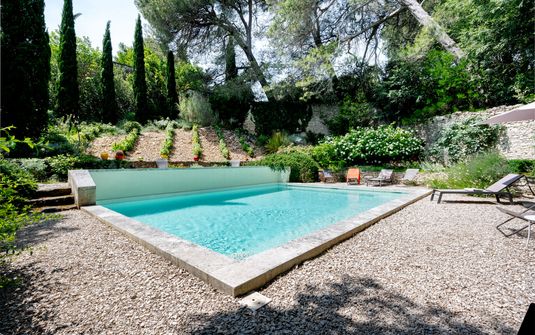
The agricultural setting can give the outlook an unusual clarity. Fields, trees and estate boundaries create long visual lines, allowing the architecture to be read against a broad, relatively open landscape. A garden close to the house supplies the necessary intermediate scale. Its planting, walls and terraces help the residence feel intimate, so that the household remains connected to the surrounding land without experiencing every exterior space as an exposed extension of the plain.
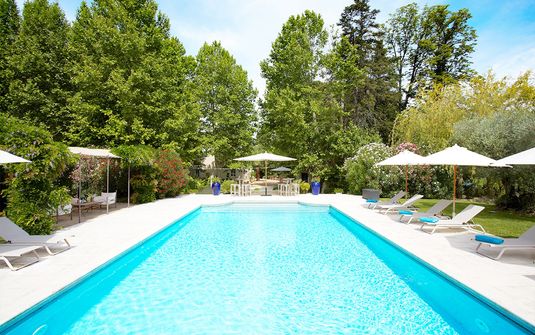
Mature trees can be especially important to that composition. A line of planting may define the approach, while an older canopy beside the main building creates a more sheltered domestic setting. Smaller courts and planted boundaries add further degrees of enclosure. These elements are not simply ornamental. They shape the atmosphere of the principal rooms and exterior spaces, giving the property a range of settings that can remain comfortable and interesting throughout a sustained private stay.
The Interior of a Substantial Country House
Thick stone walls, timber structure and deep openings can give older residences a tactile richness that is difficult to reproduce through decoration alone. Their restoration is most successful when the original character remains legible without becoming an obstacle to present-day comfort. Contemporary furniture and carefully chosen art can bring clarity to such interiors, allowing the architecture to retain its weight while the rooms feel welcoming, personal and appropriate for everyday occupation.
The variety of reception spaces matters as much as their size. A principal lounge can establish the household’s communal center, while a smaller sitting room or quieter garden-facing interior creates another atmosphere nearby. In a large property, this range prevents the residence from feeling dependent on one impressive room. Different members of the group can remain connected to the house while maintaining their own routines, giving an extended stay a more natural domestic rhythm.
Private Areas with a Clear Identity
Suite arrangements can vary substantially between individual estates. Bedrooms within the original house may possess distinctive proportions and outlooks, while a separate wing or guest building introduces another degree of independence. The quality of the stay depends on how these areas relate to the communal rooms and to one another. A balanced residence gives attention to the comfort and privacy of all its suites, rather than allowing one exceptional room to define the impression of the whole property.
The grounds can reinforce that independence by giving private rooms their own protected outlooks. A suite facing an enclosed garden offers a different atmosphere from one overlooking the entrance court or a broad stretch of land. Neighboring sightlines and the placement of access routes should remain part of the assessment. Privacy is most meaningful when it is experienced in the rooms and exterior areas used by the household, not merely suggested by the size of the estate or the appearance of its boundary.
An Independent Provençal Household
The Avignon Area suits guests who want a residence with architectural continuity and enough space to establish a personal rhythm. The house can feel substantial without becoming ceremonial, drawing its distinction from the quality of its rooms, the maturity of its grounds and the landscape beyond them. A private stay allows those elements to become familiar, giving the household a complete environment rather than a succession of attractive but disconnected features.
The most rewarding properties bring the setting into balance at several scales. A broad rural outlook is supported by intimate gardens; a generous reception room is complemented by quieter interiors; and private suites remain comfortably separate from the shared center. In the Avignon Area, that coherence creates a refined country experience grounded in the material character of Provence, with the independence and discretion expected from a distinguished private estate.


