




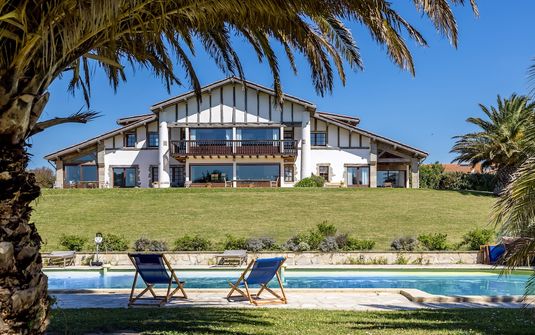
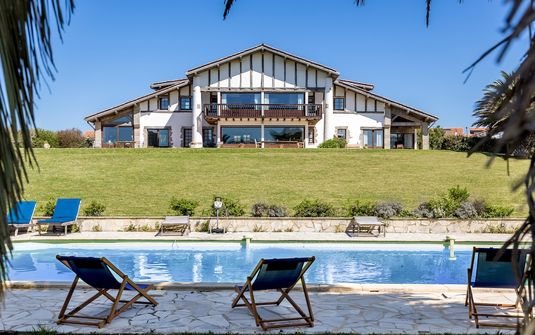
The Atlantic Coast: Private Homes Among Dunes, Pines and Open Horizons
The Atlantic Coast of New Aquitaine offers a residential landscape defined by horizontal scale. Long stretches of shoreline, dune systems and pine woodland create a setting very different from the enclosed bays of Mediterranean France. A private house here can feel closely connected to the breadth of the landscape, with the sky and distant horizon giving even a sheltered garden a sense of openness beyond its boundaries.
The region’s coastal identity does not imply one uniform kind of address. Some homes belong to established seaside neighborhoods, while others sit within more wooded residential settings or occupy a position with a stronger visual relationship to the water. The atmosphere of the stay depends on that immediate context. A villa surrounded by mature pines offers a different kind of intimacy from a more exposed coastal house, even when both are part of the same broad Atlantic landscape.
The Character of an Ocean-Facing Landscape
The coastline’s visual force often comes from the absence of a crowded horizon. Sand, low vegetation and the distant line of water establish a composition in which small changes in level become meaningful. A residence does not need to dominate the site to feel distinguished. Restrained forms, clear rooflines and carefully placed openings can give the house a confident presence while allowing the wider landscape to retain its scale and the foreground to remain legible.
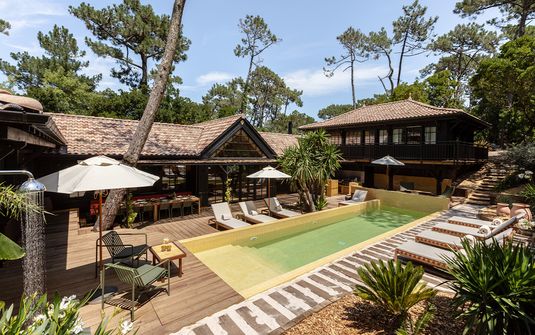
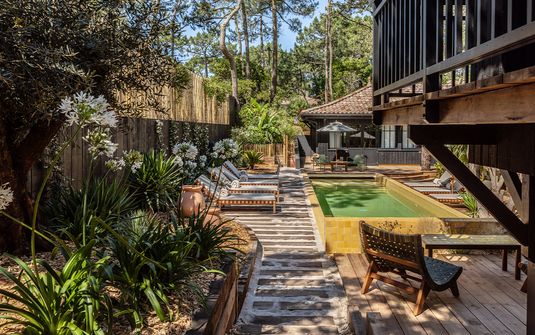
Woodland introduces another register, with trunks and canopies creating a more enclosed environment around the property. A home within this setting may experience the coast indirectly, through the character of the land and the architecture of the neighborhood rather than through an uninterrupted sea view. That relationship can be particularly appealing for a private stay. The house gains a protective foreground and a sense of separation, while the broader coastal identity remains part of the setting.
A House Set Within the Trees
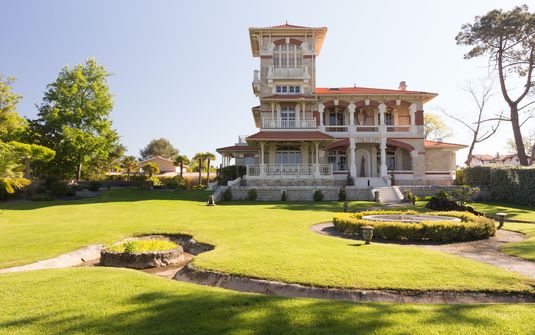
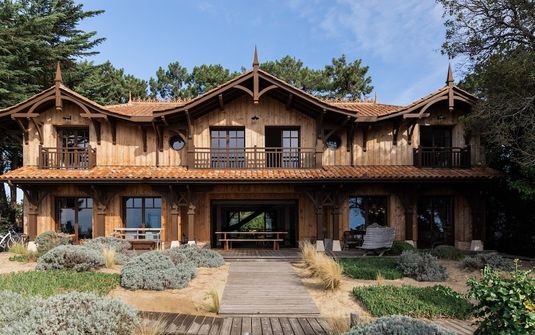
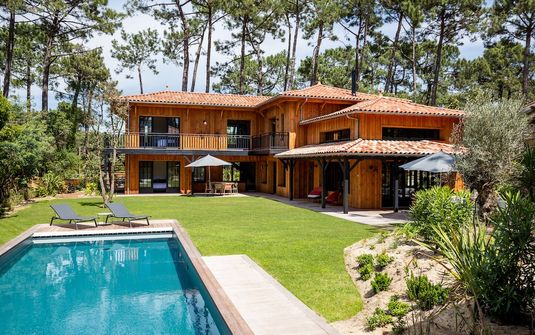
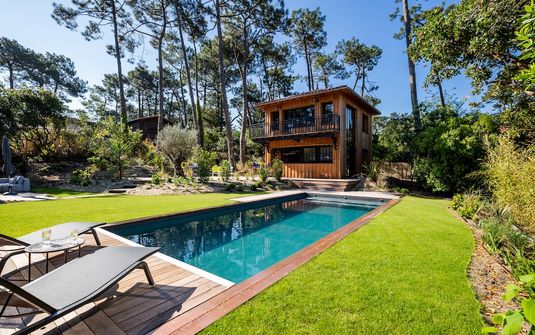
Pine planting can make the grounds feel continuous with the surrounding landscape without requiring them to become informal or unresolved. A defined terrace, a carefully placed lawn and a clear boundary can coexist with a more natural wooded edge. The architecture benefits when those transitions are deliberate. Exterior rooms then feel connected to the house but not detached from the land, allowing the residence to retain both domestic order and a recognizable Atlantic character.
This wooded context also influences the experience of light and privacy. Openings may frame tree trunks at close range before revealing a more distant outlook, while a protected garden can feel separate from neighboring houses even within an established area. The value lies in the exact arrangement, not in the presence of trees alone. Mature planting contributes most when it protects the spaces used by the household and gives different rooms their own relationship with the exterior.
Coastal Architecture Without a Single Formula
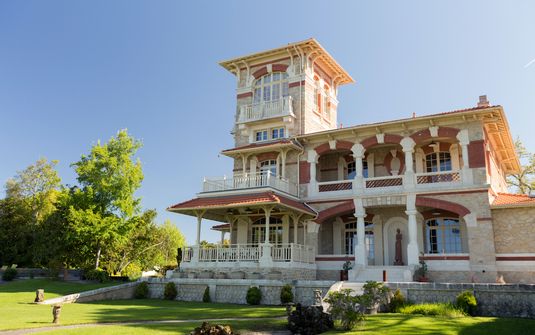
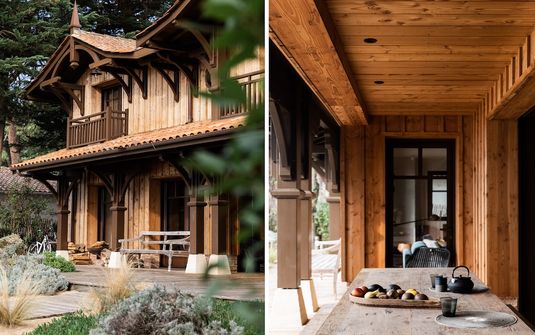
Private residences along the Atlantic Coast can draw on several architectural traditions. Timber elements, painted façades, tiled roofs and more substantial masonry houses all form part of the broader residential landscape. Contemporary villas may interpret these settings through simpler volumes and a more fluid interior plan. A successful home responds to the scale of its neighborhood and plot, rather than importing a coastal aesthetic that could belong equally to any other shoreline.
Inside, a restrained palette can allow the materials and outlooks to carry the atmosphere. Timber joinery, textured fabrics and generously proportioned furniture bring warmth without making the residence feel overly decorative. More traditional houses may retain a sequence of separate rooms, while contemporary properties often create broader communal areas connected to the garden. The distinction should remain meaningful: each arrangement supports a different kind of household life and a different relationship between privacy and shared space.
The Comfort of a Complete Private Address
An extended stay benefits from a house with more than one comfortable center. A principal lounge may open towards the terrace, while a quieter room provides a more enclosed setting elsewhere in the plan. Suites should offer an equally considered sense of independence, whether they are grouped within the main house or distributed across connected wings. These relationships make the residence feel complete, allowing different routines to coexist without requiring the whole household to occupy one continuous open space.
The grounds can support that independence through a range of exterior settings. A broad communal terrace has a different role from a smaller court or a garden edge associated with a private suite. Neighboring sightlines, the position of the entrance and the boundaries of the plot all affect how comfortably these spaces can be used. A thoughtful residence gives privacy a practical form, creating protected areas rather than relying on a generalized impression of coastal seclusion.
A Distinctive Atlantic Rhythm
The particular appeal of this coast is its combination of breadth and shelter. The ocean landscape establishes an open horizon, while woodland, gardens and the house itself provide a more intimate domestic scale. A private residence can bring those conditions together without exaggerating either one. The result is a stay with a clear sense of place, where familiar rooms and exterior spaces remain connected to the larger landscape rather than forming an isolated architectural object.
For guests who prefer a coastal home with substance and individuality, the Atlantic Coast offers a compelling alternative to more densely composed Mediterranean settings. Its strongest addresses are not defined solely by proximity to the water. They derive their character from the relationship between building, trees, garden and horizon, creating an independent residential environment whose comfort and discretion can remain central throughout a longer private stay.


