
When Is the Best Time to Visit Madrid?
The best time to visit Madrid is spring, from April to June, or autumn, from September to October. These months bring warm days, comfortable evenings and a city at its most sociable, ideal for museum mornings, long lunches and late dinners outdoors. Summer is intensely hot and winter is cold, though both have their own quiet appeal.
Madrid is a city that lives outdoors whenever the weather allows. Choosing the right season shapes everything, from how far you'll want to walk to how late you'll want to stay out.
Where Is Madrid, and Why Does Its Climate Matter?
Madrid is the capital of Spain, set near the geographic center of the Iberian Peninsula on a high inland plateau. It's far from the sea, and that inland position explains its climate: hot, dry summers, cold winters and bright skies for much of the year.
Because of the altitude and dry air, temperatures swing noticeably between day and night. A warm spring afternoon can turn cool after sunset, and even in winter, sunny days are common.
Madrid Season by Season
Every season changes the city's rhythm. Here is a quick overview of what to expect:
Spring (April to June): mild to warm days, parks in full bloom and terraces filling up. Mid-May brings the festivities of San Isidro, the city's patron saint.
Summer (July and August): very hot afternoons, often well above 30°C. Life shifts to the early morning and late evening, and in August many residents leave for their own holidays.
Autumn (September and October): warm, golden days and a full cultural calendar as the city returns from summer.
Winter (November to March): cold, crisp days, occasional frost and festive lights through the holidays, ending with the Three Kings parade on January 5.
Spring: The Classic Choice
For most travelers, spring is the best time to visit Madrid. The city's parks turn green, café terraces spill onto the squares, and walking between neighborhoods is a pleasure rather than an effort.
May is especially lively. The San Isidro festivities fill the city with traditional music, dancing and local pride, and the long evenings make dinner outside an easy habit.
Summer: Hot, Quieter, and Full of Late Nights
July and August are Madrid's hottest months. Afternoons can be fierce, so the best plan is to sightsee early, retreat indoors through the heat of the day, and head out again after sunset.
August has a character of its own. Many locals leave for the coast, so some family-run places close and the city feels unusually calm. If you don't mind the heat, it can be a peaceful time to explore.
Autumn: Our Favorite Season
September and October are, for many, the best balance. The heat eases, the light softens, and the city's cultural life returns at full pace after the summer break.
It's also an excellent season for day trips. Historic cities such as Toledo, Segovia and Ávila are within easy reach of Madrid, and the mild weather makes exploring their old towns comfortable.
Winter: Bright, Cold and Festive
Winter in Madrid is cold but rarely gloomy. Clear skies and low sun make the city's grand avenues glow, and the holiday season brings lights, markets and a festive mood.
New Year's Eve in the Puerta del Sol is a famous tradition, with crowds eating twelve grapes as the clock strikes midnight. Early January ends the season with the Three Kings celebrations, a highlight for families.
What to Do in Madrid in Any Season
Madrid's greatest strengths are indoors as well as out, which is why it works year-round. These are the experiences we suggest building a stay around:
The art museums. The Prado, the Thyssen-Bornemisza and the Reina Sofía sit close together along the Paseo del Prado, and together they cover centuries of European art.
Retiro Park. This vast park, with its lake, gardens and shaded paths, is part of a UNESCO World Heritage Site with the Paseo del Prado.
The Royal Palace. The official residence of the Spanish royal family, used today for state ceremonies, is open to visitors.
Madrid's dining culture. Lunch is the main meal, often starting around 2 p.m., and dinner rarely begins before 9 p.m. Tapas, markets and long sobremesa conversations are part of the experience.
Where to Stay in Madrid
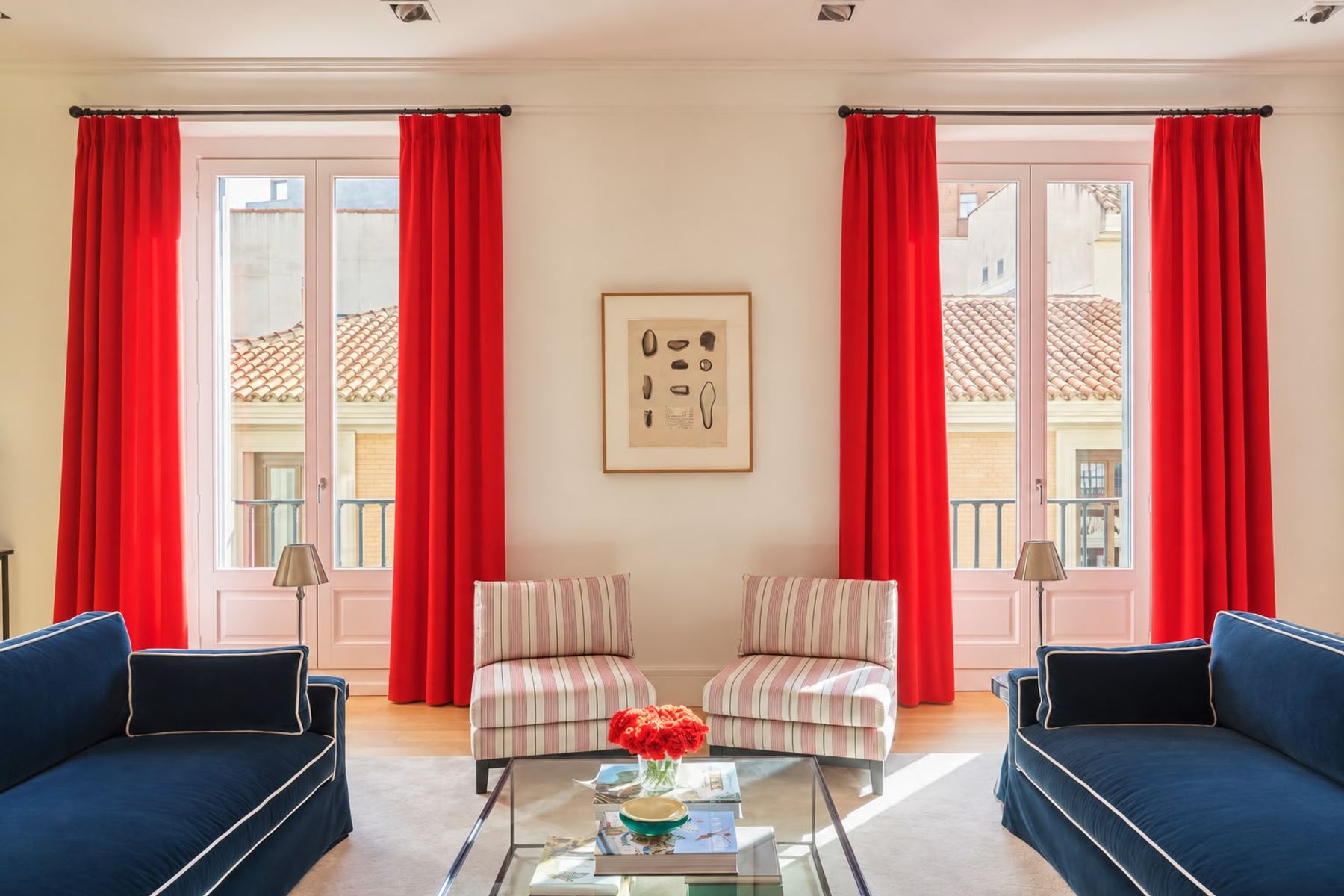
A private residence changes how the city feels. Instead of a hotel room, you have a home base with space to rest between museum visits and long dinners.
Our Madrid home is Las Cortes, an apartment in a distinguished early 1900s building on a quiet, low-traffic street in the Cortes neighborhood. Inside, ceilings rise to three meters and large windows with balconies bring in natural light. A spacious living room and a separate TV room are furnished with a curated collection of Spanish artwork, and the kitchen is fully equipped.
Las Cortes is practical in every season. Radiant floor heating and cooling keep it comfortable through hot summers and cold winters, and the listing notes a daily cleaning service. According to our listing, the Prado is 1.2 km away, Puerta del Sol 3 km, and the Royal Palace 3.3 km, while Madrid–Barajas Airport is 14.4 km away.
Pairing Madrid With the Rest of Spain
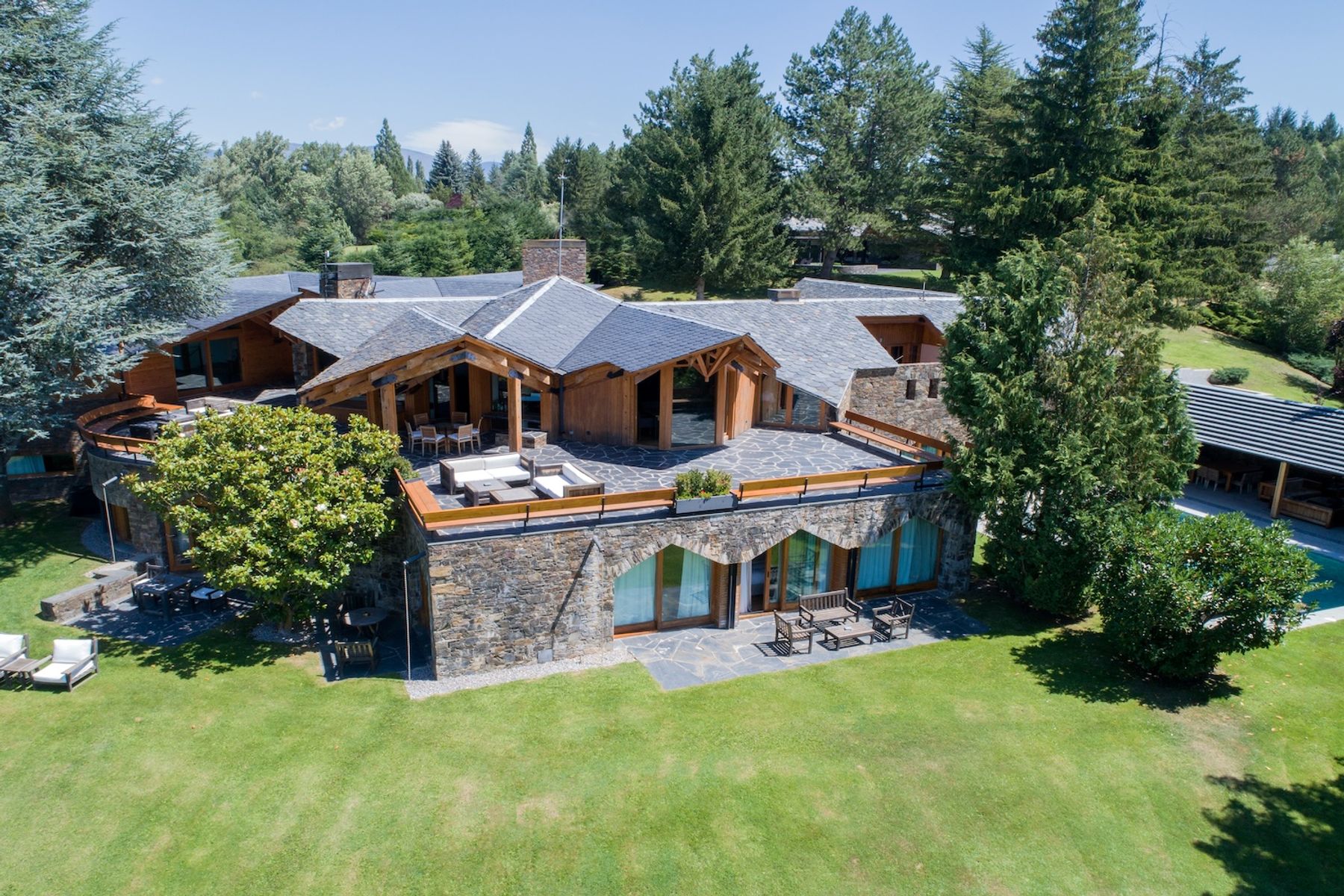
Many guests combine a few days in the capital with time somewhere slower. Madrid has excellent air and rail connections to the rest of the country, so extending your trip is easy.
For mountain air, our Cerdanya Retreat sits in the Catalan Pyrenees, far to the northeast in Catalonia. According to our listing, it's around one hour and twenty minutes by car from Barcelona, with a private pool, gardens and mountain views, and services from a daily housekeeper, a butler and an estate manager.
For the Mediterranean, Terracotta House is a traditional stone house in the village of Deià on Mallorca, between the Serra de Tramuntana and the sea. It has a pool, a covered terrace for dining outdoors and elevated views over the village and valley. Hiking trails begin directly from the property, according to our listing.
Frequently Asked Questions
What is the best month to visit Madrid?
May and October are often the most pleasant months to visit Madrid. Both offer warm days, cooler evenings and a busy cultural calendar. May also brings the San Isidro festivities.
Is Madrid too hot in summer?
July and August can be very hot, with afternoon temperatures often well above 30°C. Plan sightseeing for mornings and evenings, and rest indoors in the afternoon. A home with good climate control, like Las Cortes with its radiant floor cooling, makes the heat much easier to manage.
How many days should you spend in Madrid?
Three to four days covers the main museums, Retiro Park, the Royal Palace and a day trip to Toledo or Segovia. Longer stays let you settle into the city's late-night rhythm.
Is Madrid worth visiting in winter?
Yes. Winter days are cold but often sunny, the museums are calmer, and the holiday season brings lights and festive traditions. It's a good choice for travelers focused on art and dining.
Madrid, in Its Best Light
There's no wrong season for Madrid, but spring and autumn show the city at its most generous. Whenever you go, the best time to visit Madrid is the one that matches your pace, whether that's long evenings on a terrace or quiet winter mornings in the museums. Our team has been planning luxury stays since 1979, and every home we offer is personally inspected before it joins our collection. When you're ready, explore our home in Madrid and we'll help you plan the rest of your Spanish journey.

Our Destinations


