
When Is the Best Time to Visit Hawaii?
The best time to visit Hawaii is whenever your reason for going is in season. The islands are warm all year, so the real choice isn't between good and bad weather. It's between winter, with its whales and big north-shore surf, and the longer, drier days of summer, plus the quieter weeks that sit between the school holidays.
That's good news for anyone planning around a family calendar. It also means the question deserves a more careful answer than "go in spring." Rainfall, surf, crowds and even the side of the island you stay on all change the picture, and getting them right is what turns a pleasant week in Hawaii into one you'll want to repeat.
Below, we walk through Hawaii's two seasons, what each month range is like, how the weather varies across a single island, and where our Hawaii villas sit so you can match the timing to the right home.
The Short Answer: Hawaii Has Two Seasons, Not Four
Hawaii doesn't have a classic spring, summer, autumn and winter. Hawaiians traditionally recognized two seasons, and the pattern still holds:
Kau, the warm season (roughly May to October). Drier on most coasts, with steady trade winds and longer days.
Hoʻoilo, the cooler season (roughly November to April). More rain, especially on windward coasts, larger swells on north-facing shores and slightly cooler evenings.
The difference between the two is modest by mainland standards. Coastal days stay warm in winter, and summer heat is softened by the trade winds that blow in from the northeast for much of the year. What changes more noticeably is rainfall, surf and how busy the islands feel.
What Each Part of the Year Is Like
December to March: Whales, Holidays and Winter Swell
Winter is the season many returning visitors prefer, and it's easy to see why. Humpback whales spend the winter months in Hawaiian waters, roughly December through April, and seeing them from the shore or a boat is one of the quiet thrills of a Hawaii trip.
This is also when north-facing shores receive the large winter swells that surfers travel for. It makes for dramatic watching. Windward coasts see more rain in these months, while leeward coasts on the south and west of each island tend to stay drier.
The Christmas and New Year holidays are peak weeks in Hawaii. If you want a villa over the holidays, plan well ahead.
April and May: The Spring Shoulder
Once spring break is over, April and May tend to be calmer. Rainfall eases as the warm season begins, the winter swell fades and the islands settle into a gentler rhythm. For couples and families without school-age children, these weeks are often a sweet spot for space and availability.
June to August: Summer Holidays
Summer brings the driest weather to many leeward coasts and generally calmer water on north-facing shores, as the bigger swells shift to south-facing coasts. School holidays make these months popular with families, and multi-generational groups often book this window a long way out.
The Central Pacific hurricane season officially runs from June 1 to November 30. It's worth knowing the dates when you plan and when you think about travel insurance.
September to November: The Autumn Shoulder
September and October tend to be quieter once school is back. The weather is still warm, and the season is a good fit for travelers who want summer conditions without summer school holidays. By November, the wetter season starts to return to windward coasts, and the build-up to the holidays begins.
Why the Side of the Island Matters as Much as the Month
Here's what many first-time visitors don't realize. On any Hawaiian island, the coast you stay on can shape your weather more than the calendar does.
The trade winds carry moisture in from the northeast. As that air rises over the mountains, it drops much of its rain on the windward side. The leeward side, sheltered behind the peaks, is noticeably drier and sunnier.
That's why a sunny, dry base and a green, rain-fed one can sit on the same island. On the Big Island, the Kohala and Kona coasts in the west are on the leeward side, while Hilo on the east coast is on the windward side and much greener. On Maui, the south shore around Wailea sits in the lee of Haleakalā.
Elevation counts too. The summits of Mauna Kea on the Big Island and Haleakalā on Maui are cold at night all year, and Mauna Kea can see snow in winter. If you plan a summit visit for stargazing or sunrise, pack real warm layers whatever the month.
Which Island Should You Choose?
Each of the main islands has its own character, and travel between them is by air rather than a quick hop. For most trips, we suggest choosing one island as your base and getting to know it properly.
The Big Island
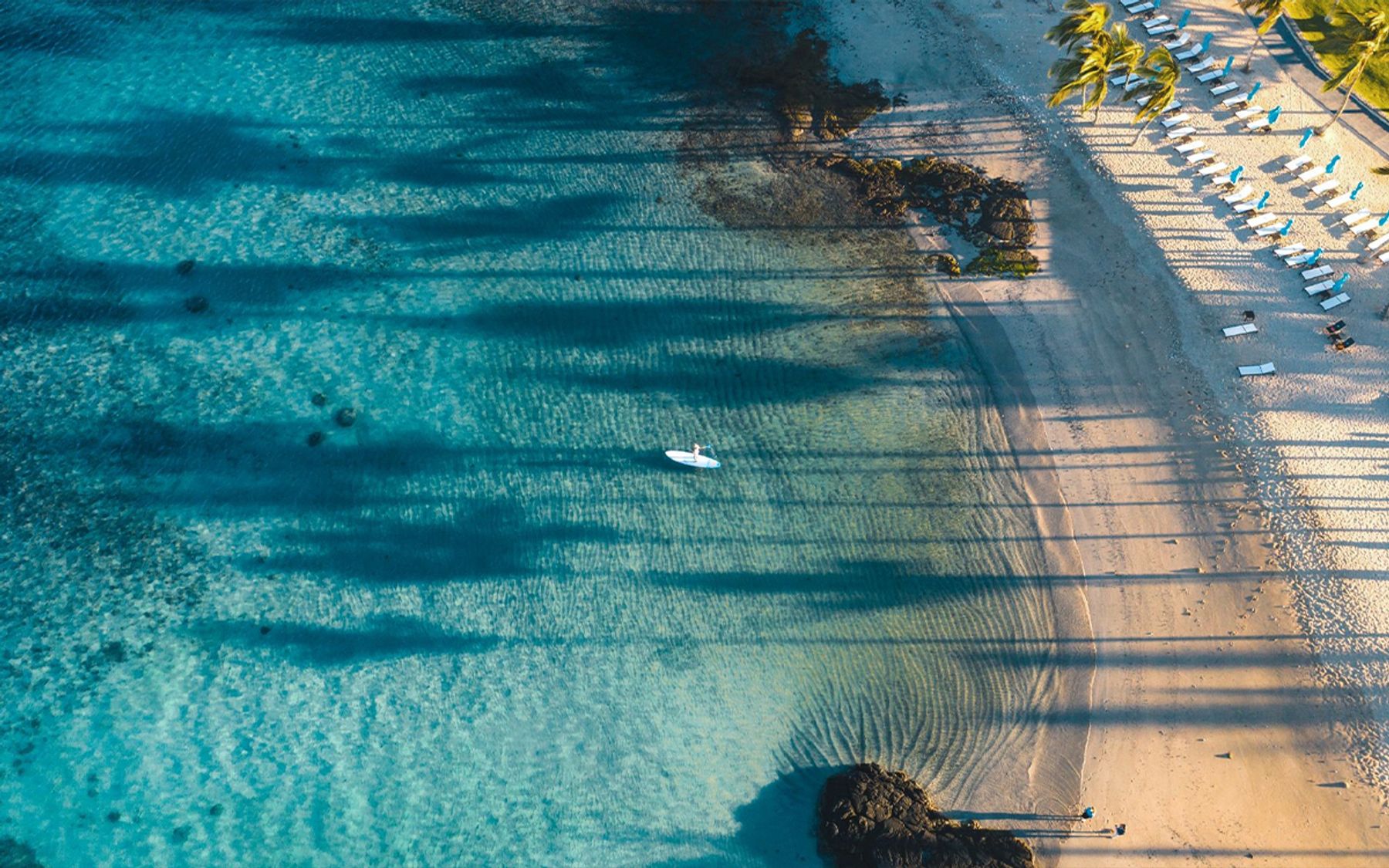
Hawaii Island, usually called the Big Island, is built from five volcanoes and covers a remarkable range of landscapes, from black lava fields to cattle country and green valleys. Most of our Hawaii villas are here, on the dry, sunny Kohala Coast on the island's northwest side. Hawaiʻi Volcanoes National Park, the Mauna Kea summit and Waipiʻo Valley all make memorable days out.
Maui
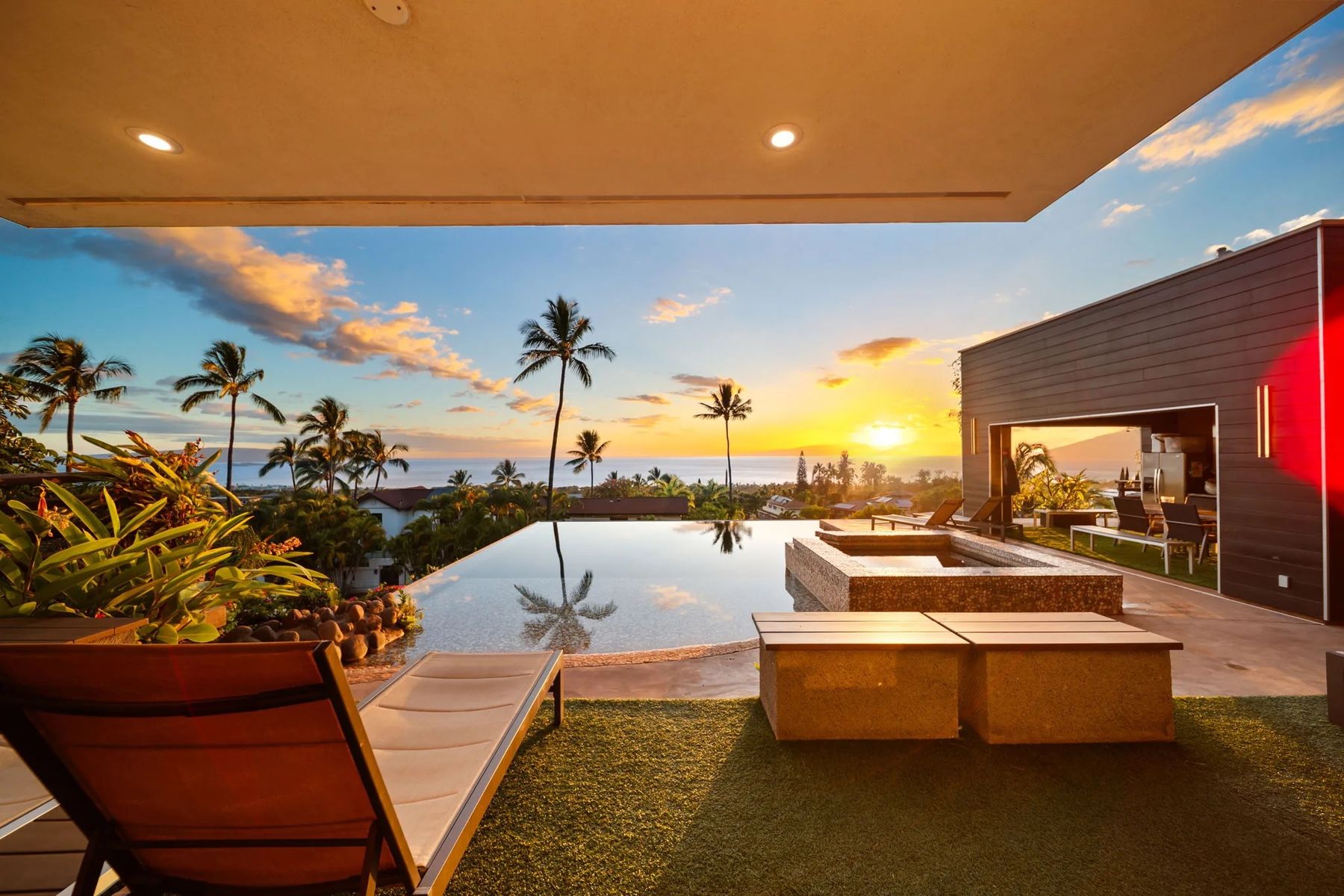
Maui pairs a polished south shore with the upcountry slopes of Haleakalā and the road to Hāna on its eastern coast. It's a natural fit for travelers who want beaches, dining and wellness close at hand, with the mountain as a backdrop. We list one home on Maui.
Kauai and Oahu
Kauai, known as the Garden Isle, is all green ridges, river valleys and the sea cliffs of the Nā Pali Coast. Oahu is home to Honolulu, the state capital, and the famous winter surf of its North Shore. We don't list villas on Kauai or Oahu at the moment, so a villa stay with us means the Big Island or Maui.
Our Hawaii Villas and the Seasons They Suit
A private home changes how you experience any season in Hawaii. In winter, it gives you a quiet base for whale-watching mornings and early dinners at home. In summer, it gives a family the space to spread out between the pool, the beach and a shaded lanai without competing for loungers.
Every home in our collection is personally inspected before it joins, and every stay includes a pre-arrival check, which matters most in the busy weeks when you can't afford surprises. These are the Hawaii villas we'd point you to first.
On the Big Island
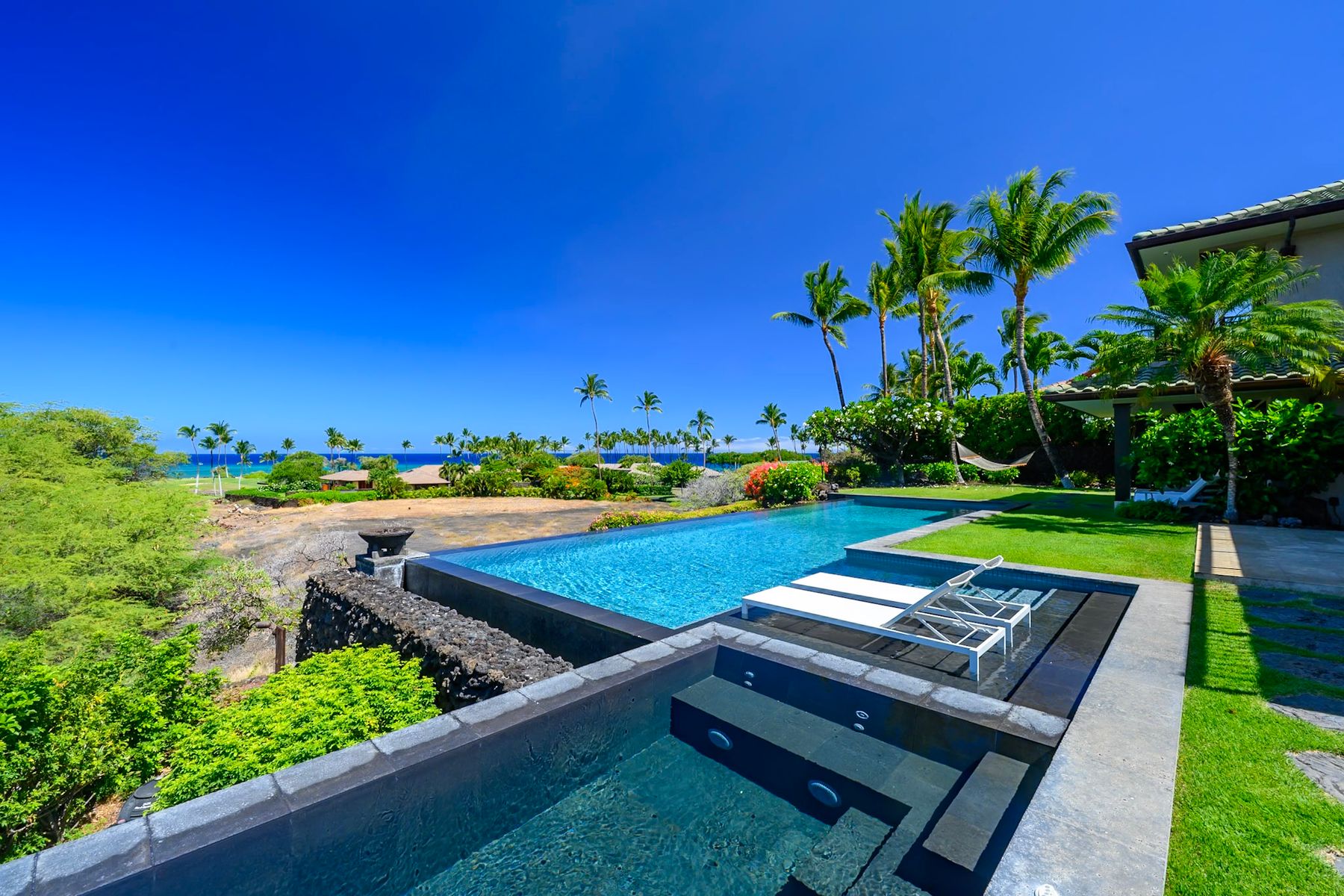
On the Big Island, a family that wants beach days and a home built for outdoor living will find both at Artevilla, which sits just above the shoreline in an enclave on the Kohala Coast. It's designed around expansive lanais and an infinity pool with a shallow lounging shelf, and its great room opens fully to the outdoors. The home runs mainly on solar power. Guests have access to a private beach club a short walk away, set beside a calm lagoon, and our listing puts Kona International Airport 22.3 miles away.
For a larger group or a multi-generational stay, Blue Lagoon is in a gated golf community, also on the Big Island. Its pool deck looks over the fairways to the ocean and the volcanic summits beyond, and its pool has a waterfall, a diving rock and an elevated spa. Wide accordion doors open the great room onto a poolside patio with a cocktail bar and barbecue, and there's a home theater for evenings in. Access to a beach club is included in the stay, and a private chef is available on request.
On Maui
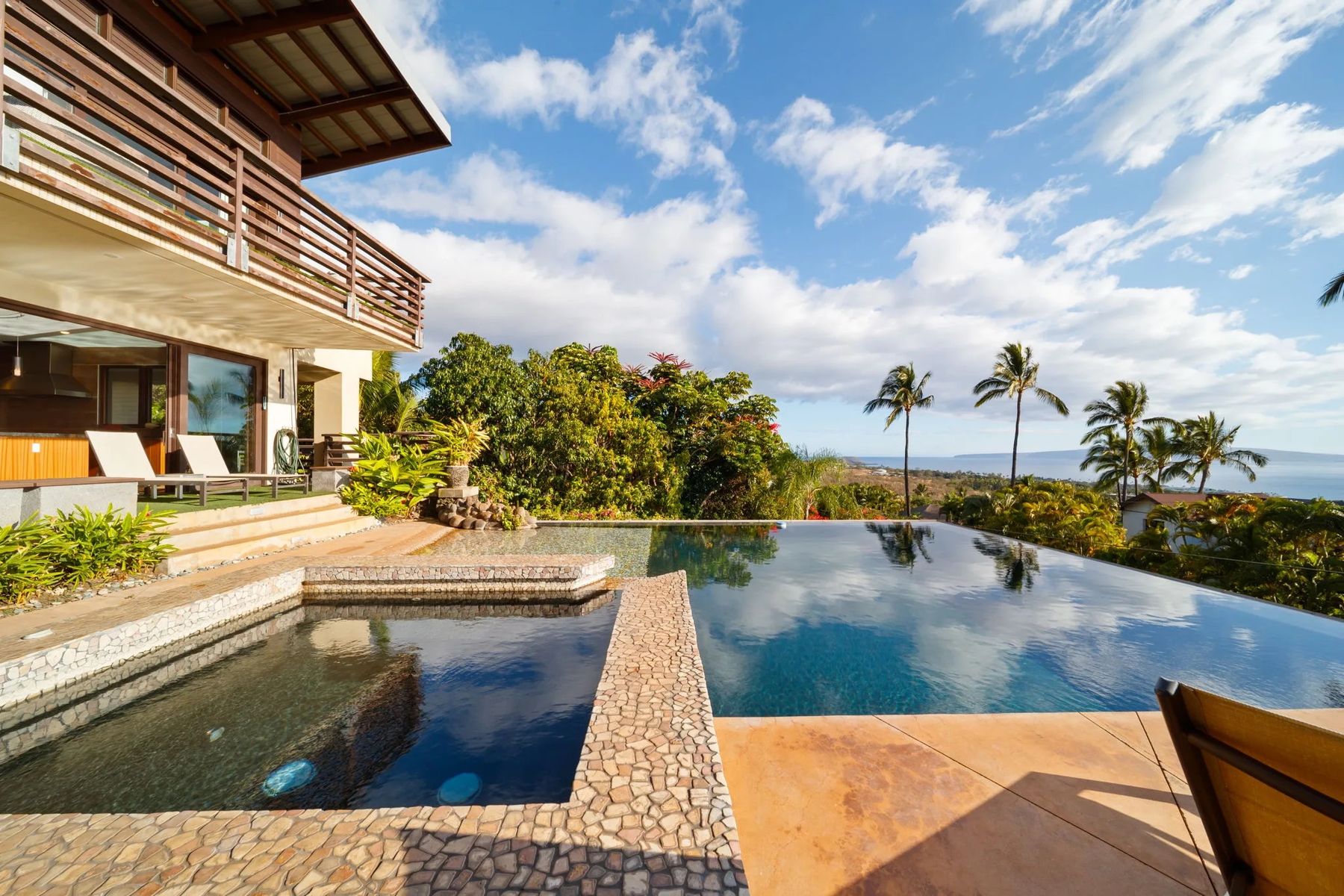
If Maui is your island, Wailea Hideaway gives you ocean and mountain views from a saltwater infinity pool. Wellness is part of the design, with a hot tub, a cedar barrel sauna and a cold plunge, and an outdoor kitchen and shaded dining area make long lunches easy. Lava rock columns in the kitchen tie the interior to the island. According to our listing, Wailea Beach is 2.4 miles away and Kahului Airport 16.3 miles.
Both Big Island homes come with concierge support, and Wailea Hideaway lists both concierge and housekeeper services. Our team can arrange the rest, from boat trips in whale season to a summit outing with the right gear.
Which Season Suits Your Kind of Trip?
The right timing depends as much on who's traveling as on the weather. Here's how we usually match the season to the group.
Families with school-age children: Summer and the winter holidays are the natural windows. A villa gives everyone room to settle in, and the pool becomes the center of the day when the beach has had enough.
Couples: The shoulder months of April, May, September and October bring warm weather, a slower pace and more choice of homes.
Multi-generational groups: Plan around fixed dates such as school terms, then book early. Larger homes with separate wings or suites set apart from the main living space tend to book up first.
Nature lovers: Winter is for whales and big-wave watching. Summer brings long, dry days outdoors on the leeward coasts.
Stargazers: Mauna Kea's summit is a draw in any season, but bring warm clothing, because it's cold up there even when the coast is hot.
There's no wrong answer. Start with what matters most to your group, and let that decide the month.
How Far Ahead Should You Book?
Timing your booking matters almost as much as timing your trip. A few guidelines we share with clients:
Holiday weeks: For Christmas, New Year and spring break, start planning many months ahead. The homes best suited to groups are usually the first to go.
Summer school holidays: Families should plan early, especially for larger homes with space for several generations.
Shoulder months: April, May, September and October usually allow more flexibility, though popular homes still book up.
Whale season: If whales are the reason for the trip, aim for January to March and book your villa before arranging boat days.
Planning Tips for Any Month
A few practical points make a Hawaii trip run more smoothly in any season.
Fly into the right airport. On the Big Island, Kona International Airport serves the west coast, where Artevilla sits. On Maui, use Kahului Airport.
Hire a car. The islands reward exploring, and distances on the Big Island in particular are larger than many visitors expect. Our Artevilla listing puts Hawaiʻi Volcanoes National Park around 96 miles away.
Respect the ocean. Surf conditions vary by coast and season, so follow local guidance and posted signs before swimming.
Pack for elevation. Light clothes suit the coast, but bring warm layers for summit visits and cool upcountry evenings.
Frequently Asked Questions
What is the best month to visit Hawaii?
There isn't a single best month. For whales, January to March is a good window. For drier weather and calmer north-shore water, choose the summer months, and for quieter weeks, look at April, May, September or October.
When is the rainy season in Hawaii?
The wetter season runs roughly from November to April. Most of the rain falls on windward coasts on the north and east of each island, while leeward coasts such as the Big Island's Kohala Coast tend to stay drier.
Can you visit two Hawaiian islands on one trip?
Yes, but travel between islands is by air, so it takes real time out of a week. For most stays, we suggest one island and one villa, with a second island reserved for a longer trip.
Where are your Hawaii villas?
Our Hawaii villas are on the Big Island and on Maui. Homes such as Artevilla and Blue Lagoon are on the Big Island, and Wailea Hideaway is on Maui.
Choosing Your Season, and Your Home
The best time to visit Hawaii is the season that matches the trip you have in mind. Winter is for whales and big surf, summer is for long dry days and family holidays, and the shoulder months are for space and a slower pace. Wherever you land, the leeward coasts keep the sunshine more reliable.
Since 1979, when two brothers founded our company in Jamaica, we've built our collection around one idea, your private hotel, and our Hawaii villas reflect it. Explore our homes across Hawaii, compare them with others in our wider United States collection, and when you've chosen your season, we'll help you choose the house.

Our Destinations


