
Everything You Need to Know Before Visiting Asturias
Visiting Asturias is a different kind of Spanish journey. This is the green north: a region of mountains, meadows and a long Atlantic coastline, with mild summers, a strong food culture and far fewer crowds than the Mediterranean coast. It rewards travelers who want landscape, history and space rather than a beach scene.
The appeal of Asturias is easy to underestimate from afar. Spain's sunny image comes from the south and the islands, so many visitors arrive expecting less. They leave talking about the light on the hills, the cider poured from shoulder height and the sense of having found a corner of Europe that still feels like itself.
Where Is Asturias?
Asturias sits on the northern coast of Spain, facing the Bay of Biscay. Cantabria lies to the east, Galicia to the west and Castile and León to the south, across the high ridge of the Cantabrian Mountains.
It's a compact region in Spanish terms, but not a quick one to cross. The mountains run close to the sea, so roads follow valleys and coastlines rather than straight lines. Oviedo is the regional capital, while Gijón and Avilés are the main cities on the coast.
The region's western edge is the Eo estuary, a wide tidal inlet that marks the border with Galicia. That's where our own Asturian home sits, a long way from the central cities but close to some of the coast's quieter stretches.
What to Know Before Visiting Asturias
A few points make the difference between a good first trip and a frustrating one. These are the ones we share with guests:
The weather is Atlantic, not Mediterranean. Summers are mild rather than hot, and rain can arrive in any month. The green landscape is the reward.
You'll want a car. The best of the region lies along the coast and in the mountain valleys, and distances add up quickly.
The coast and the mountains are different trips. The Picos de Europa rise in the east of the region, while the far west is all estuaries, coves and fishing ports. Choosing a base means choosing a side.
Food runs on local produce. Cider, bean stews, seafood and strong local cheeses are central to the table.
Dining hours are late. As elsewhere in Spain, lunch is the main meal and dinner rarely starts early.
What Makes Asturias Different From the Rest of Spain
Asturias feels distinct because its landscape, climate and history all set it apart. It belongs to what Spaniards call "Green Spain", the Atlantic-facing north where rain keeps pastures and forests lush and the rhythm of life follows the land and the sea.
Mountains Close to the Sea
The Picos de Europa, a limestone massif protected as a national park shared with neighboring regions, give the east of Asturias its dramatic profile. Elsewhere, the Cantabrian Mountains form a wall along the southern border. Between the peaks and the shore lie valleys of pasture, chestnut woods and stone villages.
A Coast of Coves and Fishing Ports
The Asturian coastline is cut by cliffs, estuaries and sandy coves rather than long resort beaches. Small fishing ports, many with houses climbing steep hillsides above the harbor, still shape the character of the shore. Water temperatures stay cool, which suits walkers and swimmers who don't mind a bracing dip.
A Long History
Asturias was the heart of the early medieval Kingdom of Asturias, and its pre-Romanesque churches in and around Oviedo are recognized by UNESCO. The region is also crossed by routes of the Camino de Santiago, so pilgrims are part of the landscape in the warmer months.
When Is the Best Time to Visit Asturias?
Late May through September is the most comfortable time to visit, with long days, mild temperatures and the best chance of settled weather for walking, the coast and long lunches outdoors. July and August are the busiest months, as Spanish families come north to escape the heat of the interior.
June and September are our favorites. The weather is often just as pleasant, the coast is calmer and booking a table or a mountain guide is easier. Spring brings the greenest landscape and the most rain, while autumn is lovely for food, color and quiet roads. Winter is cool and wet on the coast, with snow on the high ground.
Whatever month you choose, pack a light rain jacket and a warm layer for the evenings.
How to Get Around
Asturias Airport serves the region, with connections to Madrid and other Spanish cities. From there, a rental car or private driver is the sensible way to reach the coast and the valleys.
Driving here is a pleasure in its own right. Coastal roads pass fishing villages and headlands, while mountain routes climb through pasture and forest. Plan for slower journeys than the map suggests, especially on the smaller roads, and build in time to stop.
The Asturian Table
Asturias has one of the most distinctive food cultures in Spain, and eating well is a large part of any visit. Natural cider is the regional drink, poured in a thin stream from a raised bottle so that it lands in the glass with a little air. It's served in short measures and drunk quickly.
Fabada, a rich stew of large white beans with cured pork, is the dish most visitors try first. The coast adds hake, sardines and shellfish, while the mountains produce cheeses with real character, including the strong blue Cabrales. Meals are generous, unhurried and best shared.
Who Asturias Suits Best
Asturias suits travelers who would rather walk a cliff path than lie on a sunbed all day. It's a natural fit for families with older children, multigenerational groups and friends traveling together who want a mix of outdoor days and long dinners.
It's also a strong choice for repeat visitors to Spain. If you already know the Mediterranean coast well, the north shows another side of the country entirely. Travelers looking mainly for guaranteed sunshine and warm sea swimming are usually happier in the south or on the islands.
Where to Stay: Our Luxury Villas in Asturias and Beyond
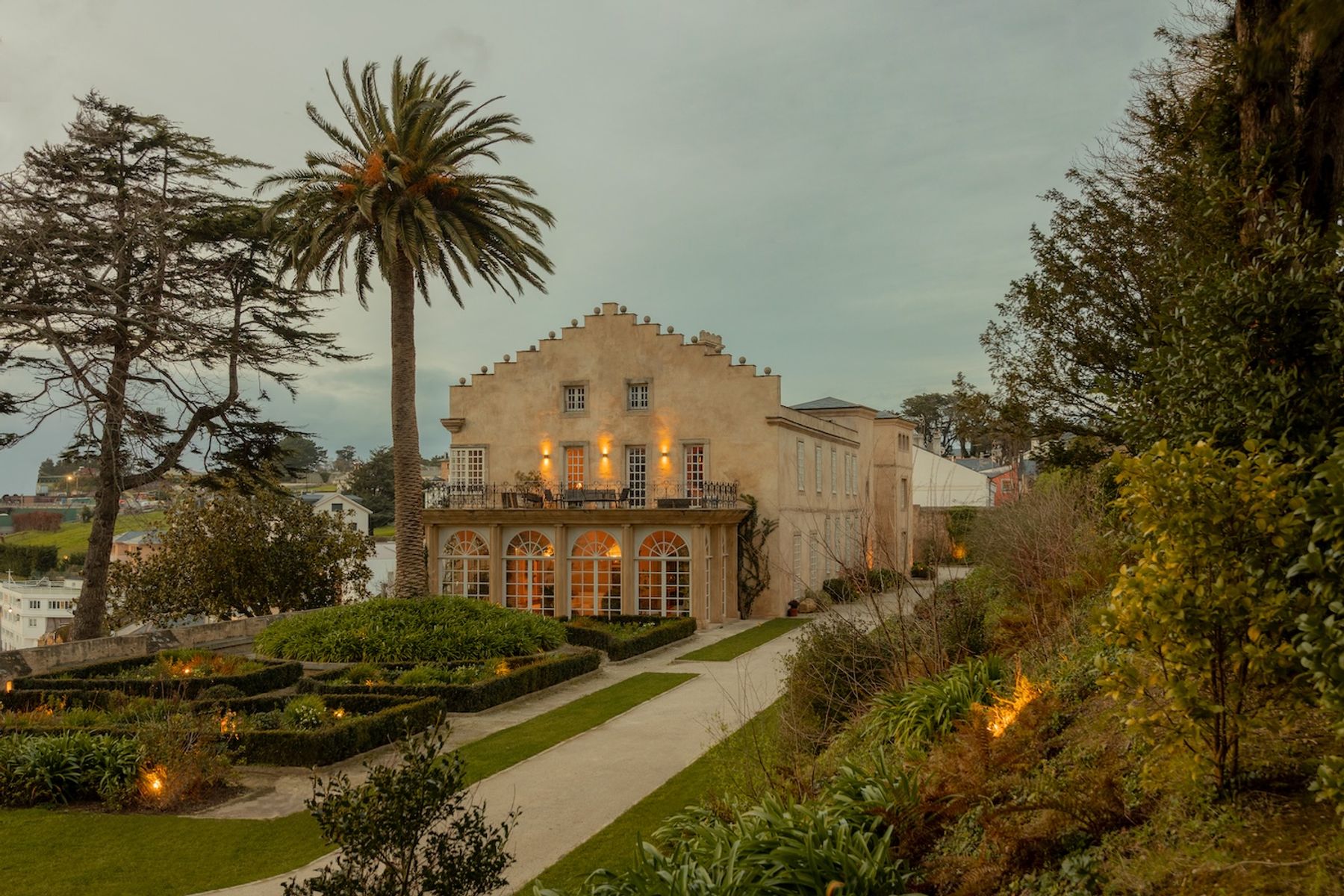
Our home in Asturias is Palacio de Figueras, on the western edge of the region. Overlooking the port on the Eo estuary, Palacio de Figueras is a 16th-century palace set in landscaped grounds that descend toward the water, with direct access to the port below.
Its terraced gardens follow the slope of the land, with a heated pool, several outdoor dining and lounging areas and a series of viewpoints over the port and the coastline. Inside, original architecture sits alongside contemporary updates, and the living spaces include a library, a television room and an orangery. Our listing notes a host, daily housekeeping and daily breakfast. It's a luxury holiday villa with history in its walls, and it works well for a large family or a group of friends.
Location matters here. According to our listing, the port of Ribadeo is 5 kilometers away, the beach known as Playa de las Catedrales about 15 kilometers, and Oviedo 134 kilometers, with Asturias Airport about 91 kilometers away. The palace is a base for the western coast rather than for the Picos de Europa, which sit far to the east.
If You'd Like to Combine the North With the Mediterranean
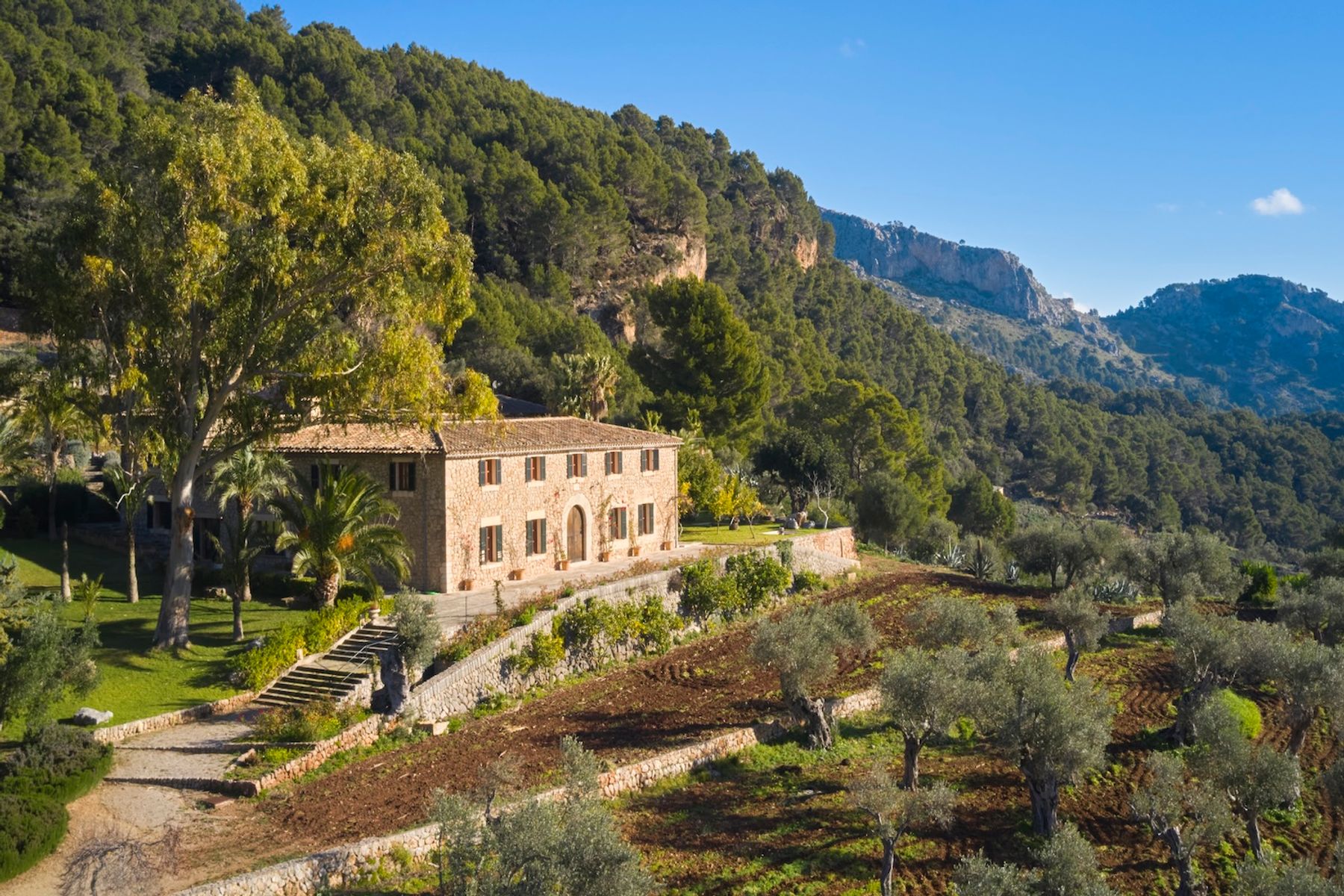
Some guests pair a week in the north with time somewhere sunnier. For that, we'd look at our homes elsewhere in Spain, such as Son Veri in the Tramuntana mountains of Mallorca. Set within a 100-hectare estate, the restored 19th-century stone house has an infinity pool, a tennis court, trails across the grounds and views toward the Bay of Palma, with Valldemossa less than a kilometer away according to our listing.
The two homes share a love of old stone and setting, but they offer very different trips. That contrast is part of the pleasure of a luxury villa holiday in Spain.
How We Plan an Asturias Stay
The best Asturian trips are built around one well-chosen base rather than a string of hotel nights. From Palacio de Figueras, days can move between the estuary, the western beaches and the fishing ports along the coast, with evenings back in the gardens.
Our concierge team can help with transfers, car hire and planning around the house. Every home in our collection is personally inspected before it joins, and each stay is checked before arrival. We've been arranging villa stays since 1979, and northern Spain is one of the places we most enjoy introducing to guests.
Planning Your Visit
Visiting Asturias asks for a little more planning than a week on the Mediterranean: a car, a rain jacket and a clear idea of which part of the region you want to see. In return, it gives you green mountains, a wild Atlantic coast, a food culture all its own and a sense of space that's increasingly rare in Europe.
Explore Asturias and our wider collection of luxury villas in Spain, and when you're ready, we're here.

Our Destinations


