
When Is the Best Time to Visit Idaho?
The best time to visit Idaho depends on what you want from the mountains. Come in summer for long, dry, sunny days on trails and rivers, or in winter for snow-covered peaks and cozy evenings by the fire. Early autumn is a lovely middle ground, with cool, clear air and gold in the valleys.
There's no single right answer, and that's part of the state's appeal. Idaho is a four-season destination, and each season changes the landscape so completely that a July trip and a February trip can feel like two different places. Below, we walk through the climate by region and by season, what each time of year suits, and how our home in the state fits around it. For an overview of the state, our Idaho destination page is a good companion to this guide.
Idaho's Climate Varies by Region
Idaho's weather depends heavily on where you are and how high you are. The state stretches from the Canadian border in the north to Nevada and Utah in the south, and its landscapes range from high desert to dense forest to high, rugged mountain ranges. Before choosing your dates, it helps to know which Idaho you're planning for.
Broadly, the state divides into three climate zones:
Southern Idaho and the Snake River Plain: a semi-arid, high-desert climate around Boise and Twin Falls, with hot, dry summers, cold winters and relatively little rain.
The central mountains: the Sawtooth, Boulder and Pioneer ranges and the valleys between them, where winters are long and snowy and summers are warm by day and cool at night.
The Panhandle: the narrow northern strip around Coeur d'Alene and Sandpoint, which is wetter and greener, with forested hills, large lakes and snowy winters.
Our Idaho collection sits in the central mountains, in the Wood River Valley, home to Sun Valley and Ketchum. The valley floor sits at close to 6,000 feet, so its weather follows mountain patterns: low humidity, strong sunshine, big swings between day and night, and plenty of winter snow.
Summer in Idaho: Dry, Sunny Days in the Mountains
Summer, roughly June through August, is the most straightforward season to plan around. Days are warm, skies are typically clear, and humidity is low. In the mountain valleys, afternoons are pleasant rather than hot, and evenings cool down enough that you'll want a sweater on the terrace after sunset. Brief afternoon thunderstorms can build over the peaks, then clear just as quickly.
Down on the Snake River Plain, summer is a different story. Boise and the high-desert south can be genuinely hot in July and August, while the mountain valleys stay noticeably cooler.
What Summer Suits
Summer is the season for being outdoors from morning to night. It's the classic time for:
Hiking and mountain biking across national forest land, including the Sawtooth National Forest.
Fly-fishing and float trips on rivers such as the Big Wood, the Snake and the Salmon.
Lake days in the Panhandle, where Lake Coeur d'Alene and Lake Pend Oreille draw swimmers and boaters.
Soaking in hot springs, which Idaho has in remarkable numbers, often in wild, river-side settings.
Golf, tennis and long outdoor dinners, helped by the long evening light.
If you're traveling as a family, summer is the easiest season to fill with variety. It's also a natural fit for a Fourth of July break, when small mountain towns across the state mark the holiday.
Autumn in Idaho: Gold Valleys and Crisp Air
Autumn, from September into October, is a favorite of ours. The heat of summer fades, the air turns crisp and clear, and the aspens and cottonwoods along the rivers turn gold. Days are often still mild and sunny in September, while nights get noticeably colder as the month goes on.
By late October and November, the mountains begin to change again. Early snow can dust the high peaks, and the valleys move toward winter. Weather becomes less predictable, so it's wise to pack for both a warm afternoon and a frosty morning.
What Autumn Suits
Early autumn is ideal for travelers who love the outdoors but prefer cooler temperatures for walking and cycling. It suits:
Scenic drives through the mountain valleys while the trees are turning.
Hiking on trails that are more comfortable in cooler air.
Fly-fishing, which continues on many rivers well into the fall.
Wildlife watching, especially elk and deer in the valleys.
A Thanksgiving gathering later in the season, when a private home makes a natural base for a family holiday meal.
Winter in Idaho: Snow, Skiing and Fireside Evenings
Winter, from December through February and often into March, transforms Idaho's mountains. The central ranges receive reliable snowfall, temperatures are cold, and many days are bright and sunny between storms. Low humidity makes the cold feel drier than it does in coastal climates, but you'll still want proper winter clothing, especially in the evenings.
Southern Idaho's lowlands are colder and grayer in winter but see less snow than the mountains. The Panhandle, meanwhile, has snowy winters of its own, with forests and lakes under a softer light.
What Winter Suits
Winter is when the Wood River Valley shows its most famous side. The ski season generally runs from late autumn into early spring, depending on snowfall. Beyond downhill skiing, the season suits:
Nordic skiing and snowshoeing on valley trails and in the surrounding national forest.
Fat biking and winter walks under clear blue skies.
Soaking in hot springs or a private hot tub after a cold day outside.
Long, unhurried evenings by a fireplace, with dinner cooked at home.
If you're planning a winter holiday around Christmas or New Year, a private home gives the whole family space to celebrate together, with room for gifts, games and late breakfasts.
Spring in Idaho: Snowmelt and Changing Weather
Spring, from April into early June, is Idaho's most changeable season. In the mountains, snow can linger well into spring, and a sunny 60-degree afternoon can be followed by a snowy morning. As temperatures rise, the snowpack begins to melt and rivers run high and fast.
That snowmelt is the season's great spectacle. Waterfalls across the state run at their fullest, including Shoshone Falls on the Snake River near Twin Falls, whose flow is typically strongest in spring. In the lower valleys, wildflowers and fresh green growth arrive well before they reach the high country.
What Spring Suits
Spring suits flexible travelers who like variety. You might combine some late-season skiing at elevation with lower-elevation walks, waterfall viewing and wildlife watching as animals return to the valley floors. It's also a good time for a relaxed few days centered on your home, with spa time, reading and good meals.
Plan for changeable weather above all. Some high trails and mountain roads stay snowbound into late spring, so check conditions closer to your dates and pack layers.
Season by Season at a Glance
If you're trying to match your dates to your plans, here's a quick summary of what each season offers in Idaho's mountain valleys:
Winter (December to February, often into March): snow sports, hot springs and fireside evenings.
Spring (April to early June): snowmelt, high rivers, waterfalls and changeable weather.
Summer (June to August): dry, warm days, cool nights, hiking, biking, fishing and lake time.
Autumn (September to October): crisp air, golden valleys and comfortable hiking weather.
The best time to visit Idaho, then, is really two different trips: a summer stay built around the outdoors and a winter stay built around snow. Early autumn is our quiet favorite for travelers who want a little of both.
Getting to Idaho's Mountain Valleys
The Wood River Valley is served by Friedman Memorial Airport in Hailey. Boise Airport is an option for travelers combining the mountains with the capital or the high desert. In the north, the Panhandle is usually reached through Spokane International Airport in neighboring Washington.
Our concierge team can arrange transfers from the airport to your home, as well as provisioning, so the kitchen is stocked when you arrive. In winter, we'd suggest building a little flexibility into your travel plans, as mountain weather can affect road and flight schedules.
Valley Whisper Retreat Through the Seasons
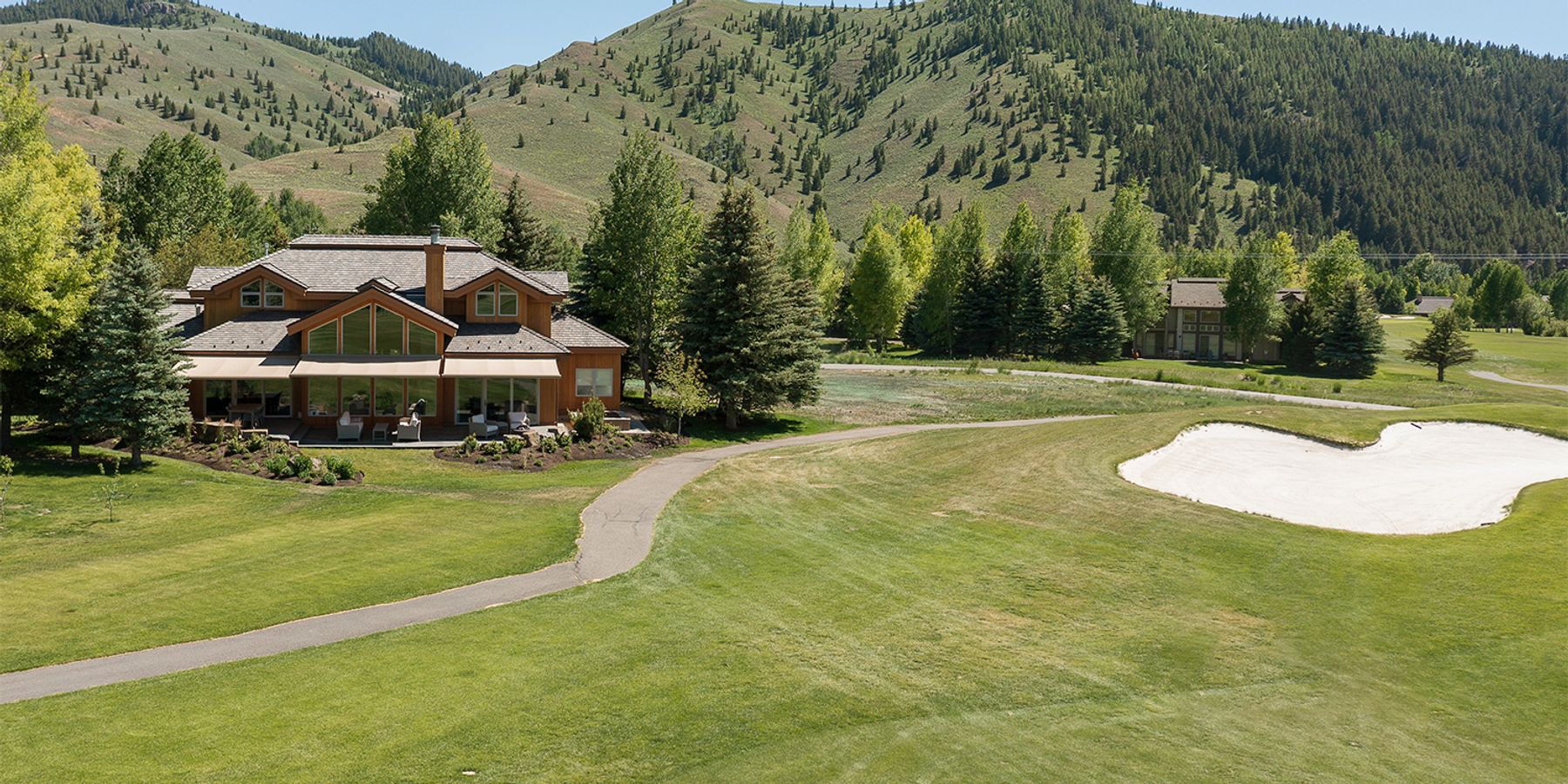
The home we feature for an Idaho stay is Valley Whisper Retreat in Sun Valley. It's a remodeled mountain home with an open-plan main level, vaulted ceilings and dramatic two-story, floor-to-ceiling windows framing the mountain views. A spring-fed stream runs through the front of the property, and the back of the home looks out over a golf course.
According to our listing, the home is about 3.2 miles from downtown Ketchum, 4.4 miles from the Sawtooth National Forest and 13.2 miles from Friedman Memorial Airport. That puts both the valley's town life and its open country within easy reach.
Valley Whisper Retreat in Winter
In winter, Valley Whisper Retreat leans into comfort. There's a fireplace inside, a hot tub on the stone patio, and a shared sauna among the facilities available to guests. Heating, a garage and a private driveway make cold mornings easier, and a dedicated home office means you can stretch a ski trip into a longer stay. Board games and a bar set the scene for evenings in.
Valley Whisper Retreat in Summer and Autumn
In the warmer months, life moves outdoors. The stone patio runs along the back of the house, with raised gardens, a custom fire pit, outdoor dining and a barbecue. The listing features access to shared club facilities, with pools, tennis and pickleball courts and golf, about 1.2 miles from the home. Air conditioning keeps the interior comfortable on warm afternoons.
Autumn may be the loveliest time to be here. The listing notes frequent visits from wildlife, including elk, deer, ducks and geese, and in the cool, clear air of September and October, the mountain views from the patio feel especially vivid.
Listed services are concierge support and a midweek housekeeping clean. Whatever the season, Valley Whisper Retreat makes a comfortable base for a luxury villa holiday in the mountains, and we'll happily help you plan the days around it.
Across the State Line: Teton Views in Jackson Hole
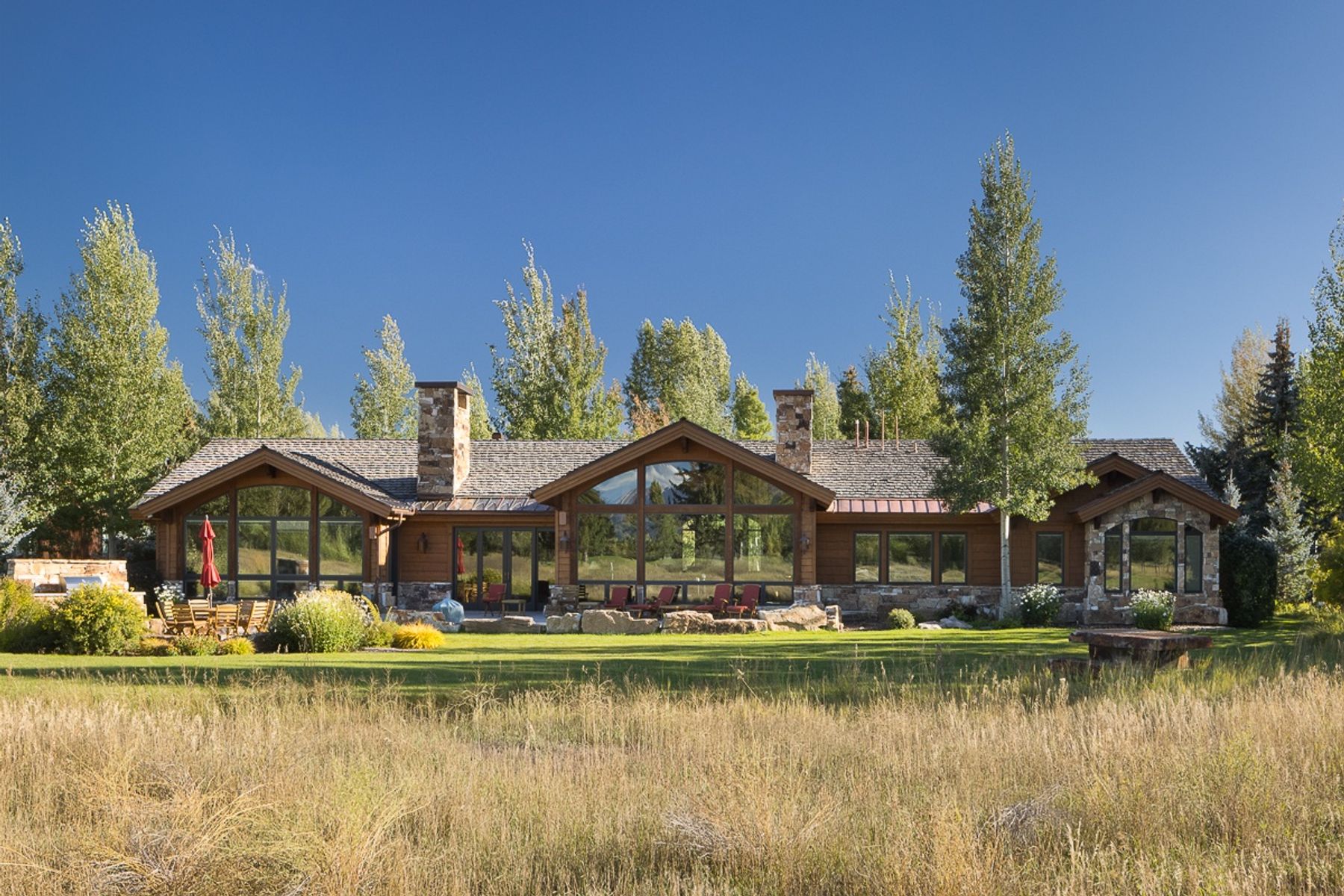
Idaho's eastern border runs along the Teton Range, and on the Wyoming side of those mountains lies Jackson Hole. If you'd like to pair Idaho's mountains with the Tetons, Teton Views is a home we offer on the far side of the range. It sits in Jackson Hole, Wyoming, not in Idaho, and according to our listing it is about 8.8 miles from the town of Jackson, 4.4 miles from Jackson Hole Airport and 3.8 miles from the Grand Teton National Park sign.
The home suits the same two seasons that define Idaho's mountains. In winter, a stone fireplace, cathedral ceilings, a hot tub and a mud room for boots and gear make it an easy base in the snow. In summer, the backyard patio with a gas grill and outdoor dining area looks toward the Tetons, and air conditioning and a home office round out the practical side. Listed services at Teton Views are concierge support and housekeeping.
Planning Tips for Any Season
A few points apply whenever you travel:
Pack layers. Mountain temperatures can swing sharply between day and night in every season.
Plan for the sun. High elevation and low humidity mean strong sunshine, even in winter.
Stay hydrated. The dry mountain air takes some getting used to, especially on the first day or two.
Leave room for weather. Snow in winter and spring can affect roads and schedules, so keep your plans flexible.
Choose your base first. In a destination this varied, the right home shapes the whole trip.
Whether you're comparing Idaho with other mountain destinations or weighing a villa in the US for a family holiday, our wider United States collection is a helpful place to see your options side by side.
Frequently Asked Questions
What is the best month to visit Idaho?
It depends on your plans. July and August are the most reliable months for warm, dry weather in the mountains, while January and February offer dependable snow. September is a strong all-round choice, with mild days, cool nights and autumn color.
Is Idaho worth visiting in winter?
Yes, especially in the central mountains. The Wood River Valley receives reliable snow, and winter suits skiing, snowshoeing, hot springs and cozy evenings at home. Pack proper winter clothing and keep your travel plans flexible.
What is the weather like in Sun Valley in summer?
Summer days in Sun Valley are typically warm, sunny and dry, with low humidity. Evenings cool down noticeably because of the elevation, so a light jacket is useful. Brief afternoon thunderstorms can pass over the mountains.
When do the leaves change in Idaho?
The aspens and cottonwoods usually turn gold in late September and into October, depending on elevation and weather. Higher areas tend to change first, followed by the river valleys.
Planning the Best Time to Visit Idaho
The best time to visit Idaho is the season that matches the trip you have in mind: summer for long days outdoors, winter for snow and firelight, and early autumn for golden valleys and crisp, clear air. Spring rewards travelers who enjoy a little variety and don't mind changeable weather.
Every home we offer is personally inspected before it joins our collection, and we check again before each stay. When you're ready to choose your dates, our page on luxury villas in Idaho is the place to start, and we're here to help you plan the season that suits you best.

Our Destinations


