
When Is the Best Time to Visit Colorado?
The best time to visit Colorado depends on the mountains you want to meet. Choose December through March for snow and skiing, June through August for warm days in the high country, and September for golden aspens and settled, crisp weather. April, May, October and November are transition months, when snow is either melting or just beginning to build.
There's no wrong season in Colorado, only different versions of the same landscape. What changes from month to month is the weather at altitude, and that shapes everything from what you'll do each day to which kind of home suits the trip. Here's how we'd think about each season, and the homes we'd match to it.
Altitude Shapes Every Season in Colorado
Colorado's climate is set by its height. The Rocky Mountains run through the center of the state, the Continental Divide follows their crest, and more than 50 peaks rise above 14,000 feet. Denver, on the plains east of the mountains, sits at about 5,280 feet, which is why it's called the Mile High City. The mountain towns sit much higher, and Aspen is close to 8,000 feet.
That elevation brings a few constants. The air is dry, the sun is strong, and temperatures swing widely between day and night. A clear winter afternoon can feel mild in the sun and turn very cold after dark, and a warm summer day in the mountains often ends with a jacket by the fire.
Weather also changes fast at altitude. A blue morning can give way to clouds over the peaks by early afternoon, especially in summer, and conditions on one side of a mountain pass can differ sharply from the other. Planning around that rhythm is the single most useful habit for a Colorado trip in any month.
The state's two halves feel different, too. The Front Range, where Denver sits, meets the plains and tends to be drier and milder in winter. The Western Slope, beyond the Divide, holds most of the mountain towns we work in, including Aspen, Vail, Beaver Creek, Telluride and Mountain Village.
Colorado Through the Year: A Season-by-Season Snapshot
If you want the short version, here's how the year breaks down in the mountains:
Winter (December to March): cold, snowy and bright between storms. The core of the ski season, with snowshoeing, cross-country skiing and long evenings by the fire.
Spring (April and May): a season of transition. Snow lingers at high elevations while the valleys turn green, and the weather can swing between warm sun and late snowfall.
Summer (June to August): warm days and cool nights, with afternoon thunderstorms common in July and August. Hiking, biking, rivers, lakes and wildflowers in the high meadows.
Autumn (September to November): golden aspens in September, cooler and drier weather into October, and the first snow at elevation as November arrives.
Each season deserves a closer look, because the details matter when you're choosing dates.
Winter in Colorado: Snow Season in the Mountain Towns
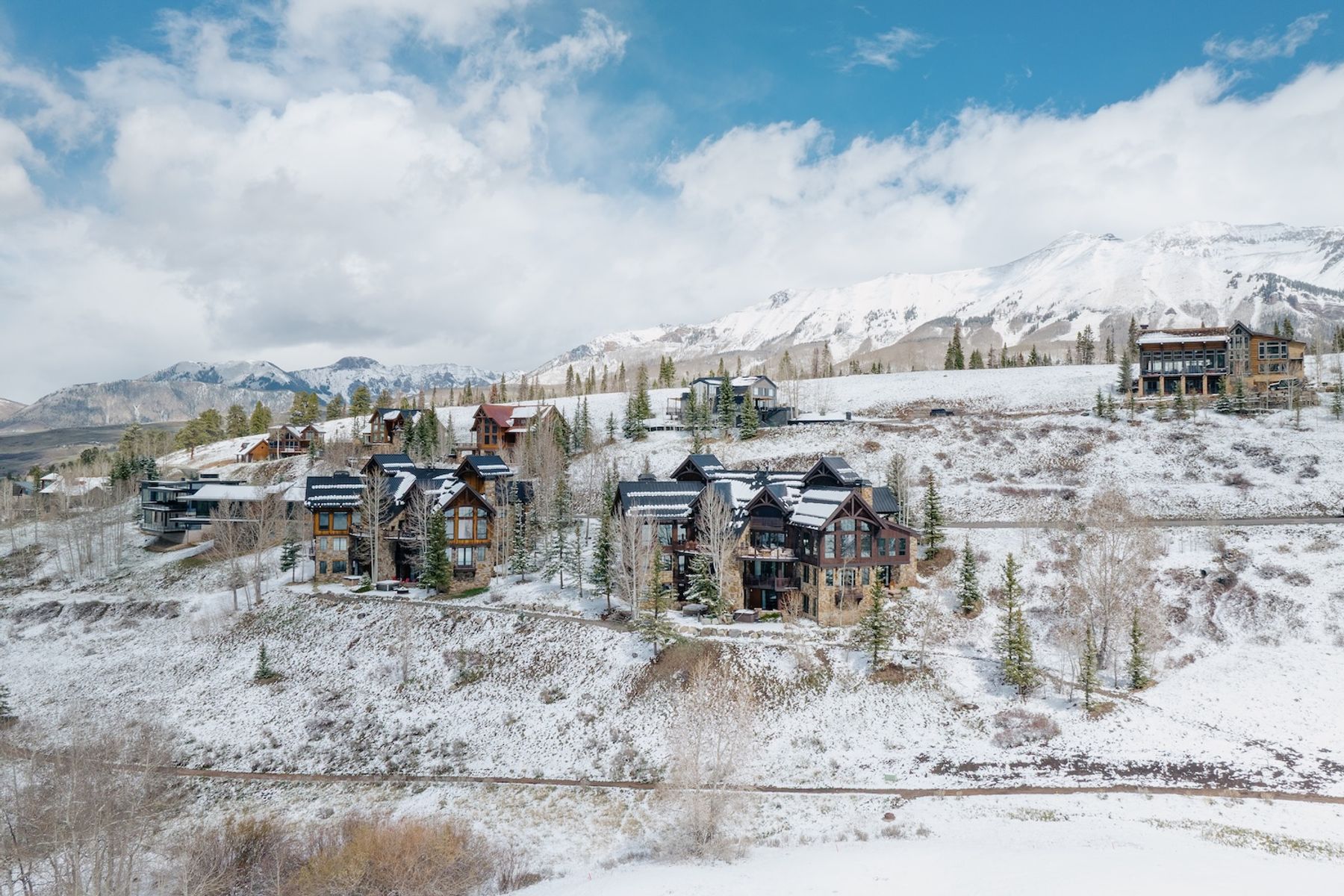
Winter is the season most people picture first, and for good reason. From December through March, the mountain towns are blanketed in snow, the air is cold and dry, and sunny days between storms bring bright, sharp mountain light. The ski season generally runs from late autumn into spring, with exact timing depending on each year's snowfall.
Skiing is the anchor, but it's far from the only reason to come. Snowshoeing and cross-country skiing open up quiet valleys and forest trails, and Colorado's natural hot springs are another winter pleasure. Evenings tend to center on the home itself: a fireplace, a hot tub under the stars and a long dinner after a day outdoors.
Winter travel takes a little planning. Mountain roads and passes can be affected by snow, so a vehicle suited to winter driving and a flexible schedule for arrival day are both worth having. Pack for real cold, with layers you can adjust as the sun comes and goes.
A home built for snow days makes winter easier. In Mountain Village, Grand Beau Lea has a ski room with boot heaters, an outdoor hot tub, a fireplace and a games room with a poker table. Its listed services include a complimentary dial-a-ride shuttle to and from the slopes, which takes the parking question out of a ski day.
Spring in Colorado: A Season of Transition
April and May are Colorado's in-between months. In many years, skiing continues into April at higher elevations, often in softer, warmer conditions than midwinter. By May, snow is retreating from the valleys and the lower trails, while the high peaks keep their white caps well into the season.
Spring weather is the least predictable of the year. A warm, sunny week can be followed by a late snowfall, and the high-country trails are often still snowbound or muddy as the melt gets underway. Rivers rise as the snow melts, and the waterfalls and creeks are at their fullest in late spring and early summer.
That makes spring a good fit for a particular kind of trip. It suits travelers who want spring skiing on the upper slopes, or who are happy to spend their days in the valleys, the towns and on lower-elevation walks. It's less suited to a hiking-focused stay in the high country, which is better saved for summer.
Summer in Colorado: Long Days in the High Country
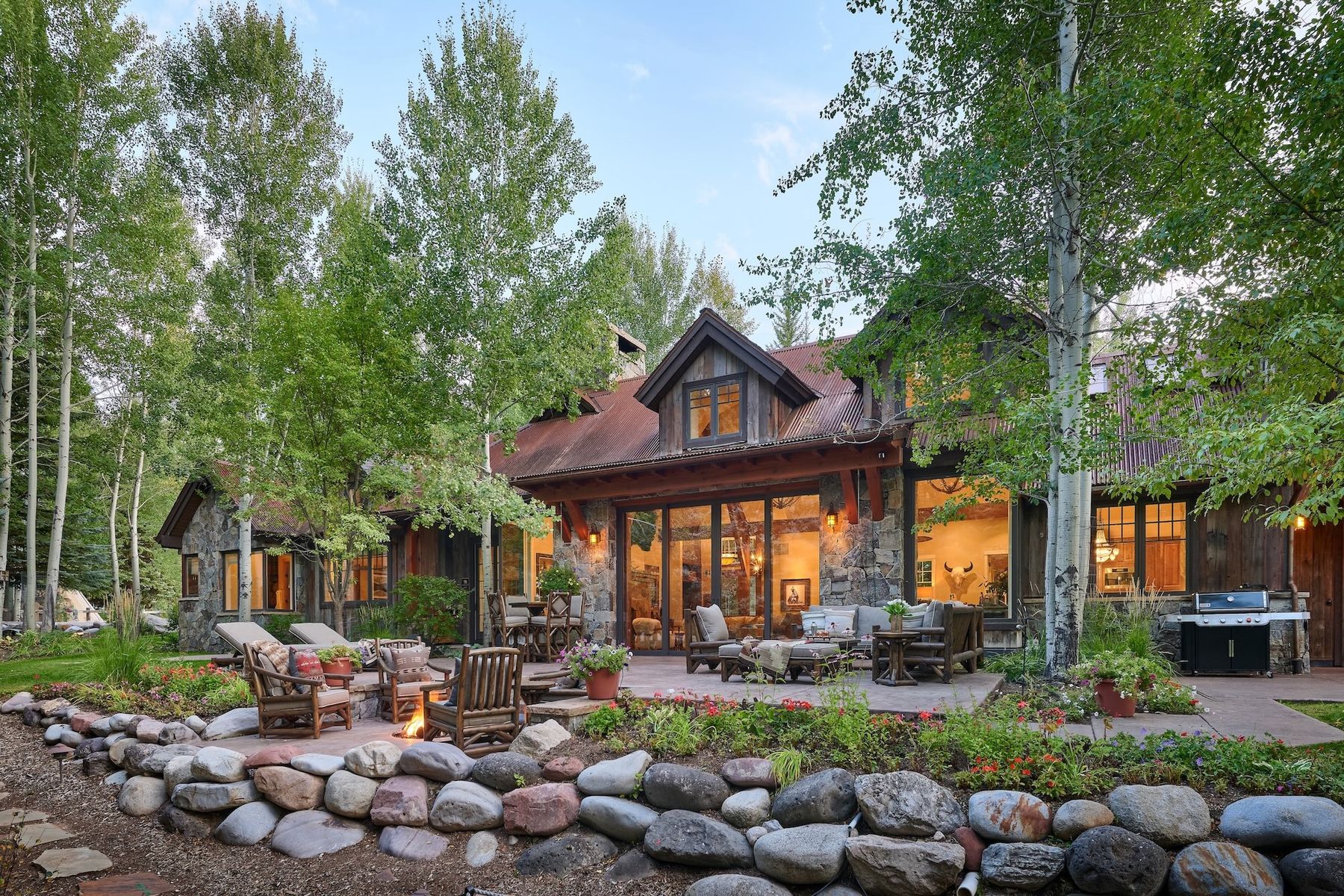
Summer is when the mountains open up. From June through August, days in the mountain towns are generally warm and comfortable, nights stay cool, and the snow retreats from all but the highest peaks. Down on the Front Range, Denver is warmer and can be hot in midsummer.
The defining weather pattern is the afternoon thunderstorm. Through July and August especially, clouds often build over the peaks around midday, bringing short, sharp storms with thunder and lightning. The simple answer is to start early: plan hikes and high-elevation outings for the morning, and save the afternoon for the pool, the lake or a long lunch at home.
There's a great deal to fill those mornings. Hiking trails climb through aspen forest to alpine lakes and high meadows, which are often bright with wildflowers in midsummer. Mountain biking, fly-fishing and river rafting are all summer traditions, and Rocky Mountain National Park, in the north-central part of the state, takes you up into the alpine tundra. Near Aspen, the twin peaks of the Maroon Bells rise above a glacial valley in the White River National Forest.
Summer is also the season when a home with land comes into its own. Set on 25 acres along Snowmass Creek and Capitol Creek, Rocky Ridge Estate has a private lake, with a kayak and canoe, hammocks, a fire pit, pickleball and basketball courts, and a children's activity area with a playhouse and teepee. Our listing places it 14 miles from Aspen. It's a natural choice among family-friendly villas, with room for every generation to spread out.
Autumn in Colorado: Golden Aspens and Settled Weather
September brings the Rockies' most colorful weeks. The aspen groves turn gold, usually from mid-September into early October, with the timing shifting by elevation and from year to year. The higher slopes change first, and the color moves down the valleys over the following weeks.
Autumn weather tends to be more settled than summer's. Days are often clear and mild, nights turn cold, and the afternoon storms of midsummer fade. By October, the first snow can dust the peaks, and November brings a steady shift toward winter, with the ski season beginning in late autumn as the snow builds.
Autumn suits scenic drives, photography, hiking in cool air and long, quiet days in town. It also suits anyone who likes to see a mountain landscape at its most colorful before the snow arrives.
Late October and November are the in-between weeks of the mountain year: the leaves are down, the trails start to freeze and the snowpack is only beginning to build. It's a better time for a slow stay in town than for hiking at high elevation or counting on a full ski week.
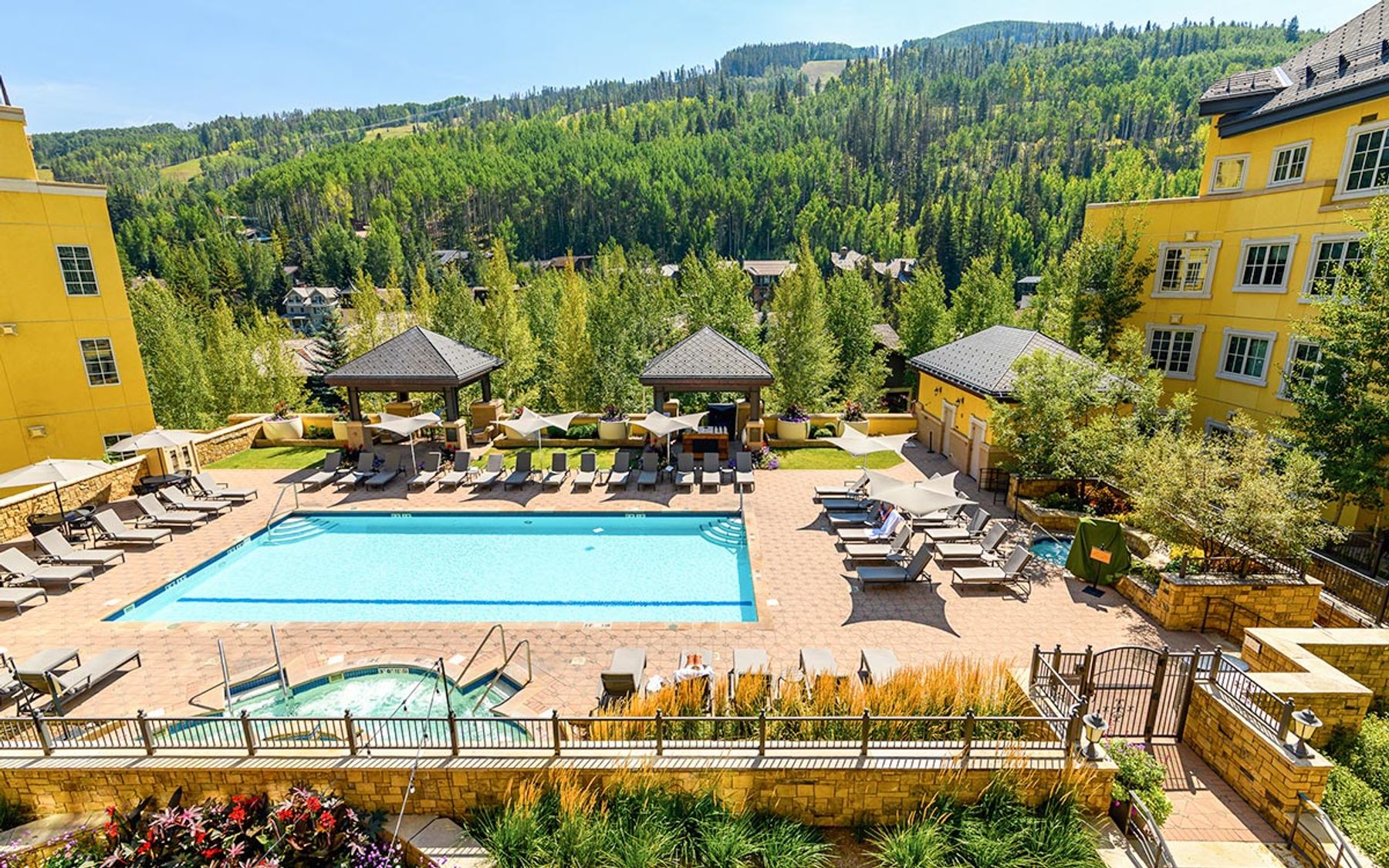
For an autumn stay in town, Montmier Portico is a private residence in Vail with a wall of windows framing views of the slopes, a gas fireplace and a private balcony overlooking a shared resort pool and hot tub. Its listing shows daily housekeeping, and Vail Village is 1.4 miles away, according to our listing. It works as well in winter as it does in the golden weeks of autumn.
Getting There in Any Season
Colorado has several airports to consider, and each home's listing gives its distance from the ones that matter for that stay:
Denver International Airport, on the plains east of Denver.
Eagle County Regional Airport, in the Eagle River valley west of Vail.
Aspen/Pitkin County Airport, in the Roaring Fork Valley.
Telluride Regional Airport, in the San Juan Mountains of southwest Colorado.
Interstate 70 is the main route west from Denver into the mountains, and in winter, road conditions can change with each storm. Transfers can be arranged for any season, which is often the simplest way to arrive after a long travel day.
Whatever the season, give yourself an easy first day at altitude. Drink plenty of water, go lightly on alcohol and save the biggest hike or ski day for the second or third morning, once your body has had time to adjust. Strong sun is part of every season here, so sunglasses and sunscreen belong in a winter bag as much as a summer one.
Where to Stay in Colorado, Season by Season
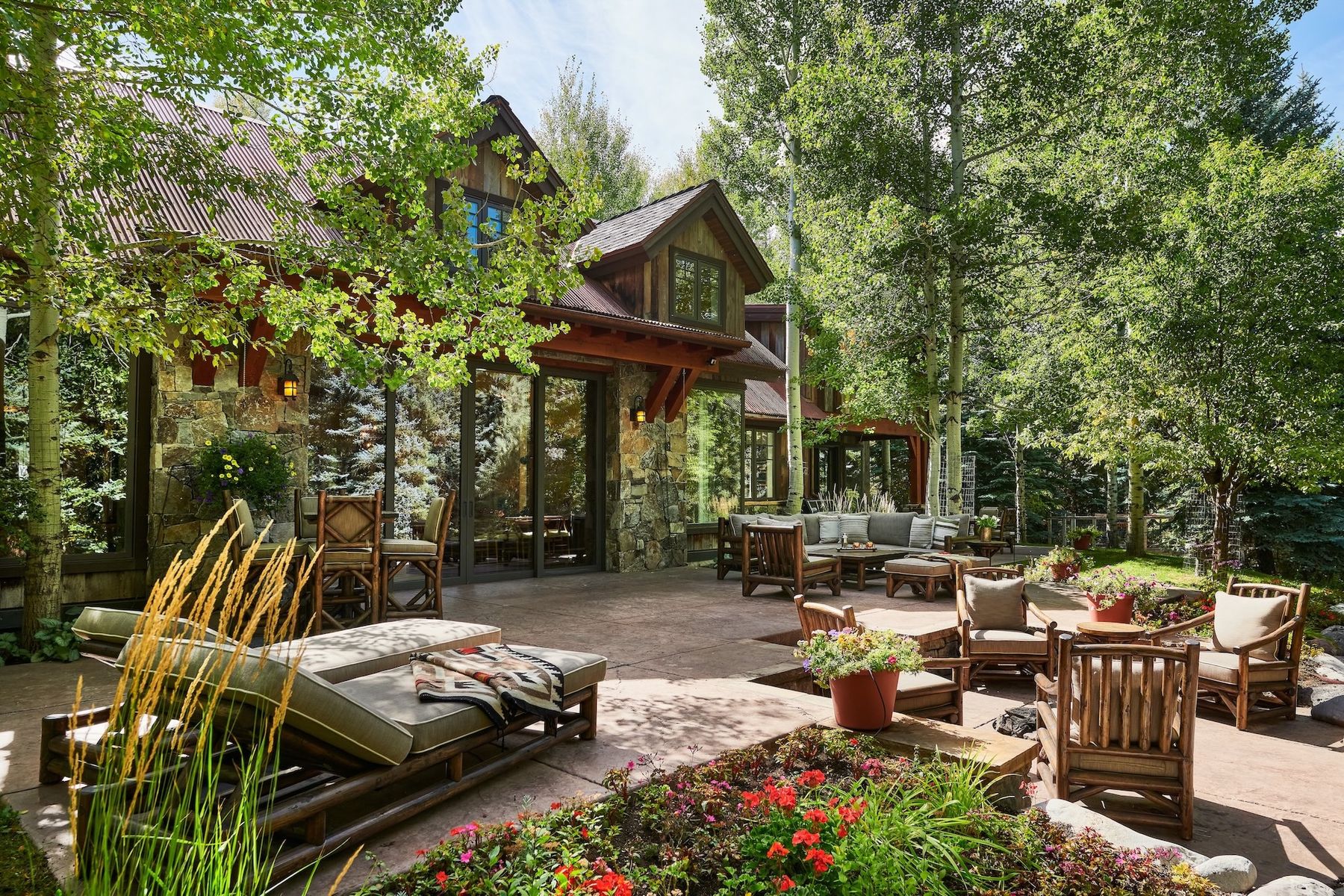
Our Colorado homes are listed under its mountain towns: Aspen, Vail, Beaver Creek, Telluride and Mountain Village. If you've been searching for cabins in Colorado, think of these as the same fireside idea on a larger scale, with the space and services of a private home.
Matching the home to the season makes a real difference:
Summer: Rocky Ridge Estate, with its private lake, canoe and kayak, courts and 25 acres to explore. In winter, its listing describes snowshoeing and cross-country skiing on the surrounding land.
Winter: Grand Beau Lea, with its ski room, boot heaters, outdoor hot tub and a listed shuttle service to and from the slopes.
Autumn and winter in town: Montmier Portico in Vail, with its fireplace, balcony and shared resort pool and hot tub.
These are also villas for groups and families who want room to be together without being on top of one another. Every home is personally inspected before it joins our collection, and each stay is checked before arrival.
Frequently Asked Questions
What is the best month to visit Colorado?
It depends on what you want to do. February is a classic month for snow and skiing, July brings warm days and wildflowers in the high country, and September brings the golden aspens. Each makes a strong case.
When do the aspens change color in Colorado?
The aspens usually turn gold from mid-September into early October. The timing shifts by elevation and from year to year, with the higher slopes changing first.
When is ski season in Colorado?
The ski season generally runs from late autumn into spring, with December through March at its core. Exact timing depends on each year's snowfall, and skiing often continues into April at higher elevations.
What is summer weather like in the Colorado mountains?
Summer days in the mountain towns are generally warm, with cool nights. Afternoon thunderstorms are common in July and August, so mornings are the best time for hikes and high-elevation outings.
Planning Your Colorado Stay
The best time to visit Colorado is the season that matches the trip you have in mind: snow for winter, long trail days for summer, gold for September. The landscape is the same, but each season gives it a different character, and the right home makes the most of it.
We've worked as a rental agency since 1979, when two brothers founded the company in Jamaica, and we've been named Condé Nast Traveler Top Travel Specialists for more than 15 consecutive years. Explore our homes across Colorado and the wider United States, and when you're ready to choose your season, we're here.

Our Destinations


