
When Is the Best Time to Visit Utah?
The best time to visit Utah depends on where you're going. For snow in the mountains around Park City, come in winter. For hiking and cool evenings at altitude, summer is ideal. For the red-rock national parks of the south, spring and autumn are the most comfortable seasons, with milder days than the desert summer.
Utah is really two climates in one state. The high Wasatch Mountains in the north see heavy winter snow and mild summers, while the deserts and canyons of the south bake in summer and cool off in winter. This guide walks through each season in both, what each one suits and which of the homes on our Utah destination page fit the time of year you have in mind.
Utah's Two Climates: Mountains and Desert
Utah's climate is shaped by elevation as much as by the calendar. Much of the state is dry, with low humidity, strong sunshine and wide swings in temperature between day and night. A warm afternoon can give way to a genuinely cold evening, especially in the mountains.
The Wasatch Mountains
The Wasatch Range rises sharply east of Salt Lake City. Park City sits in these mountains at roughly 7,000 feet, and the altitude defines its seasons. Winters are cold and snowy, summers are warm by day and cool at night, and spring and autumn are short transitions between the two.
Southern Utah's Red-Rock Country
Southern Utah sits on the Colorado Plateau, a high desert of canyons, arches and sandstone cliffs. It's home to the state's five national parks: Zion, Bryce Canyon, Capitol Reef, Arches and Canyonlands. Summers here are hot, especially at lower elevations, and winters are cool to cold, with snow possible at higher parks such as Bryce Canyon.
Because these two regions are at their best at different times, a well-timed trip to Utah often means choosing one or matching the two to the season.
Winter (December to February): Snow in the Mountains
Winter is the classic season for the mountains around Park City. Snow covers the Wasatch, the air is cold and dry, and days are often bright and sunny between storms. The ski season generally runs from late autumn into spring, with the deepest snow in the heart of winter.
This is the season for skiing, snowshoeing, cross-country trails and long evenings by the fire. Park City's historic Main Street, lined with buildings from the town's silver-mining past, is especially atmospheric under fresh snow.
In the south, winter in the desert brings crisp days and cold nights. Snow can dust the red rock, particularly at higher elevations, which makes for a very different view of the national parks.
What winter suits:
Skiing and snow sports in the Wasatch
Cozy stays built around fireplaces and hot tubs
Holiday gatherings over Christmas and New Year
Crisp walking days in Park City's historic center
Spring (March to May): Mountains and Desert Diverge
Spring in Utah means very different things in the mountains and the desert. In the Wasatch, March is still winter at high elevations, and the ski season generally continues into spring. By April and May, the snow begins to melt at lower elevations and the mountains move into a transitional period.
In southern Utah, spring is one of the best times of year. Days are warm without the intensity of summer, nights are cool, and wildflowers can bloom in the desert after a wet winter. It's a fine season for hiking in Zion, Arches and the other national parks.
What spring suits:
Late-season snow days in the mountains in March
Desert hiking and national park road trips
Travelers who want to combine a Park City stay with time in the south
Summer (June to August): Cool Mountains, Hot Desert
Summer turns the mountains around Park City into a green, open playground. At altitude, days are warm and sunny and nights are cool, which makes the Wasatch a comfortable escape from summer heat elsewhere. Hiking, mountain biking, paddling on mountain reservoirs, golf and outdoor dining fill the long days.
Southern Utah's deserts are a different story in summer. Temperatures can be very hot, particularly in the lower canyons, so outdoor activity there is best kept to early mornings and evenings. From around July into early autumn, afternoon thunderstorms become more common across much of the state.
Summer also brings two fixed holidays. The Fourth of July is celebrated across the country, and Utah marks Pioneer Day, a state holiday, on July 24.
What summer suits:
Hiking and mountain biking in the Wasatch
Pool days and outdoor living at altitude
Family trips built around the school holidays
Sunrise and sunset outings in the desert parks
Autumn (September to November): Gold Aspens and Mild Desert Days
Autumn is a favorite season of ours in Utah. In the mountains, aspen groves turn gold, usually from September into early October, and the air becomes crisp and clear. Days stay pleasant into early autumn before colder weather and the first snows arrive later in the season.
In the south, autumn brings the return of comfortable hiking weather. The heat of summer fades, the light softens and the red rock takes on deeper colors in the low sun. Like spring, it's an excellent time for the national parks.
By November, the mountains are preparing for winter again, and the first snowfalls signal the start of the ski season. Thanksgiving falls late in the month, and a mountain home makes a natural setting for a family gathering.
What autumn suits:
Scenic drives and hikes among the changing aspens
National park trips in milder weather
Thanksgiving gatherings in a mountain home
Travelers who prefer crisp air and clear skies
A Quick Seasonal Summary
If you want the short answer on the best time to visit Utah, here's how we'd sum it up:
For snow and mountain winter: December through March.
For the desert national parks: spring (April and May) and autumn (September and October).
For mountain summers: June through August.
For autumn color in the mountains: mid-September into early October.
Practical Tips for Utah's Weather in Any Season
Utah's dry air and high elevations call for a little preparation, whatever month you choose. These habits make any stay more comfortable:
Drink more water than you think you need. The dry air and altitude dehydrate you faster than at sea level, especially in your first days.
Take the sun seriously. At altitude the sun is strong, even on cold winter days and especially on snow.
Pack layers. Wide swings between day and night temperatures mean a warm afternoon can turn into a cold evening.
Plan outdoor days around the weather. In summer, start hikes early, and keep an eye on the sky for afternoon storms.
Give yourself a gentle first day. If you're arriving from sea level, an easy start helps you settle into the altitude.
Combining the Mountains and the Desert
Spring and autumn are the seasons when a two-part Utah trip makes the most sense. You can spend time in the mountains around Park City and then head south to the national parks while the desert is mild. In early spring, that can even mean late-season snow in the Wasatch followed by warm hiking weather among the red rock.
In summer, the mountains are the comfortable half of the trip, and the desert is best kept for early mornings and evenings. In winter, the reverse applies: the mountains are at their snowiest, and the desert parks offer crisp, clear days and a very different view of the landscape under a light dusting of snow.
If you'd like to combine the two, our team can help plan the shape of the trip and arrange transfers at the start and end of your stay.
Choosing a Home for the Season
The features that matter in a Utah home change with the seasons. In winter, look for fireplaces, hot tubs and a ski room for boots and gear. In summer, pools, decks and outdoor dining come into their own. In every season, the dry mountain air and cool evenings make an outdoor fire pit or heated patio especially welcome.
Our Utah collection centers on the Park City area, with homes on our Park City destination page that range from town homes to large mountain estates. Salt Lake City International Airport is the arrival point listed for every home we feature here, and transfers can be arranged. Every home in our collection is personally inspected before it joins, with a pre-arrival check on every stay.
Three Park City Homes for Every Season
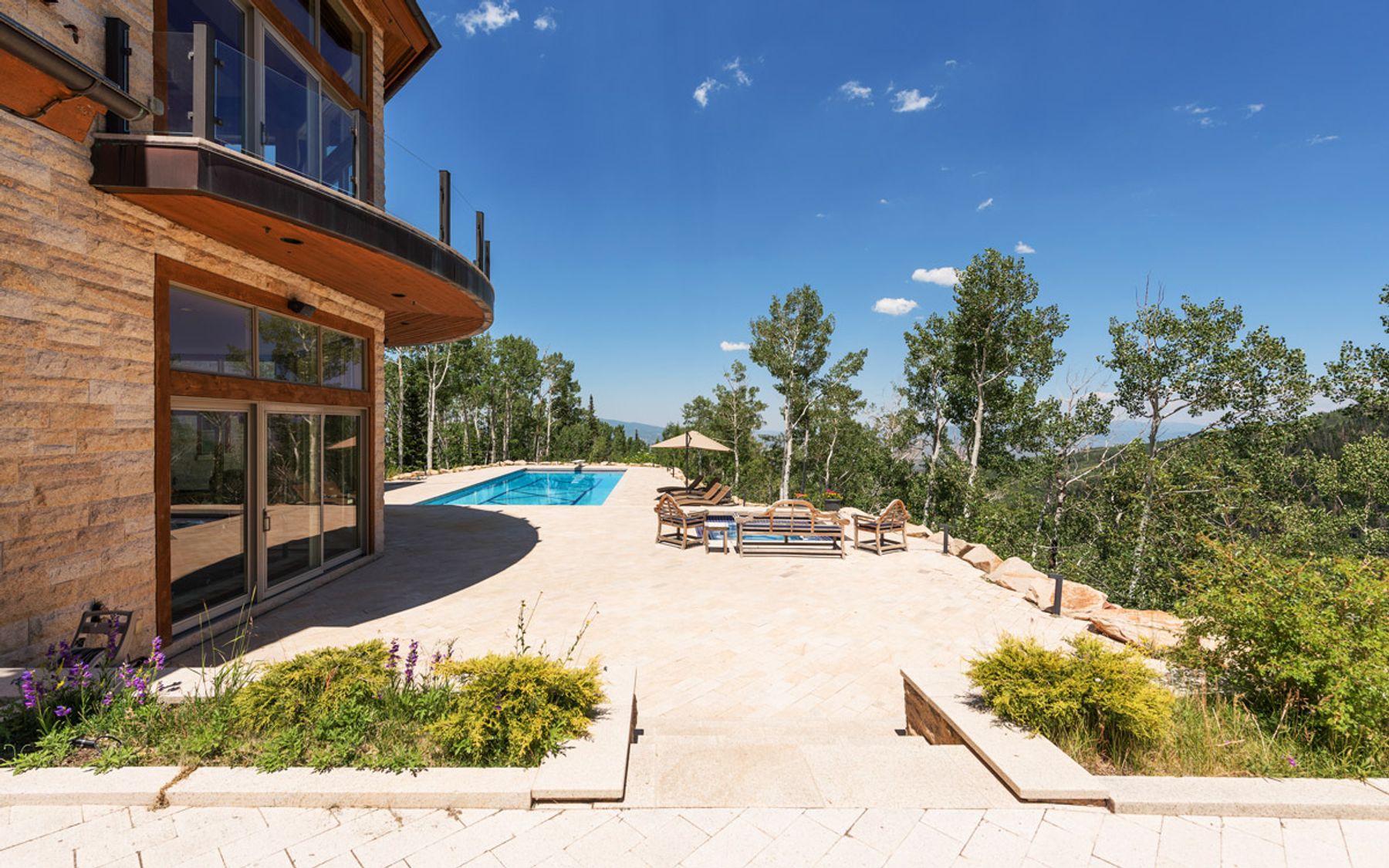
These three homes show how different features suit different times of year.
Among our featured homes, Main Street Escape at Old Town suits travelers who want to be in the heart of town in any season. According to our listing, it's less than a mile from Historic Main Street and the Park City Museum, and 37.8 miles from Salt Lake City International Airport. Large windows frame mountain views, and the home has a fireplace, air conditioning, a hot tub and several terraces and decks. In winter, the hot tub and fireplace make for easy evenings after a day in the snow. In summer, the terraces become outdoor living rooms.
Next, White Pine Villa is one of our vacation rentals with pools, which makes it a natural summer choice. Its pool terrace has a hot tub and a fire pit lounge, and a heated patio with outdoor dining extends the season into cooler evenings. Inside, there's a sauna, a gym, a games room, a wine cellar, an elevator and a ski room, with a heated driveway for winter arrivals. Our listing places it 38.2 miles from Salt Lake City International Airport.
Another option, Log Home offers classic mountain character, with views of the Wasatch Mountains, heated stone floors and a stone fireplace. According to our listing, it's 2.6 miles from Historic Main Street. A deck with a grill and mountain views suits summer and autumn evenings, and the hot tub and fireplace suit winter. A games room adds to evenings at home, and listed services include concierge and housekeeping with a mid-week clean.
Each home has its season. Main Street Escape at Old Town is the town base for winter evenings and summer strolls. White Pine Villa shines in summer around the pool. Log Home brings warmth to a snowy week and a lovely setting for autumn color. Whichever you choose, our team can stock the kitchen before you arrive and help plan days that fit the weather, from snowshoe outings in winter to early-morning hikes in summer.
Frequently Asked Questions
What is the best month to visit Utah?
It depends on your plans. For snow in the mountains, January through March is a strong choice. For the desert national parks, April, May, September and October bring the most comfortable temperatures.
When is the ski season in Utah?
The ski season in the Wasatch Mountains generally runs from late autumn into spring. Snow is usually deepest in the middle of winter.
Is summer a good time to visit Park City?
Yes. At roughly 7,000 feet, Park City has warm days and cool nights in summer, which makes it comfortable for hiking, biking and outdoor dining. Afternoon thunderstorms become more common from around July.
When do the aspens change color in Utah?
The aspens in Utah's mountains usually turn gold from September into early October. Exact timing varies with elevation and the weather each year.
The Best Time to Visit Utah Is a Matter of Mountains or Desert
The best time to visit Utah comes down to one question: mountains or desert? Winter belongs to the snowy Wasatch, summer to cool mountain days, and spring and autumn to the red-rock national parks of the south. Whenever you go, a private home in the Park City area gives you a comfortable base with features to match the season.
When you're ready, start with our Utah destination page and our wider collection across the United States. Tell us when you'd like to travel and how you like to spend your days, and we're here to help you find the right home for the season.

Our Destinations


