
St. Tropez Villas for an Extended Stay
Most visitors experience St. Tropez in a blur: a long weekend, maybe a week if they're lucky, spent chasing the harbor's energy before flying home just as they've started to feel at ease. An extended stay of three, four, or more weeks is a different proposition entirely. It's less a vacation than a temporary relocation, and it rewards travelers who plan for it that way — with a villa suited to daily life rather than a whirlwind itinerary, and a mindset that trades peak-week momentum for something slower and more sustaining.
The shift matters more than it might seem. A week-long trip is built around seeing as much as possible before the clock runs out. An extended stay removes that pressure almost entirely. There's no need to visit every beach club in the first four days or squeeze a full itinerary into a handful of dinners out, because the days ahead are plentiful. What replaces urgency is rhythm — a household finding its own pace inside a property built to support real, unhurried living rather than a checklist of sights.
Why an Extended Stay Changes Everything
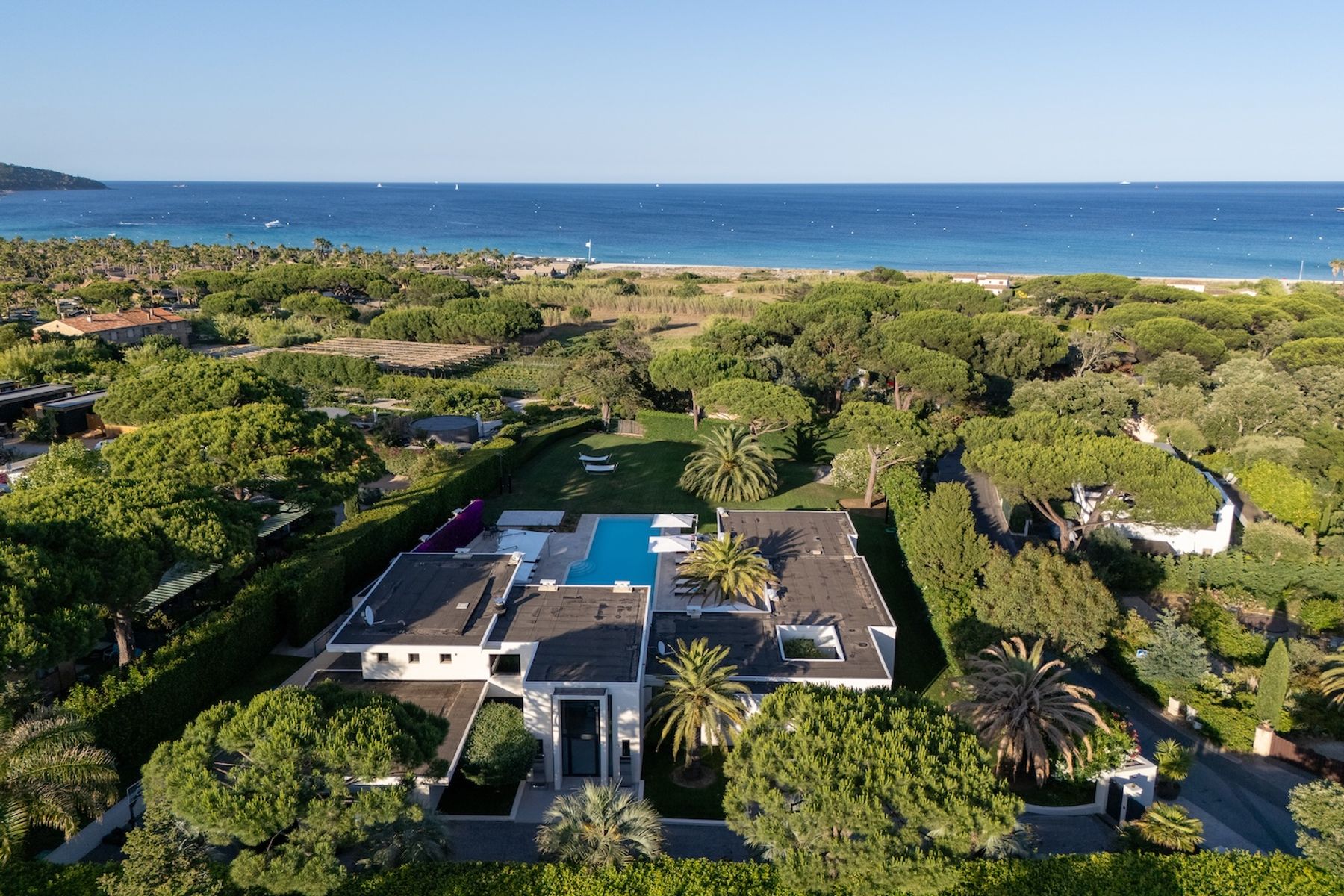
A short trip and a long one ask different things of a villa. Over a week, most groups can get by on a property that looks good in photos and delivers a strong pool and a few standout evenings. Over a month, the calculus shifts toward livability: how the kitchen actually functions during a real cooking week, whether the layout gives everyone enough separation to avoid friction, how the outdoor space holds up to daily rather than occasional use.
This is part of why extended-stay travelers so often gravitate toward larger properties than the length of their guest list would otherwise suggest. A seven-bedroom villa booked for a ten-day trip might feel generously proportioned. The same villa booked for a month starts to feel necessary — space to spread out, rooms that can serve as quiet work areas or reading nooks, enough physical distance between generations or friend groups that everyone gets genuine downtime without ever having to leave the property.
There's also a psychological dimension worth naming honestly. Constant movement — new views, new restaurants, new faces every night — is exhilarating for a week and exhausting across a month. Extended stays work best when travelers give themselves permission to stop treating every day as an occasion. Some mornings simply call for coffee on a terrace and nothing else on the agenda, and a villa built for longer visits should make that kind of morning feel like the point of the trip rather than a wasted one.
Settling Into the Countryside Pace, Beyond the Harbor's Peak-Week Energy
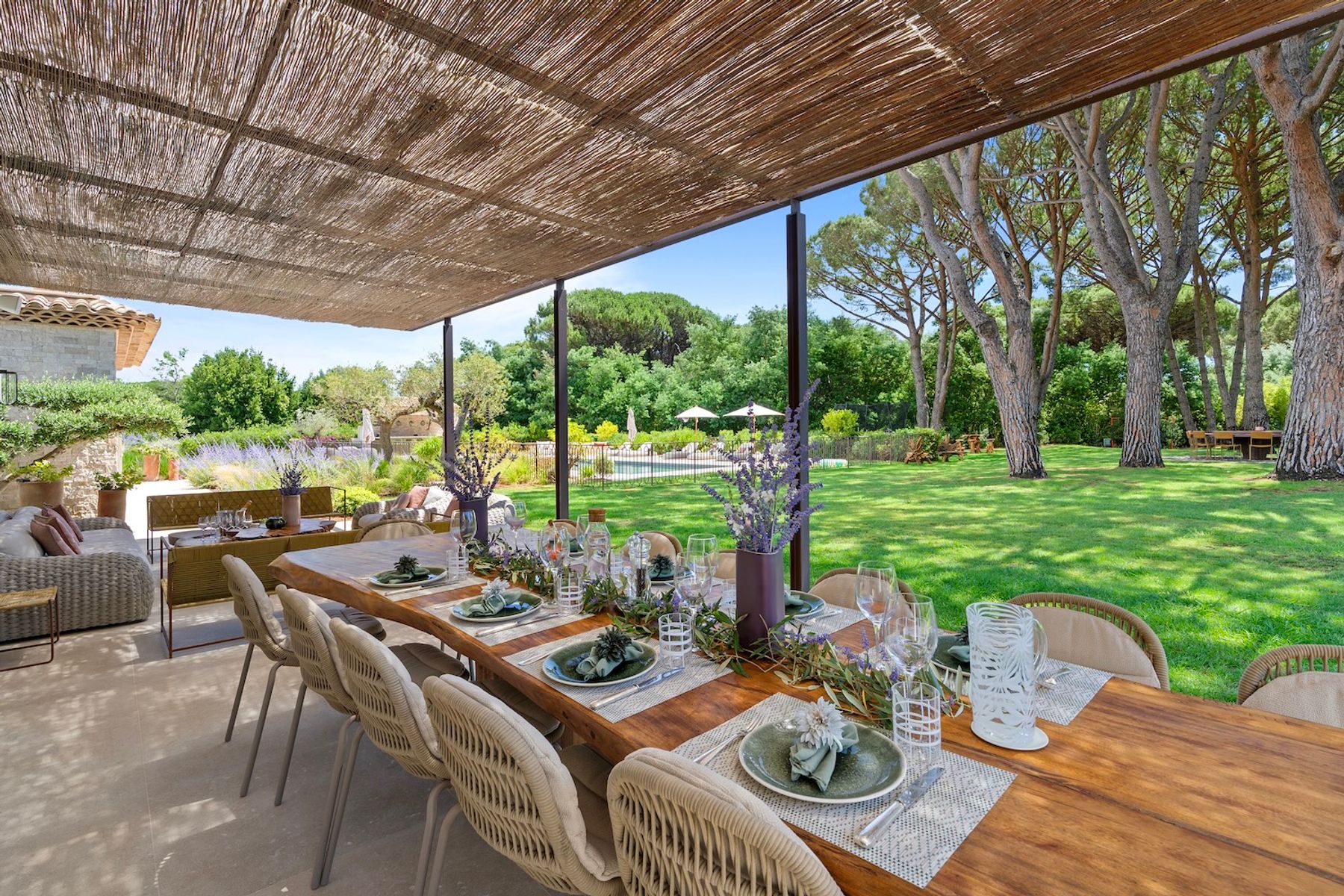
St. Tropez's reputation rests heavily on its harbor — the yachts, the visible energy, the sense that summer here operates at full volume. That version of the destination is real, and for a shorter visit it's often exactly what travelers are looking for. But it's also a pace that's difficult to sustain, and most extended-stay guests find themselves drifting away from it within the first week or two, not out of disappointment but because a different rhythm starts to feel more natural.
The countryside beyond the harbor offers that alternative. Vineyard-lined roads, quiet hillside villages, and a slower agricultural cadence sit just a short drive from the same coastline that draws the summer crowds. For a household settling in for the long haul, that inland landscape becomes part of the routine rather than a day trip — a market visit here, a countryside drive there, mornings that start without any sense of needing to be somewhere.
This is where a gated, set-back property earns its value over a longer stay in a way that's harder to appreciate on a shorter one. A villa positioned away from the busiest coastal stretches trades a small amount of harbor proximity for a much larger gain in daily calm — no crowds passing the gate, no sense of being on display, just the property and its own grounds functioning as a genuine retreat. Over the course of a month, that trade-off compounds. The days when the group wants harbor energy, the town remains an easy trip away. The days when nobody wants to leave the pool deck, nothing forces them to.
Extended-stay travelers also tend to develop a different relationship with the destination's seasonal rhythm. Rather than experiencing St. Tropez only at its most crowded, a longer visit usually spans quieter mid-week stretches, shifting light as summer eases toward autumn, and the kind of everyday texture — local produce coming into season, subtle changes in the evening air — that a one-week trip simply doesn't have time to notice.
Provisioning for a Longer Stay
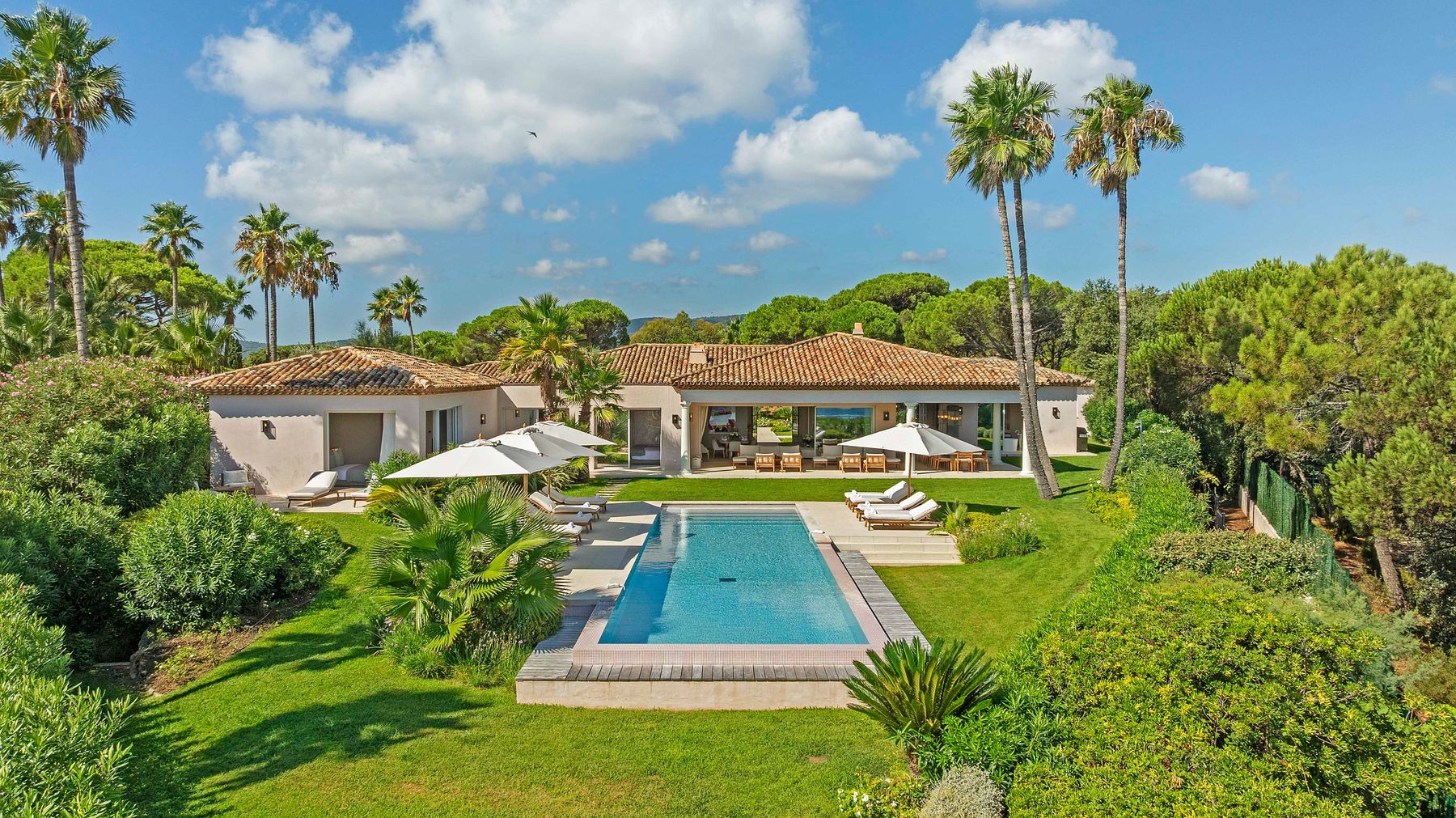
Provisioning is one of the more practical differences between a short villa trip and an extended one, and it's worth planning for rather than figuring out on arrival. A week-long stay can run comfortably on a single large grocery order and maybe one restocking trip. A month-long stay behaves more like actually living somewhere: pantry basics need replenishing, fresh produce and seafood are best bought in smaller, more frequent rounds, and the household's preferences usually become clearer — and more specific — after the first week or two.
Most villas equipped for longer visits build provisioning into the concierge relationship from the start, rather than treating it as a one-time arrival task. An initial stock ahead of check-in covers the basics, but the more useful arrangement for an extended stay is an ongoing rhythm: a standing order refreshed every few days, adjusted as the group settles into its own patterns of what actually gets used. Groups who establish that rhythm early tend to spend far less time thinking about groceries for the remainder of the trip.
It's also worth planning provisioning around how the kitchen will actually be used. A household with a private chef in place for most meals has very different pantry needs than one doing a mix of in-villa cooking and dining out. Being specific with a concierge early — dietary preferences, how many meals will be cooked at the villa versus eaten elsewhere, whether children's meals need separate planning — saves a surprising amount of friction later in the stay, when adjusting course is more disruptive than getting it right from the outset.
Wine and pantry staples deserve their own mention for a stay of this length. The surrounding region produces its own rosé and table wines, and many extended-stay households find it worth establishing a standing supply early rather than restocking piecemeal. The same logic applies to olive oil, local produce, and other staples that a longer visit gives a household time to actually settle on a preference for.
Staffing for an Extended Visit
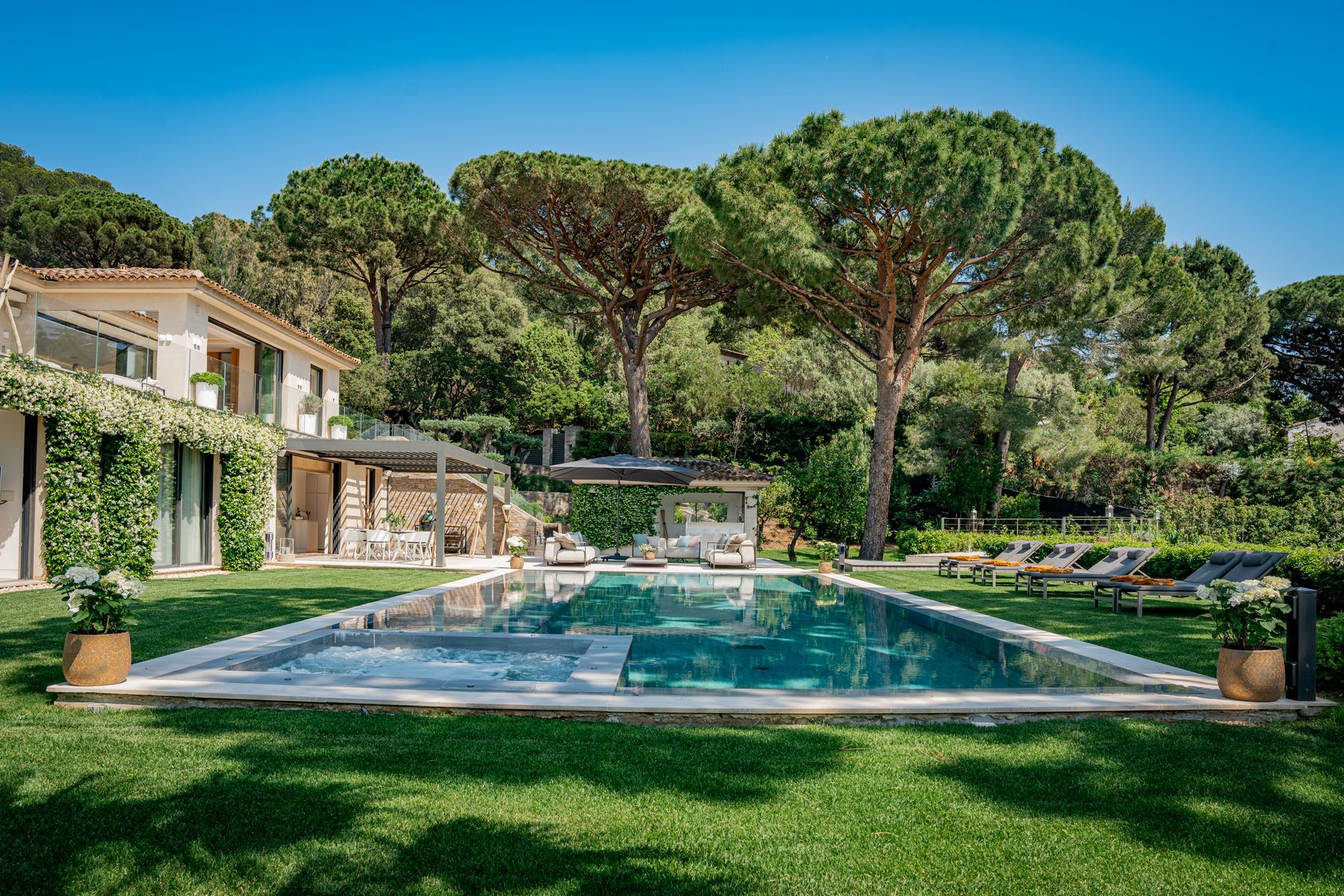
Staffing works differently across an extended stay than it does across a week, and it's one of the areas where planning ahead pays off most. A short trip can run on staff arranged for a fixed, predictable window — a chef for a handful of dinners, a housekeeper for a mid-stay refresh. A month-long stay needs a staffing plan that can flex: days off built into a chef's schedule, a housekeeping cadence that suits daily life rather than a single deep clean, and a concierge relationship that extends well past the arrival-day handoff.
Most households find that the right approach is to treat staffing as an evolving arrangement rather than a fixed booking. A private chef working a full month benefits from a schedule with regular rest days, and it's worth discussing that structure with a concierge before the stay begins rather than assuming daily service every single day is either realistic or preferable. The same applies to housekeeping — daily light service tends to suit an extended stay better than periodic deep cleans, since the property is being lived in continuously rather than visited.
Continuity matters more here than it does on a short trip. Over a week, guests and staff are essentially strangers for the entire visit. Over a month, a household and its chef or housekeeper genuinely get to know each other's preferences, and that familiarity tends to improve the experience noticeably by the second or third week. It's part of why longer stays, staffed well, often feel less like a service arrangement and more like a household finding its footing with the people supporting it.
It's worth having an honest conversation with a concierge about staffing levels appropriate to the length of stay and the size of the group. A property with seven bedrooms hosting an extended multi-generational visit typically needs a different staffing footprint than the same property booked for a quick week with a smaller group — more consistent housekeeping, potentially a second set of hands in the kitchen for busier evenings, and a concierge who checks in periodically throughout the stay rather than only at the beginning and end.
A Villa Built for the Long Stay
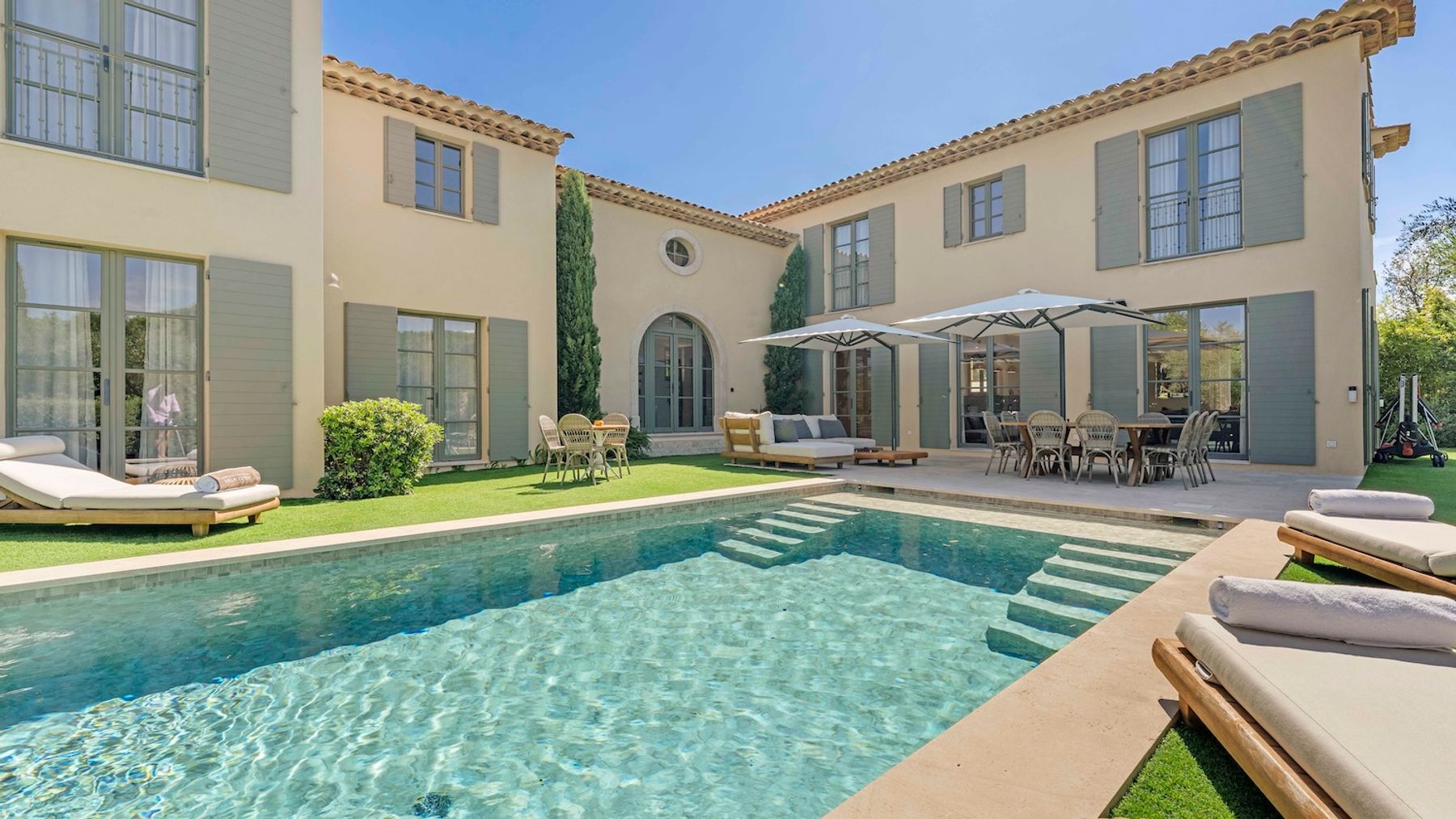
Not every villa in St. Tropez is suited to an extended visit, even among properties with strong reputations for shorter trips. The ones that work best over three or four weeks tend to share a few traits: real separation between bedrooms and living spaces, outdoor areas generous enough to use every day without feeling repetitive, and a setting private enough that the property itself becomes a genuine retreat rather than a base camp.
Villa Nereia fits that profile closely. Set within one of the area's private gated communities, the property offers seven bedrooms and seven bathrooms — scale that matters far more over a month than over a week, when everyone in the group needs a real door to close and a corner of the property they can genuinely call their own. The gated setting keeps the town within easy reach for the days a household wants harbor energy, while leaving the property itself as a quiet, secure world apart for everything in between.
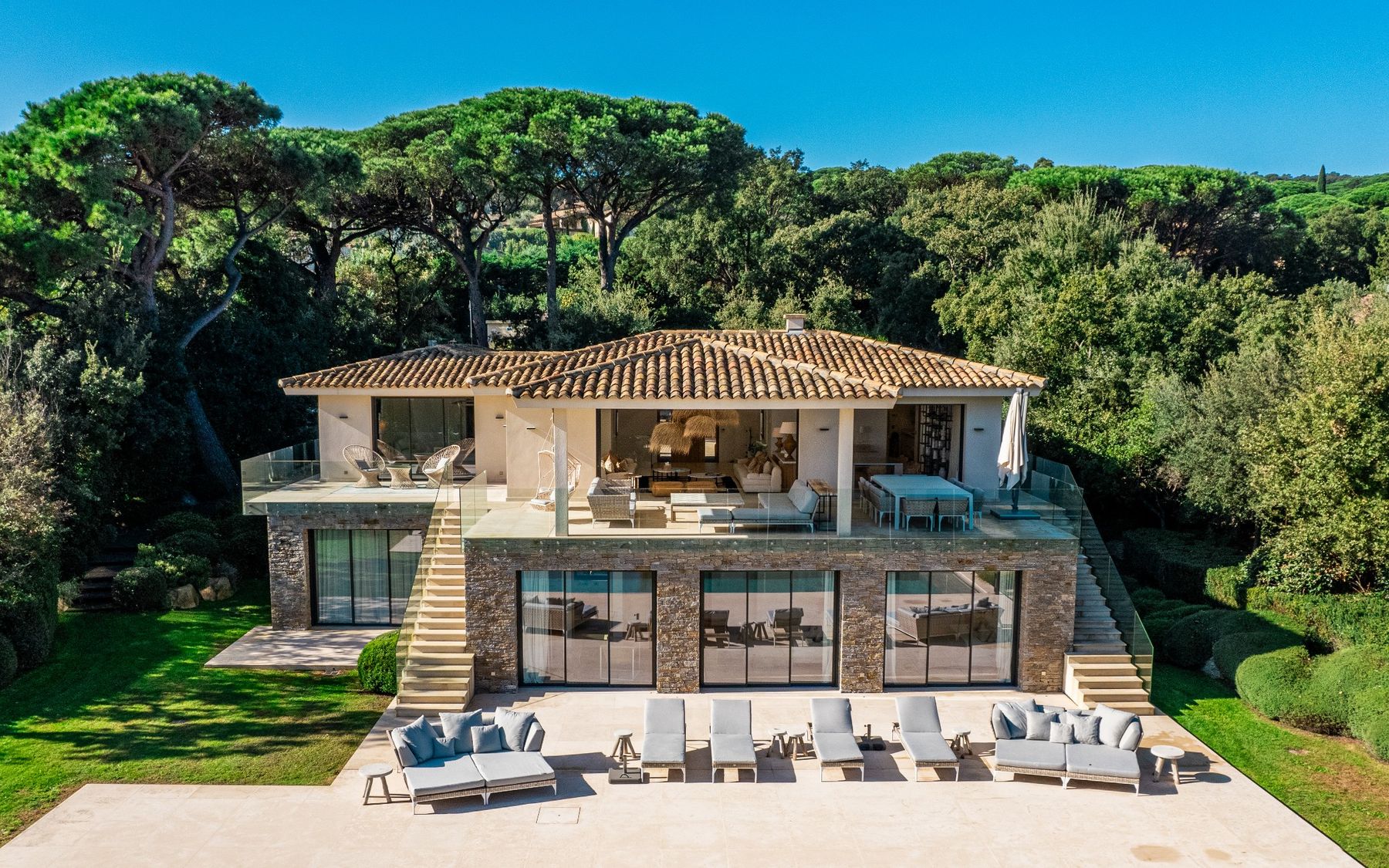
A short drive from Villa Nereia, Sylvabelle 7 offers a comparable footprint — also seven bedrooms and seven bathrooms, also set inside a gated community, with room for up to fourteen guests. For a multi-generational household or a larger group of friends settling in for an extended visit, that scale gives everyone genuine breathing room: separate wings or floors where different rhythms — early risers, late sleepers, a group that wants quiet mornings and another that wants to be out the door by nine — can coexist without friction.
Both properties illustrate a broader point about extended-stay planning in St. Tropez: the gated-community model, built originally around privacy and security, turns out to be especially well suited to longer visits for a related reason. A secured, set-back setting reduces the everyday friction of being visible and reachable that comes with a more exposed property, and that reduction in friction is barely noticeable over a weekend but genuinely meaningful across a month. Groups weighing Villa Nereia against Sylvabelle 7 for an extended stay are less choosing between two different experiences than deciding which layout and garden design better suits how their particular household actually wants to spend its month.
The Value Logic of Booking Longer
The economics of an extended stay are worth understanding honestly, because they don't always work the way shorter-trip thinking would suggest. A month at a villa is, in absolute terms, a significant booking. But measured the way most extended-stay travelers actually think about value — cost per day, weighed against what a comparable string of shorter trips or hotel stays would cost across the same span — the math tends to favor the longer booking meaningfully.
Part of that logic comes from avoiding the overhead that shorter, repeated trips carry. Multiple separate bookings mean multiple arrival transitions, multiple periods of re-settling into a new property, and — for groups who'd otherwise take several shorter trips across a season — the cost and disruption of travel itself, repeated each time. A single extended stay collapses all of that into one arrival and one departure, with everything in between simply lived rather than planned around.
There's also a deeper value that's harder to quantify but genuinely real: the return on a slower pace. A week-long trip rarely allows a household to fully exhale — there's always a sense that time is limited, that certain days need to be spent a certain way to make the most of a short window. An extended stay removes that pressure, and travelers who've experienced both consistently describe the longer version as feeling like an entirely different kind of trip, not simply a longer version of the same one.
For groups genuinely weighing whether an extended stay is worth the commitment, it's worth thinking about the visit less as one long vacation and more as a temporary version of home. Judged against that standard — the standard of daily life rather than a compressed itinerary — a well-staffed villa with real space and a private setting compares favorably to almost any alternative, including the idea of stitching together several shorter, higher-friction trips across the same stretch of time.
Planning an Extended Stay in St. Tropez
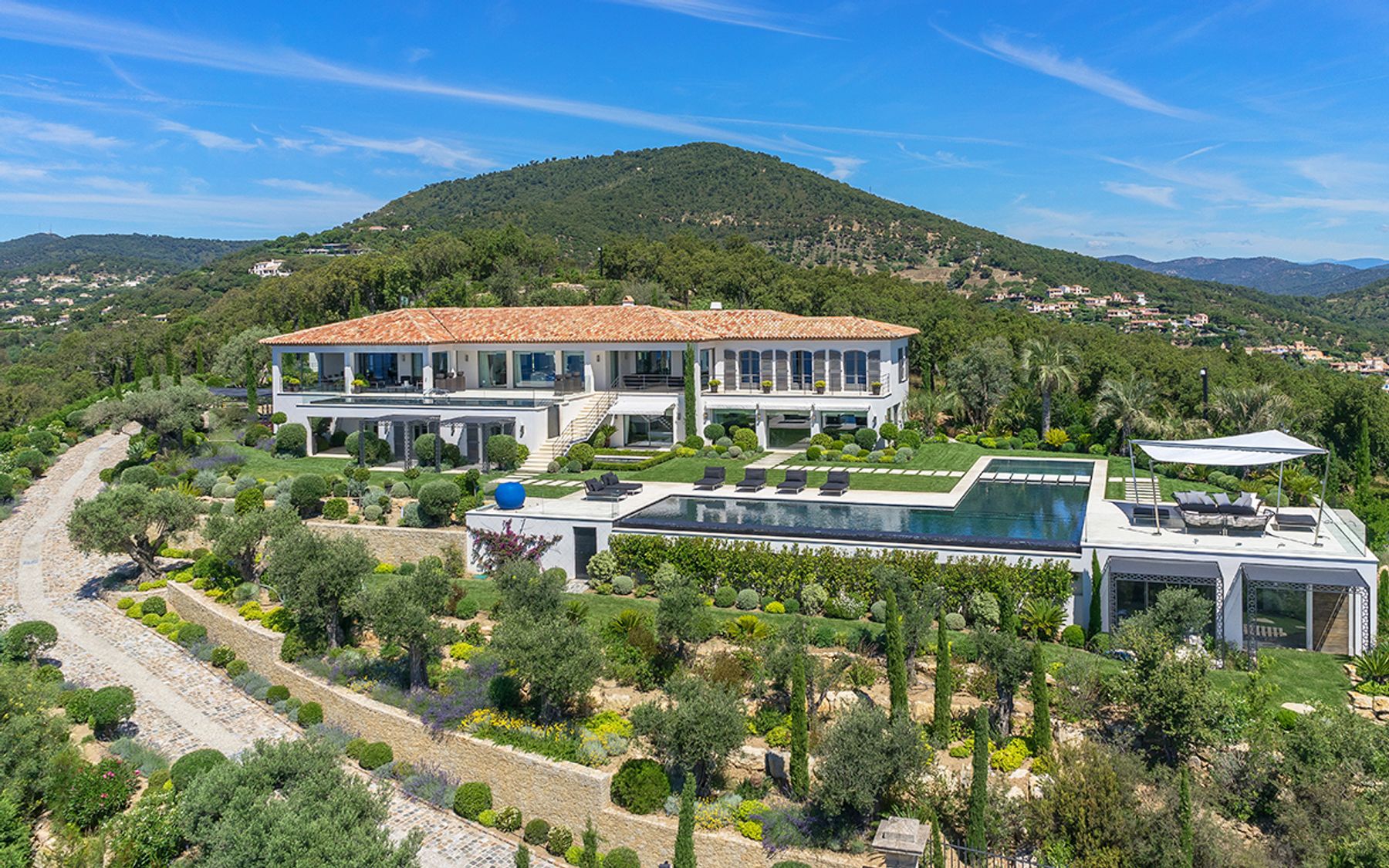
The properties best suited to extended visits — enough bedrooms for genuine separation, a gated or otherwise private setting, and the staffing flexibility a longer booking requires — tend to be in demand well ahead of the summer season, and a stay measured in weeks rather than nights takes a larger block of a property's calendar than a typical booking. Households planning a monthlong visit are generally better served booking six months to a year in advance than trying to arrange something closer to the travel dates.
It's worth approaching the planning conversation with a concierge differently than for a shorter trip. Rather than focusing purely on which nights are available, an extended-stay conversation should cover staffing structure across the full length of the visit, a provisioning rhythm that can adjust as the household's preferences become clear, and an honest sense of how much of the stay will be spent at the property versus exploring the wider region — all of which shape which villa, and which level of service, actually fits.
Travelers still weighing where in St. Tropez to base an extended stay should start with the destination itself before narrowing down to a specific property. St. Tropez spans a wide range of settings, from villas close to the harbor's visible energy to the quieter, gated estates further inland — and for a stay long enough to experience both the destination's peak-week pulse and its slower countryside side, that range matters more than it would for a shorter trip focused on a single mode of experiencing the place.
Is a Longer Stay Worth Planning For?
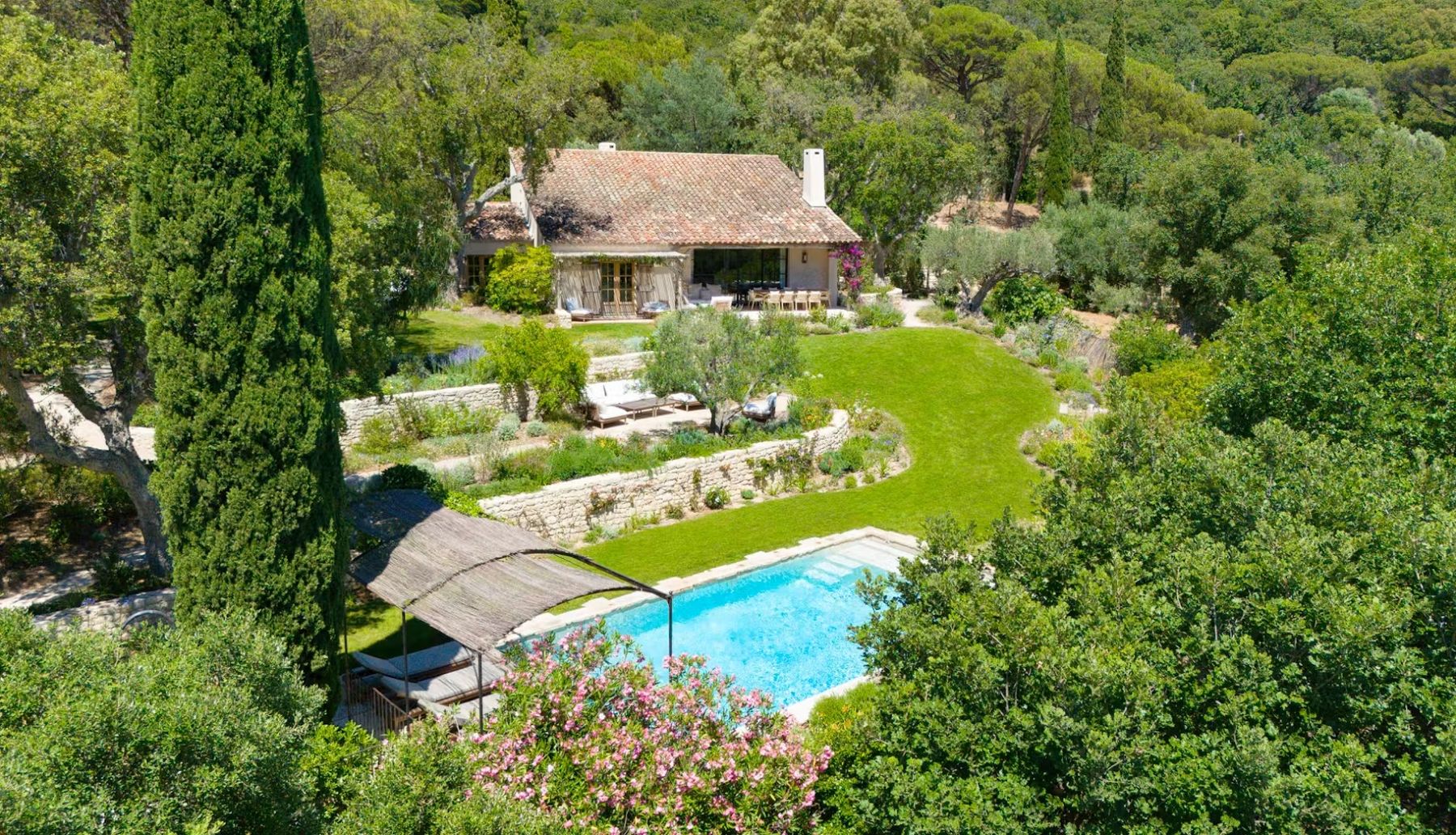
For travelers who can make the time, most who've tried an extended St. Tropez stay describe it as changing how they think about the destination entirely. A week shows you the town. A month lets you live somewhere near it — settling into a household rhythm, developing real familiarity with staff, discovering the quieter version of the region that a shorter visit rarely has time to find. The harbor is still there whenever the mood calls for it. What an extended stay adds is everything around it: the slower mornings, the countryside drives, the sense of a place becoming familiar rather than merely visited.
That shift is easiest inside a property genuinely built to support it — enough space for a household to spread out over weeks rather than days, a staffing plan flexible enough to sustain the full length of the visit, and a setting private enough to function as an actual retreat. Whether that's a property like Villa Nereia, with its gated privacy and generous seven-bedroom scale, or Sylvabelle 7 and its comparable footprint for up to fourteen guests, the right villa for an extended stay tends to be the one that disappears into the background of daily life rather than demanding constant attention.
For those ready to think beyond the standard week and consider what a longer, slower visit to St. Tropez might look like, the planning process starts the same way any good extended stay should: with an honest conversation about pace, space, and exactly how much of the destination's quieter side is worth making room for.

Our Destinations