
Everything You Need to Know Before Visiting Fort Lauderdale
Before visiting Fort Lauderdale, know that it's a city built around water. Its Atlantic beach, the Intracoastal Waterway, the New River and a wide network of canals shape how the city looks and how you'll spend your days. The driest, most comfortable months run from November to April, and the hurricane season runs from June 1 to November 30.
Fort Lauderdale sits on Florida's southeast coast in Broward County, between Palm Beach County to the north and Miami-Dade County to the south. It's a city of palm-lined streets, waterfront homes and boats tied up behind houses, and a private home with a pool fits its rhythm well.
How Fort Lauderdale Is Laid Out
Fort Lauderdale makes more sense once you picture its layers, running from the ocean inland.
The beach: a long stretch of Atlantic sand runs along the city's eastern edge, with State Road A1A following the shore.
The Intracoastal Waterway: just inland from the beach, this protected channel runs parallel to the coast and separates the barrier island from the mainland.
The canals: a wide network of residential canals branches off the waterways, so many homes have water, and often a dock, right behind them.
The New River: it winds through the heart of the city and downtown, lined with homes and moorings.
Las Olas Boulevard: the city's best-known street runs from downtown toward the beach, crossing the Intracoastal on the way.
Between the ocean and the Intracoastal sits Hugh Taylor Birch State Park, a green stretch of coastal hammock, freshwater lagoon and beach.
When to Go: Climate and Hurricane Season
Fort Lauderdale has a warm, tropical climate with two main seasons. The dry season runs roughly from November to April, with sunny days, lower humidity and highs typically in the 70s Fahrenheit. The wet season runs roughly from May to October, with highs around 90°F, high humidity and short, heavy afternoon thunderstorms on many days.
For most visitors, November through April is the most comfortable time to come. Summer still has its appeal, with long, bright mornings and warm evenings, but it's best planned around the afternoon storms.
The Atlantic hurricane season officially runs from June 1 to November 30, and activity is usually most frequent in late summer and early fall. For any stay in those months, we'd always suggest flexible plans and good travel insurance.
Getting There and Getting Around
Fort Lauderdale-Hollywood International Airport serves the city, and both of our Fort Lauderdale homes list it among their distances. Miami International Airport is also listed, at a greater distance from each.
Once you've arrived, a car is the easiest way to explore. The city is spread out, and the beach, downtown and the residential canals are linked by a few main roads, including A1A along the coast and the bridges across the Intracoastal. If you'd prefer not to drive, our team can arrange transfers from the airport to your home.
A few practical points help:
Plan your route across the bridges. Drawbridges over the Intracoastal and the New River open for passing boats, so leave a little slack in your timing.
Check parking at your home. Both of our Fort Lauderdale homes list on-site parking.
Use the water when you can. On a home with a dock, the canals and the Intracoastal become part of how you see the city.
Life on the Water
Water is what sets Fort Lauderdale apart from many beach cities. The canals and the Intracoastal are lined with homes, gardens and moorings, and the view from a boat or a kayak shows a side of the city you'd never see from the road.
Even on land, the water is close to the center of daily life. Plan mornings on the beach before the heat builds, afternoons by the pool or in the shade, and evenings for cooler air and the lights of boats on the waterways. A home with a pool and outdoor dining lets you follow that rhythm without leaving the property.
Trust us on this one: plan at least one slow evening at home on the water. It's when the city feels most like itself.
Before You Pack: Practical Tips
A few things to know before you go:
Sun protection matters year-round. The South Florida sun is strong even in winter.
Bring light layers for winter evenings. Dry-season nights can feel cool after a warm day.
Plan around afternoon storms in summer. Lightning is common, so leave the beach or the pool when a storm approaches.
Pack for the water. Sandals, swimwear and a light cover-up will get more use than anything else.
Where to Stay: Our Two Fort Lauderdale Homes
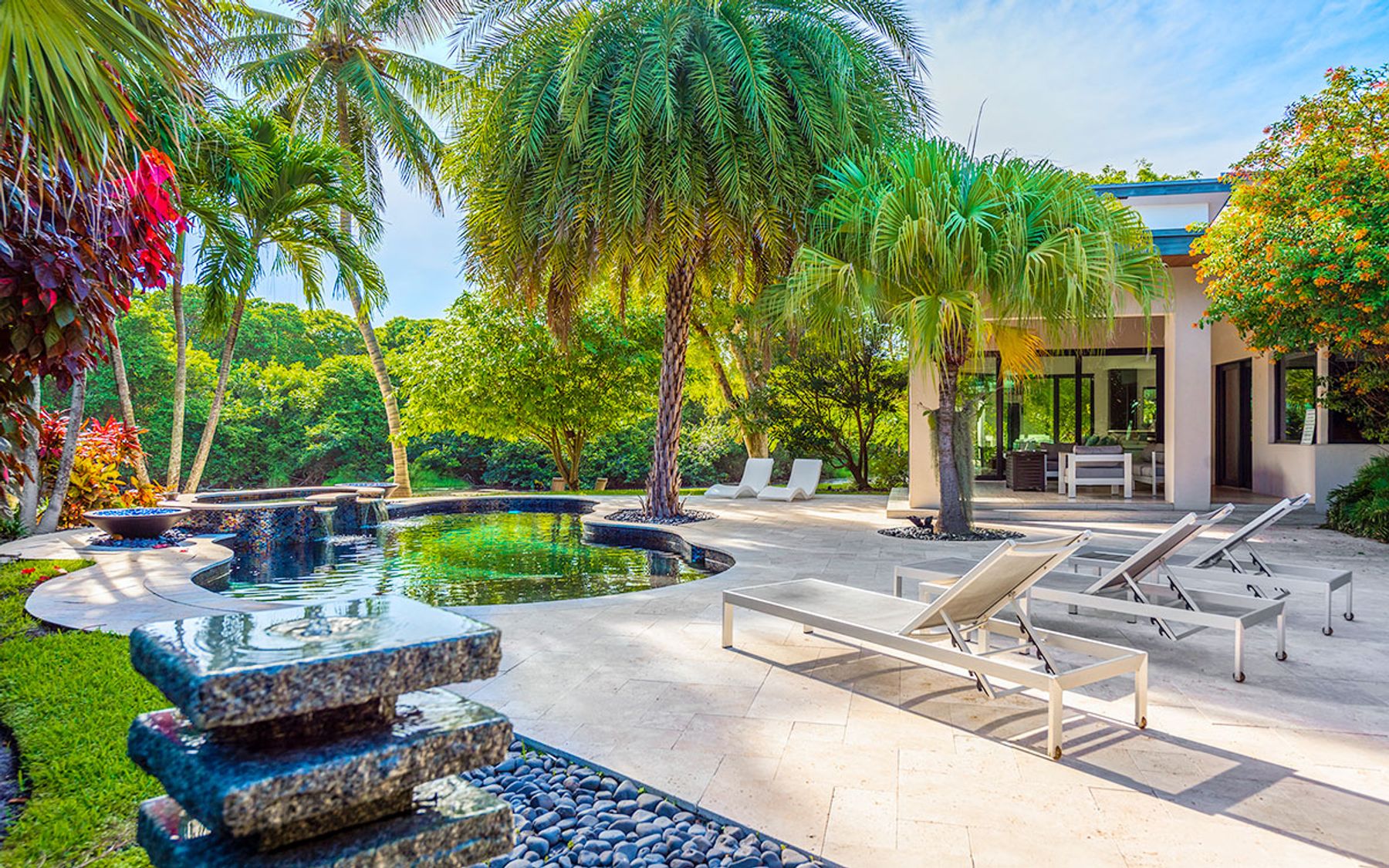
Our Fort Lauderdale destination page lists two homes, each with a different relationship to the water.
Among our featured homes, Moonlight Coast is a completely renovated home with ocean views and a lakefront setting, a block from the Atlantic shore. Its living and dining areas face the water through tall glass walls. The listing features a pool, a hot tub, a fire pit, a fireplace, a home cinema, a barbecue and a kayak, with beach chairs and beach access about a five-minute walk away. Midweek cleaning is among the listed services. Our listing places it 0.1 miles from Fort Lauderdale Beach, 1 mile from Hugh Taylor Birch State Park and 7.8 miles from Fort Lauderdale-Hollywood International Airport.
Next, Purple Palm is a modern waterfront residence on the New River, with a deep-water boat dock that connects to the Intracoastal Waterway. Outdoors, the listing features a pool, a hot tub, a barbecue, outdoor dining and cornhole. Inside, there's an electric fireplace, a pool table and a sound bar. Midweek cleaning is a listed service, and our listing places it 6.4 miles from Fort Lauderdale-Hollywood International Airport and 7.5 miles from Hugh Taylor Birch State Park.
Both are luxury homes for rent that we've personally inspected before adding them to our collection, with a pre-arrival check before every stay.
Tips for a Villa Stay in Fort Lauderdale
A private home changes how you experience the city. A few tips help it run smoothly:
Arrange your transfer in advance, so you can go straight from the airport to the house.
Have the kitchen stocked. Our team can arrange provisioning before you arrive, so the first evening at home is easy.
Choose your water. Moonlight Coast suits beach days, with Fort Lauderdale Beach 0.1 miles away, while Purple Palm suits those who want a dock on the river.
Use the outdoor spaces at the right hours. Mornings and evenings are the most comfortable times by the pool, especially in summer.
Frequently Asked Questions
What is the best time of year to visit Fort Lauderdale?
November through April is usually the most comfortable time to visit Fort Lauderdale. These are the dry months, with sunny days, lower humidity and mild evenings. Summer is hot and humid, with frequent afternoon storms.
Which airport serves Fort Lauderdale?
Fort Lauderdale-Hollywood International Airport serves the city. Our listings place it 7.8 miles from Moonlight Coast and 6.4 miles from Purple Palm.
Do I need a car in Fort Lauderdale?
A car is the easiest way to get around, because the city is spread out across the beach, the waterways and downtown. If you'd rather not drive, transfers can be arranged.
Planning Your Stay in Fort Lauderdale
Visiting Fort Lauderdale is easiest when you plan around the water and the weather: come between November and April for the most comfortable days, keep plans flexible during the hurricane season, and choose a home that puts you on the beach side or the river side of the city.
When you're ready, explore the villa vacation rentals on our Fort Lauderdale page, or browse our wider Florida collection, including homes in Hollywood and Boca Raton, to find a villa in the US that suits you. We're here whenever you'd like to talk it through.

Our Destinations


